Gorilla Trekking from Israel
Gorilla trekking from Israel offers travelers an extraordinary journey from the Mediterranean to the ancient mountain rainforests of East Africa. Within one safari, you can leave Tel Aviv, Jerusalem, Haifa, Beersheba, Netanya, or another part of Israel and travel to Uganda, where mountain gorillas live among mist-covered hills, dense tropical vegetation, bamboo zones, streams, valleys, and highland forests. Instead of seeing gorillas through wildlife documentaries or photographs, you can follow professional trackers through the forest and eventually stand only a short distance from a habituated gorilla family in its natural habitat.
Uganda ranks among the world’s most important destinations for mountain gorilla trekking because it protects these great apes in two national parks: Bwindi Impenetrable National Park and Mgahinga Gorilla National Park. Both parks lie in southwestern Uganda, and each offers a different trekking atmosphere. Bwindi has several trekking sectors spread across a large ancient forest, while Mgahinga sits within the spectacular Virunga volcanic landscape. Therefore, travelers planning gorilla trekking from Israel can choose an experience that matches their route, physical ability, available time, accommodation preference, and other safari interests.
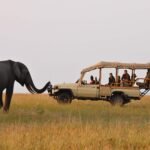
A gorilla safari also gives Israeli travelers an opportunity to experience much more of Uganda. After trekking through the rainforest, you can continue toward savannah national parks in search of elephants, lions, buffaloes, hippos, giraffes, antelopes, leopards, crocodiles, and hundreds of bird species. Alternatively, you can add chimpanzee trekking, golden monkey tracking, boat safaris, community visits, lake holidays, nature walks, or photography experiences. Consequently, the long international journey can become a complete East African wildlife adventure rather than a trip focused on only one activity.
However, planning matters. Gorilla trekking involves international flights, a Uganda visa, a gorilla permit, safari transport, accommodation, suitable trekking clothing, travel insurance, health preparation, physical fitness, and careful timing. Moreover, travel conditions and flight schedules can change. Therefore, travelers should organize the important details early and confirm time-sensitive information before leaving Israel.
This complete guide explains everything you need to know about gorilla trekking from Israel. It covers Uganda’s gorilla destinations, flights from Tel Aviv, visas, gorilla permits, accommodation, trekking difficulty, weather, packing, health preparation, safari costs, photography, recommended trip lengths, other national parks, responsible tourism, and practical planning advice.
Why Uganda
Uganda offers much more than a single morning with mountain gorillas. For that reason, it works particularly well for travelers who have already committed to flying from Israel to East Africa and want to make the journey worthwhile. The country combines tropical rainforest, savannah, wetlands, mountains, volcanoes, lakes, rivers, waterfalls, farmland, and culturally diverse communities within one relatively compact safari destination. Therefore, visitors can experience several different landscapes without crossing multiple international borders.
Mountain gorillas form one of Uganda’s greatest attractions, yet they are only part of the wildlife experience. Travelers can search for lions, elephants, buffaloes, leopards, hippos, giraffes, zebras, crocodiles, chimpanzees, golden monkeys, colobus monkeys, and countless smaller animals. In addition, Uganda is famous among birdwatchers because the country’s varied ecosystems support an exceptional range of birdlife.
For travelers arriving from Israel, Uganda also offers flexibility. You can design a short gorilla-focused trip lasting four or five days, or you can create a longer safari of seven, ten, twelve, or fourteen days. A short itinerary works for visitors with limited leave, while a longer journey allows you to experience several national parks without spending every day in a vehicle.
Moreover, Uganda offers two distinct mountain gorilla destinations. Bwindi Impenetrable National Park provides several trekking sectors and a wide selection of lodges, while Mgahinga Gorilla National Park offers volcanic landscapes and the possibility of combining gorillas with golden monkeys. This variety allows a safari planner to build an itinerary around actual permit availability rather than forcing every traveler into the same route.
Mountain Gorillas
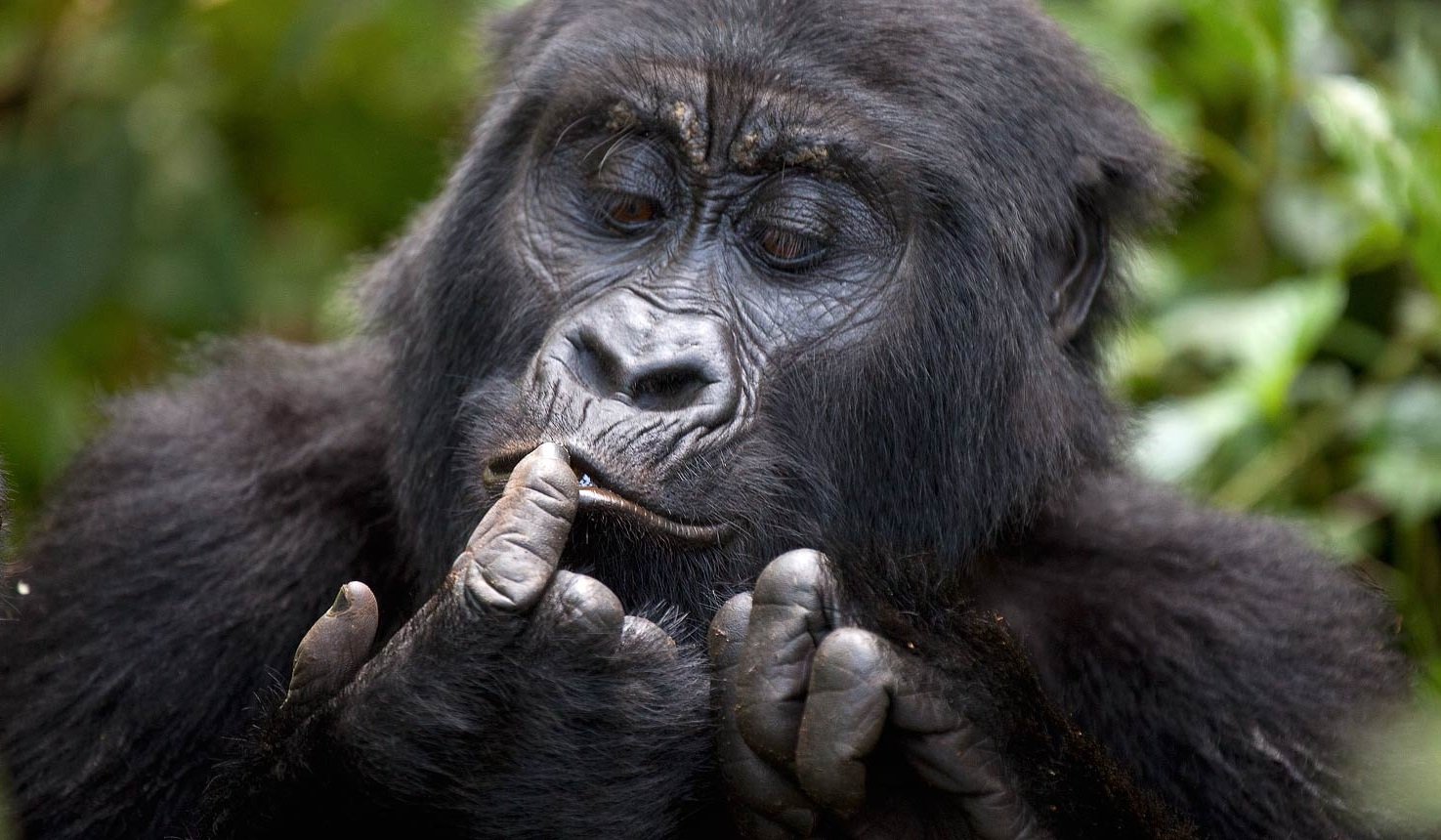
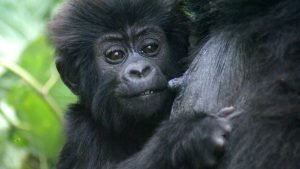
Mountain gorillas live only within a small area of East and Central Africa. Their restricted natural range makes a wild encounter with them very different from seeing animals that occur across large parts of the continent. Uganda protects mountain gorillas in Bwindi Impenetrable National Park and Mgahinga Gorilla National Park, while Rwanda and the Democratic Republic of Congo protect other populations within the wider regional ecosystem.
These gorillas live in family groups that generally include an adult male silverback, females, juveniles, and infants. The dominant silverback plays an important protective and social role, while the other members maintain relationships through feeding, grooming, resting, vocal communication, play, and physical contact. When visitors finally reach a habituated family, they may see a silverback feeding quietly while juveniles climb through vegetation or an infant stays close to its mother.
The word “habituated” does not mean tame. Rangers and researchers gradually accustom selected gorilla families to the controlled presence of humans, which makes tourism and scientific monitoring possible. However, the animals remain wild and continue to make their own decisions about where to move, feed, sleep, and interact.
That freedom creates the adventure. Nobody can place the gorillas beside the trail for visitors. Instead, trackers follow signs from their previous location, observe fresh vegetation changes, listen for sounds, communicate with ranger teams, and gradually guide trekkers toward the family. Therefore, every gorilla trekking day becomes different.
Bwindi Forest
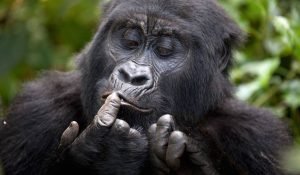
Bwindi Impenetrable National Park remains Uganda’s most famous destination for gorilla trekking. The UNESCO-recognized forest landscape contains steep hills, valleys, streams, vines, ferns, giant trees, thick undergrowth, and an extraordinary variety of wildlife. The terrain can feel challenging in places, yet it also creates the atmosphere that makes the experience unforgettable.
The park is divided into four main gorilla trekking sectors: Buhoma, Ruhija, Rushaga, and Nkuringo. Each sector operates as a distinct trekking base, which means travelers need to know where their gorilla permit is assigned before booking accommodation. This detail matters because Bwindi covers a large mountainous area and traveling from one sector to another may take several hours.
Consequently, Israeli travelers should avoid selecting a lodge only because it has attractive photographs or a good online review. The property must also fit the trekking sector and the wider safari route. A lodge close to the correct briefing point can make the trekking morning relaxed, while a lodge in the wrong part of Bwindi can require a very early departure over challenging roads.
A professional Uganda safari operator can coordinate the permit, sector, lodge, vehicle route, and additional activities. This coordination becomes especially valuable for first-time travelers who have never visited East Africa.
Buhoma Sector
Buhoma lies in northern Bwindi and has one of the longest histories of organized gorilla tourism in Uganda. The area contains a broad selection of accommodation, including relatively affordable camps, comfortable mid-range lodges, and high-end forest properties. Therefore, travelers can often find accommodation that matches their preferred budget without changing the entire itinerary.
The sector also works well with certain routes from Queen Elizabeth National Park. Travelers who combine savannah wildlife with gorilla trekking can sometimes approach Bwindi from the north, which creates a logical transition from open grasslands into dense rainforest. Along the way, the scenery changes dramatically and gives visitors a better understanding of Uganda’s ecological variety.
Furthermore, Buhoma offers additional community and forest activities. Travelers who stay more than one night can explore village surroundings, learn about local livelihoods, buy crafts, or participate in selected nature experiences depending on current availability.
Nevertheless, the permit should guide the final decision. If your trekking permit is available in another sector, there is little reason to insist on Buhoma simply because you have heard the name before. Every sector can provide a remarkable mountain gorilla encounter.
Ruhija Sector
Ruhija lies on the eastern side of Bwindi and appeals to travelers who enjoy quiet forest landscapes, highland scenery, and birdlife. The elevation can make mornings and evenings surprisingly cool, especially for visitors who imagine that every part of equatorial Africa feels hot. Therefore, travelers from Israel should bring warm layers even if they visit Uganda during a warm period at home.
Ruhija can also work well with routes through Kabale, Lake Bunyonyi, Queen Elizabeth National Park, and other southwestern destinations. However, the final route depends on road conditions, travel dates, and the exact activities included in the safari.
The trekking terrain may involve slopes, thick vegetation, and muddy sections. Nevertheless, the level of difficulty changes from day to day because the gorillas move naturally. On one morning, trackers may find a family relatively close to the briefing point, while another trek may require several hours of walking.
For this reason, travelers should prepare physically before leaving Israel rather than trying to predict whether their specific trek will be easy.
Rushaga Sector
Rushaga lies in southern Bwindi and remains another important base for gorilla trekking. The surrounding landscape includes cultivated hills, forest edges, valleys, rural communities, and distant mountain scenery, creating excellent opportunities for photography even before visitors enter the rainforest.
Travelers can find several accommodation options around Rushaga, and the sector can connect conveniently with routes through Kabale, Kisoro, Lake Mutanda, and other attractions in southwestern Uganda. Therefore, the area can work particularly well for visitors who want to spend several days exploring the region rather than arriving only for one night.
The road journey also teaches an important safari lesson: distance does not always equal driving time. A route that looks short on a map may pass through mountainous terrain, villages, gravel roads, or areas affected by seasonal rain. Consequently, visitors should trust realistic local travel estimates instead of applying Israeli highway travel times to rural Uganda.
A well-planned itinerary allows enough time for these transfers and avoids exhausting schedules.
Nkuringo Sector
Nkuringo lies in southern Bwindi and offers some of the park’s most dramatic highland scenery. Travelers often appreciate the open views across valleys, forested slopes, and surrounding hills. However, the terrain can also become physically demanding, which makes basic fitness preparation particularly valuable.
The actual gorilla trek depends on the location of the assigned family. Rangers cannot guarantee that visitors will walk only on easy terrain because gorillas move freely through their habitat. Nevertheless, regular walking, stair climbing, cycling, swimming, gym training, or hiking before your trip can improve stamina and confidence.
Nkuringo also attracts visitors who value a quieter mountain atmosphere. Several lodges take advantage of the elevated scenery, allowing guests to enjoy impressive views before and after the trek.
After spending the morning in dense forest, sitting at a lodge overlooking the hills can provide a peaceful ending to an active day.
Mgahinga Park
Mgahinga Gorilla National Park offers Uganda’s second major destination for mountain gorilla trekking. The park forms part of the Virunga volcanic region and presents a different environment from Bwindi. Instead of focusing entirely on dense ancient rainforest, visitors encounter bamboo zones, montane vegetation, volcanic scenery, and dramatic mountain backdrops.
The park sits near Kisoro and Lake Mutanda, which makes it attractive for travelers who want to explore southwestern Uganda at a slower pace. In addition, Mgahinga offers golden monkey tracking, allowing visitors to experience another rare primate without traveling to a different part of the country.
For Israeli travelers who enjoy hiking and mountain landscapes, Mgahinga can feel especially rewarding. The scenery provides a sense of altitude and wilderness, while the smaller tourism footprint creates an intimate atmosphere.
However, permit availability and current gorilla family movements influence practical planning. Therefore, discuss both Bwindi and Mgahinga with your safari operator before deciding which park fits your dates.
Israel to Uganda
Most travelers planning gorilla trekking from Israel begin their international journey at Ben Gurion Airport near Tel Aviv and arrive in Uganda through Entebbe International Airport. Entebbe sits beside Lake Victoria and serves as Uganda’s main international gateway.
Current flight listings show no nonstop Tel Aviv–Entebbe service, so travelers generally need at least one connection. Current route searches show connecting options involving airlines such as Ethiopian Airlines and flydubai, although schedules, fares, and operating patterns can change quickly.
Because gorilla permits operate on fixed dates, flight planning deserves careful attention. A very cheap ticket may include a long connection, inconvenient overnight wait, restrictive baggage allowance, or late arrival in Uganda. Therefore, compare the complete journey rather than the headline fare.
Ideally, arrive in Entebbe at least one night before starting the long road journey toward southwestern Uganda. This extra night reduces stress if your international flight changes and allows you to recover before entering the safari vehicle.
Tel Aviv Flights
Ben Gurion Airport provides the most practical departure point for most Israeli travelers. Current listings show one-stop and multi-stop itineraries rather than nonstop service between Tel Aviv and Entebbe. Ethiopian Airlines appears among the major connecting options on the route, while other combinations may operate through hubs in the Middle East, Europe, or Africa.
When comparing flights, pay attention to the transfer airport. A short connection may appear efficient, but it leaves little room for delays. On the other hand, an extremely long layover can make the journey unnecessarily tiring. Travelers should balance price, reliability, total journey time, baggage allowance, and arrival schedule.
Flight availability can also change according to regional aviation conditions. Therefore, do not publish or rely on one fixed airline schedule months in advance. Always recheck operating days shortly before confirming a safari.
The best itinerary usually arrives early enough for travelers to rest before beginning their Uganda road journey.
Arrival in Entebbe
Entebbe provides a gentle introduction to Uganda. After immigration, baggage collection, and customs, your safari driver-guide can meet you at the airport and transfer you to a nearby hotel or guesthouse.
Travelers who arrive tired after an overnight journey should resist the temptation to begin the long drive toward Bwindi immediately. Instead, enjoy a meal, sleep properly, and start the safari the next morning. This simple decision can improve the entire journey.
Entebbe also sits close to Lake Victoria and offers several restaurants, gardens, hotels, and quieter residential areas. Therefore, an arrival night does not need to feel like wasted time.
For travelers with a later departure flight at the end of the safari, Entebbe also works well as the final stop.
Uganda Visa
Israeli travelers should arrange Uganda’s visa requirements before departure. Israel does not appear on Uganda’s current list of ordinary-passport visa-exempt countries. Therefore, Israeli tourists generally need to apply through Uganda’s official electronic visa system.
Uganda’s Directorate of Citizenship and Immigration Control currently lists the ordinary single-entry tourist visa at US$50. The authority states that applicants should apply online and provide documents such as a passport biodata copy with at least six months of validity, a travel itinerary or tour plan, a recent passport photograph, and accommodation information.
Travelers should use the official Uganda government immigration portal rather than unofficial visa websites. After approval, print the travel authorization and keep a digital copy on your phone.
Because immigration rules can change, check the official system again before traveling from Israel.
Visa Planning
Apply for your Uganda visa with enough time to respond if immigration requests additional information. Although online systems make the process convenient, travelers should never leave an important visa application until the final days before departure.
Make sure your name matches your passport exactly. Likewise, double-check your passport number, expiry date, nationality, travel dates, accommodation information, and uploaded documents before submitting the form.
Uganda’s immigration service states that tourist visa documents should be submitted in English. Therefore, if a requested document exists only in Hebrew, check whether an English version or translation is necessary.
After receiving approval, store copies in several places. Keep the printed authorization with your passport, save another digital version offline, and consider emailing a copy to yourself. Small preparations can save time if your phone battery fails or airport internet becomes unreliable.
Gorilla Permits
A gorilla permit gives one visitor the right to join a scheduled trek on a specific date and within an assigned trekking area. Because permit availability determines where and when you trek, it should become one of the first elements of your safari planning.
Uganda Wildlife Authority manages gorilla permits and regulates the booking system. UWA’s permit guidelines state that foreign non-resident permits should be purchased through tour operators licensed by the Uganda Tourism Board.
Travelers should therefore work with a properly licensed operator and request clear confirmation of their permit arrangements. Avoid people who claim to sell unofficial or heavily discounted permits through social media without proper documentation.
The publicly indexed UWA conservation tariff covering July 2024 through June 2026 listed foreign non-resident gorilla permits at US$800. However, that tariff period has ended, and UWA’s current rates page refers to tariff changes for 2026–2027. Therefore, travelers should confirm the live price before budgeting rather than treating the old US$800 rate as guaranteed for current travel.
Book Early
Early booking gives travelers more control over dates, trekking sectors, accommodation, and flight arrangements. Gorilla permits can become limited during popular travel months, especially when international visitors travel during northern hemisphere summer holidays and end-of-year vacations.
Ideally, choose an approximate travel window first and ask your safari operator to check permit availability. Once the permit date becomes clear, you can organize flights and accommodation around it.
This approach works better than buying a non-refundable international ticket and later discovering that your preferred gorilla date has no permits available.
Travelers who plan several months ahead generally enjoy a wider choice of lodges and routes. Nevertheless, last-minute safaris can still work when permits remain available.
Permit Security
Because gorilla permits represent a significant cost, travelers should use official payment procedures.
Uganda Wildlife Authority advises foreign non-resident clients to obtain permits through licensed Uganda Tourism Board operators. UWA also warns travelers to ensure they receive proper reservation documentation and invoices before making payments.
If you book through Lena Tours or another Ugandan safari operator, request a detailed itinerary and quotation showing what your payment covers. The company should explain whether the price includes gorilla permits, park fees, accommodation, meals, airport transfers, safari vehicle, driver-guide, drinking water, and additional activities.
Clear documentation protects both sides and makes the booking process more professional.
Best Time
Travelers can trek mountain gorillas in Uganda throughout the year. The gorillas do not migrate away during one season, so every month can provide an opportunity for a successful encounter.
However, weather affects trail conditions. Uganda experiences relatively wetter and drier periods, although tropical mountain forests can receive rain at almost any time. Many visitors choose the relatively drier months because trails may feel less slippery and muddy.
Nevertheless, wetter months can offer beautiful advantages. Vegetation appears intensely green, mist may create dramatic forest photographs, and fewer visitors may travel during some periods.
Therefore, the best time for gorilla trekking from Israel depends on your personal schedule, flight availability, budget, school holidays, religious holidays, and tolerance for rain.
Israeli Holidays
Travelers from Israel often organize international holidays around Passover, Sukkot, school breaks, summer vacations, or other periods when families and professionals have more time available.
These dates can create high demand for international flights, so early booking becomes valuable. Moreover, some Israeli holidays move from year to year according to the Hebrew calendar, which means you should compare your exact holiday dates with Uganda permit availability before booking.
If you can travel outside peak holiday periods, you may find more flexibility in both flights and accommodation.
However, the best travel date remains the one that fits your available time and allows you to enjoy the safari without rushing.
Rainy Months
Uganda’s wetter periods can bring heavier rain to Bwindi and Mgahinga. Nevertheless, gorilla trekking normally continues unless park authorities identify a specific safety concern.
Rain changes the forest experience. Trails may become slippery, boots collect mud, vegetation feels wetter, and clouds can reduce light for photography. Therefore, proper footwear and waterproof clothing become especially important.
At the same time, the rainforest looks spectacular after rain. Leaves shine, mist hangs between hills, and the landscape feels intensely alive.
Travelers who arrive prepared often enjoy wet-season trekking just as much as visitors who travel during drier conditions.
Dry Months
Relatively drier periods attract many visitors because trails may become easier to manage and wildlife travel generally feels more comfortable.
However, “dry season” does not mean “no rain.” Bwindi is a rainforest, and mountain weather remains unpredictable.
Therefore, keep a lightweight waterproof jacket inside your daypack even when the morning sky looks clear.
Popular drier months can also create stronger demand for gorilla permits and lodges. Consequently, early booking becomes especially important during these periods.
Road to Bwindi
The journey from Entebbe or Kampala to Bwindi takes most of a day by road. While some travelers initially see this as a long transfer, the drive becomes part of the Uganda experience.
As you leave the Lake Victoria region, the landscape gradually changes. Towns give way to farmland, rolling hills, wetlands, trading centers, rural communities, tea plantations, valleys, and eventually the higher elevations of southwestern Uganda.
Your driver-guide can stop for lunch, refreshments, photographs, or a brief rest along the route.
Israeli travelers accustomed to relatively compact driving distances should remember that rural Uganda follows a different travel rhythm. A road may become slower because of traffic, construction, rain, mountain terrain, or village activity.
Therefore, avoid creating an itinerary that depends on exact minute-by-minute driving schedules.
Domestic Flights
Travelers who want to reduce road time can consider scheduled or charter domestic flights between the Entebbe area and airstrips serving southwestern Uganda.
Flying can work particularly well for honeymooners, older travelers, luxury visitors, business travelers with limited holiday time, or anyone who prefers to spend more time near the forest and less time on the road.
However, domestic flights do not remove all road transfers. After landing, visitors still need ground transportation between the airstrip and their lodge.
Small aircraft may also enforce stricter baggage limits than international airlines. Therefore, check weight and luggage-style restrictions before leaving Israel. Soft-sided safari bags often work better than large rigid suitcases.
A fly-in safari costs more than driving, but some travelers consider the saved time worth the additional expense.
Trekking Morning
Gorilla trekking day begins early. Lodges normally serve breakfast before guests transfer to the park briefing point.
Bring your passport or required identification, permit information, drinking water, packed lunch if provided, rain jacket, camera, gloves, walking stick if available, and any personal medication that you may need.
During the briefing, park staff explain gorilla trekking rules and organize participants into groups. Rangers then lead each group into the forest while trackers help locate the assigned gorilla family.
The first part of the walk may follow an established trail, but the route can become more demanding as the team approaches the gorillas.
Because the animals move freely, trekking time varies.
Finding Gorillas
Finding mountain gorillas requires skill, patience, and knowledge of the forest.
Trackers often begin early and use information from the previous day’s gorilla location. They look for fresh feeding signs, broken vegetation, nests, footprints, droppings, vocalizations, and other clues.
The tracking team communicates with the visitor group and gradually directs the ranger toward the gorilla family.
Some trekkers reach the gorillas relatively quickly, while others walk for several hours.
This uncertainty creates excitement because the experience feels like real wildlife tracking rather than a scheduled zoo visit.
The Encounter
The first view of a mountain gorilla can feel almost unreal.
After concentrating on the trail, mud, vegetation, and climbing, a ranger may suddenly ask everyone to become quiet. A dark shape appears behind leaves, and within moments you realize that you are looking at a wild mountain gorilla.
The family may continue feeding or resting. A silverback can sit calmly among vegetation while younger animals climb nearby. Females may care for infants, and juveniles can display playful behavior.
The encounter often feels quieter and more intimate than visitors expect.
Instead of constant dramatic action, travelers witness ordinary gorilla life, and that natural behavior makes the experience powerful.
One Precious Hour
Standard gorilla trekking limits visitor time with the habituated gorilla family.
Once you reach the gorillas, use the encounter wisely. Take photographs, but remember to lower the camera. Watch the animals with your own eyes, listen to their movements, notice their expressions, and observe how the family interacts.
Visitors sometimes spend the entire encounter trying to capture the perfect photograph and later realize that they barely watched the gorillas directly.
Prepare your camera settings before you reach the family so that you can balance photography with observation.
The encounter may feel short when it ends, yet the memory can remain vivid for decades.
Trek Difficulty
Gorilla trekking difficulty changes from day to day.
Several factors influence the challenge, including the gorillas’ location, elevation, rain, mud, vegetation, temperature, slope, trekking duration, and personal fitness.
Some visitors complete a relatively gentle trek, while others climb steep terrain for several hours.
Therefore, nobody should guarantee that your gorilla trek will be easy.
However, you can improve your chances of enjoying the day through basic physical preparation before leaving Israel.
Fitness Training
Begin training several weeks before your safari.
Regular walking provides the simplest preparation. Gradually increase your walking distance until you can move comfortably for several hours.
Add hills, stairs, cycling, swimming, gym exercises, or inclined treadmill sessions to improve endurance and leg strength.
You do not need to train like a competitive athlete. Instead, focus on steady stamina, balance, and confidence on uneven terrain.
Travelers who already hike regularly will usually adapt well, although tropical rainforest conditions differ from dry hiking environments in Israel.
Hiking in Israel
Israel offers many opportunities to prepare for gorilla trekking.
Depending on where you live and seasonal conditions, you can use local walking trails, hills, stairways, city parks, gym equipment, or weekend hikes to improve fitness.
However, remember that Bwindi presents different challenges. Tropical forest can feel humid, muddy, and slippery, while thick vegetation may limit visibility.
Therefore, physical preparation helps, but you should still approach the trek with patience rather than speed.
A slow, steady walker often enjoys the forest more than someone who tries to rush.
Hire a Porter
Hiring a porter can make gorilla trekking considerably easier.
Your daypack may feel light at the briefing point, but water, cameras, lunch, rain gear, and personal items become heavier after several hours of climbing.
A porter carries the bag and can provide a steady hand on difficult slopes.
Moreover, porter work provides direct income to people living near the park.
Therefore, using a porter benefits both the traveler and the local community.
Even physically strong visitors often appreciate the support.
What to Wear
Choose practical trekking clothing rather than safari fashion.
Wear long trousers that allow free movement and protect your legs from vegetation, insects, mud, and scratches. Add a breathable long-sleeved shirt for similar protection.
Good hiking boots or sturdy walking shoes with reliable grip become essential when trails turn slippery.
A lightweight waterproof jacket should remain within easy reach.
Depending on conditions, gaiters can stop mud and forest debris from entering your boots.
Light gloves also protect your hands when you hold branches or steady yourself on vegetation.
Avoid Jeans
Jeans may feel comfortable for ordinary travel, but they perform poorly in wet rainforest conditions.
Once denim becomes soaked, it grows heavy and takes a long time to dry.
Instead, choose lightweight hiking trousers made from quick-drying material.
These trousers pack easily, dry faster, and allow more comfortable movement on steep terrain.
Practical clothing improves the trekking day far more than expensive fashion.
Packing List
A useful gorilla trekking packing list includes sturdy hiking shoes, long trousers, long-sleeved shirts, a lightweight rain jacket, comfortable socks, trekking gloves, a small daypack, insect repellent, sunscreen, a reusable water bottle, a hat, basic personal medication, a camera, spare batteries, and memory cards.
Also bring a light fleece or warm layer because early mornings in southwestern Uganda can feel cool.
A waterproof dry bag or camera cover protects electronics from sudden rain.
If you take prescription medicine, carry enough for your entire safari and keep essential medication in your hand luggage during international travel.
Pack lightly but thoughtfully.
Camera Gear
Gorilla photography can challenge experienced photographers because rainforest light changes constantly.
One moment a gorilla may sit in deep shade, while another individual appears in a bright opening.
Therefore, practice adjusting ISO, shutter speed, focus, and exposure before the trek.
A flexible zoom lens can work well because you cannot control your distance or angle.
However, excessive equipment creates weight.
Unless photography forms the central purpose of your safari, one versatile camera setup often works better than several heavy lenses.
Phone Photography
Modern smartphones can capture excellent gorilla images.
Clean the lens before the encounter and avoid unnecessary digital zoom.
Try to include some forest context rather than filling every photograph with the gorilla’s face.
The surrounding vegetation helps tell the story of the encounter.
Also shoot a few short video clips if park rules permit, but do not watch the entire experience through your screen.
Health Planning
Travelers should speak with a qualified travel-health professional before traveling from Israel to Uganda.
Medical recommendations depend on your age, health history, medication, safari route, travel duration, and other countries on your itinerary.
Uganda lies in a tropical region where malaria and other travel-health considerations require preparation. Therefore, ask a doctor about appropriate preventive measures rather than relying on general advice from other travelers.
Carry insect repellent and suitable clothing.
Most importantly, avoid gorilla trekking if you have a contagious respiratory illness because human disease can threaten great apes.
Current Travel Advice
Because safety and health information changes, Israeli travelers should check official Israeli government travel advisories shortly before departure.
Israel’s government travel-warning database, updated in September 2026, currently lists Uganda at threat level 2 and recommends increased precautions because of a potential ongoing threat to Israelis or Jewish travelers. The same database also contains current health-related notices for Uganda.
Travelers should therefore treat security information as time-sensitive rather than relying permanently on any website article.
Before departure, review official Israeli guidance, check your travel insurance, share your itinerary with someone you trust, and follow local advice during the safari.
Travel Insurance
Comprehensive travel insurance remains particularly important for an international gorilla safari.
A good policy should reflect the real nature of the trip, including long-haul flights, remote areas, trekking activities, expensive permits, medical treatment, emergency evacuation, trip interruption, and luggage problems.
Do not assume every basic travel policy automatically covers trekking activities.
Read the conditions carefully and confirm any exclusions.
Keep your insurance emergency number available offline.
Travel insurance cannot prevent unexpected events, but it can reduce their financial impact.
Where to Stay
Accommodation around Bwindi and Mgahinga ranges from simple guesthouses to comfortable mid-range lodges and high-end luxury properties.
Budget accommodation suits travelers who prefer to spend more money on activities and less on the room. Mid-range lodges generally offer private bathrooms, good meals, comfortable beds, scenic views, and personalized service. Luxury properties may provide larger cottages, fireplaces, premium dining, spa treatments, private decks, and exceptional forest settings.
However, location matters more than luxury.
A beautiful lodge several hours from your trekking briefing point can create unnecessary stress.
Therefore, always match the property with your assigned gorilla sector.
Food in Uganda
Most safari lodges serve a mixture of international and Ugandan dishes.
Breakfast may include eggs, fruit, bread, cereal, tea, coffee, potatoes, and other familiar items. Lunch and dinner can include rice, vegetables, pasta, chicken, beef, fish, soups, and local specialties.
Travelers should tell the safari operator about dietary requirements before arrival.
Vegetarian and vegan meals are widely possible at safari lodges when staff receive advance notice.
If you keep kosher, discuss your exact requirements clearly before booking because ordinary safari lodges do not necessarily operate certified kosher kitchens.
Kosher Considerations
Israeli travelers who follow kosher dietary rules should plan carefully.
The level of observance differs greatly between travelers, so communicate your requirements specifically rather than simply asking whether a lodge provides “kosher food.”
A lodge may be able to prepare vegetarian meals or use separate utensils by prior arrangement, but that does not automatically make the kitchen kosher according to your standards.
Strictly observant travelers may need to bring suitable packaged food or arrange specialized catering.
Discuss these needs with your tour operator well before departure.
Shabbat Planning
Travelers who observe Shabbat should also build the safari around their religious requirements.
A standard Uganda safari often includes daily driving, check-ins, park activities, and early departures, so the normal itinerary may need adjustment.
For example, you may choose to remain at one lodge from Friday afternoon until Saturday evening rather than scheduling a road transfer or gorilla trek.
This arrangement requires advance planning because gorilla permits are date-specific.
Therefore, tell your safari operator about Shabbat observance before permits and accommodation are booked.
Language
English works widely throughout Uganda’s tourism industry.
Safari guides, national park rangers, hotel staff, immigration officers, and many people working with international visitors communicate in English.
Travelers who speak limited English can still manage with translation apps, written itineraries, and support from their guide.
Uganda also has many local languages.
Learning a simple greeting or showing interest in local words can create friendly interactions.
Money
Uganda uses the Ugandan shilling, while international tourism businesses often quote safari prices in US dollars.
Israeli travelers should carry more than one payment method.
Credit cards work in many hotels and larger businesses, but rural areas can rely more heavily on cash.
Keep some money available for porters, tips, crafts, drinks, and personal purchases.
Do not carry all your cash in one place.
Shekels
Do not assume that Israeli shekels will be easy to exchange everywhere in Uganda.
Tourism businesses commonly work with US dollars, while currency exchange offices may handle euros, British pounds, and other major currencies more readily.
Therefore, ask your operator for current payment advice before leaving Israel.
You can also use international cards or withdraw Ugandan shillings where suitable banking facilities exist.
Safari Costs
The total cost of gorilla trekking from Israel includes much more than the gorilla permit.
Budget for international flights, Uganda visa, gorilla permit, accommodation, safari transport, driver-guide, park fees, meals, travel insurance, airport transfers, tips, personal spending, and additional activities.
A domestic flight instead of road transport will increase the price.
Likewise, luxury lodges cost significantly more than budget accommodation.
Therefore, request a full safari quotation and read the inclusions carefully.
The cheapest headline price does not always represent the best value.
Budget Safaris
Budget travelers can enjoy the same mountain gorilla encounter as guests staying in luxury lodges.
Park rules do not give wealthy visitors extra viewing time.
Therefore, travelers who prioritize wildlife can reduce costs by choosing simpler accommodation and traveling by road.
However, do not compromise on legitimate permits, safe transport, professional guiding, or basic accommodation quality.
A well-designed budget safari should reduce unnecessary luxury rather than essential services.
Mid-Range Safaris
Mid-range safari packages offer a useful balance between comfort and price.
Travelers generally stay in pleasant lodges with private bathrooms, comfortable beds, good meals, and scenic surroundings.
The safari vehicle remains private or shared according to the package, while professional guides manage transport and activities.
For many visitors from Israel, the mid-range category provides enough comfort without dramatically increasing the overall budget.
Luxury Safaris
Luxury gorilla safaris focus on premium accommodation, efficient transfers, privacy, personalized service, and carefully selected experiences.
Travelers may choose domestic flights, forest lodges with exceptional views, private cottages, spa services, premium dining, and highly personalized itineraries.
However, luxury stops at the forest trail.
You still need to walk through natural terrain, deal with rain or mud, and follow park rules.
That contrast often makes the safari memorable.
Solo Travelers
Solo travelers can enjoy Uganda with proper planning.
A private safari provides maximum flexibility, although one traveler normally pays more per person because vehicle and guide expenses are not shared.
Some operators also provide group departures when available.
Solo travelers often meet other international visitors at lodges and during gorilla trekking briefings.
Use reputable transport, share your itinerary with someone at home, keep emergency contacts accessible, and follow current travel advice.
Couples
Gorilla trekking works beautifully for couples, honeymooners, and anniversary travelers.
A private Uganda safari can combine challenging outdoor adventure with scenic lodges, romantic dinners, lake views, game drives, and quiet evenings.
Couples may choose to spend several nights around Bwindi rather than leaving immediately after the gorilla trek.
Lake Bunyonyi or Lake Mutanda can also add a relaxed element after the forest experience.
Families
Families can include gorilla trekking within a broader Uganda holiday, although age restrictions apply to the trekking activity.
Parents should confirm current Uganda Wildlife Authority rules before purchasing permits for teenagers or younger travelers.
If some family members cannot participate, the safari company can organize alternative activities.
Families should also think about physical ability rather than age alone.
A teenager who enjoys hiking may love the experience, while another may struggle with several hours of mud and steep terrain.
Older Travelers
Older age does not automatically prevent gorilla trekking.
Physical ability, balance, fitness, and general health matter more.
Many active older travelers successfully complete gorilla treks after preparing carefully.
Hire a porter, train through regular walking, and communicate mobility concerns before the trek.
However, travelers with significant health problems should seek professional medical advice before booking.
Three-Day Safari
A three-day gorilla safari represents one of the shortest options from Entebbe or Kampala.
On day one, travelers drive toward Bwindi.
Day two focuses on gorilla trekking.
Day three involves the return journey.
Although the itinerary works, it involves considerable driving and may feel rushed for visitors arriving directly from Israel.
Therefore, add an arrival night whenever your schedule allows.
Five-Day Safari
A five-day itinerary creates a more comfortable rhythm.
Day one
Can focus on arrival in Entebbe and recovery from the international journey.
Day two
Takes you toward Bwindi.
Day three
Becomes the gorilla trekking day.
On day four, you can enjoy another activity or begin the return journey.
Day five
Can connect with your international departure.
This schedule reduces unnecessary pressure.
Seven-Day Safari
Seven days allows travelers to combine gorilla trekking with another significant Uganda wildlife experience.
Queen Elizabeth National Park fits naturally into many Bwindi itineraries.
Visitors can enjoy game drives, wildlife viewing, and a boat safari before or after the gorilla trek.
Alternatively, travelers can combine Bwindi with Lake Bunyonyi, Mgahinga, or another southwestern destination.
A week gives you enough time to experience more than the forest without making every day a long transfer.
Ten-Day Safari
A ten-day safari makes the international trip from Israel especially rewarding.
Travelers can combine chimpanzee trekking in Kibale, wildlife in Queen Elizabeth National Park, gorillas in Bwindi, and a final stop at Lake Mburo before returning toward Entebbe.
Other routes can focus more strongly on photography, primates, luxury accommodation, or cultural experiences.
The additional days also create flexibility if weather or travel delays affect the schedule.
Instead of simply visiting Uganda, travelers begin to experience the country.
Queen Elizabeth
Queen Elizabeth National Park offers a strong contrast with Bwindi.
Instead of walking through dense rainforest, visitors explore savannah, wetlands, lakes, and open landscapes.
Game drives may reveal elephants, buffaloes, antelopes, warthogs, lions, and other wildlife.
Boat trips provide opportunities to observe hippos, crocodiles, water birds, and animals approaching the shoreline.
Combining Queen Elizabeth with Bwindi gives first-time safari visitors two completely different wildlife experiences.
Chimpanzee Trekking
Chimpanzee trekking provides another remarkable primate experience.
Kibale National Park remains Uganda’s best-known destination for chimpanzees.
Unlike gorillas, chimpanzees often move quickly, vocalize loudly, climb trees, and interact energetically.
Therefore, visitors who trek both species experience two very different great ape encounters.
For primate enthusiasts traveling from Israel, combining gorillas and chimpanzees can justify a longer safari.
Golden Monkeys
Travelers visiting Mgahinga can add golden monkey tracking.
Golden monkeys live in the Virunga region and often move rapidly through bamboo vegetation.
Their colorful appearance and active behavior create a lively contrast with the generally calmer gorilla encounter.
This activity also encourages visitors to spend more time near Kisoro instead of leaving immediately after the gorilla trek.
Lake Bunyonyi
Lake Bunyonyi provides a peaceful place to relax after trekking.
The lake sits among terraced hills and numerous islands, creating a scenic environment that feels completely different from the dense forest.
Visitors can relax at a lodge, take photographs, enjoy the view, or participate in suitable local activities.
After several hours of climbing through Bwindi, a quiet afternoon beside the lake can feel especially rewarding.
Lake Mutanda
Lake Mutanda lies near Kisoro and offers impressive views toward the Virunga Mountains.
The lake works particularly well with Mgahinga or southern Bwindi itineraries.
Travelers interested in landscape photography may enjoy early mornings when mist, mountains, and water create layered scenes.
Staying near the lake also allows a slower travel pace between active trekking days.
Cultural Experiences
Responsible cultural experiences help travelers understand life around Uganda’s protected areas.
Communities near Bwindi and Mgahinga depend on farming, tourism, crafts, guiding, hospitality, transport, and other livelihoods.
A thoughtful community visit can introduce visitors to local traditions, agriculture, music, food, conservation relationships, or craft production.
However, cultural tourism should always respect dignity.
Ask permission before taking close photographs of people and avoid treating communities as tourist exhibits.
Responsible Travel
Responsible gorilla tourism begins with park rules.
Listen to the ranger, maintain the recommended distance whenever conditions allow, avoid touching gorillas, keep your voice low, and never feed wildlife.
If a gorilla approaches, remain calm and follow instructions.
Responsible tourism also extends beyond the forest.
Avoid littering, reduce unnecessary plastic, respect local communities, use licensed operators, and support businesses that employ local people.
Gorilla conservation depends on cooperation between tourism, wildlife authorities, researchers, communities, guides, and conservation partners.
Conservation Value
Gorilla tourism provides financial value to forest conservation while supporting jobs around national parks.
Permit revenue helps finance protected area management, while tourism creates employment for guides, drivers, lodge workers, porters, craftspeople, farmers, and other local service providers.
Nevertheless, tourism alone cannot protect mountain gorillas.
Long-term conservation also requires law enforcement, habitat protection, veterinary support, research, disease prevention, community cooperation, and transboundary collaboration.
Therefore, visitors become part of a much larger conservation system.
Uganda or Rwanda
Travelers planning gorilla trekking from Israel often compare Uganda and Rwanda.
Both countries protect mountain gorillas, yet the overall travel experience differs.
Rwanda offers trekking in Volcanoes National Park, while Uganda provides Bwindi and Mgahinga.
Uganda also offers a wide range of longer safari combinations, including chimpanzees, savannah parks, lakes, and Nile experiences.
Rather than asking which country is universally better, compare the entire itinerary.
The right destination depends on your travel time, budget, route, accommodation preferences, and other safari interests.
Travel Safety
International travelers should use sensible precautions in Uganda.
Book reputable transport and accommodation, keep valuables secure, avoid displaying large amounts of cash, and listen to local advice.
Travelers from Israel should pay particular attention to official Israeli government guidance because risk assessments can change. Current Israeli government data recommends increased precautions for Uganda.
Therefore, review official advice close to departure rather than relying on information published months earlier.
A professional local guide can also provide practical information about routes and current conditions during the safari.
Internet Access
Mobile internet works in many Ugandan towns and tourism areas.
However, forest lodges can have weaker or less reliable connections.
Download important documents before traveling to remote areas.
Keep your passport copy, visa, insurance details, itinerary, emergency contacts, flight information, and lodge details available offline.
Gorilla trekking also provides an excellent opportunity to disconnect for a few hours.
The forest deserves more attention than social media notifications.
Electricity
Uganda uses British-style three-pin electrical sockets.
Travelers from Israel should bring a suitable adapter or universal travel adapter.
Check the voltage compatibility printed on camera chargers, laptop chargers, phone adapters, and other electronics.
Most modern devices handle a broad voltage range, but always confirm your own equipment.
A power bank can also help during long transfers.
Drones
Travelers should not assume that they can freely fly drones over national parks or tourist sites.
Uganda regulates drone use, while protected areas can have additional restrictions.
Obtain the necessary permissions before traveling with drone equipment.
If you cannot secure authorization, leave the drone at home.
A camera or smartphone can still capture outstanding safari photographs without creating regulatory problems.
Tipping
Tipping remains voluntary but common within safari tourism.
Travelers may choose to tip driver-guides, porters, lodge staff, or ranger teams after good service.
Ask your operator for current guidance because appropriate amounts depend on group size, activity, and service.
Keep some small cash available for these expenses.
A genuine thank-you and respectful behavior matter as much as the tip itself.
Common Mistakes
One of the most common mistakes involves booking an international flight before checking gorilla permit availability.
Another involves selecting accommodation in the wrong Bwindi sector.
Some travelers also underestimate road distances and include too many national parks in too few days.
Others arrive with new hiking boots and develop painful blisters during the trek.
Overpacking creates another problem, especially when domestic flights have strict baggage limits.
Careful planning prevents most of these issues.
Booking Order
The best planning order starts with your approximate travel dates.
Next, check gorilla permit availability.
Then design the route around the trekking date and sector.
After that, reserve accommodation and safari transport.
Once the ground itinerary becomes clear, book suitable international flights and complete the visa process.
Finally, arrange travel medicine advice, insurance, trekking equipment, and other personal preparations.
This sequence reduces the chance of paying for incompatible bookings.
Why Lena Tours
Travelers planning gorilla trekking from Israel can work with Lena Tours to organize their Uganda safari from airport arrival to final departure.
A locally based Uganda tour operator can coordinate gorilla permits, accommodation, safari vehicles, professional driver-guides, airport transfers, park activities, domestic flight arrangements, and the overall route.
Local knowledge becomes particularly important around Bwindi because trekking sectors, road conditions, lodge locations, and transfer times must work together.
Instead of contacting several different suppliers from Israel, travelers can communicate with one operator who manages the ground arrangements.
Lena Tours can also tailor safaris according to budget, travel dates, group size, dietary considerations, Shabbat requirements, preferred accommodation level, and other wildlife interests.
Private Safaris
A private safari offers flexibility and comfort.
You travel with your own driver-guide rather than following a large coach schedule.
You can stop for photography, adjust meal breaks, discuss wildlife sightings, and move at a pace that suits your group.
Private safaris work particularly well for couples, families, photographers, small groups, and travelers with religious or dietary scheduling requirements.
The additional flexibility becomes especially valuable on longer road journeys.
Group Safaris
Group safaris can reduce the cost of transport because travelers share vehicle expenses.
They also provide opportunities to meet people from different countries.
However, group departures follow a more fixed itinerary.
Travelers who need special meal arrangements, Shabbat scheduling, or highly flexible photography time may find private travel more convenient.
Choose the safari style according to your priorities rather than simply selecting the cheapest option.
Photography Safaris
Serious photographers should tell the tour operator before booking.
Photography priorities affect luggage planning, vehicle choice, route timing, and the amount of equipment that you carry into the forest.
Bring sufficient memory cards and spare batteries.
Protect equipment from rain and humidity.
Practice your camera settings before the gorilla trek.
Most importantly, avoid carrying so much equipment that you become exhausted before reaching the gorillas.
Birdwatching
Uganda offers exceptional bird diversity.
Even travelers who arrive with little interest in birds often begin noticing unusual species during the safari.
Bwindi protects many forest birds, while wetlands and savannah parks offer completely different bird communities.
Bring lightweight binoculars if birdwatching interests you.
Your driver-guide can help identify species throughout the journey.
Slow Travel
Uganda rewards travelers who avoid rushing.
Instead of trying to visit six destinations in one week, choose fewer places and experience them properly.
Stay two or three nights in important areas.
Allow time to watch wildlife, talk with your guide, enjoy lodge surroundings, photograph landscapes, and rest after demanding activities.
Slow travel can also make a long international journey from Israel feel more worthwhile.
Honeymoons
Gorilla trekking creates an unusual honeymoon for couples who prefer adventure to a conventional beach holiday.
Combine the forest trek with scenic lodges, private vehicle travel, relaxing lake stays, wildlife viewing, and memorable meals.
Tell your safari operator that the journey is a honeymoon so that accommodation can be selected accordingly.
A honeymoon safari can balance active days with enough time to rest.
Anniversaries
A gorilla safari also works well for anniversary travel.
Couples can celebrate an important year with an experience that feels completely different from a standard city break.
The challenge of the trek, excitement of the encounter, and peaceful evenings afterward create a shared memory that can remain meaningful for years.
First-Time Africa Travel
Travelers visiting Africa for the first time may feel uncertain about transport, accommodation, safety, food, and park procedures.
A professionally organized safari simplifies these details.
Your driver-guide meets you at the airport, manages road travel, coordinates lodge arrivals, explains local customs, and assists with national park activities.
Therefore, first-time visitors can focus on the experience rather than solving logistics every day.
What to Expect
Uganda does not feel like Israel, and that difference forms part of the adventure.
Road travel may move more slowly.
Rain can change plans.
Wildlife does not appear on command.
Rural lodges may have limited internet.
However, travelers also experience tropical greenery, enormous lakes, friendly communities, rich wildlife, dramatic forests, and a slower rhythm.
Approach the journey with curiosity rather than expecting everything to operate exactly as it does at home.
Flexibility Matters
Safari itineraries provide structure, but nature remains unpredictable.
A game drive may produce an unexpected elephant encounter.
Rain may slow a road transfer.
Gorillas may move farther than expected.
A beautiful viewpoint may encourage an extra photography stop.
Therefore, allow some flexibility.
An itinerary should guide the journey without preventing spontaneous experiences.
Final Preparation
Several weeks before departure, review all important arrangements.
Confirm your passport validity, Uganda visa, gorilla permit, international flights, travel insurance, accommodation, airport transfer, safari route, health preparation, and emergency contacts.
Break in your hiking shoes.
Check your camera.
Prepare lightweight trekking clothes.
Download offline copies of important documents.
Recheck your international flight schedule because operating times can change.
Finally, read current Israeli government travel guidance shortly before leaving home.
Is It Worth It?
For travelers who love wildlife, forests, photography, hiking, conservation, and unusual experiences, gorilla trekking can justify the journey from Israel to Uganda.
The safari requires meaningful preparation and a substantial budget.
The trekking day may include steep hills, mud, humidity, rain, and several hours of walking.
However, the challenge makes the encounter feel authentic.
You do not simply arrive beside a cage or observation platform.
You walk through a protected African forest and search for wild mountain gorillas in their own environment.
Why Stay Longer
After flying from Israel to Uganda, consider spending more than the minimum number of nights.
A longer safari gives you time to explore savannah national parks, track chimpanzees, relax beside a lake, photograph landscapes, experience local communities, and recover properly between activities.
A ten-day itinerary may provide better overall value than traveling such a long distance for only two or three nights.
Uganda deserves more than a rushed visit.
Final Thoughts
Gorilla trekking from Israel offers an extraordinary journey from the eastern Mediterranean to one of Africa’s most remarkable wildlife environments. From Tel Aviv, Jerusalem, Haifa, Beersheba, Netanya, or another part of Israel, travelers can fly toward Entebbe and continue through Uganda’s changing landscapes until they reach the highland forests of Bwindi or Mgahinga.
The journey requires careful preparation. Israeli travelers currently need to use Uganda’s online visa process because Israel does not appear on Uganda’s ordinary-passport visa-exempt list, while the standard tourist visa is currently listed at US$50. Current flight listings also show that Tel Aviv–Entebbe journeys require connections rather than nonstop service.
Gorilla permit planning should come early because permit availability determines your trekking date and sector. Foreign non-resident permits should be arranged through a properly licensed Uganda tour operator according to Uganda Wildlife Authority guidelines. Because UWA’s publicly indexed US$800 tariff ended in June 2026 and its current website refers to 2026–2027 tariff changes, travelers should confirm the live permit rate when booking rather than relying on an outdated figure.
Israeli travelers should also check current official security and health guidance shortly before departure. Israel’s travel-warning database currently advises increased precautions for Uganda, and such information can change as conditions develop.
Once those practical details are organized, however, the journey becomes far more than paperwork and logistics.
You wake early in a mountain lodge, eat breakfast while mist hangs over the hills, meet your ranger, and walk into one of Africa’s oldest forests. For several hours, you may climb, descend, cross muddy ground, push through vegetation, and listen for updates from trackers.
Then the ranger asks everyone to become quiet.
Leaves move ahead.
A dark shape emerges through the vegetation.
Perhaps it is a silverback sitting calmly on the forest floor nearby.
At that moment, the long journey from Israel, international flight connections, road transfers, hiking preparation, and early planning suddenly make sense.
For travelers considering gorilla trekking from Israel, Uganda offers far more than a wildlife photograph. It offers rainforest adventure, mountain landscapes, savannah wildlife, cultural encounters, conservation stories, lakes, primates, and memories that can last for decades.
Plan early, travel responsibly, follow the latest official advice, respect the mountain gorillas, support local communities, and give yourself enough time to experience Uganda beyond the trekking trail.
Your journey may begin beside the Mediterranean, but one morning deep inside Uganda’s mountain rainforest can become the part of the trip that you remember for the rest of your life.
Plan Your Safari with Lena Tours
Complete the enquiry form below and our safari specialists will prepare a personalised itinerary and quotation for your journey.