LENA TOURS | GORILLA TREKKING TRAVEL GUIDE | UPDATED OCTOBER 2026
How to Book a Gorilla Permit in Uganda: How Far in Advance Should You Book?


Introduction: Planning Your Gorilla Trekking Adventure in Uganda
Gorilla trekking is one of Africa’s most extraordinary wildlife experiences, offering travelers a rare opportunity to encounter endangered mountain gorillas in their natural rainforest habitat. Deep within the mist-covered mountains of southwestern Uganda, these remarkable primates live in protected forests where conservation efforts have made responsible tourism possible. Watching a powerful silverback resting peacefully among the vegetation, observing young gorillas playing together, or witnessing a mother caring for her infant creates memories that often remain with visitors long after their African safari has ended.
However, experiencing mountain gorillas in the wild requires more than choosing travel dates, reserving accommodation, and arranging transportation. Every visitor must obtain an official gorilla trekking permit before entering the forest for a guided encounter. Since the number of visitors allowed to trek each habituated gorilla family is strictly limited, permits are among the most important arrangements travelers must make when planning a Uganda safari.
One of the questions travelers frequently ask Lena Tours is, “How far in advance should I book a gorilla trekking permit in Uganda?” The answer depends on several factors, including the time of year, the number of people traveling, the preferred trekking location, and the flexibility of the travel itinerary. During popular holiday periods, permits for particular dates or trekking sectors may become unavailable months before the journey begins. Travelers who plan early generally enjoy better opportunities to secure their preferred dates, choose convenient accommodation, and organize a comfortable safari without unnecessary changes.
Uganda is home to two protected destinations where visitors can track mountain gorillas: Bwindi Impenetrable National Park and Mgahinga Gorilla National Park. Both destinations offer remarkable encounters, although their locations, terrain, accessibility, and trekking arrangements differ. Understanding these differences is essential because a permit is connected to a specific trekking date and location, and accommodation should be selected accordingly.
At Lena Tours, we help travelers coordinate gorilla permit reservations with accommodation, private safari transportation, airport transfers, and additional wildlife experiences throughout Uganda. Whether you are planning a short three-day gorilla trekking safari, a luxury primate adventure, a family holiday with eligible teenagers, or an extended Uganda wildlife journey, securing the appropriate permit is the foundation of a successful itinerary.
This comprehensive guide explains how to book a gorilla trekking permit in Uganda, when to make your reservation, what the permit includes, how prices differ between visitor categories, and what happens if your preferred trekking date is already fully booked. It also explores the best months for gorilla trekking, the differences between Bwindi’s trekking sectors, how to avoid common booking mistakes, and why early preparation can significantly improve the overall safari experience.
What Is a Gorilla Trekking Permit in Uganda?
A gorilla trekking permit is an official authorization issued by the Uganda Wildlife Authority (UWA), the government organization responsible for managing Uganda’s national parks and protecting wildlife within designated conservation areas. The permit allows an eligible visitor to participate in a guided gorilla trekking experience at an approved national park on a specified date.
Unlike an ordinary national park entrance ticket, a gorilla trekking permit gives travelers access to a carefully managed wildlife activity involving trained rangers, trackers, and conservation personnel. Visitors follow established procedures designed to minimize disturbance to the gorillas while ensuring that tourism contributes toward their protection. After a gorilla family has been located, the trekking group is ordinarily allowed to observe the animals for a maximum of one hour.
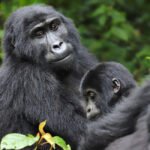
This encounter may include watching silverbacks interact with other family members, observing gorillas feed on vegetation, or seeing young gorillas move through the forest. Although each encounter is different because mountain gorillas are wild animals, the opportunity to spend time near them in their natural environment is what makes gorilla trekking so special.
The number of permits issued each day is restricted, with a maximum of eight tourists normally visiting a habituated gorilla family during a standard trekking session. This restriction helps reduce human pressure on the gorillas, limits the duration of contact, and supports responsible conservation management. Uganda Wildlife Authority determines the number of available trekking opportunities according to approved habituated gorilla families and operational conditions.
Importantly, a gorilla trekking permit is not the same as a complete gorilla safari package. The permit provides access to the authorized trekking activity, whereas a safari package may include transportation, accommodation, meals, guiding services, and other attractions. Travelers should understand this distinction when reviewing quotations because a package advertised as a gorilla trekking safari may include the permit, exclude it, or present it as a separate charge.
How Far in Advance Should You Book a Gorilla Trekking Permit?
For most international travelers, booking a Uganda gorilla trekking permit approximately three to six months before the intended trekking date is a sensible starting point. Nevertheless, booking six to twelve months in advance can be advantageous during especially busy travel periods, for larger groups, or when specific trekking sectors and luxury lodges are important to the itinerary.
Travelers visiting during quieter months may sometimes secure permits with considerably less notice, but availability should never be assumed. Gorilla permits are limited conservation products rather than unlimited entrance tickets, so a preferred date can sell out regardless of the month.
Recommended gorilla permit booking timeline
|
Travel period |
Suggested advance booking |
| June–September | 6–12 months preferred |
| December–February | 4–8 months preferred |
| March | 2–4 months |
| April–May | 1–3 months, where available |
| October–November | 2–4 months |
| Large groups or habituation | 6–12 months preferred |
These are Lena Tours planning recommendations, not official booking deadlines or guarantees of permit availability. UWA’s published guidelines allow advance booking for trekking dates within a one-year window, subject to current booking rules.
The June-to-September season is generally one of the most popular periods for Uganda gorilla trekking because it overlaps with relatively drier conditions across southwestern Uganda and the main international summer holiday period. Travelers from Europe, North America, and other international markets frequently choose these months for longer African safaris. As a result, demand for gorilla permits, experienced safari guides, well-located lodges, and reliable private vehicles can increase substantially.
December, January, and February also attract considerable interest, particularly from travelers planning Christmas holidays, New Year holidays, and winter escapes from colder countries. Even when permits remain available for certain dates, preferred accommodation categories may become limited, especially around Christmas and New Year. Booking early helps travelers coordinate their trekking dates with the overall itinerary rather than having to rearrange a carefully planned holiday.
April, May, and November are generally quieter tourism months, partly because rainfall can make forest trails more challenging. These periods may offer greater flexibility, although there is no guarantee that permits will remain available until the final weeks before travel. Travelers with limited vacation days, restricted flight schedules, or strong accommodation preferences should still reserve well in advance.
For honeymooners, photographers, families, private safari groups, and visitors traveling with particular mobility considerations, earlier booking also allows sufficient time to organize suitable accommodation, discuss trekking requirements, and arrange any necessary support.
Why Is It Important to Book Gorilla Permits Early?
Early booking provides several advantages that go beyond obtaining permission to enter the forest. First, it improves the possibility of securing a preferred trekking date, especially when the safari schedule includes international flights, additional wildlife parks, or fixed holiday periods. Gorilla trekking frequently forms the highlight of a Uganda itinerary, so securing the permit early helps establish the dates around which other activities can be organized.
Second, it supports more convenient accommodation planning. Bwindi Impenetrable National Park has multiple trekking sectors, and lodges are distributed across different areas of the forest. A lodge that appears close to Bwindi on a map may still be several hours away from another trekking sector by road. Booking permits first allows travelers to choose accommodation near the correct briefing location, reducing the risk of unnecessarily long morning transfers.
Third, reserving early provides additional time to compare suitable safari packages. Travelers can consider budget, midrange, and luxury accommodation options rather than selecting whatever remains available after popular lodges have filled their rooms. This flexibility can be especially valuable for couples celebrating a special occasion or groups requiring several rooms in the same property.
Furthermore, early planning creates enough time to organize transport between Entebbe, Kampala, Kigali, Bwindi, and other safari destinations. Uganda’s southwestern highlands are beautiful, but some roads involve winding mountain sections and extended driving distances. A carefully planned itinerary allows visitors to enjoy the scenery rather than spending too much time rushing between destinations.
Finally, early booking encourages travelers to review important documentation, travel insurance, payment arrangements, and health preparations without unnecessary pressure. Gorilla trekking is a significant investment, and making decisions carefully helps protect the overall travel experience.
At Lena Tours, we encourage visitors to begin exploring permit availability as soon as they have selected an approximate travel period, even when their final safari itinerary has not yet been completed.
Where Can You Book Gorilla Trekking Permits in Uganda?
Uganda offers mountain gorilla trekking in two national parks located in the southwestern part of the country. Although the wildlife experience is similar in its central purpose, each destination has its own landscape, accessibility, and tourism characteristics.
Bwindi Impenetrable National Park


Bwindi Impenetrable National Park is the country’s best-known mountain gorilla trekking destination and one of the most important conservation areas in East Africa. Recognized as a UNESCO World Heritage Site, the park protects a spectacular landscape of ancient rainforest, steep hillsides, deep valleys, and exceptional biodiversity. Its mountain gorillas form a major attraction for visitors who want to experience wildlife in a natural setting rather than observing animals in captivity.
Bwindi is divided into four major trekking sectors: Buhoma, Ruhija, Rushaga, and Nkuringo. Each sector has different access roads, accommodation choices, landscapes, and habituated gorilla families available for tourism. Although the permit price is generally based on visitor category rather than the trekking sector, availability may differ considerably from one area to another.
Buhoma, situated in the northern section of Bwindi, is among the most established gorilla trekking destinations. It has a range of accommodation options and is particularly convenient for itineraries approaching from the Ishasha sector of Queen Elizabeth National Park. Ruhija lies in the eastern highlands and is known for its scenic forest landscapes and excellent birdwatching opportunities. Rushaga, in the southern section, provides several gorilla trekking opportunities and is also the established location for the Gorilla Habituation Experience. Nkuringo, also in southern Bwindi, is admired for its dramatic mountain scenery, forest views, and rewarding hiking experiences.
Choosing the appropriate sector is essential when booking a permit. Travelers should not assume that a permit for Buhoma can automatically be used in Rushaga or that accommodation in Nkuringo will be convenient for an early morning briefing in Ruhija. Uganda Wildlife Authority allocates bookings according to approved trekking locations, and adjustments depend on the applicable rules and available spaces.
For visitors who want to combine gorilla trekking with other safari activities, Bwindi provides excellent access to Lake Bunyonyi, Queen Elizabeth National Park, cultural encounters, scenic highland drives, and selected walking experiences.
Mgahinga Gorilla National Park


Mgahinga Gorilla National Park offers another remarkable opportunity to encounter mountain gorillas in Uganda. Located near the borders with Rwanda and the Democratic Republic of Congo, this protected area forms part of the greater Virunga mountain landscape. Its environment differs from Bwindi, with dramatic volcanic peaks, bamboo vegetation, montane forests, and beautiful high-altitude scenery.
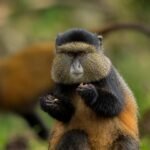
Mgahinga is particularly attractive to visitors interested in combining gorilla trekking with golden monkey tracking. The park is one of Uganda’s most distinctive primate destinations because it protects both mountain gorillas and the endangered golden monkeys found in the Virunga region. Travelers can therefore enjoy two different primate experiences during the same journey, provided that suitable permits and scheduling are arranged.
Compared with Bwindi, Mgahinga has fewer routine gorilla trekking places, making early planning especially useful for travelers who specifically want to explore this park. The smaller daily availability means that a date may become fully booked even when places remain available in some Bwindi sectors.
Mgahinga is accessible from the Kisoro area, while travelers arriving through Kigali in Rwanda may also consider a cross-border itinerary, subject to the necessary immigration requirements and travel arrangements. Its volcanic setting makes it especially appealing for visitors interested in nature photography, mountain scenery, hiking, and less conventional Uganda safari experiences.
The choice between Bwindi and Mgahinga should depend on permit availability, itinerary direction, accommodation preferences, and personal interests rather than assuming that one park always provides a better encounter than the other.
How to Book a Gorilla Trekking Permit in Uganda: Step-by-Step Guide
Booking a gorilla trekking permit requires a coordinated process to ensure that the correct visitor details, trekking dates, fees, and location are registered. For international travelers, using an appropriately licensed Uganda safari operator is generally the most convenient approach because the operator can coordinate the official reservation with the wider journey.
Step 1: Decide When You Want to Visit Uganda
The first stage involves identifying your preferred travel month and approximate trekking date. If possible, consider two or three alternative dates because flexibility can improve your chances of obtaining available permits.
Travelers planning their first Uganda safari often begin by selecting the season that best suits their interests. Those who prefer relatively drier hiking conditions may focus on June through September or December through February, while visitors interested in quieter tourism periods may consider other months.
However, Uganda’s tropical weather can be unpredictable, and rainfall is possible throughout the year. The best month for gorilla trekking depends on personal priorities, including trail conditions, budget, accommodation availability, and the possibility of combining gorilla trekking with other activities.
At Lena Tours, we encourage travelers to provide their intended arrival and departure dates before requesting a final quotation. This information allows the safari itinerary to be arranged in a realistic manner, taking driving distances and suitable overnight stops into account.
Step 2: Choose Your Preferred Gorilla Trekking Destination
After identifying travel dates, the next decision concerns the preferred trekking location. Bwindi and Mgahinga both offer exciting mountain gorilla encounters, but their accommodation locations and travel arrangements differ.
Visitors planning to continue from Queen Elizabeth National Park may find certain Bwindi sectors more convenient, while travelers entering Uganda through the Kisoro region may prefer southern Bwindi or Mgahinga. People interested in golden monkey tracking may also benefit from choosing an itinerary that includes Mgahinga.
The choice should account for the available gorilla permits before accommodation is confirmed. For example, a traveler may initially prefer Buhoma but discover that Rushaga has availability on the requested date. Rather than canceling the safari, the itinerary can often be adjusted to reflect the alternative sector.
Because trekking conditions and gorilla locations vary naturally, no sector can guarantee a particular trekking duration, specific gorilla family, or exact photographic opportunity.
Step 3: Contact Lena Tours to Check Gorilla Permit Availability
Once you have selected your proposed travel dates and trekking destination, the next stage is to request confirmation of permit availability. This is especially important because the availability shown during preliminary planning may change before payment is completed.
Lena Tours can help coordinate an availability inquiry through the appropriate booking process and explain which dates or sectors may fit your itinerary. When your first-choice date is not available, alternative dates or locations can be considered before the rest of your safari is finalized.
Travelers should provide accurate information about the number of people trekking, their nationalities, their preferred travel dates, and any relevant residency status. These details help determine the appropriate visitor categories and identify the number of permits required.
A group of four travelers, for example, must obtain four individual permits, preferably for the same date and suitable location. Although booking together improves coordination, visitors should understand that assignments to particular gorilla families are managed by park authorities rather than guaranteed simply by booking through the same safari company.
Step 4: Provide Your Personal Details and Passport Information
Official gorilla permit bookings require identification information that must correspond with the documents presented for verification. Travelers should therefore supply their names exactly as they appear in their passports, together with the required identification and visitor-category details.
Providing incorrect passport numbers, incomplete names, or inaccurate nationality information can create complications during booking or permit validation. Visitors claiming eligibility for resident or regional rates may also need to provide supporting documentation confirming their status.
Travelers should check the validity of their passports before submitting the details and report any subsequent passport changes to the responsible booking operator well before the trekking date. Where changes are necessary, the applicable Uganda Wildlife Authority procedures must be followed.
The minimum age for standard gorilla trekking in Uganda is 15 years. Families planning to travel with children should confirm eligibility before purchasing permits or arranging their holiday around the trekking activity. Families with younger children may explore alternative activities and suitable childcare arrangements during the adults’ gorilla trekking experience.
Step 5: Receive the Official Permit Quotation and Booking Instructions
After the relevant availability and visitor categories have been confirmed, the next stage involves reviewing the applicable permit fees and payment requirements. The operator should clearly distinguish between the official gorilla permit cost and any separate charges for transportation, accommodation, guiding, additional experiences, or administrative services.
Travelers booking through a safari company should request a transparent quotation identifying the gorilla trekking date, destination, number of permits, visitor category, and amount payable. Before the booking is finalized, all personal details should be checked carefully to avoid unnecessary changes.
Uganda Wildlife Authority has issued a public advisory requiring proper booking procedures and official invoicing for permit purchases. Its guidance specifically warns travelers against sending funds through unauthorized payment channels and emphasizes the importance of verified reservations.
This stage is also an opportunity to clarify cancellation policies, date-change restrictions, and the circumstances under which a permit may be rescheduled. These policies can affect a traveler’s financial commitment and should be understood before payment.
Step 6: Pay for the Gorilla Trekking Permit
A gorilla trekking reservation should not be treated as guaranteed merely because an operator has checked availability or sent a quotation. The permit must be secured according to the current Uganda Wildlife Authority payment and issuance requirements.
UWA’s published 2024 guidelines described a seven-day unpaid reservation arrangement, but subsequent 2026 tariff communications reported the suspension of that holding period from March 2026. Consequently, travelers should work on the basis that prompt full payment may be required to secure a permit, rather than relying on an unpaid reservation lasting several days. The applicable policy should be reconfirmed at the time of booking.
When reserving through Lena Tours, travelers should receive clear instructions regarding the payment arrangements for their safari and the point at which the official trekking permit will be purchased.
International visitors should use verified payment channels and be cautious of unfamiliar individuals offering unofficial gorilla permits through social media accounts, personal bank details, or unusually discounted transactions.
Step 7: Obtain Your Gorilla Permit Confirmation
After payment has been processed and the official booking completed, travelers should request written confirmation containing the information necessary to identify their gorilla trekking reservation.
The confirmation should correspond with the agreed trekking date, destination, visitor details, and number of permits purchased. Travelers should review the document carefully and inform their safari operator immediately if any information appears incorrect.
It is advisable to retain an electronic copy of the confirmation alongside travel documents and have the necessary identification available on trekking day. The safari operator may coordinate document presentation, but each visitor remains responsible for carrying valid travel identification.
A genuine permit confirmation provides greater certainty for arranging flights, accommodation, and additional activities. However, it does not guarantee the location of gorillas on the trekking day or eliminate the possibility of operational adjustments by park authorities.
Step 8: Confirm Your Safari Accommodation and Transportation
After the gorilla permit has been secured, the remaining safari arrangements can be finalized around the confirmed trekking date and sector.
Choosing accommodation near the appropriate trekking briefing point is particularly important because gorilla tracking generally begins early in the morning. Visitors staying too far from the correct location may face a long and tiring drive before the trek even starts.
Lena Tours can organize accommodation according to budget, midrange, or luxury preferences while coordinating a suitable safari vehicle and experienced driver-guide. Where necessary, the itinerary may also include additional overnight stops to reduce excessive travel on the day before gorilla trekking.
The resulting travel plan should provide sufficient time for visitors to rest, prepare their trekking equipment, and reach the park briefing point comfortably.
How Much Does a Gorilla Trekking Permit Cost in Uganda?
The cost of a gorilla trekking permit depends on the visitor’s nationality or residency category, the type of experience selected, and the official tariff applying to the trekking date.
Uganda Wildlife Authority’s published baseline tariff includes different prices for foreign non-residents, foreign residents, travelers qualifying under the Rest of Africa category, and East African Community citizens.
Uganda gorilla trekking permit prices
|
Visitor category |
Published standard rate |
| Foreign non-resident | US$800 |
| Foreign resident | US$700 |
| Rest of Africa | US$500 |
| East African Community citizen | UGX 300,000 |
Per person, per standard trek. These are published baseline rates referenced in the UWA tariff and subsequent announcements, not a live quotation. Because tariff documents span different effective periods, confirm the rate applicable to your precise trekking date with UWA before payment.
Foreign non-residents include most international holidaymakers who do not qualify for a resident or regional permit category. For a traveler from the United States, United Kingdom, Germany, Australia, Canada, or another country outside the specified regional eligibility categories, the foreign non-resident rate will generally apply.
Foreign residents may qualify for a different permit rate when they have valid documentation proving their status under the relevant Uganda Wildlife Authority rules. Travelers should not assume that staying in Uganda for several weeks, owning property, or having relatives in the country automatically qualifies them for a resident permit. Eligibility depends on recognized documentation and the official rules in force.
Regional categories also require careful interpretation. A traveler holding an African passport may qualify for a different category from a visitor arriving from outside Africa, but the precise price depends on the recognized category and supporting documents. East African Community citizens should similarly confirm the eligible countries and documentation requirements before making a payment.
Are There Discounted Gorilla Permits During the Low Season?
Uganda introduced a discounted low-season gorilla trekking permit arrangement for April, May, and November under its 2026 tariff changes. The published discounted foreign non-resident figure is US$600, compared with the standard baseline of US$800, representing a potential saving of US$200 per person.
A corresponding US$500 low-season price has been reported for the qualifying foreign-resident category. However, these discounts should not be extended automatically to every nationality or residency category, and the applicable rates must be confirmed for the exact trekking date.
Importantly, the 2026 changes identify restrictions on rescheduling discounted low-season permits. Travelers should therefore treat these bookings as date-sensitive and establish their flight and holiday plans carefully before committing.
The lower price can make gorilla trekking more accessible to visitors who have flexible travel arrangements. A couple purchasing two qualifying discounted permits could potentially save US$400 on permit fees compared with the baseline foreign non-resident price. Nevertheless, cheaper permits do not automatically mean that the total safari will be inexpensive, since accommodation, transport, flights, insurance, and other activities remain separate expenses.
What Does the Gorilla Trekking Permit Price Include?
The Uganda gorilla trekking permit generally covers the authorized trekking activity, including the relevant park access for trekking, official ranger and tracker services, and the regulated observation period with a habituated mountain gorilla family.
It supports the conservation systems that make these wildlife encounters possible, including monitoring, protection, and park management. The permit is therefore more than an entrance fee; it forms part of the framework supporting long-term protection of endangered wildlife.
However, the permit does not ordinarily cover every expense associated with a complete gorilla safari. Visitors must account for accommodation before and after trekking, transportation to the national park, any domestic flights, personal travel insurance, porter services, gratuities, and additional activities outside the permit’s coverage.
Meals, drinks, laundry, personal shopping, and airport transfers may also be excluded unless they are specifically included in the chosen safari package.
When evaluating a safari quotation, travelers should ask whether the total price includes the official permit. A seemingly inexpensive package may become considerably more expensive once the gorilla permit and transportation costs are added.
Gorilla Trekking Permit Versus Gorilla Habituation Permit

Standard gorilla trekking
Up to one hour observing a habituated gorilla family after locating it.

Gorilla Habituation Experience
Up to four hours with a gorilla group undergoing habituation, subject to conservation procedures.
Although the two experiences involve mountain gorillas, standard gorilla trekking and gorilla habituation are different tourism activities requiring different permits.
Standard gorilla trekking involves a guided search for a family that has already become accustomed to controlled human presence. Once the family has been located and the ranger gives permission, visitors may observe its behavior for up to one hour. This is the option selected by most tourists visiting Uganda for the first time.
The Gorilla Habituation Experience is designed for visitors interested in spending a longer period observing gorillas that are still undergoing the gradual process of becoming accustomed to human presence. The activity is associated with the Rushaga area of Bwindi Impenetrable National Park and allows an observation period of up to four hours once the gorillas are located.
A habituation experience typically involves fewer tourists than a standard trek, with a maximum of four visitors per participating gorilla family. Its smaller group size and longer observation period are particularly attractive to wildlife photographers, naturalists, and travelers seeking a deeper understanding of gorilla behavior.
However, habituation is not necessarily easier than standard gorilla trekking. The animals may move extensively through the forest, and reaching them can involve challenging terrain. A longer period in the habitat also means visitors should prepare for a full day of outdoor activity.
The habituation permit is considerably more expensive than a standard trekking permit. Under Uganda’s announced tariff adjustments, the foreign non-resident habituation rate rises to US$1,800 from 1 January 2027, while rates for other categories differ. Travelers considering this experience should verify the amount applicable to their specific dates before confirming their safari.
Because habituation permits are more limited, Lena Tours recommends checking their availability as early as possible, preferably six months or more before travel when a particular date is essential.
Best Time of Year to Book Gorilla Trekking in Uganda
The best time for gorilla trekking in Uganda depends on what travelers expect from their safari. Some visitors prioritize relatively dry conditions, while others value quieter trails, greener photography settings, or opportunities to reduce travel costs. Mountain gorillas remain in their forest habitat throughout the year, meaning gorilla trekking is not a seasonal migration experience. It is possible to organize a trek in different months, provided permits are available and the park is operating normally.
Understanding Uganda’s seasonal patterns helps travelers make informed decisions, particularly because gorilla trekking takes place on natural forest trails where weather can influence walking conditions. Southwestern Uganda experiences changing rainfall patterns, and conditions can differ between valleys, hillsides, and higher-altitude forests. Even during months commonly described as dry, sudden rain showers can occur.
Gorilla Trekking During June, July, August, and September
June through September is one of the most popular periods for international travelers visiting Uganda. These months generally coincide with relatively drier weather across much of the country’s southwestern tourism circuit, creating favorable conditions for road transfers, wildlife safaris, and mountain gorilla trekking.
While Bwindi remains a humid rainforest throughout the year, trails may be less muddy during extended dry periods. This can make walking more comfortable, particularly on steep sections where visitors need good footing. However, travelers should still carry appropriate rain protection because mountain weather may change quickly.
The popularity of this season creates additional competition for gorilla permits, especially in sectors with well-established accommodation and popular trekking access points. Visitors traveling with school holiday schedules or fixed international flight bookings should therefore make arrangements early.
For a safari planned in July or August 2027, beginning the permit inquiry during the second half of 2026 is a practical approach. Although permits may still be available closer to departure, checking early provides more flexibility to choose the trekking date and match it with suitable accommodation.
These months also provide excellent opportunities to combine Bwindi with Queen Elizabeth National Park, Murchison Falls National Park, Kibale National Park, and Lake Mburo National Park. Travelers planning a longer wildlife safari should consider the driving distances involved and allow sufficient time at each destination.
Gorilla Trekking During December, January, and February
December through February is another attractive period for Uganda gorilla trekking. Many international visitors choose these months to escape winter conditions in their home countries, enjoy Christmas holidays, or begin the year with an African adventure.
Relatively drier intervals can make some forest walks more manageable, although mist, wet vegetation, and occasional rainfall remain part of the rainforest experience. The landscape often provides excellent photographic opportunities as sunlight moves through the forest canopy and illuminates patches of dense vegetation.
December is particularly popular because of the Christmas and New Year holidays. Travelers who want to spend the festive season in Uganda should plan their bookings several months ahead, especially when their itinerary includes luxury accommodation or multiple gorilla permits.
January and February may provide more flexibility than the busiest holiday weeks, but preferred dates can still become fully booked. Therefore, travelers should avoid assuming that the end of the Christmas holiday period automatically guarantees easy permit availability.
For couples planning a romantic safari, these months may combine beautifully with stays overlooking Lake Bunyonyi, luxury lodges near Bwindi, and wildlife viewing in Queen Elizabeth National Park. A thoughtful itinerary can balance physically active gorilla trekking with comfortable accommodation and relaxing experiences.
Gorilla Trekking During March, April, and May
March through May generally includes one of Uganda’s wetter seasonal periods, although the timing and intensity of rainfall vary. Visitors may encounter muddy trails, slippery slopes, and increased vegetation growth in Bwindi and Mgahinga.
Nevertheless, the rainy season has several advantages. The forest becomes exceptionally lush, mist often settles across the hills, and the atmosphere can feel particularly dramatic. For travelers interested in rainforest photography, these conditions can create beautiful scenes that differ from those experienced during comparatively dry months.
Tourism demand may also be lower, allowing visitors to explore accommodation options that are sometimes more difficult to secure during peak periods. Where officially available, discounted gorilla permits during April and May may further reduce the cost of the experience.
However, visitors should not confuse lower tourism demand with an easier trek. Wet ground can increase the physical effort required, and appropriate hiking boots, rain jackets, walking sticks, and porter assistance may become especially valuable.
At Lena Tours, we help travelers considering these months understand the practical differences between wet-season and dry-season trekking. Planning an additional night near the park may also be worthwhile for visitors who prefer a more relaxed journey.
Gorilla Trekking During October and November
October and November are often attractive to travelers seeking green landscapes and a different seasonal atmosphere. Rainfall can be significant, but the forests remain beautiful and active, with rich vegetation, interesting birdlife, and opportunities for atmospheric wildlife photography.
November is included in Uganda’s announced low-season gorilla permit discount periods, making it a potentially attractive month for budget-conscious visitors who qualify for the offer. However, discounted permits may have stricter date-change conditions, so travelers should only make a commitment after their itinerary has been reviewed carefully.
October can also provide suitable trekking opportunities, although travelers should prepare for changing weather and potentially muddy terrain. By choosing suitable accommodation and allowing reasonable transfer times, visitors can still enjoy an excellent gorilla trekking adventure.
For people planning longer Uganda safaris, October and November can also be combined with chimpanzee tracking in Kibale or Kalinzu Forest, boat safaris in Queen Elizabeth National Park, and relaxing stays near Lake Bunyonyi.
Which Gorilla Trekking Sector Should You Choose in Bwindi?
Choosing the right Bwindi trekking sector is one of the most important decisions when planning a gorilla trekking safari. Although all four sectors provide access to the same species of mountain gorilla, they differ in location, access roads, topography, accommodation, and permit availability.
Buhoma Sector: Established Gorilla Trekking and Convenient Safari Connections

Buhoma is located in the northern section of Bwindi Impenetrable National Park and is among Uganda’s most established gorilla trekking destinations. The sector has welcomed international gorilla trekking visitors for decades and is widely recognized for its accommodation options, forest scenery, and established tourism services.
One of Buhoma’s advantages is its relationship with the southern Ishasha sector of Queen Elizabeth National Park. Visitors following a safari route from Queen Elizabeth toward Bwindi may find Buhoma a convenient choice, depending on road conditions, the selected accommodation, and the direction of travel.
Buhoma offers a variety of lodging options, ranging from comfortable midrange properties to highly regarded luxury forest lodges. Travelers can enjoy beautiful views over the rainforest, birdwatching opportunities, and selected community activities before or after their gorilla trekking experience.
However, its popularity means permits for particular travel dates may be requested well in advance. Visitors specifically interested in trekking from Buhoma should identify their preferred date early instead of expecting unrestricted last-minute availability.
Ruhija Sector: Scenic Highlands and Excellent Birdwatching

Ruhija lies in the eastern section of Bwindi and is particularly appealing to visitors who appreciate mountain landscapes, quiet forest environments, and birdwatching. Its higher-altitude setting often creates cool temperatures, misty mornings, and impressive views across the forested hills.
Travelers visiting Ruhija may enjoy additional opportunities to look for Albertine Rift bird species, making the sector appealing for wildlife enthusiasts who want more than a single primate encounter. The surrounding scenery also adds considerable interest to road transfers and forest walks.
Gorilla trekking here can involve steep terrain, but it is important to recognize that trekking difficulty varies according to the location of the assigned gorilla family on the day. A family that was relatively close to the briefing point during one visit may move farther away before the following day’s trek.
Accommodation in Ruhija should be selected with the correct briefing location in mind. Visitors staying in distant Bwindi sectors may face difficult early morning transfers, particularly when mountain roads are wet.
For travelers combining gorilla trekking with Queen Elizabeth National Park, birdwatching, and scenic highland exploration, Ruhija may fit well into a carefully organized itinerary.
Rushaga Sector: Multiple Gorilla Trekking Opportunities and Habituation

Rushaga is situated in southern Bwindi Impenetrable National Park and is one of the most important sectors for gorilla tourism. The area is known for its forested hills, dramatic scenery, and several habituated gorilla families available under approved trekking arrangements.
Because Rushaga has multiple trekking opportunities, it may provide useful alternatives when a visitor’s first-choice sector is unavailable. Nevertheless, travelers should not assume that permits will always remain available, particularly during busy tourism periods.
Rushaga is especially important because it is the established location for Uganda’s Gorilla Habituation Experience. Visitors seeking a longer observation period with a gorilla group undergoing habituation should plan their itinerary around the appropriate Rushaga permit rather than purchasing a standard trekking permit elsewhere.
The surrounding region also offers opportunities to combine gorilla trekking with visits to Lake Bunyonyi, scenic highland exploration, and other cultural or nature-based activities. Accommodation ranges from more affordable options to comfortable lodges suited to private safaris.
Travelers considering Rushaga should plan arrival at least the day before trekking whenever possible. This reduces pressure on the morning of the activity and creates time to review equipment, rest, and prepare for the forest walk.
Nkuringo Sector: Mountain Views and Adventurous Forest Experiences

Nkuringo is located in the southern part of Bwindi and is particularly celebrated for its spectacular highland scenery. Visitors staying in this region can enjoy views across steep forested valleys and, in suitable conditions, toward the Virunga mountains.
This sector is often attractive to travelers who enjoy active holidays, mountain photography, walking experiences, and tranquil surroundings. The landscape can be dramatic, although the terrain may also be demanding depending on the route and the gorillas’ location.
For visitors interested in hiking, Nkuringo can be combined with selected guided walks and forest experiences, subject to park regulations and operational availability. The area also has appealing accommodation options for travelers seeking comfort, scenic settings, and a peaceful atmosphere.
Because of the mountainous environment, travelers should choose their lodge carefully and allow adequate time to reach the designated briefing point. A properly organized itinerary is particularly valuable for guests arriving from distant destinations or continuing toward other national parks.
Comparing the Four Bwindi Gorilla Trekking Sectors
|
Trekking sector |
Location |
Main planning advantage |
|---|---|---|
|
Buhoma |
Northern Bwindi |
Established lodges and Ishasha safari connections |
|
Ruhija |
Eastern Bwindi |
Highland scenery and birdwatching |
|
Rushaga |
Southern Bwindi |
Multiple trekking opportunities and habituation |
|
Nkuringo |
Southern Bwindi |
Dramatic mountains and scenic walking experiences |
No Bwindi sector guarantees an easier trek, a particular gorilla family, or a specific wildlife encounter. Choosing a sector should therefore involve a balance of permit availability, travel logistics, visitor preferences, and suitable accommodation.
Can You Book a Last-Minute Gorilla Trekking Permit in Uganda?
Last-minute gorilla trekking permits may sometimes be available, but they should be considered an opportunity rather than a dependable travel strategy. Availability can change when other travelers cancel, alter their plans, or choose alternative trekking dates. However, a cancellation does not automatically mean that a permit will become available to every interested visitor.
Travelers planning a last-minute gorilla safari should remain flexible about dates, trekking sectors, accommodation categories, and possibly the overall itinerary. A visitor who is willing to trek in either Bwindi or Mgahinga may have more options than someone insisting on one specific sector on a particular day.
For example, a traveler arriving in Uganda in November may initially request gorilla trekking on a Saturday in Buhoma. If that date is unavailable, moving the activity to a weekday or considering Rushaga could create another possible arrangement. The alternative must still be verified through the official booking process.
Last-minute travelers must also consider transportation. Bwindi and Mgahinga are far from Entebbe and Kampala, meaning that obtaining a permit for the following day is not necessarily practical unless the visitor is already in southwestern Uganda or can arrange suitable onward transport.
Accommodation availability presents another challenge. Even if a trekking permit is available, the preferred lodge may be fully booked, requiring an alternative property or a revised travel plan.
Visitors considering short-notice trips should contact a licensed operator before making non-refundable flight or accommodation arrangements. At Lena Tours, we recommend confirming the permit and realistic travel logistics together to avoid situations where a visitor has paid for accommodation but cannot participate in the intended trekking activity.
What Happens When Gorilla Permits Are Sold Out?
Discovering that the preferred trekking date is fully booked can be disappointing, especially when travelers have already imagined the highlight of their safari. However, an unavailable permit does not always mean that the entire Uganda itinerary must be canceled.
One of the first alternatives is to consider another trekking date within the same travel period. If the safari lasts several days, adjusting the order of activities may make it possible to include gorilla trekking without changing international flight dates.
A second option involves checking different Bwindi sectors. Permit availability is associated with specific locations, so one sector may be fully booked while another still has places. This requires practical changes to accommodation and possibly the safari route, but it can preserve the overall experience.
Travelers may also consider Mgahinga Gorilla National Park, particularly when their itinerary includes Kisoro, golden monkey tracking, or a cross-border journey involving Rwanda.
For visitors who have not yet finalized flights, shifting the travel period by several weeks may create additional opportunities. This flexibility can be useful for travelers who initially wanted to trek during the busiest holiday dates.
Rwanda may provide another option for visitors whose priority is to see mountain gorillas during a fixed travel window, although its permit pricing and booking arrangements differ significantly from Uganda’s. The alternative should be reviewed in the context of the complete safari cost rather than the permit price alone.
Lena Tours encourages travelers to communicate their priorities clearly. Some guests prefer to preserve the original travel dates, while others would rather adjust the itinerary to secure the most suitable gorilla trekking arrangements.
Can You Book Gorilla Permits Directly Through Uganda Wildlife Authority?
The official booking channel depends on the visitor’s category. Uganda Wildlife Authority’s published purchase advisory states that gorilla and chimpanzee permits for foreign non-residents are sold through operators licensed by the Uganda Tourism Board. Foreign residents and eligible East African Community citizens may purchase qualifying permits directly from UWA under the conditions described in the advisory.
This distinction is important because online articles sometimes provide generalized instructions suggesting that every international traveler can independently purchase permits using exactly the same procedure. Travelers should instead follow the current official rules applicable to their nationality and residency status.
Direct applicants who qualify should use Uganda Wildlife Authority’s verified reservation channels and follow its invoicing and payment instructions. UWA also advises against paying for gorilla permits at national park gates, since the official transaction should be completed through authorized systems before the visit.
For many international visitors, booking through a licensed tour company has practical advantages. The operator can coordinate the permit reservation, confirm the correct trekking sector, organize transport, and ensure that accommodation corresponds with the actual starting location.
Travelers should verify the credentials of the operator they intend to use and request official documentation confirming the permit purchase. The importance of using authorized channels cannot be overstated because gorilla trekking involves substantial financial commitments and limited permit availability.
Why Book Your Gorilla Trekking Safari With Lena Tours?
Planning a gorilla trekking safari involves multiple arrangements that need to work together. The permit is central, but travelers also need reliable transport, conveniently located accommodation, a realistic itinerary, and sufficient time to enjoy the wider destination.
Lena Tours specializes in creating personalized Uganda safari experiences that can combine mountain gorilla trekking with wildlife viewing, chimpanzee tracking, birdwatching, cultural encounters, and scenic travel through Uganda’s diverse landscapes.
A traveler visiting Uganda for the first time may not be familiar with the distances between Entebbe and Bwindi or the differences between the four Bwindi trekking sectors. This lack of familiarity can result in unsuitable accommodation choices or unnecessary driving. Working with a Uganda-based safari operator helps bring local knowledge into the planning process.
Another advantage is the ability to coordinate a gorilla permit with a complete itinerary. For instance, travelers interested in the Big Five may combine gorilla trekking with Ziwa Rhino Sanctuary, Murchison Falls National Park, Queen Elizabeth National Park, and selected wildlife viewing destinations. Others may prefer a shorter primate-focused itinerary featuring gorillas in Bwindi and chimpanzees in Kibale.
Lena Tours can also develop different accommodation options according to personal preferences. Some guests are comfortable staying in simple lodges surrounded by forest scenery, while others prefer luxury properties with spacious rooms, personalized service, and panoramic views.
Private safari arrangements are particularly useful for couples, families, and small groups because the route can be tailored to their interests and available travel time. While the official gorilla trekking experience remains subject to Uganda Wildlife Authority regulations, the surrounding safari can be organized to provide comfort and flexibility.
For visitors planning a multi-day Uganda adventure, this approach makes the gorilla trekking experience part of a complete journey rather than an isolated excursion.
How to Avoid Gorilla Permit Booking Scams
Gorilla trekking is a highly desirable activity, and the substantial cost of official permits makes it important for travelers to verify booking arrangements carefully. Unfortunately, unfamiliar websites, misleading advertisements, and unauthorized individuals may sometimes create confusion for visitors who are planning their first African safari.
One common warning sign is an offer that appears dramatically cheaper than the official permit tariff without a clear explanation. While genuine promotional safari packages may include reduced accommodation prices or operator discounts on services, the official permit fee is established by the relevant conservation authority and should not be confused with a privately negotiated hotel rate.
Another concern involves payment requests through unverified personal accounts or unfamiliar social media profiles. Travelers should ensure that they are communicating with an identifiable business or the official wildlife authority and should request a proper invoice before transferring money.
A legitimate booking process should include a clear explanation of the trekking date, location, permit type, visitor category, and amount being charged. Travelers should also know whether the amount covers only the official permit or includes additional safari services.
Booking confirmations must be checked carefully. Visitors should verify that their names are correct and that the trekking date corresponds with the itinerary they intend to follow.
Furthermore, travelers should be cautious of promises guaranteeing a particular gorilla family, a specific silverback encounter, or unrestricted time with gorillas. Such claims do not reflect the controlled nature of responsible gorilla tourism.
The safest approach is to work with authorized booking channels, verify the identity of the service provider, understand the payment terms, and retain copies of all transaction documents.
Is a Gorilla Permit Refundable if You Cancel Your Safari?
Cancellation and rescheduling are important considerations because gorilla permits represent a significant financial commitment. Travelers should not assume that a permit can automatically be refunded in full or transferred to another date whenever personal circumstances change.
Uganda Wildlife Authority establishes conditions governing cancellations, refunds, and date changes. These conditions may depend on when the request is submitted, the circumstances involved, the permit type, and the rules applicable to the particular booking.
Under UWA’s published 2024 guidelines, rescheduling may be allowed within specified limits, subject to available slots and the relevant conditions. However, travelers should verify the latest policy rather than assuming that older rules continue unchanged. The announced 2026 low-season discount arrangements are particularly important because discounted permits have been described as non-reschedulable.
A traveler who needs to cancel because of illness, an airline disruption, a family emergency, or another unforeseen event should contact the booking operator immediately. Early communication may allow the operator to establish which official options remain available, although a favorable outcome cannot be guaranteed.
Comprehensive travel insurance is strongly recommended. Visitors should consider policies covering trip cancellation, medical emergencies, evacuation, and interruptions, while checking whether non-refundable wildlife permits are included. Insurance coverage varies, and not every policy automatically compensates travelers who decide to change their holiday plans.
Travelers should also review the cancellation terms attached to accommodation, domestic flights, and other services. These arrangements may follow different policies from the gorilla permit itself.
What Happens if You Become Sick Before Gorilla Trekking?
Mountain gorillas are genetically close to humans and can be vulnerable to diseases transmitted by people. Protecting their health is therefore a fundamental responsibility for everyone participating in gorilla tourism.
Visitors who develop symptoms of a potentially contagious illness, including fever, influenza-like symptoms, or significant respiratory symptoms, should inform their safari operator and the responsible park authorities before trekking. Rangers may refuse participation when a visitor’s condition presents a risk to the gorillas.
This restriction is not intended to inconvenience travelers. It helps protect vulnerable wildlife populations that cannot be exposed safely to unnecessary human infections.
People who feel unwell before their trekking date should avoid hiding their symptoms in an attempt to protect the money already spent on a permit. Instead, they should request guidance on the applicable procedures, possible alternatives, and whether any official refund or rescheduling provision may apply to their circumstances.
Visitors should also consider their own physical well-being. Gorilla trekking may involve several hours of hiking at altitude, navigating slippery ground and walking through dense forest. Attempting the activity while seriously unwell can increase the risk of injury or medical complications.
The best approach is to prepare for the journey, maintain appropriate personal health precautions, obtain suitable travel insurance, and communicate promptly whenever a medical concern arises.
Can You Transfer a Gorilla Permit to Another Person?
Travelers occasionally ask whether they can transfer a confirmed gorilla permit to another person when the original visitor can no longer travel. This question frequently arises in group safaris, family holidays, or situations where international flight plans change.
Because gorilla permits are linked to visitor identification and official booking records, travelers should never assume that a permit can simply be handed to a friend or family member without authorization.
Any proposed change of traveler details must be reviewed under the current Uganda Wildlife Authority booking rules. The process may require advance approval, supporting documentation, fees, or other conditions.
For group bookings, it is particularly important to ensure that the names submitted correspond with the people who will actually participate in trekking. Last-minute substitutions may be difficult or impossible if the correct administrative process has not been completed.
When a traveler knows that a member of the group may be unable to participate, the tour operator should be informed as early as possible. This allows the operator to request official guidance while there may still be time to consider an acceptable solution.
Can You Book Gorilla Trekking for a Group?
Group gorilla trekking safaris are popular among families, friends, professional associations, photography groups, and travelers celebrating special occasions. However, the permit booking process becomes more demanding as the number of participants increases.
Each eligible person must have an individual gorilla trekking permit. A group of six adults therefore needs six permits, while a group of ten adults requires ten permits. Since standard trekking groups generally have a maximum of eight visitors per habituated gorilla family, larger traveling parties may be divided into separate trekking groups even when they enter the same national park on the same day.
Park authorities manage assignments according to operational conditions and conservation requirements. As a result, travelers should not assume that booking together guarantees that every member of a large party will track the same gorilla family.
Group organizers should collect accurate passport information early and confirm that all participants meet the minimum age requirement. It is also helpful to discuss trekking expectations, general fitness, walking concerns, and the desired accommodation standard before making payments.
For large groups traveling during peak tourism months, early booking is particularly valuable because securing several permits on the same date can be more difficult than obtaining one or two individual permits.
A group of eight planning to trek in August, for example, should ideally begin the reservation process many months in advance. Travelers who need ten or more permits may benefit from even more preparation, particularly if they require several rooms at the same accommodation property.
Lena Tours can help organize coordinated group itineraries that include suitable transportation, multiple accommodation arrangements, and additional activities before or after gorilla trekking.
Can Older Travelers and People With Limited Mobility Go Gorilla Trekking?
Gorilla trekking is not exclusively for young or highly athletic travelers. Many people of different ages participate successfully, including visitors in their sixties, seventies, and beyond. What matters most is the individual’s health, physical capability, preparation, and the particular trekking conditions encountered on the day.
Nevertheless, visitors should understand that gorilla trekking is a genuine forest activity rather than a short walk along a paved tourist path. Trails may involve steep slopes, uneven ground, tangled vegetation, muddy sections, and changing weather. The distance required to locate a gorilla family can vary considerably because mountain gorillas move freely within their habitat.
Travelers with mobility concerns should discuss their requirements with Lena Tours before finalizing a permit. This enables sufficient time to consider suitable travel arrangements, accommodation locations, support services, and any available trekking assistance.
Porters may be hired to carry backpacks and provide practical support along challenging sections of the route. Their services can be valuable for a wide range of visitors, not only those who have difficulty hiking. Hiring a porter also provides an opportunity to support employment in communities surrounding the national parks.
In some circumstances, specialized carrying arrangements may be organized through approved local service providers, subject to availability, suitability, and the applicable park procedures. These arrangements should be discussed well in advance rather than assumed to be available on the trekking morning.
Visitors with significant medical conditions should seek advice from an appropriate healthcare professional before committing to strenuous activities at altitude. They should also communicate relevant practical requirements to the safari operator so that the proposed itinerary can be assessed realistically.
How Difficult Is Gorilla Trekking in Uganda?
The difficulty of gorilla trekking varies from day to day and even between groups trekking within the same sector. Some visitors may locate their assigned gorilla family after a relatively short walk, while others may spend several hours navigating steep terrain and dense vegetation.
Uganda Wildlife Authority describes gorilla tracking as an activity requiring moderate physical fitness, with the total experience sometimes lasting approximately two to seven hours. However, individual treks may differ, and visitors should prepare for a potentially longer day.
The terrain in Bwindi consists of forested mountains, valleys, narrow paths, and areas of thick undergrowth. Rain can make the ground slippery, especially on steep slopes. Walking at higher elevations can also feel more demanding for visitors who live near sea level.
Before trekking begins, visitors attend a briefing conducted by park personnel. The ranger team explains the regulations, safety procedures, and expected conditions. Where practical, visitors may communicate concerns about their walking ability, although the authorities retain responsibility for group assignments and cannot guarantee an easy route.
A reasonable level of preparation can improve the experience. Travelers may benefit from regular walking, hill training, suitable footwear, and developing confidence on uneven ground before departing for Uganda.
Carrying drinking water, a packed lunch or energy snacks, and appropriate rain protection can also make a considerable difference during the trek. Visitors should avoid carrying unnecessarily heavy bags, particularly when a porter is available to assist.
The physical effort is part of what makes the encounter memorable. Reaching a gorilla family after walking through a mountain rainforest can create an extraordinary sense of connection with the natural environment.
What Should You Pack for Gorilla Trekking?


Comfortable, waterproof hiking boots with reliable grip are among the most important items. The boots should already be broken in before the journey, since wearing new footwear for the first time on steep forest trails can cause discomfort or blisters.
Long trousers are recommended because they help protect the legs from branches, insects, and thick vegetation. A long-sleeved shirt provides similar protection for the arms, while lightweight, breathable fabrics can improve comfort during extended periods of walking.
A waterproof rain jacket is essential even during relatively dry months. Sudden rainfall is common in mountain rainforest environments, and getting wet early in the trek can make the remaining walking time uncomfortable.
Gardening gloves or suitable hiking gloves can also be helpful when holding vegetation for balance, although visitors should avoid grabbing unfamiliar plants without the ranger’s guidance.
A small daypack is useful for carrying drinking water, a packed lunch, rain protection, medication, and other personal essentials. Travelers should avoid overloading the bag, since additional weight can make uphill walking more difficult.
Photography equipment should be selected carefully. A camera with good low-light performance can be useful beneath the forest canopy, while a practical lens may help capture images without the need to move too close to the gorillas. Flash photography is prohibited, so photographers should understand their equipment before the trek begins.
Visitors may also wish to bring insect repellent, sunscreen for exposed sections of the route, a reusable water bottle, and a waterproof covering for electronic devices.
The overall goal is to remain comfortable, mobile, and prepared for changing conditions without carrying unnecessary luggage into the forest.
Gorilla Trekking Rules Every Visitor Should Understand
Gorilla trekking takes place under strict regulations intended to protect wildlife, visitors, and the fragile ecosystems where mountain gorillas live. These rules are essential because human presence must remain carefully controlled to minimize disturbance and disease transmission.
Before entering the forest, visitors receive instructions from Uganda Wildlife Authority rangers. Every participant should listen carefully and follow the guidance provided throughout the activity.
Important gorilla trekking regulations
-
Visitors must be at least 15 years old.
-
Standard gorilla trekking is limited to a maximum of eight tourists per gorilla family per day.
-
Once the gorillas are located, the normal observation period is limited to one hour.
-
Visitors must maintain the required safe distance from gorillas and follow ranger instructions.
-
Flash photography must not be used.
-
Travelers should not participate when suffering from potentially contagious illnesses.
-
Eating, drinking, smoking, or leaving litter near gorillas is not permitted.
-
Visitors must remain with their authorized ranger-guided group throughout the experience.
Although gorillas may occasionally approach tourists, visitors should never deliberately move closer, touch them, or attempt to attract their attention. The ranger will provide instructions if an animal approaches or changes its behavior.
Visitors should also remain calm and avoid sudden movements. Mountain gorillas are powerful wild animals, and their behavior must be respected even when they appear relaxed.
Responsible gorilla tourism depends on cooperation between conservation authorities, safari operators, local communities, and visitors. Following the regulations helps protect the animals while allowing future generations to enjoy this remarkable wildlife experience.
How Long Does the Gorilla Trekking Experience Last?
Many travelers are surprised to learn that gorilla trekking is not limited to the one-hour observation period. The full activity includes an early morning briefing, group organization, the journey into the forest, the search for the assigned gorilla family, the observation period, and the return walk.
The total duration can vary substantially depending on the gorillas’ location, trail conditions, visitor fitness, and other operational factors. Some groups may complete the experience relatively quickly, while others may spend much of the day in the forest.
Trackers often monitor gorilla movements and communicate with the guiding team to help locate the assigned family. However, the gorillas are wild animals that move through their habitat naturally, and their exact location cannot be guaranteed in advance.
Once the group reaches the gorillas, the official observation period begins. Visitors can enjoy watching natural behavior while maintaining the required distance and following ranger instructions.
The one-hour limit is particularly important because it reduces prolonged human contact and helps protect the animals from unnecessary stress. Visitors should therefore focus on the encounter rather than attempting to control how the gorillas behave.
After the observation period, the group returns along the appropriate route, which may differ from the outward path depending on the terrain and the gorillas’ location.
At Lena Tours, we recommend avoiding tightly scheduled afternoon activities immediately after gorilla trekking. A flexible itinerary allows guests to return to the lodge, rest, enjoy a meal, and reflect on the experience without feeling rushed.
How to Get to Bwindi Impenetrable National Park
Reaching Bwindi is an important part of organizing a gorilla trekking safari because the park lies in southwestern Uganda, several hours from the country’s main international arrival point at Entebbe.
Travelers have different transport options depending on their budget, available time, and preferred itinerary.
Traveling From Entebbe or Kampala by Road
Many visitors reach Bwindi through an extended road transfer from Entebbe or Kampala. Depending on the chosen trekking sector, road conditions, and stopping points, the journey commonly requires most of a day and may take approximately eight to eleven hours or longer.
Although the drive is substantial, it provides an opportunity to appreciate Uganda’s changing landscapes, rural communities, agricultural areas, and beautiful southwestern highlands.
A private safari vehicle offers flexibility for scheduled breaks, photography, meals, and scenic stops. Visitors may also combine the journey with other attractions, such as Lake Mburo National Park or Queen Elizabeth National Park, depending on the overall safari route.
For a comfortable short gorilla safari, travelers generally spend the night near Bwindi before their scheduled trek rather than attempting an exhausting same-day transfer from Entebbe.
Flying From Entebbe to Southwestern Uganda
Domestic flights offer a faster option for travelers who prefer to minimize long road transfers. Scheduled or chartered flights may operate between Entebbe and airstrips serving southwestern Uganda, including Kihihi and Kisoro.
Kihihi is particularly relevant to itineraries visiting northern Bwindi, while Kisoro can be convenient for southern Bwindi and Mgahinga, depending on the final trekking location.
However, the airstrip and the lodge are not necessarily close together. Travelers should still expect a road transfer after landing, and the duration depends on the chosen sector, road conditions, and accommodation location.
Domestic flight schedules, baggage allowances, and operating arrangements should be verified before booking. A flight that looks convenient on a map may not connect smoothly with a particular international arrival time or trekking date.
For travelers planning luxury gorilla trekking holidays, a fly-in safari can provide an attractive balance between comfort and the opportunity to enjoy Uganda’s landscapes.
Traveling From Kigali in Rwanda to Bwindi
Some international visitors choose to arrive through Kigali International Airport in Rwanda and travel overland to Uganda’s southwestern gorilla trekking destinations.
This arrangement can be convenient for certain southern Bwindi sectors and Mgahinga National Park because the journey from Kigali may be shorter than traveling by road from Entebbe.
However, a cross-border itinerary requires careful planning. Travelers must confirm the relevant visa or entry requirements, passport documentation, border operating arrangements, and appropriate vehicle permissions where applicable.
The actual journey time depends on the border crossing, traffic, road conditions, and final accommodation location. Consequently, visitors should avoid assuming that a Kigali arrival automatically allows them to trek gorillas on the same day.
Lena Tours can help structure a practical itinerary that accounts for the international flight arrival, border procedures, and the need to spend the night near the trekking destination before the activity.
How Much Does a Complete Gorilla Trekking Safari Cost?
The price of a complete gorilla trekking safari is determined by several factors beyond the official permit fee. Accommodation standards, group size, transportation method, travel duration, season, and additional activities can all influence the total cost.
A short budget-focused safari may use comfortable but relatively simple accommodation and shared costs among several guests. A luxury safari may involve exclusive forest lodges, private vehicles, domestic flights, premium meals, and additional personalized experiences.
Travelers should also consider whether they are visiting Uganda exclusively for gorilla trekking or combining the activity with a longer national park itinerary.
Illustrative permit budget for international visitors
|
Number of trekkers |
Standard permits at US$800 each |
| 1 traveler | US$800 |
| 2 travelers | US$1,600 |
| 4 travelers | US$3,200 |
| 6 travelers | US$4,800 |
| 8 travelers | US$6,400 |
Illustrative calculations using the published US$800 baseline foreign non-resident fee. These are permit-only totals, not complete safari prices. Confirm applicable tariffs before booking.
For example, two international travelers planning a three-day private gorilla safari would need two permits, transportation to and from Bwindi, accommodation for the required nights, meals, and any additional services included in the agreed itinerary.
Travelers on a longer safari may benefit from distributing transportation costs across several destinations. A seven-day journey combining chimpanzee tracking, Queen Elizabeth National Park, Bwindi, and Lake Bunyonyi can provide more variety, although the overall budget will naturally be higher than a short gorilla-only visit.
Group size also affects per-person costs because private vehicle expenses can be shared. A couple traveling privately will generally divide these fixed costs between two people, whereas a group of six may spread them across more participants.
The most useful approach is to request a detailed quotation that distinguishes the official permit cost from the other safari components. This makes it easier to compare different accommodation categories and understand which expenses are included.
Recommended Gorilla Trekking Safari Packages With Lena Tours
Uganda offers numerous opportunities to combine gorilla trekking with other wildlife and cultural activities. The best safari package depends on the time available, interests, travel style, and budget.
3 Days Bwindi Gorilla Trekking Safari

A three-day Bwindi gorilla trekking safari is one of the most popular options for travelers who want to experience mountain gorillas without spending several weeks in Uganda. The itinerary generally includes transportation to southwestern Uganda, an overnight stay near Bwindi, a full day devoted to gorilla trekking, and the return journey.
Day 1: Transfer to Bwindi Impenetrable National Park. The safari begins with pickup from Entebbe or Kampala, followed by a scenic journey through Uganda’s countryside and southwestern highlands. Depending on the route, travelers may stop for refreshments and photographs before continuing toward the selected Bwindi trekking sector. On arrival, guests check into their accommodation, enjoy dinner, and prepare for the next day’s adventure.
Day 2: Gorilla Trekking Experience in Bwindi. After an early breakfast, visitors transfer to the designated park briefing point, where rangers explain the trekking rules and organize groups. The guided walk then begins through the forest in search of the assigned gorilla family. Once the gorillas are located, guests spend up to one hour observing their behavior before returning to the lodge. The afternoon is generally reserved for relaxation, although optional activities may be arranged when time and energy permit.
Day 3: Return to Entebbe or Kampala. Following breakfast, the journey continues toward central Uganda, with scenic stops and breaks along the route. Guests are transferred to their agreed final destination. When international flights are involved, departure times should be planned carefully to avoid unrealistic connections after a long road journey.
This package is particularly suitable for couples, solo travelers, and small groups whose primary interest is gorilla trekking.
4 Days Gorilla Trekking and Lake Bunyonyi Safari

A four-day gorilla trekking and Lake Bunyonyi safari provides a more relaxed experience by combining an adventurous rainforest encounter with time beside one of Uganda’s most scenic lakes.
Day 1: Travel to Bwindi. Visitors depart from Kampala or Entebbe and journey toward southwestern Uganda, enjoying views of rural landscapes and highland scenery. The day concludes at accommodation near the confirmed trekking location.
Day 2: Gorilla Trekking in Bwindi. After the morning briefing, guests enter the rainforest with Uganda Wildlife Authority rangers and trackers. The trekking experience culminates in a remarkable encounter with a habituated mountain gorilla family. Following the trek, visitors return to their lodge for rest and dinner.
Day 3: Transfer to Lake Bunyonyi. After breakfast, the safari continues through the beautiful Kigezi highlands toward Lake Bunyonyi. The lake is known for its islands, surrounding terraced hills, and peaceful atmosphere. Depending on arrival time and interests, guests may enjoy a guided canoe or boat excursion, explore nearby viewpoints, or simply relax beside the water.
Day 4: Return to Kampala or Entebbe. Following breakfast and a final opportunity to appreciate the lake scenery, the journey continues toward central Uganda. The route may include scheduled refreshments and photography stops before arrival at the agreed destination.
This safari is ideal for visitors who want to balance the physical activity of gorilla trekking with relaxation and beautiful scenery.
5 Days Gorilla Trekking and Queen Elizabeth National Park

A five-day journey combining Queen Elizabeth National Park with Bwindi Impenetrable National Park introduces travelers to two very different wildlife environments. Queen Elizabeth features open savannah, wetlands, crater landscapes, and the Kazinga Channel, while Bwindi offers tropical rainforest and mountain gorillas.
Day 1: Transfer to Queen Elizabeth National Park. The safari begins with a journey from Entebbe or Kampala to Queen Elizabeth National Park. Depending on the travel schedule, visitors may enjoy scenic stops before arriving at their lodge. The evening provides an opportunity to relax and prepare for the next day’s activities.
Day 2: Game Drive and Kazinga Channel Boat Safari. An early morning game drive explores suitable wildlife viewing areas where elephants, buffaloes, Uganda kob, warthogs, and other species may be encountered. Later, a boat safari along the Kazinga Channel offers opportunities to observe hippos, crocodiles, waterbirds, and animals visiting the shoreline.
Day 3: Transfer to Bwindi Through Ishasha. After breakfast, the journey continues toward Bwindi, potentially passing through the Ishasha sector of Queen Elizabeth National Park. Ishasha is known for sightings of tree-climbing lions, although such encounters depend on wildlife movement and cannot be guaranteed. Guests reach their selected Bwindi accommodation in time to rest before gorilla trekking.
Day 4: Gorilla Trekking in Bwindi Impenetrable National Park. The morning begins with the official briefing, followed by the guided forest trek. Once the gorillas are found, visitors enjoy the permitted observation period before returning from the forest. The remainder of the day is reserved for relaxation, with optional community experiences where appropriate.
Day 5: Return to Entebbe or Kampala. After breakfast, guests begin the journey back toward central Uganda, enjoying the varied landscapes encountered along the route. The safari concludes with an agreed transfer to a hotel or airport, subject to realistic travel timing.
This itinerary is particularly attractive to visitors who want both savannah wildlife and mountain gorillas within a relatively short holiday.
7 Days Uganda Primate and Wildlife Safari

A seven-day Uganda primate and wildlife safari can combine chimpanzee tracking, Queen Elizabeth National Park, mountain gorillas, and the scenery of Lake Bunyonyi. The itinerary is suitable for travelers seeking more variety without committing to a much longer expedition.
Day 1: Arrival in Entebbe. A Lena Tours representative welcomes guests and arranges transfer to their hotel. Depending on arrival time, visitors may enjoy a relaxed evening or selected activities around Entebbe.
Day 2: Transfer to Kibale National Park. After breakfast, the journey continues toward western Uganda, passing through attractive countryside and highland landscapes. Guests arrive near Kibale National Park, where the afternoon may be spent relaxing or exploring suitable nearby attractions.
Day 3: Chimpanzee Tracking and Transfer Toward Queen Elizabeth National Park. Following the official morning briefing, travelers enter the forest with trained guides to search for habituated chimpanzees. After the activity, the safari continues toward Queen Elizabeth National Park, with the final program depending on the booked tracking session and travel conditions.
Day 4: Queen Elizabeth Wildlife Safari. An early morning game drive provides opportunities to observe Uganda’s savannah wildlife, while an afternoon boat excursion along the Kazinga Channel offers a different perspective on the park’s ecosystem.
Day 5: Transfer to Bwindi Impenetrable National Park. The safari continues southward, potentially through Ishasha, toward the confirmed Bwindi trekking sector. Guests settle into accommodation near the appropriate starting point and prepare for the following morning.
Day 6: Gorilla Trekking and Transfer to Lake Bunyonyi. After the morning gorilla trek, guests may continue to Lake Bunyonyi if the trekking duration, road conditions, and available daylight permit. Otherwise, the itinerary should include an overnight stay near Bwindi and adjust the following day’s arrangements.
Day 7: Return to Entebbe or Kampala. The final day involves a journey through southwestern and central Uganda toward the agreed drop-off destination.
This safari provides a rewarding introduction to Uganda’s primates, national parks, and landscapes. However, it involves several substantial road transfers, so a more leisurely eight- or nine-day version may be preferable for travelers who wish to spend additional time at each destination.
Combining Gorilla Trekking With Other Uganda Safari Experiences
Gorilla trekking is often the central attraction of a Uganda holiday, but the country offers many additional experiences that can enrich the journey. Rather than treating Bwindi as an isolated destination, travelers may design a route that introduces them to the country’s broader biodiversity, cultural heritage, and landscapes.
Chimpanzee tracking in Kibale National Park is a particularly rewarding addition. While gorillas often move in close family groups, chimpanzees have different social structures and behavior patterns, creating a contrasting primate experience. Combining the two activities allows visitors to appreciate the diversity of Uganda’s great apes.
Queen Elizabeth National Park provides opportunities for game drives and boat safaris. Its varied habitats support elephants, buffaloes, antelopes, hippos, crocodiles, and numerous bird species, while lions and leopards may be encountered during appropriately guided wildlife activities.
Lake Bunyonyi offers a peaceful alternative after the physical effort of trekking. Its islands, surrounding hills, and tranquil setting create an attractive place for photography, relaxation, and selected water-based activities.
Travelers with more time may continue toward Lake Mburo National Park, which is known for zebras, impalas, other antelopes, and walking safari opportunities. Murchison Falls National Park provides another contrasting landscape, combining the Nile River, waterfalls, savannah wildlife, and boat excursions.
Visitors particularly interested in primates may also consider golden monkey tracking in Mgahinga Gorilla National Park. This activity can be incorporated into certain southwestern Uganda itineraries, although a separate permit and suitable scheduling are necessary.
These combinations illustrate why securing the gorilla permit early is so important. Once the trekking date and location are confirmed, the other destinations can be arranged in a logical travel sequence.
Gorilla Permit Booking for 2027: What Should Travelers Know?
Travelers preparing for gorilla trekking in 2027 should pay particular attention to advance availability, official tariff changes, and the timing of major international travel periods. Since mountain gorilla tourism operates with daily visitor limits, popular dates can become fully booked regardless of how far in advance a visitor begins planning.
For travelers considering June through September 2027, beginning preparations during 2026 is advisable. This provides sufficient time to identify preferred trekking sectors, obtain permits, and secure accommodation that corresponds with the confirmed booking.
Visitors planning Christmas 2027 or New Year 2028 should also begin considering their arrangements early, particularly when they want to combine gorilla trekking with exclusive accommodation or private safari services.
Uganda’s announced tariff changes for 2027 include an increase in the foreign non-resident Gorilla Habituation Experience fee to US$1,800, while the published standard gorilla trekking baseline remains US$800. However, travelers should always request confirmation of the currently applicable UWA tariff and terms before making a financial commitment.
It is also important to distinguish between the timing of the permit booking and the safari departure date. A traveler who wants to trek in July 2027 may begin planning the journey in October or November 2026, even though the actual trekking experience is many months away.
For travelers with flexible schedules, discussing alternative dates during the planning stage may help reduce the possibility of missing preferred permits. Those with fixed international flights should consider the gorilla permit a priority rather than an arrangement left until the final stage of holiday preparation.
Common Mistakes to Avoid When Booking Gorilla Permits
One of the most frequent mistakes travelers make is booking international flights and accommodation before checking gorilla permit availability. Although this approach may seem convenient, it can create complications when the preferred trekking date is no longer available.
Another mistake involves choosing accommodation in the wrong Bwindi trekking sector. Travelers may assume that all lodges near Bwindi are within a short driving distance of every trekking starting point. In reality, the park’s mountainous geography means that travel between sectors can take considerable time.
Some visitors also underestimate the physical demands of gorilla trekking. While the experience is possible for many people with moderate fitness, forest conditions can be challenging. Preparing suitable footwear, clothing, and walking ability before departure improves comfort and reduces unnecessary difficulties.
Budgeting only for the gorilla permit is another common oversight. A permit does not generally include the complete cost of transportation, accommodation, meals, personal insurance, and other safari activities. Travelers should therefore consider the total holiday expenses rather than focusing exclusively on the permit fee.
Additionally, visitors sometimes assume that a temporary availability inquiry is equivalent to a confirmed reservation. Availability can change, and permits should only be considered secured once the appropriate official booking and payment processes have been completed.
Incorrect personal details can also create problems. Passport numbers, names, nationalities, and residency documentation must correspond with the records required for permit verification.
Finally, travelers should avoid scheduling a long-distance transfer immediately before the gorilla trekking briefing. Spending the previous night near the correct trekking sector is generally the more practical approach.
Frequently Asked Questions About Booking Gorilla Permits in Uganda
How far in advance should I book a gorilla permit in Uganda?
For most travelers, booking approximately three to six months in advance is advisable, while six to twelve months may be preferable for peak-season holidays, large groups, or travelers requiring particular dates and trekking sectors. Visitors traveling during quieter months may occasionally find permits at shorter notice, although this is never guaranteed.
Can I book a gorilla permit one year in advance?
Uganda Wildlife Authority’s published booking guidelines allow permits to be booked for trekking dates within a one-year advance period, subject to availability and the current booking rules. Travelers planning far in advance should reconfirm the applicable reservation window before attempting payment.
Can I book a gorilla permit two years in advance?
Under the published one-year booking framework, a confirmed permit cannot ordinarily be purchased two years before the trekking date. However, travelers can begin planning their safari itinerary, researching accommodation, and discussing provisional arrangements earlier. The official permit purchase should take place once the relevant dates become eligible for reservation.
How much is a Uganda gorilla trekking permit?
The published standard baseline is US$800 for foreign non-residents, US$700 for qualifying foreign residents, US$500 for the Rest of Africa category, and UGX 300,000 for eligible East African Community citizens. Prices depend on official eligibility rules, and travelers should confirm the tariff applicable to their trekking date.
Is gorilla trekking cheaper during April, May, and November?
Uganda’s announced 2026 low-season arrangement includes a US$600 foreign non-resident gorilla trekking permit during April, May, and November, potentially saving US$200 compared with the standard US$800 rate. Nevertheless, the offer is subject to its official terms, including restrictions on changing dates, and travelers should confirm the applicable rates before purchasing.
Can Lena Tours arrange gorilla permits for international visitors?
Lena Tours can assist travelers with planning their gorilla safari and coordinating the required permit reservation through the appropriate authorized channels. Visitors should confirm the booking arrangements, official permit cost, and documentation before payment.
Do I need a separate permit for each person?
Yes. Every eligible traveler participating in gorilla trekking requires an individual permit. A couple needs two permits, while a group of six adults requires six. The permit is linked to the authorized trekking date and visitor details.
Can I trek gorillas without a permit?
No. Standard tourist gorilla trekking in Uganda requires an authorized permit and compliance with Uganda Wildlife Authority procedures. Visitors cannot enter the forest independently and approach mountain gorilla families without official authorization.
Are gorilla permits available every day?
Gorilla trekking is generally operated throughout the year, subject to park conditions, conservation requirements, and approved visitor arrangements. However, this does not mean that permits are available for every requested date. Once the permitted daily capacity has been reached, visitors must consider another date or location.
What is the minimum age for gorilla trekking?
The minimum age is 15 years in Uganda. Families traveling with younger children should plan alternative activities or appropriate arrangements while eligible members participate in trekking. Age requirements must be checked before permits are purchased.
Can I choose the gorilla family I want to visit?
Visitors may request a preferred trekking sector, but individual gorilla family assignments are managed by park authorities according to conservation and operational considerations. The exact family should not be treated as a guaranteed part of a safari quotation unless a specific arrangement has been officially approved.
How many people trek one gorilla family?
Standard gorilla trekking usually allows a maximum of eight tourist visitors per habituated gorilla family each day. This restriction supports conservation and helps manage the impact of human visits on the animals.
How much time will I spend with gorillas?
During standard gorilla trekking, visitors are ordinarily allowed up to one hour observing the gorilla family after it has been located. The total time spent hiking can be substantially longer because it depends on terrain and the gorillas’ location.
What is the difference between gorilla trekking and gorilla habituation?
Standard gorilla trekking provides up to one hour with a habituated gorilla family, whereas the Gorilla Habituation Experience allows up to four hours with a family undergoing habituation under special arrangements. Habituation is more limited, costs more, and takes place under its own permit conditions.
Can I see mountain gorillas in both Bwindi and Mgahinga?
Yes. Uganda has two mountain gorilla trekking destinations: Bwindi Impenetrable National Park and Mgahinga Gorilla National Park. Travelers wishing to trek in both parks need to obtain the appropriate individual permits and arrange a suitable itinerary.
Which Bwindi sector is best for gorilla trekking?
There is no single sector that is best for every traveler. Buhoma offers established tourism infrastructure, Ruhija provides impressive highland scenery and birdwatching opportunities, Rushaga has multiple trekking opportunities and habituation, while Nkuringo is known for dramatic mountain landscapes. Permit availability and travel logistics are generally the most important practical considerations.
Is it better to book the permit before the accommodation?
Yes. In most cases, confirming the gorilla trekking permit first is the better approach because the trekking date and sector determine which accommodation locations are most convenient. This helps prevent travelers from reserving lodges that are too far from the correct briefing point.
Can I change my gorilla trekking date?
Date changes may be possible under the relevant official conditions, subject to availability and approval. However, not all permits have the same terms, and discounted low-season permits may be non-reschedulable. Travelers should request the applicable cancellation and rescheduling policy before payment.
Can I purchase a permit when I arrive at Bwindi?
Travelers should not rely on purchasing a gorilla permit at the park entrance. UWA’s advisory states that permit payments are not accepted at the park level through the ordinary reservation process. Permits should be secured beforehand through the appropriate authorized channels.
Do I need a visa as well as a gorilla permit?
The gorilla permit is separate from immigration permission to enter Uganda. International visitors should confirm their visa or entry eligibility and other travel documentation requirements based on their nationality. Having a gorilla permit does not automatically grant permission to enter the country.
Will I definitely see gorillas after buying a permit?
Gorilla trekking offers a strong opportunity to encounter habituated mountain gorillas, but wild animal sightings cannot be guaranteed absolutely. Trackers and rangers work to locate the assigned family, and visitors must follow the applicable conservation and operational procedures.
Do I need a professional camera for gorilla trekking?
No. Visitors can enjoy gorilla trekking without expensive photography equipment. A good camera or suitable smartphone may capture memorable images, although rainforest light can be challenging. Flash photography is prohibited, and travelers must follow the guidance provided by the ranger.
Can I go gorilla trekking if it rains?
Gorilla trekking can take place during rainy conditions, subject to official decisions about safety and operations. Rain is a natural feature of Uganda’s mountain forests, so visitors should bring suitable waterproof clothing and footwear.
Is gorilla trekking suitable for solo travelers?
Yes. Solo travelers can participate in gorilla trekking by obtaining an individual permit and joining the official ranger-guided trekking activity. A solo visitor may also book a private safari for transportation and accommodation while joining other permit holders during the actual gorilla trek.
How much money should I budget for a three-day gorilla safari?
The overall budget depends on the official permit fee, transportation method, accommodation standard, and whether the traveler is joining a group or using private transport. A personalized quotation is the most reliable way to understand the complete cost because the permit is only one component of the safari.
Can I combine gorilla trekking with chimpanzee tracking?
Yes. Many travelers combine mountain gorilla trekking in Bwindi with chimpanzee tracking in Kibale National Park or another authorized location. The two experiences require separate permits and should be arranged in an itinerary that accounts for traveling distances and available trekking dates.
Can I visit gorillas in both Uganda and Rwanda on the same safari?
Yes. Travelers can organize a cross-border itinerary that includes gorilla trekking in both countries, provided they obtain the necessary permits and immigration documentation. However, the trip involves separate conservation authorities, pricing structures, and travel logistics.
Uganda or Rwanda: Where Should You Book a Gorilla Permit?
Uganda and Rwanda are two of the best-known destinations for mountain gorilla trekking. Both countries protect mountain gorillas within regulated conservation areas, although the permit costs, landscapes, and safari planning options differ.
In Uganda, the published standard foreign non-resident gorilla permit baseline is US$800, while Rwanda’s standard international visitor permit is US$1,500. Rwanda also operates separate eligibility categories for certain residents and regional travelers, so visitors should check the official rules before comparing prices.
Rwanda’s gorilla trekking takes place in Volcanoes National Park, while Uganda offers the experience in Bwindi Impenetrable National Park and Mgahinga Gorilla National Park.

Ancient rainforest, multiple trekking sectors, and opportunities for extended wildlife safaris.

Volcanic mountain scenery, gorilla trekking, and relatively convenient access from Kigali.
Uganda may be attractive to travelers seeking a combination of gorilla trekking, chimpanzees, savannah wildlife, boat safaris, and varied landscapes within a single country. Its range of accommodation options also allows visitors to choose between budget, midrange, and luxury travel styles.
Rwanda can be particularly convenient for travelers whose international journey begins in Kigali and who want a shorter itinerary focused on gorillas and the surrounding volcanic landscapes. However, the higher standard international permit fee affects the overall safari budget.
Neither destination can guarantee a particular gorilla encounter, and both operate strict conservation procedures. Travelers should choose according to their interests, budget, available travel time, and preferred safari experience rather than permit price alone.
Why Gorilla Permit Fees Support Mountain Gorilla Conservation
Mountain gorillas are among Africa’s most remarkable endangered animals, and their survival depends on sustained conservation efforts. Habitat protection, law enforcement, veterinary monitoring, ecological research, and responsible tourism management all play important roles in safeguarding their future.
Permit fees contribute to the financial resources required to maintain protected areas and support the systems surrounding gorilla tourism. Rangers and trackers monitor gorilla movements, help protect forest habitats, and guide visitors through controlled wildlife encounters.
The wider conservation framework also involves communities living near national parks. Responsible tourism can create employment opportunities for guides, porters, accommodation workers, drivers, craftspeople, and other local service providers.
When communities benefit from wildlife tourism, they may have stronger incentives to support conservation and participate in initiatives that protect the natural environment.
The recovery of mountain gorilla populations is widely recognized as an important conservation achievement. Uganda Wildlife Authority reports that Bwindi’s mountain gorilla population reached 459 individuals in the 2018 census, compared with 300 recorded in 1992. That 2018 census remains an important published benchmark while newer assessments are being complete.
Despite this progress, mountain gorillas remain endangered. Their habitat is geographically restricted, and continued protection is necessary to address threats associated with human activities, disease, and environmental change.
By purchasing authorized permits and following conservation regulations, visitors contribute to a tourism system intended to protect the wildlife they have traveled to see.
Final Advice: When Should You Secure Your Gorilla Trekking Permit?
Booking a gorilla trekking permit is one of the most important stages of planning a Uganda safari. Although permits may sometimes be available close to departure, travelers who reserve early generally have more flexibility when choosing travel dates, accommodation, and the overall safari route.
For popular months such as June, July, August, September, December, January, and February, beginning preparations several months in advance is strongly recommended. Travelers planning fixed holiday dates, luxury accommodation, group safaris, or the Gorilla Habituation Experience should consider booking even earlier.
Visitors traveling during April, May, or November may benefit from quieter tourism periods and qualifying low-season permit discounts, although rainfall and restrictive booking conditions should be considered carefully.
The most important principle is to confirm the gorilla trekking permit before finalizing accommodation in a particular trekking sector. This prevents unnecessary changes and ensures that the itinerary is organized around the correct national park location.
Travelers should also verify the official permit fee, confirm the applicable cancellation conditions, provide accurate identification details, and use authorized reservation channels.
Whether the journey lasts three days or several weeks, early preparation makes it easier to combine gorilla trekking with Uganda’s other attractions, from chimpanzee tracking and game drives to beautiful highland landscapes and memorable cultural experiences.
Book Your Uganda Gorilla Trekking Safari With Lena Tours

Gorilla trekking is more than an ordinary wildlife activity. It is a rare opportunity to walk through ancient African rainforest, observe one of the world’s most fascinating primates, and experience the importance of protecting natural habitats for future generations.
At Lena Tours – Unmatched African Experience, we help travelers turn their interest in gorilla trekking into carefully organized Uganda safari adventures. From coordinating permit availability and choosing suitable trekking sectors to arranging accommodation, private transport, and additional wildlife destinations, our aim is to make every stage of the journey clear and practical.
Whether you want a three-day Bwindi gorilla trekking safari, a five-day gorilla and wildlife experience, or a longer Uganda adventure combining gorillas, chimpanzees, elephants, lions, and scenic lakes, we can help you develop an itinerary suited to your travel interests and available time.
Start your preparations early, confirm the correct trekking dates, and experience the remarkable mountain gorillas of Uganda with a safari planned around your needs.
Lena Tours – Unmatched African Experience
Website: www.lenatours.africa
Enquire about your preferred trekking month, number of travelers, accommodation category, and intended safari duration to begin planning your Uganda gorilla trekking experience.
Plan Your Safari with Lena Tours
Complete the enquiry form below and our safari specialists will prepare a personalised itinerary and quotation for your journey.