The Hidden Side of Travel: Understanding Sex Tourism and Culture in Uganda Alongside Safari Experience


Introduction: Discovering the Hidden Side of Tourism in Uganda
Uganda is one of Africa’s most fascinating travel destinations, offering an extraordinary combination of wildlife, natural landscapes, cultural experiences, and warm hospitality. International visitors travel to the country to observe endangered mountain gorillas, track chimpanzees, explore national parks, cruise along the Nile River, and experience the rich traditions of Ugandan communities. From the mist-covered forests of Bwindi Impenetrable National Park to the open savannah landscapes of Queen Elizabeth National Park, Uganda provides experiences that attract photographers, adventurers, families, researchers, and wildlife enthusiasts from around the world.
However, behind the beautiful landscapes and exciting safari activities lies a wider conversation about the social responsibilities of international tourism. One subject that deserves careful attention is sex tourism in Uganda, particularly its relationship with economic inequality, prostitution, human trafficking, sexual exploitation, and the safety of vulnerable people. Although wildlife safaris and cultural exploration represent the country’s established tourism attractions, some forms of tourism-related sexual exploitation raise serious questions about how visitors, businesses, and communities interact.
Understanding this issue does not mean portraying Uganda as an unsafe country or suggesting that ordinary tourists participate in exploitation. Most safari travelers visit Uganda to enjoy its wildlife, scenery, hospitality, and cultural heritage. Equally, Ugandan communities should never be reduced to stereotypes about poverty or sexual activity. A responsible discussion must separate legitimate relationships between adults from coercion, commercial exploitation, abuse, and criminal conduct.
At Lena Tours, we believe that responsible travel involves more than visiting beautiful destinations. Tourism should respect human dignity, protect children, support local communities, and create opportunities that benefit the people who make Uganda such a welcoming destination. Travelers who understand the challenges associated with exploitative tourism are better prepared to make ethical decisions, recognize potentially dangerous situations, and contribute positively to the places they visit.
This guide examines the meaning of sex tourism in Uganda, the legal environment, the relationship between tourism and economic vulnerability, the consequences of sexual exploitation, and the responsibilities of travelers and tourism businesses. It also explores how visitors can enjoy Uganda’s remarkable national parks while supporting sustainable, respectful, and community-focused tourism.
By discussing difficult subjects alongside the country’s positive safari experiences, Lena Tours hopes to encourage greater awareness and help international travelers understand Uganda beyond its famous wildlife attractions.
What Is Sex Tourism, and How Does It Relate to Uganda?
Sex tourism generally refers to travel involving the pursuit or commercial organization of sexual services. The term can describe different situations, but the most serious concerns or social power. In tourism policy and criminal law, definitions can be narrower than everyday usage. Uganda’s Prevention of Trafficking in Persons Act specifically recognizes organized travel-related arrangements involving escort and sexual services within its definition of sex tourism. The legislation also identifies sexual exploitation as a form of exploitation associated with trafficking offenses.
Sex tourism should not be confused with every romantic relationship that develops during a holiday. Adults sometimes meet, form friendships, or begin relationships while traveling. Such relationships are not automatically commercial or exploitative. The important distinctions include consent, the absence of coercion, the age of everyone involved, whether money or material benefits are exchanged for sexual services, and whether a third party controls or profits from another person’s exploitation.
Concerns become especially serious when individuals are pressured into sexual activity because of debt, threats, manipulation, deception, or dependence on someone with greater financial resources. Vulnerability can arise from unemployment, unstable housing, limited access to education, family responsibilities, or restricted economic opportunities. These circumstances do not mean that people lack agency, but they can increase the risks faced by those targeted by exploitative arrangements.
International tourism can create situations where differences in income and social power are particularly visible. A foreign visitor may possess financial resources that greatly exceed those available to some people in the destination community. Where someone uses that advantage to pressure another person into sexual activity, the interaction raises serious ethical concerns. Such conduct can become criminal when it involves trafficking, exploitation, sexual assault, or other prohibited acts.
In Uganda, prostitution-related activities are also regulated through criminal law. Consequently, travelers should not assume that arrangements described as private, informal, or consensual are automatically lawful. Understanding the legal framework is essential for anyone visiting the country.
The purpose of discussing sex tourism is not to identify places where sexual services can be obtained or to promote commercial sexual encounters. Instead, it is to examine how harmful activities can emerge within travel environments and how visitors can help prevent exploitation.
Why Sex Tourism Is an Important Subject in Responsible Travel
Tourism connects people from different countries, cultures, and economic backgrounds. These encounters can create friendships, employment, educational opportunities, and meaningful cultural exchange. However, unequal power relationships can also emerge when visitors hold greater financial influence than the people providing services or living in the destination.
Understanding sex tourism is important because some forms of exploitation may be hidden behind ordinary tourism activities. A harmful arrangement might be presented as an employment opportunity, entertainment service, informal introduction, or private agreement. In other circumstances, a person may appear to participate willingly while facing threats, financial control, or restrictions that are not immediately visible to outsiders.
Responsible travelers need enough awareness to avoid contributing to these situations. Recognizing warning signs, respecting personal boundaries, and refusing arrangements involving exploitation can help protect vulnerable people. Equally, visitors should avoid making accusations based only on someone’s appearance, occupation, gender, clothing, or presence in an entertainment area.
Discussions about exploitation also help tourism businesses establish appropriate professional standards. Hotels, safari companies, transport providers, and guides interact with travelers throughout their journeys. Staff members who understand safeguarding principles are better equipped to respond when a concern arises.
Tourism operators have an additional responsibility because they shape visitor experiences. Companies that promote cultural encounters, organize transport, recommend accommodation, and employ local workers can influence the conditions under which tourism develops. Ethical business practices help ensure that economic benefits are not achieved through the mistreatment of individuals.
For Lena Tours, responsible tourism means encouraging guests to appreciate Uganda’s wildlife and culture without treating local people as commodities. A safari should create lasting memories while respecting the dignity and rights of everyone involved.
Uganda’s Tourism Industry Beyond the Popular Safari Attractions


Uganda’s international tourism identity is closely connected with mountain gorillas, chimpanzees, big-game wildlife, birdwatching, and remarkable natural landscapes. The country offers diverse ecosystems within a relatively compact geographical area, allowing travelers to combine rainforest adventures with savannah game drives and cultural experiences.
Bwindi Impenetrable National Park attracts visitors hoping to observe endangered mountain gorillas in their natural habitat. Kibale National Park provides opportunities to track chimpanzees, while Murchison Falls National Park combines wildlife viewing with the dramatic scenery of the Nile River passing through a narrow rocky gorge. Queen Elizabeth National Park is known for its varied habitats, including savannah plains, crater landscapes, wetlands, and the Kazinga Channel.
Beyond wildlife tourism, Uganda has vibrant cities, traditional markets, cultural institutions, historical sites, music, art, and community-based tourism projects. Kampala is the country’s largest urban center and offers restaurants, accommodation, entertainment, business activity, and cultural experiences. Jinja attracts adventure travelers interested in Nile-related activities, while Entebbe serves as an important arrival point for international visitors.
These destinations contribute to a tourism industry that supports employment in accommodation, transportation, guiding, food production, handicrafts, and numerous other services. Tourism also provides opportunities for local communities to participate in businesses connected with national parks and cultural attractions.
However, economic benefits are not always distributed equally. Some workers receive stable wages and professional opportunities, while others face uncertain employment, limited bargaining power, or irregular income. Such inequalities are not unique to Uganda, but they are relevant when examining how exploitation can arise in tourism settings.
A balanced perspective recognizes the achievements and opportunities created by Uganda’s tourism sector while acknowledging areas where better protection, fair employment, and stronger ethical standards are necessary.
Is Sex Tourism Legal in Uganda?
Travelers should understand that Uganda does not provide a general legal framework authorizing commercial sex tourism. The country’s Penal Code criminalizes prostitution and several related activities, including certain forms of solicitation, keeping brothels, and knowingly living on the earnings of prostitution. Its Prevention of Trafficking in Persons Act separately addresses trafficking and exploitation, including sexual exploitation associated with tourism.
This legal environment differs from that of countries where certain forms of adult commercial sexual activity may be expressly regulated or permitted. Visitors cannot safely assume that conduct regarded as lawful elsewhere will be lawful in Uganda. Laws can also apply differently depending on the circumstances, including whether coercion, recruitment, financial control, trafficking, or the exploitation of children is involved.
Sexual exploitation involving children is especially serious. Under Uganda’s anti-trafficking legislation, a child is a person below the age of eighteen. Recruiting, transporting, harboring, or receiving a child for exploitation can constitute trafficking even without the coercive methods generally required for adult trafficking offenses. The law also states that a child’s purported consent, or consent given by a parent or guardian, does not make exploitation acceptable.
Human Trafficking and Its Connection to Sex Tourism
Human trafficking is among the most serious issues connected with sexual exploitation. It involves the recruitment, transportation, transfer, harboring, or receipt of people through prohibited means for the purpose of exploitation. Such means may include threats, coercion, deception, abuse of power, or exploitation of a vulnerable situation. Under Ugandan law, trafficking can involve sexual exploitation as well as other forms of abuse, including forced labor and servitude.
Trafficking does not always involve taking someone across an international border. A person may be exploited within their own city, region, or country. Movement can occur over short distances, and exploitation may take place in ordinary buildings or workplaces rather than locations that appear obviously criminal.
Recruitment through false promises is one possible pattern. Someone might be offered employment, accommodation, education, or financial security, only to discover that the actual circumstances involve coercion or abuse. Traffickers may attempt to control individuals through threats, debt, confiscation of documents, restricted movement, or manipulation of family responsibilities.
Tourism-related settings can be misused by offenders because visitors frequently move between locations and interact with businesses such as hotels, restaurants, and transport services. However, the existence of tourism infrastructure does not mean the businesses or their employees are involved in trafficking.
Recognizing potential trafficking requires caution. A person who appears nervous, has limited freedom of movement, or relies heavily on someone else may need assistance, but no single observation proves exploitation. Travelers should avoid confrontation or amateur investigations that could create additional danger.
When a serious concern arises, contacting appropriate authorities or established protection services is generally safer than attempting to intervene independently. Information should be shared carefully, with attention to the privacy and immediate safety of the person involved.
The Difference Between Sex Work, Sex Tourism, and Sexual Exploitation
Public conversations frequently use sex work, prostitution, sex tourism, and sexual exploitation as though they describe exactly the same situation. In reality, these terms have different meanings and implications.
Sex work is a broad term commonly used in social and public-health discussions to describe commercial sexual services involving adults. Whether particular activities are lawful depends on the jurisdiction. Prostitution is a legal term used in Uganda’s Penal Code and is subject to the country’s criminal restrictions.
Sex tourism refers to travel-related arrangements or behavior involving the pursuit or provision of commercial sexual services. Under Uganda’s anti-trafficking law, the specific statutory definition focuses on tourism-related programs offering sexual and escort services.
Sexual exploitation, by contrast, emphasizes abuse. It can involve coercion, manipulation, trafficking, violence, or the use of another person’s vulnerability for sexual purposes. The exploitation of a child is fundamentally different from a consensual relationship between adults and cannot be justified by claims of consent or financial agreement.
These distinctions matter because inaccurate language can harm people. Describing every adult relationship between a foreign visitor and a Ugandan resident as sex tourism would be misleading and discriminatory. Likewise, labeling everyone involved in the sex trade as a trafficking victim would overlook important differences in experience and circumstances.
Nevertheless, recognizing distinctions must not become an excuse to ignore coercion. A person may outwardly agree to an arrangement while facing threats, debt, or other forms of control that undermine meaningful consent.
Responsible journalism and tourism education should approach these topics with precision, avoiding sensational claims and treating affected individuals with dignity.
Economic Vulnerability and the Risk of Sexual Exploitation
Economic inequality is an important factor in understanding why some people become vulnerable to exploitation. Limited employment opportunities, unstable income, family responsibilities, interrupted education, and difficulties accessing essential services can create pressure to accept arrangements that appear to offer financial relief.
In tourism destinations, differences between visitors’ spending power and local earnings may be particularly noticeable. A traveler may spend more on a short holiday than some households earn over an extended period. Such financial differences can create opportunities for generosity and legitimate business development, but they can also be abused.
An exploitative person may use promises of money, accommodation, travel, employment, or other benefits to gain control over someone with fewer resources. The resulting dependency may make it difficult for the affected individual to refuse demands or leave an unsafe situation.
However, poverty should not be treated as proof that someone is involved in the sex trade or trafficking. Most Ugandans earn their livelihoods through legitimate work, education, agriculture, business, professional services, and numerous other activities. Economic challenges are complex and should not be reduced to assumptions about people’s personal relationships.
Better employment opportunities, fair wages, access to education, and community development can help reduce vulnerabilities that exploiters may target. Tourism contributes positively when it supports reliable income and respects workers’ rights.
For international visitors, one practical lesson is to avoid exploiting unequal financial power. Respectful interactions should preserve the independence and dignity of local people, regardless of differences in wealth.
How Tourism Can Create Both Opportunities and Risks
Tourism can transform local economies by creating demand for accommodation, restaurants, transport services, cultural activities, and professional guiding. Communities near Uganda’s protected areas may benefit from employment, local enterprise development, and conservation-related income.
When tourism businesses operate responsibly, visitors contribute to livelihoods through legitimate purchases and services. A traveler booking a gorilla trekking safari supports a network that may include guides, accommodation workers, drivers, food suppliers, craft producers, and local porters.
However, poorly managed tourism can also create negative consequences. Workers may face harassment, unfair treatment, inadequate pay, or pressure from customers. Vulnerable individuals may be targeted by people who view tourism as an opportunity for exploitation.
The challenge is to build a tourism economy that rewards professional services while protecting workers and communities. Clear safeguarding policies, employee training, fair recruitment practices, and effective reporting procedures can reduce risks.
Tourism businesses should also establish boundaries concerning customer behavior. Paying for accommodation or transport does not entitle a visitor to personal attention, romantic involvement, or sexual contact with staff members.
A healthy tourism industry respects the professional relationships between visitors and service providers. Hospitality should be understood as a service, not as an invitation to ignore personal boundaries.
Uganda’s potential as a leading African safari destination depends partly on maintaining environments in which tourists feel welcome and workers feel safe.
Sex Tourism in Kampala: Understanding the Urban Tourism Environment


Kampala is Uganda’s capital and largest urban center, bringing together commerce, education, hospitality, entertainment, and cultural activity. The city offers visitors opportunities to explore museums, restaurants, traditional markets, religious landmarks, and contemporary Ugandan life. Its growing hospitality industry serves business travelers, safari tourists, conference participants, international residents, and local customers.
Like many large cities around the world, Kampala also faces social challenges related to inequality, crime, labor conditions, and the protection of vulnerable people. These concerns can intersect with nightlife and tourism, although it would be inaccurate to associate the city’s entertainment businesses generally with sex tourism. Most restaurants, bars, hotels, and cultural venues provide legitimate services that contribute positively to Kampala’s economy.
An international visitor who spends time in Kampala should recognize the difference between enjoying nightlife and participating in potentially exploitative behavior. Meeting local people in social settings is not inherently suspicious, and ordinary friendships or relationships should not be treated as criminal. Nevertheless, travelers must respect local laws, personal boundaries, and the possibility that some individuals may face coercion that is not immediately apparent.
Hospitality workers deserve particular respect because their professional responsibilities frequently require friendliness and personal interaction. A hotel receptionist, bartender, guide, or restaurant employee may welcome guests warmly as part of their job. Such behavior should never be interpreted as permission to make unwanted sexual advances.
Visitors can enjoy Kampala responsibly by choosing reputable accommodation, organizing transport through reliable providers, keeping their personal belongings secure, and respecting the people they meet. Cultural experiences and entertainment can form a rewarding part of a Uganda itinerary without involving commercial sexual services.
For Lena Tours guests, Kampala can provide an interesting introduction to Uganda before traveling to national parks. The city’s cultural and historical attractions deserve attention alongside its role as a starting point for safari adventures.
Entebbe and the Responsibility of Tourism Gateways
Entebbe serves as Uganda’s principal international aviation gateway, with Entebbe International Airport connecting the country to numerous international destinations. Many travelers begin or conclude their safaris here, staying in hotels near Lake Victoria before continuing to national parks or returning home.
The town offers a relaxed environment compared with the busier streets of Kampala. Visitors can enjoy lakeside scenery, gardens, restaurants, and other tourism experiences. These attractions make Entebbe an appealing place to recover from long flights or spend additional time exploring Uganda.
As an important entry point for international travelers, Entebbe also illustrates why safeguarding matters throughout the tourism journey. Hotels, transfer providers, and travel companies frequently interact with people arriving in an unfamiliar country. Clear professional standards help ensure that guests receive appropriate assistance and that workers are protected from harassment or exploitation.
Tourists should treat airport staff, drivers, accommodation employees, and local residents with respect. Requests for unlawful or exploitative services should never be directed toward guides or hospitality personnel.
Travelers who encounter suspicious circumstances should avoid making assumptions based on appearance or nationality. Instead, concerns about possible coercion or trafficking should be handled through appropriate reporting procedures.
A positive arrival experience sets the tone for the entire safari. By choosing responsible services and behaving respectfully, visitors help support an environment where tourism benefits both guests and host communities.
Jinja: Adventure Tourism and Respect for Local Communities


Jinja is widely recognized as an important adventure tourism destination in Uganda. Located near the source of the Nile River, the city attracts travelers interested in rafting, kayaking, boat excursions, cultural activities, and riverside relaxation. Its natural setting offers an exciting contrast to the rainforest experiences of Bwindi and Kibale.
Adventure tourism creates opportunities for local guides, boat operators, accommodation providers, restaurants, and other businesses. When managed responsibly, these activities provide employment while encouraging visitors to appreciate Uganda’s landscapes and communities.
However, tourism growth also requires attention to worker protection, respectful interactions, and responsible hospitality practices. Young workers and people employed in informal sectors may be particularly vulnerable where employment is unstable or where customers misuse their financial influence.
Travelers should never assume that entertainment, leisure activities, or casual social interactions provide opportunities to exploit local residents. The professional relationship between a guest and an instructor, guide, hotel employee, or restaurant worker must remain respectful.
Visitors can contribute positively by choosing established activity providers, paying agreed prices, following safety instructions, and supporting community-owned businesses. These decisions encourage a tourism economy based on skill, service, and sustainable development.
Jinja’s appeal comes from the Nile River, its adventure activities, and its welcoming cultural environment. Responsible visitors can enjoy these attractions without contributing to practices that place individuals at risk.
The Hidden Risks of Sexual Exploitation in the Hospitality Industry
Hotels and other accommodation establishments are central to international tourism. They provide visitors with places to rest, organize activities, and receive assistance during their travels. Most hospitality businesses operate professionally, but the sector can face safeguarding challenges when people misuse private spaces, employment relationships, or service arrangements.
Workers may encounter unwanted sexual comments, inappropriate touching, pressure from customers, or requests that fall outside their professional duties. Such behavior can be especially difficult to challenge when employees fear losing income or employment opportunities.
A responsible hotel should have clear policies explaining acceptable guest behavior. Employees need practical procedures for reporting harassment or suspicious activity without retaliation. Management should respond appropriately to concerns rather than dismissing them as ordinary customer service issues.
Accommodation businesses can also help identify situations that may require attention from safeguarding professionals. However, staff must avoid profiling guests based on nationality, gender, disability, appearance, or the age difference between consenting adults. The goal is to identify credible concerns about abuse and coercion, not to police ordinary personal relationships.
Privacy is equally important. Guests and workers should not be photographed, publicly accused, or exposed on social media because someone suspects wrongdoing without reliable evidence.
Tour operators can contribute by selecting accommodation partners that demonstrate professional management and respect for employees. Although an individual company may not control every aspect of a hotel’s operations, it can establish expectations and respond appropriately when concerns arise.
Child Sexual Exploitation and Tourism in Uganda
One of the most serious issues associated with abusive travel practices is the sexual exploitation of children. Children are entitled to protection from sexual abuse, trafficking, coercion, and commercial exploitation, regardless of where they live or the economic circumstances of their families.
Tourism-related child sexual exploitation occurs when someone uses travel, tourism infrastructure, or relationships connected with tourism to sexually abuse or exploit a child. Offenders may be domestic or international, and abuse can occur in different environments. The presence of an international visitor is not required for the conduct to constitute exploitation.
Ugandan law provides significant protections against trafficking and sexual exploitation involving children. Under the country’s anti-trafficking legislation, children are individuals below eighteen years of age, and their recruitment or movement for exploitation can constitute trafficking regardless of whether force or deception was used. Claims that a child agreed to exploitation, or that a parent accepted payment, do not remove the legal and ethical seriousness of the conduct.
Responsible tourism businesses should adopt strict safeguarding standards. Staff members need to understand appropriate boundaries when interacting with children, especially during community visits, school encounters, photography sessions, and volunteer activities.
Travelers should avoid giving children gifts or money in exchange for private access, personal contact, or photographs. Children should never be invited into private accommodation or placed in situations where appropriate supervision is absent.
Suspicious requests involving children should be treated seriously and reported through suitable protection channels. Visitors must not attempt to gather evidence by arranging meetings, posing as offenders, or confronting suspected abusers, because such actions could place children in greater danger.
The responsibility to protect children belongs to society as a whole. Tourism can contribute positively when businesses, communities, parents, and visitors work together to create safe environments.
Why Children Must Never Become Tourist Attractions
Community tourism can provide meaningful opportunities for cultural exchange, but children should not be treated as attractions for visitors. Activities involving schools, orphanages, or vulnerable families require particular care because they may expose children to unnecessary attention or create situations in which their privacy is compromised.
A visitor who wants to support education should consider established, accountable initiatives rather than requesting personal access to children. Donations should follow transparent processes, and organizations should have safeguards that prevent misuse of funds or inappropriate contact.
Photographs of children require especially careful consideration. Parents or guardians may provide permission in some circumstances, but meaningful consent also involves respecting the child’s wishes and privacy. Images should not expose sensitive information or present children in degrading situations.
Tour operators should avoid itineraries that encourage visitors to enter children’s living spaces simply for entertainment. Community visits should focus on respectful cultural exchange, legitimate educational experiences, and activities developed with the participation of local residents.
Tourism can support child welfare through employment, community investment, and responsible partnerships. However, protecting children must come before the desire to create emotionally appealing travel experiences.
For Lena Tours, the principle is straightforward: visitors should appreciate Uganda’s communities while respecting every child’s safety, dignity, and right to privacy.
Gender Inequality and Sexual Exploitation
Gender inequality can contribute to vulnerability when people have unequal access to education, employment, property, legal protection, or financial independence. These differences may influence a person’s ability to reject exploitative arrangements or leave unsafe situations.
Women and girls can face particular risks in environments where economic dependence and unequal power relationships intersect. However, men, boys, and people of different gender identities can also experience sexual exploitation. A comprehensive approach must recognize that victimization is not limited to one group.
Tourism businesses should provide fair employment opportunities and professional conditions for all workers. Transparent recruitment, reliable wages, clear job descriptions, and effective complaint procedures help reduce the potential for abuse.
Female guides, hotel employees, drivers, and hospitality workers should receive the same professional respect as their male colleagues. A visitor’s payment for a service does not create any entitlement to sexual attention.
Supporting women’s economic participation can also strengthen tourism communities. When women have access to business opportunities, training, leadership positions, and stable income, they gain more options for independent decision-making.
Nevertheless, discussions about gender inequality should avoid suggesting that all women in tourism communities are vulnerable or dependent. Uganda has many successful female entrepreneurs, professionals, conservation workers, and tourism leaders whose achievements contribute to the country’s development.
Responsible tourism recognizes these strengths while addressing the barriers that can place individuals at risk.
Male Sexual Exploitation and Often-Overlooked Victims
Public discussions about sex tourism sometimes focus almost entirely on the exploitation of women and girls. Although their experiences deserve serious attention, this narrow approach can leave other victims overlooked. Men and boys can also experience trafficking, coercion, sexual violence, and exploitation connected with economic vulnerability.
Some male victims may face strong social pressure not to disclose abuse. Fear of ridicule, disbelief, criminal consequences, or damage to personal reputation can discourage people from seeking assistance. Such barriers make it particularly important for protection services to respond without judgment.
Sexual exploitation should be understood through the presence of abuse, coercion, vulnerability, and prohibited conduct rather than assumptions about the victim’s gender. Everyone deserves safety and access to appropriate support.
Tourism workers should receive training that recognizes different forms of victimization. A safeguarding concern involving a male employee or traveler should be taken as seriously as any other credible report.
Visitors who become aware of a possible exploitation situation should focus on the affected person’s safety and avoid public speculation about their personal life.
A broader understanding of exploitation strengthens the protection of everyone involved in tourism.
Sexual Harassment of Hotel Workers, Guides, and Safari Staff
Hospitality often requires employees to communicate warmly with visitors, solve problems, and provide personalized assistance. Unfortunately, some customers misinterpret professional friendliness as an invitation to make sexual advances or inappropriate requests.
Sexual harassment may include unwanted comments, repeated requests for private contact, inappropriate touching, or pressure linked to tips and payments. Such behavior can affect employees’ confidence, wellbeing, and ability to work safely.
Safari guides sometimes spend several days with visitors, creating a relationship based on trust and shared travel experiences. Professional boundaries remain important throughout the journey. A guide’s responsibility is to provide transportation, interpretation, wildlife knowledge, and agreed tourism services.
Tourists should respect these boundaries regardless of whether the guide is male or female. Asking staff to arrange commercial sexual services or pressuring them into personal relationships is inappropriate.
Employers have a responsibility to support employees who report harassment. Clear policies should explain how concerns are documented, who receives complaints, and what steps may be taken to protect staff.
Visitors can contribute to a respectful atmosphere by communicating professionally, accepting boundaries immediately, and recognizing that hospitality workers have the same rights to dignity and safety as everyone else.
The Influence of Social Media on Sex Tourism
Digital technology has changed how people discover destinations, communicate with strangers, and organize travel. Social media platforms allow travelers to learn about Uganda’s wildlife, accommodation, cultural attractions, and local businesses before arrival. These tools have created valuable opportunities for tourism marketing and community entrepreneurship.
However, online platforms can also be misused for deception, harassment, recruitment, and exploitation. Someone may create a false identity, offer misleading employment opportunities, or use personal information to manipulate another person.
Travelers should be cautious when unfamiliar contacts make offers involving secrecy, unusual financial requests, or pressure to meet in circumstances that feel unsafe. These warning signs do not prove criminal conduct, but they justify greater care.
Businesses should also protect customer information. Personal travel details, hotel locations, contact numbers, and passport information should not be shared unnecessarily. Responsible digital practices help reduce risks for both visitors and local workers.
Social media users should avoid circulating unverified allegations about individuals suspected of participating in sex tourism. Public accusations can expose innocent people to harassment and may interfere with legitimate investigations.
The same technology that can be misused for exploitation can also support prevention. Educational campaigns, trusted reporting information, and responsible tourism messaging help increase awareness.
Lena Tours encourages travelers to use online platforms primarily for discovering genuine attractions, preparing their itineraries, and communicating with legitimate travel providers.
Understanding Consent, Power, and Financial Pressure
Consent is central to respectful relationships. A meaningful agreement must be voluntary, informed, and free from coercion. However, power differences can make consent more complicated when one person controls important resources, employment opportunities, accommodation, or access to financial support.
In tourism environments, visitors may possess greater financial resources than some of the people they encounter. This imbalance does not automatically make every relationship exploitative. Nevertheless, financial influence becomes concerning when someone uses it to pressure another person or create dependency.
Offering a gift within an ordinary friendship differs from using money or material assistance to demand sexual access. Similarly, a genuine relationship between adults should not be automatically classified as sex tourism simply because the people come from different countries or economic backgrounds.
The key questions concern freedom, pressure, deception, and the person’s ability to refuse without facing punishment or threats. When the situation involves trafficking or the exploitation of children, apparent agreement does not remove the abuse.
Respectful travelers should avoid creating circumstances where another person feels that receiving help depends on providing sexual attention. Community support is most ethical when it is transparent and does not create personal obligations.
Tourism can bring people together in meaningful ways, but those relationships should respect autonomy and dignity.
Sexual Health, Public Health, and Responsible Travel
Sexual health is another important topic in discussions about international travel. People may enter relationships while abroad, and travelers should approach personal health with the same responsibility they apply at home.
Sexually transmitted infections, including HIV, can affect people in every country. However, it would be misleading or stigmatizing to portray Uganda, its residents, or any particular occupation as inherently infectious. Individual risk depends on behavior, exposure, preventive measures, and access to healthcare.
Travelers should understand the importance of consent, appropriate protection, testing, and professional medical advice. Individuals who have concerns about HIV or other sexually transmitted infections can consult qualified healthcare professionals before or after travel.
Where there has been a potential exposure to HIV, prompt medical assessment matters because certain preventive treatments are time-sensitive. Victims of sexual assault should seek urgent medical assistance and support through appropriate services.
Public-health education should avoid blaming people who experience infection or exploitation. Stigma can discourage individuals from seeking testing and treatment, making health problems harder to address.
Tourism businesses are not medical providers, but they can assist guests in locating legitimate healthcare facilities when necessary. Staff should handle personal medical information confidentially and respectfully.
A responsible traveler recognizes sexual health as part of general wellbeing without treating local populations as objects of suspicion.
Personal Safety for Tourists Exploring Uganda’s Cities
Many visitors enjoy combining Uganda’s national parks with urban experiences in Kampala, Entebbe, or other destinations. Restaurants, music, cultural attractions, and evening entertainment can provide opportunities to experience contemporary Ugandan life beyond the safari vehicle.
As in any unfamiliar city, travelers should use sensible precautions. Choosing reputable accommodation and transport providers helps reduce uncertainty, especially after dark. Visitors should also protect personal documents, avoid leaving drinks unattended, and remain aware of their surroundings.
Meeting new people can be an enjoyable part of traveling, but guests should exercise judgment when sharing private information or making financial commitments. Someone who requests money urgently or pressures a visitor into secrecy may warrant caution.
Travelers should never assume that every unfamiliar interaction represents a scam. Most social encounters are ordinary, and treating local residents with automatic suspicion can damage the welcoming spirit of cultural exchange.
When an uncomfortable situation develops, leaving calmly and seeking assistance from a trusted hotel representative, guide, or appropriate authority is generally safer than escalating a confrontation.
Tourists should also avoid becoming involved in activities that violate local law. Requests for commercial sexual services or exploitative arrangements create unnecessary risks and do not belong in a responsible travel itinerary.
By making informed decisions, visitors can enjoy Uganda’s urban culture while maintaining appropriate personal safety.
Romance Scams and Financial Manipulation During Travel
Romance scams can occur in many parts of the world, particularly when relationships begin through online communication. A scammer may pretend to have romantic feelings for someone in order to obtain money, valuable goods, travel assistance, or sensitive personal information.
These schemes are not the same as sex tourism, and they should not be treated as evidence that ordinary international relationships are suspicious. Genuine relationships between people from different countries are common. The concern arises when someone uses deception or emotional manipulation for financial gain.
Warning signs may include inconsistent personal stories, repeated financial emergencies, pressure to send money before meeting, or refusal to verify important claims. Nevertheless, no single behavior proves that a person is dishonest.
Travelers should exercise caution when making substantial financial transfers to people they have only recently met. Sharing banking information, passwords, identity documents, or private images can create additional risks.
Visitors who believe they have experienced fraud should preserve relevant communications and consider reporting the matter to appropriate authorities or financial institutions.
Tourism education can help travelers recognize financial manipulation without encouraging discrimination against Ugandan residents.
The safest approach combines openness to genuine human connections with sensible boundaries regarding money and personal information.
Why Tourists Should Never Ask Safari Guides for Sexual Services
Safari guides occupy a professional position within Uganda’s tourism industry. Their responsibilities include transporting guests, organizing daily activities, explaining wildlife behavior, coordinating with accommodation providers, and assisting visitors throughout the journey.
A guide’s knowledge and experience can greatly improve a safari. Travelers often spend long periods together during game drives, forest excursions, and transfers between national parks. This familiarity can create friendly relationships, but it should not blur professional boundaries.
Asking a guide to arrange sexual encounters places them in an inappropriate position and may expose them to legal, ethical, or employment-related risks. Such requests also undermine the professional reputation of the tourism industry.
A visitor should never assume that a guide knows individuals willing to provide sexual services or that organizing such arrangements is an acceptable part of customer service.
Tour operators can address this issue by clearly communicating the services included in their packages. Wildlife activities, accommodation, meals, airport transfers, and legitimate cultural experiences belong within a safari itinerary. Sexual services do not.
Guests who respect professional boundaries help create safer working environments. They also support the recognition of guiding as a skilled career that requires wildlife knowledge, navigation, communication, and conservation awareness.
For Lena Tours, a safari is an opportunity to discover Uganda’s natural beauty through responsible travel and respectful human interaction.
Ethical Tourism and the Importance of Human Dignity
Ethical tourism involves making travel decisions that consider the wellbeing of local communities, workers, wildlife, and the natural environment. Although discussions of sustainability often focus on conservation and reducing environmental damage, human rights are equally important.
A safari can be environmentally responsible while still raising ethical concerns if workers experience harassment, discrimination, or exploitation. Genuine sustainability requires attention to both people and nature.
Human dignity means recognizing that every person deserves respectful treatment regardless of occupation, income, gender, nationality, disability, or social background. Visitors should not treat poverty as entertainment or assume that financial privilege gives them authority over local residents.
Ethical tourism also involves fair commercial relationships. Travelers should pay agreed prices, follow local rules, and understand that employment provides workers with professional responsibilities rather than personal obligations.
Community participation is essential because local residents should have a meaningful role in shaping tourism activities that affect their lives. Their perspectives can help businesses develop experiences that are culturally respectful and economically beneficial.
Tourists can support these principles by choosing responsible operators, purchasing local products, engaging respectfully with communities, and avoiding exploitative activities.
When visitors and businesses embrace ethical standards, tourism becomes a force for conservation, employment, cultural exchange, and mutual understanding.
How Responsible Safari Tourism Can Support Local Livelihoods


Wildlife tourism supports a network of economic activities extending far beyond national park entrance fees. Visitors need accommodation, transport, meals, guiding services, equipment, and opportunities to purchase local products. These needs create employment and business opportunities for communities across Uganda.
Near Bwindi Impenetrable National Park, tourism-related services may include porter work, handicraft production, local guiding, hospitality, agriculture, and cultural activities. Communities around other national parks also participate in accommodation services, transport, food supply, and visitor experiences.
When these jobs provide fair income and safe working conditions, they can help households build greater financial security. Economic independence can reduce some vulnerabilities associated with coercion and exploitation, although tourism employment alone cannot solve broader social inequalities.
Local entrepreneurship deserves particular support. Women-owned businesses, community cooperatives, craft enterprises, and small hospitality providers may benefit when travelers spend money through legitimate services.
However, community tourism should never use the personal hardship of residents merely to attract visitors. Ethical experiences allow local people to decide how they present their culture and how they participate in tourism.
Lena Tours encourages visitors to appreciate the skills, creativity, and knowledge of Ugandan communities. Supporting legitimate local enterprises contributes to a tourism economy based on opportunity rather than exploitation.
The Role of Education in Preventing Sexual Exploitation
Education can play an important role in reducing vulnerability and increasing awareness about exploitation. Individuals who understand their rights, recognize manipulative practices, and have access to reliable information may be better equipped to identify harmful situations.
For young people, education can create pathways toward employment, professional development, and financial independence. However, preventing exploitation requires more than telling individuals to make better choices. Structural factors such as poverty, discrimination, violence, and limited access to protection services also need attention.
Tourism workers benefit from education that addresses workplace rights and appropriate customer behavior. Training should explain how to respond to harassment, where to report concerns, and how to protect vulnerable individuals without making unsupported accusations.
Travelers also need awareness. Visitors may not realize that certain requests can expose workers to pressure or that seemingly informal arrangements may involve third-party control.
Public education should therefore target both potential victims and people who might contribute to exploitative demand. Prevention is most effective when communities, businesses, authorities, and visitors share responsibility.
By promoting informed and respectful travel, the tourism industry can contribute to safer environments without portraying Uganda’s population through negative stereotypes.
The Role of Parents, Families, and Communities
Families and communities can play an important role in protecting vulnerable people from trafficking and sexual exploitation. Supportive relationships, access to education, and reliable information may help individuals recognize and respond to harmful situations.
Parents and guardians should have access to resources that explain child protection, online safety, and the risks associated with deceptive employment offers. Children and young adults benefit from environments in which they can discuss concerns without fear of punishment or shame.
Community leaders can also encourage awareness through schools, local organizations, and established support networks. Effective prevention requires cooperation rather than blaming families whose members have experienced exploitation.
Tourism development should involve local residents in decisions that affect their communities. When people understand the opportunities and risks associated with tourism, they can participate more effectively in shaping responsible economic activity.
However, responsibility for exploitation always rests with those who commit or facilitate abuse. Poverty, family circumstances, or limited education do not excuse the actions of offenders.
Supporting families through employment, education, social protection, and accessible services is part of a broader strategy for reducing vulnerability.
How Tourism Businesses Can Prevent Exploitation
Tour operators, hotels, restaurants, and transport companies can adopt practical measures to protect employees, visitors, and communities. These measures should form part of ordinary business operations rather than appearing only when a serious incident occurs.
A written safeguarding policy can establish expectations concerning harassment, child protection, trafficking, and professional boundaries. Staff members should understand how to report concerns and what support may be available.
Recruitment practices are also important. Employees should receive clear information about their duties, compensation, working hours, and employment conditions. Workers should not be pressured to provide sexual services or personal favors to obtain or retain employment.
Businesses can establish procedures for responding to suspicious circumstances involving possible trafficking or abuse. These procedures should emphasize confidentiality, staff safety, and referral to appropriate authorities or specialist organizations.
Training should also address discrimination and stereotyping. A person’s nationality, appearance, gender, or relationships should not automatically trigger accusations of exploitation.
Tourism companies can evaluate the conduct of their suppliers and partners. Accommodation establishments and transport providers that demonstrate respect for workers and customers help strengthen the wider tourism industry.
Responsible business practices create safer environments while protecting the reputation and long-term sustainability of Uganda’s tourism sector.
Protecting Privacy When Reporting Suspected Exploitation
Reporting a concern about trafficking or sexual exploitation requires care because careless actions may expose vulnerable people to additional harm. Travelers should avoid confronting suspected offenders, attempting private investigations, or publicizing identifying details.
A person experiencing exploitation may face threats or surveillance. An intervention that appears helpful to an outsider could unintentionally increase danger if the alleged abuser becomes aware of it.
Visitors should focus on observable facts rather than assumptions. Information such as the general nature of the concern, relevant location, and immediate safety issues may be useful to appropriate authorities. Speculation about someone’s occupation, nationality, or personal relationships is less helpful.
Photographs and videos should not be collected or distributed casually, particularly when children or potential victims are involved. Privacy, dignity, and the integrity of any investigation deserve protection.
Where someone appears to be in immediate danger, local emergency assistance should be sought. For other serious safeguarding concerns, established child protection, trafficking response, or law-enforcement channels may be appropriate.
Hotels and tour companies should provide staff with clear internal reporting procedures. Employees should not be expected to handle potentially dangerous situations alone.
The objective is to obtain appropriate assistance while minimizing risks to everyone involved.
What to Do If You Suspect Human Trafficking While Visiting Uganda
A traveler who suspects human trafficking should begin by considering immediate safety. If there is an urgent threat to someone’s life or physical wellbeing, contacting the appropriate emergency authorities may be necessary.
In less immediate circumstances, visitors should avoid confronting individuals believed to be involved in exploitation. Trafficking situations can be complex, and attempts to intervene without training may create additional danger.
The next step is to identify a suitable reporting channel. Police, recognized anti-trafficking services, child protection authorities, or trusted safeguarding professionals may be able to advise on the situation. A hotel manager or travel operator with established reporting procedures can also help direct a concern appropriately.
Travelers should share factual observations without exaggeration. Making unsupported accusations can harm innocent people and complicate legitimate protective action.
If the possible victim is a child, the matter should receive particular urgency. However, direct questioning, photographing, or circulating information about the child should be avoided.
Visitors who are themselves victims of assault, trafficking, or other crimes should seek safety, medical assistance where appropriate, and support from relevant authorities or their embassy.
Responsible reporting requires compassion and discretion. The goal is to help protect people rather than create dramatic stories or social media attention.
The Relationship Between Tourism, Conservation, and Community Welfare
Wildlife conservation and community welfare are closely connected in destinations such as Bwindi, Kibale, and Queen Elizabeth National Park. Protected areas depend on effective management, sustainable tourism, and cooperation with neighboring communities.
Tourism can provide economic reasons to protect wildlife habitats by creating employment and supporting legitimate businesses. Gorilla trekking is a particularly important example because international interest in mountain gorillas generates revenue connected with conservation and local tourism services.
Nevertheless, conservation success should not be measured only by visitor numbers or tourism revenue. The wellbeing of local workers and communities is also important. Businesses that treat people unfairly can undermine the positive benefits associated with wildlife tourism.
Responsible safari operators therefore need to consider employment standards, community participation, environmental impact, and safeguarding. These responsibilities are connected rather than separate.
Travelers can make a positive contribution by booking appropriate activities, respecting wildlife regulations, and supporting community initiatives that demonstrate transparency and accountability.
An ethical Uganda safari should leave visitors with memorable experiences while contributing to the protection of both natural heritage and human dignity.
Cultural Respect and Understanding Ugandan Society
Uganda is home to diverse communities, languages, traditions, and cultural practices. Visitors should approach these differences with curiosity and respect rather than relying on assumptions formed through media coverage or isolated experiences.
Cultural awareness can improve interactions in markets, villages, restaurants, and community tourism projects. Listening carefully, asking permission before taking photographs, and following local guidance demonstrate respect.
Tourists should also recognize that Ugandan people hold different personal opinions and lifestyles. No single description can represent the entire population. Urban and rural communities, younger and older generations, and people from different social backgrounds may approach relationships and cultural expectations differently.
Respecting local customs does not require tolerating exploitation or abuse. Human dignity and personal safety remain important, even when social norms differ between countries.
Travelers should avoid imposing stereotypes about romance, gender, or sexuality on people they meet. Friendly conversation is not evidence of sexual interest, and poverty is not an invitation to offer inappropriate arrangements.
Cultural tourism becomes most valuable when visitors learn from local people without treating them as objects of curiosity or entitlement.
Lena Tours encourages travelers to discover Uganda through genuine safari experiences while remaining informed about broader ethical responsibilities.
Enjoying a Responsible Gorilla Trekking Safari in Bwindi


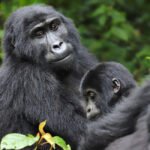
Gorilla trekking is one of the most extraordinary wildlife experiences available in Uganda. Visitors travel into the ancient rainforest of Bwindi Impenetrable National Park with trained guides and rangers to observe mountain gorillas in their natural habitat. The journey provides an opportunity to understand conservation, forest ecology, and the importance of protecting endangered wildlife.
Responsible gorilla trekking begins with respecting park rules. Visitors should maintain the required distance from the animals, follow instructions from rangers, avoid flash photography, and refrain from trekking when potentially infectious illnesses could endanger gorillas.
Local communities also contribute significantly to the experience. Guides, porters, accommodation employees, drivers, and other workers help make the safari possible. Recognizing their professional skills and paying fairly for legitimate services supports the broader tourism economy.
Cultural experiences around Bwindi can complement gorilla trekking when organized respectfully. Community walks, craft activities, and educational visits may provide opportunities to learn about local traditions and livelihoods.
Guests should avoid treating community members as part of a staged spectacle. Genuine cultural exchange depends on mutual respect and the willingness of local participants to share their experiences.
A safari with Lena Tours can focus on these positive connections, combining remarkable wildlife encounters with responsible community interaction.
Queen Elizabeth National Park: Wildlife Safaris and Ethical Travel


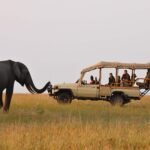
Queen Elizabeth National Park is one of Uganda’s best-known wildlife destinations. Its varied landscapes support elephants, buffaloes, hippos, numerous bird species, and predators including lions and leopards. The park offers game drives, boat excursions, and opportunities to explore the natural beauty of the western Rift Valley.
Travelers who visit Queen Elizabeth National Park contribute to demand for guiding services, accommodation, transport, and other tourism businesses. Local communities may benefit from employment and commercial opportunities linked to the protected area.
Ethical safari travel involves respecting the people providing these services. Drivers, lodge employees, boat operators, and community guides should be treated professionally and fairly.
Visitors should also respect wildlife regulations. Animals must not be harassed for photographs, fed by tourists, or disturbed through reckless driving.
Combining wildlife protection with respect for local communities creates a more meaningful travel experience. The value of a safari should extend beyond photographs to include a better understanding of Uganda’s natural and cultural heritage.
For Lena Tours, Queen Elizabeth National Park represents an opportunity to introduce travelers to Uganda’s biodiversity while encouraging responsible behavior throughout the journey.
Murchison Falls National Park and Responsible Safari Experiences


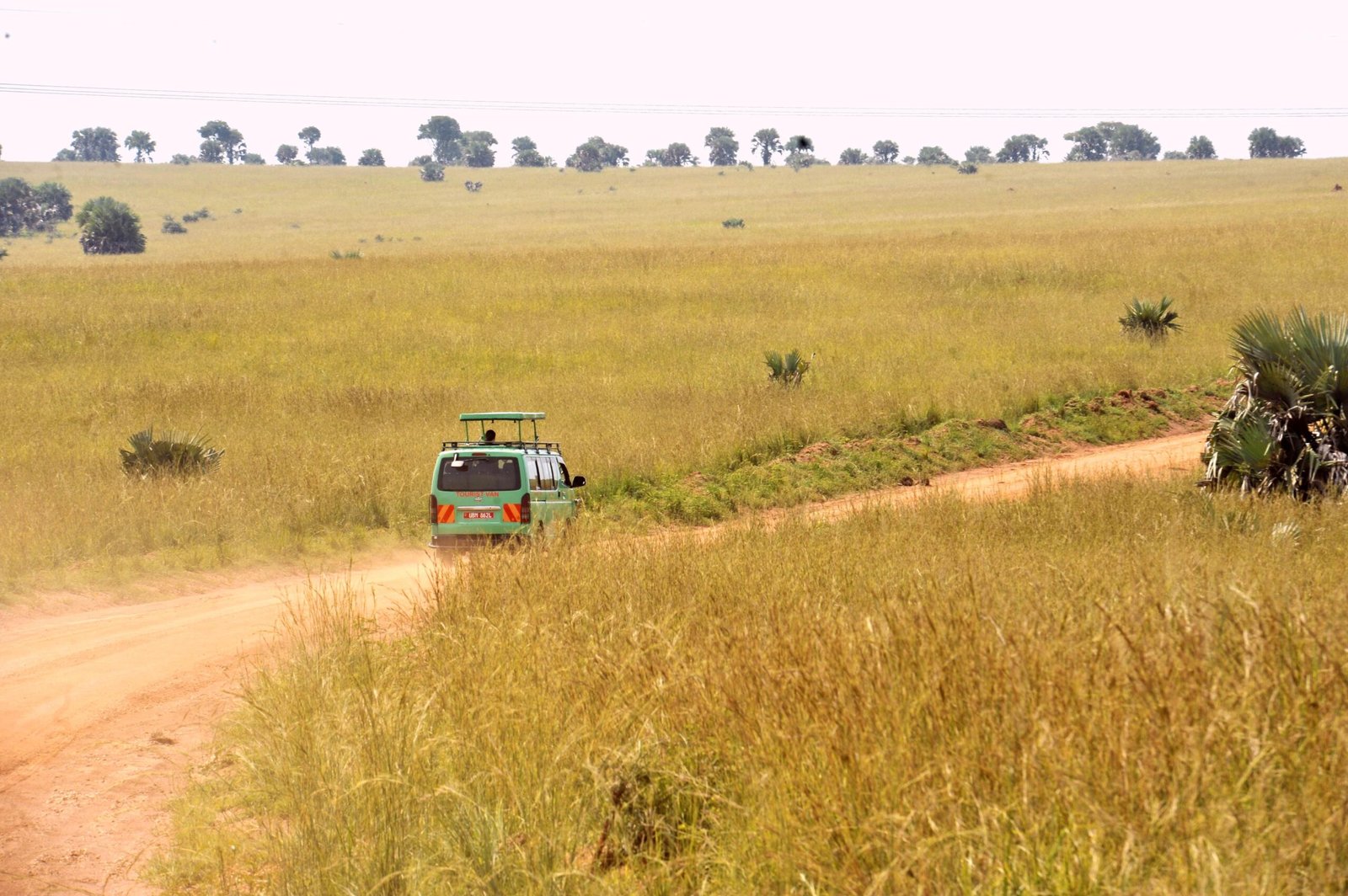
Murchison Falls National Park offers a remarkable combination of wildlife and dramatic river scenery. The Nile River passes through a narrow gorge before descending toward the plains below, creating one of Uganda’s most impressive natural attractions.
Visitors can enjoy game drives, boat excursions, birdwatching, and scenic viewpoints. These activities provide opportunities to observe wildlife while appreciating the ecological importance of the river and surrounding habitats.
Responsible travel is especially important in protected areas because visitors enter environments shared by wildlife, local communities, and conservation personnel. Respecting regulations helps safeguard these relationships.
Safari staff also deserve appropriate professional treatment. Guides and boat operators provide specialized knowledge and work under demanding conditions. Their responsibilities should not be confused with personal obligations to guests.
Travelers who approach the experience respectfully contribute to a tourism environment focused on conservation, education, and sustainable economic development.
A visit to Murchison Falls can become a highlight of a Uganda safari without compromising the ethical standards that responsible tourism requires.
Kibale Forest National Park: Chimpanzees and Community Responsibility


Kibale National Park is famous for its chimpanzee tracking experiences and diverse tropical forest. Visitors travel through the woodland with experienced guides to observe chimpanzees and learn about their behavior.
Nearby communities participate in tourism through accommodation, cultural experiences, guiding, farming, and other enterprises. Community-focused tourism can help visitors understand the relationship between conservation and local livelihoods.
Responsible interactions are essential throughout these activities. Travelers should pay fairly for services, respect cultural practices, and avoid placing individuals under inappropriate personal or financial pressure.
Community visits are most valuable when they are organized transparently and local residents participate willingly. Visitors should understand that cultural exchange involves listening and learning rather than demanding access to people’s private lives.
Kibale provides a powerful example of how wildlife tourism can connect natural conservation with human wellbeing.
A Responsible 7-Day Uganda Safari with Lena Tours
A well-designed Uganda safari allows travelers to explore wildlife, culture, and beautiful landscapes while supporting responsible tourism. The following itinerary combines several of Uganda’s most famous destinations with opportunities for respectful community engagement.
Day 1: Arrival in Entebbe and Welcome to Uganda
Upon arrival at Entebbe International Airport, your Lena Tours driver-guide welcomes you and transfers you to your selected accommodation. Depending on your arrival time, you may enjoy lakeside scenery, visit suitable local attractions, or relax after your international journey.
During the safari briefing, your guide explains the planned itinerary, transport arrangements, wildlife regulations, and important cultural considerations. Guests are encouraged to ask questions and share their travel preferences.
The evening provides an opportunity to enjoy Ugandan hospitality while preparing for the journey ahead.
Day 2: Travel to Murchison Falls National Park
After breakfast, depart toward Murchison Falls National Park. The journey offers beautiful views of Uganda’s countryside and opportunities to learn about local communities.
Depending on the itinerary and available bookings, travelers may stop at Ziwa Rhino Sanctuary for a guided rhino tracking experience. This activity introduces visitors to conservation efforts connected with Uganda’s rhinoceros population.
Continue toward Murchison Falls and settle into your lodge. An evening of relaxation prepares you for the next day’s wildlife activities.
Day 3: Game Drive and Nile River Boat Safari
Begin the morning with a game drive across the savannah landscapes of Murchison Falls National Park. Your guide helps identify wildlife and explains the ecological relationships within the park.
After lunch, enjoy a boat safari along the Nile River. The excursion provides opportunities to observe hippos, crocodiles, waterbirds, and other wildlife along the riverbanks.
Throughout the activity, guests follow the guide’s instructions and respect wildlife viewing distances.
Return to the lodge for dinner and overnight accommodation.
Day 4: Transfer to Kibale Forest National Park
Leave Murchison Falls and travel toward Kibale Forest National Park, passing through beautiful western Ugandan landscapes. The journey reveals changing vegetation, agricultural communities, and scenic countryside.
Arrive at your selected accommodation near Kibale and relax after the transfer. Depending on arrival time, visitors may learn about the surrounding forest environment or enjoy the lodge’s facilities.
Day 5: Chimpanzee Tracking in Kibale Forest
After breakfast, proceed to the chimpanzee tracking briefing point. Experienced rangers explain the forest regulations and guide visitors into the chimpanzees’ habitat.
The activity offers opportunities to observe chimpanzees while learning about primate behavior and forest conservation.
Later, travelers may enjoy an optional community-based experience around the Bigodi area, subject to availability and personal interests.
Return to the lodge for dinner and relaxation.
Day 6: Queen Elizabeth National Park and Wildlife Exploration
Travel toward Queen Elizabeth National Park, where open plains, volcanic scenery, and wetlands create beautiful landscapes.
Depending on the planned schedule, the afternoon may include a wildlife game drive or boat safari on the Kazinga Channel. Guests can observe animals in their natural environment and learn about the importance of protecting wildlife habitats.
Spend the evening at the selected safari lodge.
Day 7: Return to Entebbe
Enjoy breakfast before beginning the journey back toward Entebbe. The route provides another opportunity to appreciate Uganda’s countryside and reflect on the experiences of the previous days.
Your Lena Tours driver-guide coordinates suitable stops before transferring you to the agreed destination.
The safari concludes with lasting memories of Uganda’s wildlife, hospitality, and natural beauty.
Itinerary note: This is an illustrative seven-day program involving substantial road travel. The exact route, activity timing, and accommodation should be adjusted to suit guests’ arrival and departure arrangements.
Practical Guidelines for Responsible Travelers in Uganda
Travelers can support ethical tourism through everyday decisions. Respecting the people they meet, choosing legitimate services, and understanding local laws are important parts of a responsible safari experience.
The following principles can help visitors make thoughtful decisions:
-
Respect the dignity, consent, and personal boundaries of everyone you encounter.
-
Never seek or participate in the sexual exploitation of children or adults.
-
Avoid requests for unlawful commercial sexual services.
-
Treat guides, hotel employees, drivers, and hospitality workers professionally.
-
Support legitimate local businesses and community tourism initiatives.
-
Obtain permission before photographing people, particularly children.
-
Avoid sharing private information about potential victims of exploitation.
-
Report credible concerns through appropriate safeguarding or law-enforcement channels.
-
Follow national park regulations and respect Uganda’s cultural diversity.
-
Choose tourism experiences that contribute positively to local communities.
These principles are not intended to discourage travelers from interacting with Ugandan people. Instead, they encourage meaningful exchanges founded on mutual respect and understanding.
Frequently Asked Questions About Sex Tourism in Uganda
What is sex tourism in Uganda?
Sex tourism refers broadly to travel involving commercial sexual services. Uganda’s anti-trafficking law includes a specific definition concerning tourism-related programs that arrange escort and sexual services. Serious concerns arise when such activities involve exploitation, coercion, trafficking, or children.
Is prostitution legal in Uganda?
Uganda’s Penal Code criminalizes prostitution and certain related activities, including keeping brothels and particular forms of solicitation. Visitors should not assume that commercial sexual arrangements are lawful.
Is Uganda known primarily for sex tourism?
No. Uganda is internationally known for mountain gorilla trekking, chimpanzee tracking, wildlife safaris, birdwatching, natural scenery, adventure activities, and cultural tourism. Sex tourism is a subject of legal and ethical concern, not an established attraction that defines the country’s tourism identity.
Does sex tourism occur in African countries?
Tourism-related sexual exploitation is a concern in different regions of the world, including parts of Africa. However, the nature and extent of the problem differ between destinations, and broad claims should not be made without reliable evidence.
Are all relationships between tourists and Ugandans considered sex tourism?
No. Genuine relationships between consenting adults are not automatically sex tourism. Important distinctions include whether commercial sexual services are involved and whether coercion, exploitation, or criminal conduct occurs.
What is the relationship between poverty and sex tourism?
Economic vulnerability can create circumstances that exploiters attempt to misuse. Nevertheless, poverty does not automatically lead to involvement in the sex trade, and most people facing financial hardship are not involved in sexual exploitation.
Can tourists be arrested for prostitution-related offenses in Uganda?
Visitors may face legal consequences if they engage in conduct prohibited under Ugandan law. The precise application of criminal provisions depends on the circumstances and current law.
What is human trafficking?
Human trafficking involves prohibited acts such as recruiting or transporting people through coercion, deception, or abuse of vulnerability for the purpose of exploitation. It can involve sexual exploitation, forced labor, or other forms of abuse.
Is human trafficking the same as prostitution?
No. Human trafficking involves exploitation through conduct defined by law. Prostitution is a separate concept, although trafficking can occur for the purpose of exploiting someone in prostitution.
Can adults experience sexual exploitation?
Yes. Adults can experience coercion, trafficking, sexual violence, financial control, and other exploitative circumstances.
Can men and boys become victims?
Yes. Sexual exploitation can affect people of different genders. Victims deserve access to protection and appropriate support.
Why is child protection important in tourism?
Children may face risks when adults exploit differences in power, money, or access to resources. Tourism businesses and travelers have responsibilities to protect children from abuse and exploitation.
Can a child consent to commercial sexual exploitation?
No. The sexual exploitation of a child cannot be justified through claims of consent or parental permission.
What should a tourist do after witnessing suspected exploitation?
Avoid confrontation, prioritize immediate safety, and report credible concerns through appropriate authorities or established safeguarding services.
Should visitors photograph someone they believe is being trafficked?
Unnecessary photography can expose individuals to danger and violate their privacy. Travelers should not conduct amateur investigations or circulate identifying images.
Are Uganda’s hotels safe for international travelers?
Many hotels serve tourists professionally. However, visitors should evaluate accommodation through reputable information, consider ordinary travel precautions, and avoid assuming that all establishments provide identical standards.
Is Kampala safe for tourists?
Kampala offers legitimate cultural, business, and entertainment experiences. As in other large cities, visitors should remain aware of their surroundings, choose reliable transport, and take sensible precautions.
Can tourists enjoy nightlife in Uganda responsibly?
Yes. Visitors can enjoy restaurants, music, and entertainment while respecting local laws, personal boundaries, and the safety of employees and other guests.
How can tourism reduce economic vulnerability?
Fair employment, local entrepreneurship, training, community participation, and responsible purchasing can create opportunities that help strengthen livelihoods.
What is responsible safari tourism?
Responsible safari tourism involves protecting wildlife, respecting communities, supporting fair business practices, following local laws, and avoiding activities that harm people or the environment.
Can travelers combine cultural tours with wildlife safaris?
Yes. Uganda offers opportunities to combine gorilla trekking, game drives, chimpanzee tracking, cultural experiences, and community visits in one itinerary.
Why should tourists respect safari guides?
Guides are skilled professionals responsible for safety, interpretation, transportation, and wildlife knowledge. Their services should be valued without inappropriate demands or personal pressure.
How does sex tourism affect a destination’s reputation?
Sexual exploitation can damage trust, harm individuals and communities, and create serious legal and social consequences. Strong safeguarding practices help support a tourism industry built on professional service and human dignity.
Can sex tourism be prevented?
Prevention requires several approaches, including effective law enforcement, education, child protection, economic opportunities, responsible business practices, and support for people at risk of exploitation.
What role can tour operators play?
Tour operators can adopt safeguarding standards, train employees, select responsible business partners, communicate appropriate guest behavior, and refer concerns to relevant authorities.
Can tourism support women’s economic independence?
Yes. Fair employment, entrepreneurship, skills development, and leadership opportunities can help expand economic choices for women working in tourism and related sectors.
Are community tours beneficial?
Well-organized community tourism can support local livelihoods and cultural exchange. Benefits are strongest when local people participate voluntarily and receive fair compensation.
Does responsible travel mean avoiding Ugandan cities?
No. Responsible travel means enjoying destinations thoughtfully, following local laws, and treating residents with respect. Uganda’s cities offer important cultural and historical attractions.
Can visitors contribute positively to Uganda?
Yes. Travelers can support conservation, purchase local products, use legitimate tourism services, respect communities, and encourage responsible business practices.
What makes Lena Tours a suitable choice for exploring Uganda?
Lena Tours focuses on organizing Uganda safari experiences involving wildlife, natural landscapes, and cultural destinations. Travelers can discuss their preferred activities and arrange an itinerary centered on responsible exploration.
Final Thoughts: Looking Beyond the Safari Experience
Uganda offers some of the most remarkable wildlife adventures in Africa. Mountain gorillas move through the ancient forests of Bwindi, chimpanzees inhabit the tropical landscapes of Kibale, elephants roam the plains of Queen Elizabeth National Park, and the Nile River creates dramatic scenery at Murchison Falls. These experiences attract visitors who want to appreciate nature, discover new cultures, and create unforgettable memories.
Yet responsible travel involves looking beyond the beautiful photographs and exciting activities. Sex tourism and tourism-related sexual exploitation raise important questions about human rights, financial inequality, personal safety, and the responsibilities of visitors and tourism businesses. Understanding these issues helps travelers make informed decisions without reducing Uganda or its people to harmful stereotypes.
The distinction between lawful personal relationships and exploitation must remain clear. Adults deserve autonomy and respect, while children require strong protection from abuse. Individuals who experience trafficking, harassment, or sexual violence deserve safety, dignity, and appropriate assistance.
For tourism businesses, responsible practices involve more than meeting customers’ expectations. Fair working conditions, professional boundaries, community participation, and safeguarding policies help create a healthier travel environment.
Visitors can contribute by respecting Ugandan laws, avoiding exploitative activities, supporting legitimate local enterprises, and treating every person they encounter with dignity.
Uganda’s future as a leading African tourism destination depends on protecting its extraordinary natural heritage while ensuring that tourism benefits people as well as wildlife.
At Lena Tours, we encourage travelers to discover the country’s beauty through meaningful safari experiences that celebrate conservation, culture, and responsible exploration.
Uganda is more than a destination to visit. It is a country whose wildlife, communities, traditions, and future deserve respect.
Discover Uganda Responsibly with Lena Tours

Lena Tours
Discover Uganda’s extraordinary wildlife, stunning landscapes, and rich culture through a memorable safari experience.
Website: www.lenatours.africa
Email: info@lenatours.africa
WhatsApp: +256 700 487 423
Whether you are planning mountain gorilla trekking, chimpanzee tracking, a family holiday, or a complete Uganda wildlife safari, Lena Tours can help you explore the Pearl of Africa with respect for nature and local communities.


Plan Your Safari with Lena Tours
Complete the enquiry form below and our safari specialists will prepare a personalised itinerary and quotation for your journey.