Uganda Safari for Solo Travelers: A Complete Guide to Exploring Uganda Alone
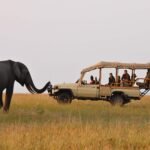
Traveling alone can be one of the most rewarding ways to discover Africa, and a Uganda safari for solo travelers offers an exceptional combination of wildlife, primates, landscapes, culture, adventure, and personal freedom. Uganda is often called the Pearl of Africa because of its extraordinary natural diversity. Within one journey, a solo traveler can watch elephants crossing open savannah, track mountain gorillas through mist-covered forest, listen to chimpanzees calling from the trees, cruise past hippos on the Nile, photograph tree-climbing lions, meet local communities, and enjoy quiet evenings surrounded by nature.
A solo safari does not necessarily mean spending every moment alone. In Uganda, individual travelers can enjoy private transport while joining other visitors during activities such as gorilla trekking, chimpanzee tracking, boat cruises, guided nature walks, and community experiences. This combination gives travelers independence without isolation. You decide how you want to travel, how long you stay in each destination, and what experiences matter most to you.
At Lena Tours, we understand that solo travelers often have different concerns from couples, families, or large groups. Questions about safety, accommodation supplements, transportation, meeting other travelers, permits, guides, communication, luggage, and costs become especially important when arranging a safari alone. A well-organized itinerary solves many of these concerns before the journey begins.
Uganda works particularly well for independent-minded travelers because its attractions are diverse and its tourism circuit allows several experiences to fit naturally into one itinerary. Travelers can start around Entebbe, continue north toward Murchison Falls National Park, travel through Kibale Forest, explore Queen Elizabeth National Park, trek gorillas in Bwindi, visit Lake Bunyonyi, and finish with wildlife activities in Lake Mburo National Park.
Whether you want a short three-day gorilla adventure or a longer two-week journey around the country, Uganda provides many possibilities for solo exploration.
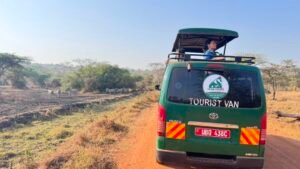
Why Choose Uganda for a Solo Safari?
Uganda combines many different African experiences within one country. Some destinations are famous mainly for savannah wildlife, while others specialize in beaches, mountains, culture, or primates. Uganda offers all of these attractions within manageable travel distances.
For solo visitors, variety is especially valuable. A journey does not become repetitive because every destination creates a different atmosphere. Murchison Falls National Park offers wide savannah, giraffes, elephants, lions, the Nile, and one of Africa’s most powerful waterfalls. Kibale Forest provides intimate encounters with chimpanzees and several monkey species. Queen Elizabeth National Park combines wildlife drives with boat safaris and impressive views across crater landscapes. Bwindi introduces travelers to one of the world’s most remarkable wildlife experiences: mountain gorilla trekking.
Many solo visitors also enjoy Uganda because safari travel creates natural opportunities to interact with other people. During a gorilla trek, for example, individual visitors normally join a small trekking group led by professional guides and rangers. Similar social opportunities occur during chimpanzee tracking, boat trips, cultural walks, and lodge activities.
At the same time, private safari transportation gives solo travelers personal space. You do not have to adjust your entire journey to the interests of strangers. Your driver-guide can stop for photographs, viewpoints, bird sightings, roadside markets, or short breaks whenever conditions allow.
That balance between independence and companionship makes Uganda an attractive destination for people who want to travel alone.
Is Uganda Good for Solo Travelers?
Uganda can be an excellent destination for solo travelers when the journey is properly organized. Tourism has been established in the country for many years, and major safari destinations regularly receive visitors from around the world. National parks, trekking centers, lodges, hotels, airports, and tourism routes are accustomed to serving international travelers.
A guided private safari can make the experience especially comfortable. Instead of navigating unfamiliar roads, arranging every park activity separately, or searching for accommodation after arriving, travelers can follow a planned itinerary supported by an experienced local guide.
This arrangement provides flexibility while removing much of the logistical pressure that often comes with independent travel in an unfamiliar country.
Solo travel can suit many different personalities. Photographers appreciate having more freedom when requesting stops. Wildlife enthusiasts can spend additional time watching particular animals when circumstances permit. Birdwatchers may prefer an itinerary designed around habitats rather than popular attractions alone. Adventure travelers can add hiking, cycling, white-water activities, or mountain climbing. Visitors interested in culture can include village walks, markets, traditional food experiences, and community tourism projects.
A Uganda solo safari can therefore be designed around the traveler rather than around a fixed group program.
What Makes a Solo Safari Different?
The biggest difference is freedom. When traveling with relatives or friends, decisions usually require compromise. One person may want to sleep longer while another prefers sunrise game drives. Someone might enjoy photography while another gets impatient after a few minutes at the same wildlife sighting.
A solo traveler makes those choices personally.
Your itinerary can reflect your preferred pace. Some travelers enjoy early mornings followed by busy days filled with activities. Others prefer slower journeys with enough time to relax at a lodge, read beside a swimming pool, watch birds from a veranda, or enjoy the sunset without rushing toward another destination.
Accommodation can also be selected according to individual priorities. Budget travelers may choose comfortable guesthouses or safari camps. Midrange visitors can stay at well-positioned lodges offering private rooms and quality meals. Luxury guests may choose exclusive properties overlooking forests, rivers, lakes, or wildlife areas.
Transportation is another major difference. A private safari vehicle offers more room for luggage, photography equipment, binoculars, and personal items. Window access becomes easier because there is no need to share the best viewing position with several passengers.
For photographers in particular, that extra space can significantly improve the safari experience.
Is It Safe to Travel Alone in Uganda?
Safety is understandably one of the first questions asked by people considering a solo safari in Uganda. No destination can guarantee that a traveler will never encounter problems, but thoughtful planning greatly improves comfort and security.
Most tourists visiting Uganda spend their journeys with professional guides, lodge staff, park rangers, tourism officers, and established service providers. During safari activities, travelers generally follow organized procedures rather than entering protected areas without guidance.
Using a professional tour company can simplify transportation, reservations, permits, accommodation, and communication. A driver-guide also becomes an important point of contact throughout the trip.
Normal travel precautions remain important. Keep valuable items secure, avoid displaying large amounts of money, use reputable transportation, follow the advice of local guides, and avoid walking alone in unfamiliar areas late at night. Passport copies, insurance information, emergency contacts, and booking documents should be stored separately from the originals.
Visitors should also monitor official travel information before departure because conditions and entry requirements can change.
Inside national parks, guests must follow ranger and lodge instructions. Wild animals remain unpredictable even when they appear calm. Never approach elephants, buffaloes, lions, hippos, gorillas, or other wildlife without professional guidance.
Respecting park regulations protects both the traveler and the animals.
Why Book a Guided Uganda Safari When Traveling Alone?
Some experienced travelers enjoy organizing every element independently. However, a guided safari offers several advantages, especially for first-time visitors to Uganda.
Long-distance road travel requires knowledge of routes, road conditions, park entrances, fuel stops, ferry schedules, accommodation locations, and realistic driving times. A professional driver-guide handles these details while allowing the traveler to focus on the experience.
Guides also understand wildlife behavior and local habitats. Spotting a lion resting under distant vegetation, identifying a bird from its call, noticing leopard tracks beside the road, or predicting where elephants may appear requires experience.
Local knowledge can turn an ordinary drive into a memorable safari.
Another advantage involves timing. The guide knows when activities begin, where registration takes place, when breakfast should be served, how long transfers normally require, and when travelers need to leave one destination for the next.
A guided trip can also feel more reassuring for someone traveling alone. Instead of arriving in unfamiliar places without support, the traveler has a consistent professional companion throughout much of the itinerary.
Meeting People During a Solo Safari
Traveling alone does not mean avoiding social interaction. Uganda’s tourism activities often bring travelers together naturally.
Gorilla trekking groups include visitors who may come from several countries. A morning briefing introduces trekkers before they enter the forest with guides, rangers, and trackers. During the trek, participants encourage one another, share observations, and experience the excitement of finding a gorilla family together.
Chimpanzee tracking creates a similar atmosphere. Walking through Kibale Forest with other visitors allows solo travelers to meet people who share an interest in wildlife and conservation.
Boat safaris on the Nile and Kazinga Channel are also social experiences. Guests from different lodges may travel on the same vessel while watching hippos, crocodiles, elephants, buffaloes, birds, and other wildlife along the water.
Safari lodges provide additional opportunities for conversation. Dining areas, lounges, campfires, bars, viewing decks, and communal spaces often bring travelers together at the end of the day.
Many friendships begin with a simple conversation about the day’s wildlife sightings.
The Best Places in Uganda for Solo Travelers
Uganda has several destinations that work particularly well within a solo safari itinerary. Choosing the right combination depends on available time, budget, interests, and preferred travel pace.
Entebbe
Entebbe is the main arrival point for most international visitors because Uganda’s principal international airport is located there. The town provides a comfortable place to rest after a long flight before beginning a safari.
Solo visitors can spend time around Lake Victoria, visit botanical areas, explore nearby attractions, relax at a hotel, or take a trip to Mabamba Swamp in search of the shoebill.
Starting slowly can be helpful after international travel. A relaxed first night allows your body to adjust before long road transfers or early safari activities begin.
Entebbe also works well as the final stop before departure.
Mabamba Swamp
Mabamba Swamp is particularly famous among birdwatchers because it provides opportunities to search for the prehistoric-looking shoebill.
Small canoe journeys through the wetland create a completely different experience from traditional vehicle safaris. Local guides navigate narrow channels surrounded by papyrus while searching for shoebills and other wetland birds.
For solo travelers interested in photography or birdlife, Mabamba can be an excellent beginning or ending to a Uganda journey.
Ziwa Rhino Sanctuary
Travelers heading toward Murchison Falls National Park often include rhino tracking at Ziwa.
The experience normally involves walking with trained guides while searching for rhinos in their natural environment. Seeing these enormous animals from the ground creates a different perspective from watching wildlife through a vehicle window.
Including rhino tracking can also help travelers work toward seeing Uganda’s classic large mammal species during a broader safari circuit.
Murchison Falls National Park
Murchison Falls National Park is one of the country’s most impressive destinations and an excellent choice for first-time solo safari travelers.
The landscape changes dramatically as visitors move through woodland, savannah, river environments, and sections overlooking the Nile.
Morning game drives may reveal elephants, giraffes, buffaloes, lions, hartebeest, Uganda kob, warthogs, and many other animals. Birdlife is abundant, making the park rewarding even between major mammal sightings.
A Nile boat safari adds another dimension. Hippos gather in the water, crocodiles rest near the banks, elephants approach the river, and numerous bird species occupy the shoreline.
The journey toward Murchison Falls gives visitors a close view of the river’s power as it moves toward the waterfall.
For travelers who enjoy landscape photography, wildlife, and varied activities, Murchison Falls deserves at least two nights whenever time allows.
Experiencing Murchison Falls Alone
A solo traveler can enjoy Murchison without feeling isolated because most activities are guided.
Your morning may begin before sunrise with coffee at the lodge. Shortly afterward, you join your driver-guide for a game drive across open plains while soft morning light creates ideal photography conditions.
Because there are no companions competing for window space inside a private vehicle, wildlife photography becomes easier. Bags can remain on an unused seat, camera equipment stays accessible, and movement between windows is simple.
Later, the boat safari introduces travelers to other visitors. Everyone watches the same riverbank, points toward wildlife, exchanges photographs, and shares excitement whenever elephants or unusual birds appear.
Evening returns to the lodge usually provide time for dinner and relaxation.
This combination of private and shared experiences explains why Uganda works so well for individual travelers.
Kibale Forest National Park for Solo Travelers
Kibale Forest National Park is one of the world’s most celebrated destinations for chimpanzee encounters.
Walking through tropical forest produces a completely different feeling from crossing open savannah. Sunlight filters through thick vegetation while birds call overhead and monkeys move through the canopy.
Chimpanzee tracking usually begins with a briefing. Rangers explain forest rules, expected behavior, and what travelers should do once chimpanzees are located.
Small groups then enter the forest with trained guides.
Chimpanzees are highly active animals. One moment they may feed quietly above the trail, while minutes later they move rapidly through vegetation. Their vocal calls can travel impressive distances through the forest.
A solo traveler does not need a companion to enjoy the experience because the trekking group creates a natural social environment.
Kibale can also be combined with Bigodi Wetland Sanctuary and nearby community activities.
Bigodi Wetland Experience
Bigodi offers visitors an opportunity to explore a community-based conservation environment near Kibale.
Guided walks may reveal monkeys, birds, butterflies, plants, and rural scenery. Travelers also gain insight into the relationship between local communities and nearby natural environments.
Solo visitors often appreciate smaller community activities because conversations become more personal. Guides can answer questions in greater detail, and the visitor can spend more time observing everyday life.
Adding Bigodi after chimpanzee trekking can create a balanced day combining wildlife and community experiences.
Queen Elizabeth National Park
Queen Elizabeth National Park is another essential destination for many Uganda safari itineraries.
Its landscapes include savannah plains, crater areas, wetlands, lakes, woodland, and the Kazinga Channel. Wildlife diversity makes the park suitable for both first-time safari visitors and experienced photographers.
Game drives around the Kasenyi Plains may reveal lions, elephants, buffaloes, Uganda kob, warthogs, and other animals. Leopards occur in the park as well, although sightings depend heavily on luck and timing.
The Kazinga Channel boat safari ranks among Uganda’s most enjoyable wildlife experiences.
From the boat, travelers can observe large concentrations of hippos alongside crocodiles, elephants, buffaloes, waterbirds, and other species.
For a solo traveler, boat trips provide excellent opportunities to meet other tourists while still enjoying personal space.
The Kazinga Channel Boat Safari
Water-based wildlife viewing offers advantages that cannot be experienced from a safari vehicle.
Animals often gather near the shore to drink, cool themselves, feed, or rest. Elephants may walk directly toward the water while buffaloes remain partly submerged nearby.
Hippos dominate many sections of the channel. Their calls travel across the water, while young animals sometimes remain close to adults.
Birdwatchers can expect a diverse range of species depending on season and location.
Photography becomes especially rewarding when afternoon sunlight illuminates wildlife along the banks.
Solo travelers should keep cameras, binoculars, sunscreen, hats, and drinking water easily accessible during the cruise.
Ishasha and the Tree-Climbing Lions
The Ishasha sector in southern Queen Elizabeth National Park is famous for its tree-climbing lions.
Although wildlife sightings can never be guaranteed, exploring Ishasha adds excitement to a journey toward Bwindi.
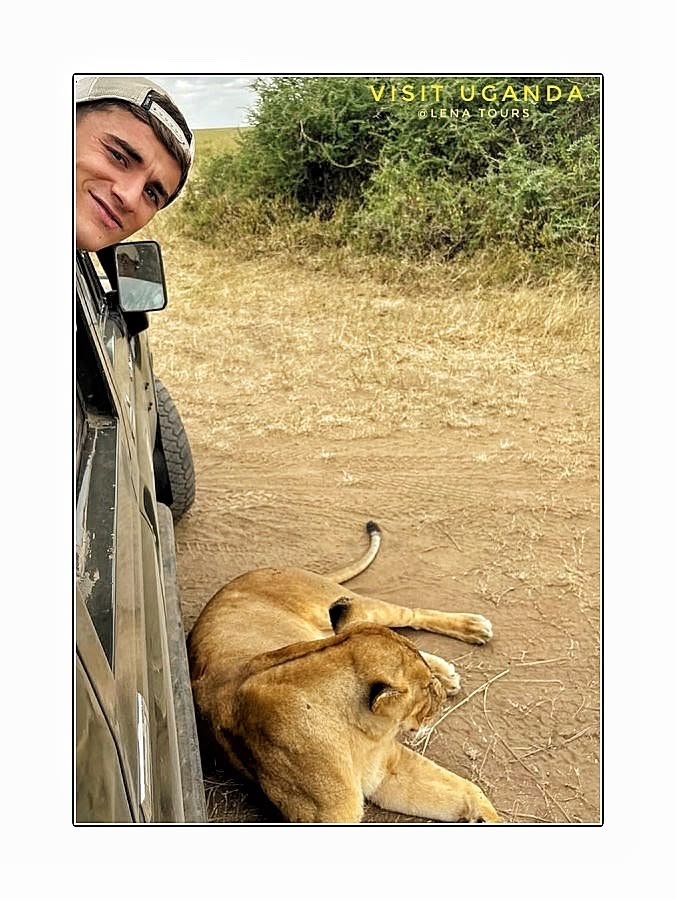
Lions may rest on large fig trees, especially during suitable conditions. Their unusual behavior has made Ishasha one of Uganda’s best-known wildlife areas.
The sector also supports elephants, buffaloes, antelopes, birds, and other animals.
For many solo travelers, Ishasha becomes an enjoyable transition between savannah wildlife and the mountain forests of Bwindi.
Bwindi Impenetrable National Park
Few experiences define a Uganda safari as powerfully as gorilla trekking in Bwindi Impenetrable National Park.
The UNESCO-listed forest protects extraordinary biodiversity and forms one of the most important mountain gorilla habitats on Earth.
Reaching Bwindi already feels adventurous. Roads wind through southwestern Uganda as farmland, forests, villages, valleys, and hills create constantly changing scenery.
Different trekking sectors provide access to habituated gorilla families. Travelers must therefore stay near the area connected with their permit and trekking allocation.
For solo travelers, gorilla trekking is particularly appealing because there is no requirement to arrive with your own group. Individual visitors are assigned to trekking groups during the day’s organization.
You may start the morning as strangers and return from the forest sharing one unforgettable experience.
What Happens During Gorilla Trekking?
The day normally begins early.
Trekkers gather at the designated briefing point, where guides explain important regulations and discuss what to expect inside the forest.
Groups are organized before entering Bwindi with rangers and trackers.
The length and difficulty of a trek can vary. Gorilla families constantly move while searching for food, so no two trekking days are identical. Some groups may locate gorillas relatively quickly, whereas others walk considerably farther.
Terrain can include steep slopes, thick vegetation, roots, mud, and uneven forest paths.
Once gorillas are located, the experience becomes extraordinary.
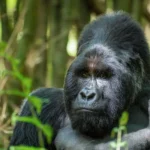
Watching a silverback resting among leaves, observing a mother caring for her youngster, or seeing juveniles interacting nearby can create memories that remain long after the safari ends.
Visitors must follow ranger instructions throughout the encounter.
Comfortable hiking boots, long trousers, gloves, rain protection, drinking water, and a small backpack are strongly recommended.
Hiring a local porter can make trekking easier while supporting surrounding communities.
Gorilla Trekking Permit Considerations
Gorilla permits should be arranged well before travel, particularly during popular travel periods.
Permit availability controls the number of visitors who can track specific gorilla groups each day, which helps manage tourism pressure and protect the animals.
Foreign non-resident travelers should use authorized booking channels for gorilla and chimpanzee permits. Lena Tours can incorporate permit arrangements into a complete Uganda safari itinerary.
Permit prices and regulations can change over time, so travelers should always confirm the latest official amount before making final plans.
As of the current Uganda Wildlife Authority tariff information available for 2026, the foreign non-resident gorilla trekking permit rate is listed at US$800 per person. Visitors should verify current rates when booking because conservation tariffs may be revised.
Planning early becomes particularly important for solo travelers with fixed international flight dates because permit availability can influence the entire safari route.
Mgahinga Gorilla National Park
Mgahinga offers another beautiful destination in southwestern Uganda.
The park forms part of the larger Virunga landscape and is known for dramatic volcano scenery, mountain gorillas, golden monkeys, hiking, and forest experiences.
Travelers interested in primates can combine Bwindi gorilla trekking with golden monkey tracking in Mgahinga.
The contrast between gorillas and golden monkeys makes this combination especially interesting.
Golden monkeys are energetic, quick, and often active among bamboo vegetation. Photography can be challenging, but their movement makes the experience exciting.
For adventurous solo travelers, Mgahinga also provides opportunities for mountain hiking and additional outdoor activities depending on current park arrangements.
Lake Bunyonyi
After demanding trekking activities, Lake Bunyonyi offers a peaceful change of pace.
The lake is surrounded by green hills and dotted with numerous islands. Cool mornings, calm water, distant villages, and scenic views create a relaxing environment.
Solo travelers often appreciate having one unhurried day during a busy safari.
A morning can begin slowly with breakfast overlooking the lake. Later, visitors may take a canoe or boat excursion, explore surrounding communities, walk along local trails, or simply relax at the lodge.
Travel does not always need to involve constant movement.
Some of the most memorable safari moments happen while doing very little—watching mist rise from the hills, listening to birds, enjoying a meal overlooking water, or reflecting on previous wildlife encounters.
Lake Mburo National Park
Lake Mburo National Park works particularly well toward the end of many southwestern Uganda safari circuits because of its location on the route toward Kampala and Entebbe.
The park differs from many larger savannah destinations.
Zebras are among its most recognizable animals. Travelers may also encounter impalas, buffaloes, warthogs, elands, waterbucks, topis, and other species.
One of Lake Mburo’s biggest attractions is the variety of ways visitors can explore the landscape.
Depending on current availability and park arrangements, activities may include vehicle game drives, nature walks, boat trips, cycling, horseback experiences, and birdwatching.
A guided walking safari can be especially memorable for solo travelers because it provides a closer connection to the landscape.
Rather than viewing everything from a vehicle, visitors notice tracks, insects, plants, animal sounds, and smaller details that might otherwise be missed.
Kidepo Valley National Park
Travelers with additional time may consider Kidepo Valley National Park in northeastern Uganda.
Its remote location creates a feeling of wilderness unlike many other safari destinations.
Wide valleys, rugged mountains, open plains, seasonal rivers, wildlife, and dramatic skies make Kidepo particularly attractive to photographers and travelers seeking less crowded safari environments.
Reaching the park requires additional travel time, which means it works best on longer itineraries or fly-in safaris.
For someone traveling alone and wanting a strong sense of adventure, Kidepo can be exceptionally rewarding.
Remote destinations require careful planning, however. Transportation, fuel, accommodation, meals, activities, and travel times should be organized in advance.
Jinja for Solo Adventure Travelers
Not every Uganda safari needs to focus exclusively on wildlife.
Jinja, located along the Nile, attracts travelers interested in adventure and relaxation.
Depending on personal preferences and operating schedules, activities may include rafting, kayaking, boat trips, cycling, horseback riding, village experiences, and visits connected with the Nile.
Jinja can be included at the beginning or end of a longer Uganda itinerary.
Solo visitors often enjoy the lively social atmosphere because adventure activities naturally bring people together.
A relaxed riverside lodge also provides an excellent place to recover after a long safari.
Rwenzori Mountains for Solo Travelers
Uganda’s Rwenzori Mountains offer a completely different adventure for travelers interested in trekking.
The landscape includes montane forest, bamboo zones, alpine vegetation, valleys, rivers, dramatic peaks, and high-altitude environments.
Multi-day mountain trekking requires greater preparation than a standard wildlife safari.
Solo visitors still trek with trained guides, porters, and support teams rather than entering mountain routes entirely alone.
Fitness, suitable clothing, hiking boots, waterproof equipment, sleeping arrangements, altitude awareness, and realistic expectations become important considerations.
Travelers who want to combine wildlife with physical adventure can add a Rwenzori hiking experience to their Uganda journey.
Mount Elgon and Eastern Uganda
Mount Elgon provides another option for travelers interested in hiking, waterfalls, caves, scenic landscapes, and eastern Uganda.
The region around Sipi Falls is especially popular.
Visitors can walk between waterfalls, experience coffee tours, enjoy viewpoints, and explore rural environments with local guides.
Solo travelers may find Sipi refreshing because experiences are active without requiring the level of commitment associated with major mountain expeditions.
Coffee experiences also create opportunities to learn how beans are grown, harvested, processed, roasted, and prepared.
This kind of activity adds cultural depth to a wildlife-focused itinerary.
Best Time for a Solo Safari in Uganda
Uganda can be visited throughout the year.
However, weather conditions influence road travel, trekking terrain, photography, vegetation, and the overall pace of a safari.
Drier periods are often popular because some roads and forest trails may be easier to navigate. Wildlife can also become easier to observe in certain savannah environments when vegetation is less dense.
Rainy periods should not automatically be avoided.
Uganda’s tropical climate means rain can occur even during traditionally drier months, while rainy seasons can still contain long periods of sunshine.
Green landscapes are particularly beautiful for photography. Fewer visitors in some locations may also create a quieter experience.
Solo travelers with flexible dates can sometimes take advantage of lower accommodation prices or special offers during quieter periods.
Anyone planning gorilla trekking should prepare for possible rain regardless of season because Bwindi is a tropical rainforest.
A lightweight waterproof jacket should remain in your daypack.
Is a Uganda Solo Safari Expensive?
Solo travel can cost more per person than traveling with a companion because some safari expenses cannot be divided between multiple people.
A private vehicle, driver-guide, fuel, and certain accommodation charges may cost nearly the same whether one or two guests are traveling.
Hotels and safari lodges can also apply a single-room rate or single supplement because accommodation is priced differently from shared double occupancy.
This does not mean a Uganda solo safari has to become unaffordable.
Several strategies can help manage costs.
Travelers can choose midrange or budget accommodation instead of luxury lodges. Shorter driving circuits reduce fuel usage. Joining selected activities with other visitors lowers the feeling of traveling entirely privately without sacrificing independence.
Travel dates may also influence lodge pricing.
The most useful approach is to decide which experiences matter most.
If gorilla trekking is your priority, spending more on the permit while using comfortable midrange lodges elsewhere may make sense.
Another visitor might prefer luxury accommodation but exclude expensive optional activities.
A customized safari allows the budget to follow personal priorities.
Where Does the Money Go on a Solo Safari?
Understanding safari pricing helps solo travelers plan realistically.
Transport represents a major part of the cost because safari vehicles must cover long distances and enter areas where road conditions may require strong four-wheel-drive capability.
Fuel costs depend on the route and journey length.
Accommodation creates another significant expense, particularly in national parks and remote destinations where lodges must maintain their own power systems, water supply, staffing, food delivery, and other services.
Park entrance fees, activity charges, boat trips, ranger services, gorilla permits, chimpanzee permits, meals, airport transfers, and optional excursions also contribute to the final price.
Luxury safaris add premium lodges, exclusive locations, upgraded rooms, domestic flights, specialized activities, and personalized services.
When comparing safari quotations, travelers should check what is included rather than judging the package solely by the headline price.
Budget Solo Safari in Uganda
Budget safari travel usually focuses on clean, comfortable accommodation and essential wildlife experiences rather than luxury extras.
A budget traveler can still visit outstanding national parks, track primates, take boat safaris, and enjoy professional guiding.
Accommodation may consist of guesthouses, tented camps, simpler safari lodges, or properties located slightly outside major park boundaries.
Meals are generally straightforward but filling.
Transportation usually remains one of the most important components because a reliable vehicle and experienced guide contribute significantly to safety and comfort.
Rather than reducing vehicle quality, budget-conscious travelers may achieve better savings by adjusting accommodation levels or reducing unnecessary route changes.
Midrange Solo Safari
Midrange safaris are popular because they balance comfort and value.
Rooms are typically private and may include en-suite bathrooms, good bedding, attractive locations, restaurants, lounge areas, and scenic surroundings.
Several midrange lodges offer excellent wildlife views without luxury-level prices.
For solo travelers, this category can provide enough comfort after long drives or demanding treks while keeping the overall trip within a manageable budget.
Midrange accommodation also creates social opportunities because guests commonly meet in shared dining and lounge spaces.
Luxury Solo Safari in Uganda
Traveling alone does not mean sacrificing luxury.
High-end lodges can provide private cottages, panoramic views, quality dining, personalized service, beautiful interiors, spa treatments, private decks, premium locations, and carefully designed experiences.
Luxury travelers may also use domestic flights to reduce road travel between distant destinations.
Flying can be particularly appealing when time is limited.
A guest could travel from Entebbe toward Bwindi by scheduled or charter flight, complete a gorilla trek, then connect with another destination depending on available routes.
Private guided road transportation can still be arranged at each location.
Luxury solo travel is especially suitable for guests who value privacy, comfort, photography, wellness, and a slower pace.
Sample 3-Day Solo Gorilla Trekking Safari
Day 1: Travel from Entebbe or Kampala to Bwindi
Your safari begins with an early departure from Entebbe or Kampala.
The drive toward southwestern Uganda passes through towns, farmland, rolling countryside, and scenic rural areas.
Stops may be made for refreshments, lunch, photography, or viewpoints depending on the selected route.
As the journey approaches Bwindi, the landscape becomes increasingly mountainous and green.
Arrival at the lodge is usually followed by check-in, dinner, and preparation for the following morning’s gorilla trek.
The evening gives solo travelers time to organize trekking equipment and rest.
Day 2: Gorilla Trekking in Bwindi
After an early breakfast, your guide transfers you to the designated park briefing point.
Rangers explain gorilla trekking procedures before visitors are divided into trekking groups.
The forest walk may last several hours depending on gorilla movements and terrain.
When the group reaches the gorillas, visitors follow ranger instructions throughout the encounter.
After trekking, return to the lodge for relaxation.
Guests who still have enough energy may add a community activity depending on timing and availability.
Day 3: Return to Entebbe or Kampala
Enjoy breakfast before beginning the return journey.
Roadside stops can be included along the way.
Arrival time depends on traffic, starting location, road conditions, and the exact Bwindi sector used.
Travelers flying internationally should avoid scheduling a tight departure connection on the same day unless the itinerary provides enough margin.
Sample 5-Day Uganda Safari for Solo Travelers
Day 1: Entebbe to Queen Elizabeth National Park
Meet your Lena Tours driver-guide and begin the journey toward western Uganda.
The changing scenery offers a good introduction to the country.
After arrival and check-in, an evening game drive may be possible depending on timing.
Day 2: Game Drive and Kazinga Channel
Begin with an early game drive across the park.
Search for lions, elephants, buffaloes, antelopes, warthogs, birds, and other wildlife.
After lunch, enjoy a boat safari along the Kazinga Channel.
Return to the lodge before dinner.
Day 3: Transfer Through Ishasha to Bwindi
Drive toward the southern sector of Queen Elizabeth National Park.
Explore Ishasha while looking for tree-climbing lions and other animals.
Continue toward Bwindi through scenic southwestern landscapes.
Spend the night near the trekking sector.
Day 4: Gorilla Trekking
After breakfast, attend the ranger briefing and begin your gorilla trek.
Return later for lunch or relaxation depending on trekking duration.
An optional cultural experience may be added if time and energy allow.
Day 5: Return to Entebbe
Depart Bwindi after breakfast and travel toward Entebbe.
The day includes scenic road travel and suitable stops.
This short itinerary works well for solo travelers who want both classic wildlife and gorilla trekking within limited time.
Sample 7-Day Uganda Safari for a Solo Traveler
Day 1: Arrival in Entebbe
A Lena Tours representative welcomes you upon arrival and transfers you to your hotel.
Use the remainder of the day to relax after your flight.
Day 2: Entebbe to Kibale Forest
Travel west toward Kibale.
Views change from urban surroundings to farmland, hills, tea-growing areas, and forest environments.
Check into your accommodation and prepare for chimpanzee tracking.
Day 3: Chimpanzee Tracking and Bigodi
Join a guided chimpanzee tracking experience in Kibale Forest.
After lunch, visit Bigodi for a wetland or community walk.
Return to the lodge for dinner.
Day 4: Kibale to Queen Elizabeth National Park
Transfer toward Queen Elizabeth National Park.
Enjoy scenic views and an afternoon or evening game drive depending on timing.
Day 5: Game Drive, Kazinga Channel and Transfer Toward Bwindi
Start early with wildlife viewing.
Later, take a boat safari along the Kazinga Channel.
Continue toward the Bwindi area or remain nearby depending on itinerary design and driving times.
Day 6: Gorilla Trekking
Complete the unforgettable mountain gorilla trekking experience.
Spend the evening relaxing near the forest.
Day 7: Return to Entebbe
Travel back toward Entebbe after breakfast.
This route gives solo travelers a strong introduction to Uganda’s primates, wildlife, landscapes, and safari culture.
Sample 10-Day Uganda Solo Safari
A ten-day journey provides a more relaxed experience.
Day 1: Arrival in Entebbe
Meet your guide and transfer to your accommodation.
Rest and prepare for the adventure ahead.
Day 2: Entebbe to Murchison Falls National Park via Rhino Tracking
Drive north and stop for a rhino tracking experience.
Continue toward Murchison Falls National Park.
Depending on timing, visit a waterfall viewpoint before proceeding to the lodge.
Day 3: Game Drive and Nile Boat Safari
Explore the savannah on a morning game drive.
After lunch, take a Nile boat safari.
Watch for hippos, crocodiles, elephants, buffaloes, birds, and other wildlife.
Day 4: Transfer to Kibale Forest
Leave Murchison and travel toward western Uganda.
The drive is longer, but changing landscapes make the journey interesting.
Arrive at your lodge and rest.
Day 5: Chimpanzee Tracking and Bigodi
Enter Kibale Forest for guided chimpanzee tracking.
Later, enjoy a community or wetland experience around Bigodi.
Day 6: Transfer to Queen Elizabeth National Park
Travel south toward Queen Elizabeth National Park.
Enjoy an afternoon game drive if time permits.
Day 7: Game Drive and Kazinga Channel
Search for wildlife during the cooler morning hours.
After lunch, board a boat for the Kazinga Channel safari.
Return to your lodge for dinner.
Day 8: Ishasha to Bwindi
Drive through Ishasha while searching for tree-climbing lions.
Continue into the highlands around Bwindi.
Day 9: Gorilla Trekking
Complete the gorilla trekking experience and relax afterward.
Depending on trekking duration, a community visit may be arranged later.
Day 10: Return to Entebbe
Travel back toward Entebbe for the completion of your safari.
Extra nights can easily be added at Lake Bunyonyi or Lake Mburo for travelers with more time.
Sample 14-Day Complete Uganda Safari for Solo Travelers
For travelers seeking a broader exploration, two weeks allows Uganda’s major attractions to connect naturally.
Day 1: Arrival in Entebbe
Your Lena Tours representative meets you at the airport and transfers you to your hotel.
Spend the evening resting.
Day 2: Mabamba Shoebill Experience
Travel to Mabamba Swamp for a guided canoe experience searching for the shoebill.
Return toward Entebbe and enjoy a relaxed afternoon.
Day 3: Entebbe to Murchison Falls via Rhino Tracking
Travel north.
Complete rhino tracking before continuing toward Murchison Falls.
Day 4: Murchison Falls Game Drive and Boat Safari
Explore the northern wildlife areas during an early game drive.
Later, take a Nile boat safari.
Day 5: Murchison Falls to Kibale
Begin the journey toward Kibale Forest.
Arrive later in the day and enjoy dinner at your lodge.
Day 6: Chimpanzee Tracking and Bigodi
Track chimpanzees with professional guides.
Use the afternoon for a community or wetland walk.
Day 7: Kibale to Queen Elizabeth National Park
Continue to Queen Elizabeth National Park.
An evening wildlife drive can be included when timing permits.
Day 8: Queen Elizabeth Game Drive and Kazinga Channel
Spend the morning searching for wildlife.
Enjoy an afternoon boat safari.
Day 9: Ishasha Sector
Travel south into Ishasha.
Search for tree-climbing lions and spend the night within or near the sector.
Day 10: Ishasha to Bwindi
Continue toward Bwindi after another wildlife drive.
Reach the forest region and prepare for trekking.
Day 11: Gorilla Trekking
Enter Bwindi with guides and rangers for one of Africa’s most remarkable wildlife experiences.
Return to your lodge afterward.
Day 12: Bwindi to Lake Bunyonyi
Travel toward Lake Bunyonyi.
Spend the afternoon relaxing, canoeing, walking, or enjoying lake views.
Day 13: Lake Bunyonyi to Lake Mburo
Continue toward Lake Mburo National Park.
Enjoy an evening game drive or another available activity.
Day 14: Lake Mburo to Entebbe
Take an early activity before breakfast when arrangements allow.
Later, return toward Entebbe for the end of your safari.
This itinerary can be customized according to budget, preferred accommodation, domestic flights, interests, and available travel days.
Solo Female Travel in Uganda
Women traveling alone often have additional concerns when planning international trips.
A private guided safari can provide structure and support from arrival until departure.
Airport collection, accommodation, transport, park activities, and transfers can all be arranged in advance.
Choosing established lodges and hotels is important.
Travelers should follow normal personal safety practices, particularly when moving around cities after dark.
Rather than walking alone through unfamiliar areas late at night, arrange transportation through your hotel, guide, or trusted provider.
Clothing requirements depend on location and activity.
Safari areas are generally practical environments where comfort matters most. Lightweight shirts, long trousers, walking shoes, hats, and weather protection work well.
More conservative clothing can be appropriate when visiting rural communities, religious locations, or culturally sensitive places.
For gorilla and chimpanzee trekking, long trousers and suitable footwear are recommended regardless of gender.
Solo Male Travelers in Uganda
Male solo travelers also benefit from organized planning.
Confidence should not replace normal precautions.
Using trusted transportation, avoiding poorly lit unfamiliar areas late at night, protecting personal belongings, and following local advice remain sensible practices.
A guided safari removes many logistical uncertainties while still giving male travelers freedom to customize daily activities.
Those interested in nightlife, city exploration, adventure activities, or independent extensions should ask their tour operator or hotel for current local recommendations.
Safari Photography When Traveling Alone
Photography is one of the strongest reasons to choose a solo safari.
Inside a private vehicle, a photographer can often use more than one seating position.
Equipment bags can remain nearby, while lenses can be changed without disturbing several other guests.
A guide can also better understand the photographer’s priorities.
Instead of leaving a sighting quickly because another traveler is impatient, you may stay longer when park rules, road conditions, and wildlife behavior permit.
Morning and late-afternoon light generally produce attractive wildlife images.
Bring enough memory cards, batteries, chargers, lens-cleaning supplies, and protective covers.
Dust can affect equipment during dry conditions, while rain and humidity become important considerations in forest environments.
Avoid changing lenses unnecessarily in dusty locations.
A bean bag may help stabilize larger lenses from a safari vehicle.
During gorilla trekking, carrying excessive camera equipment can make difficult terrain more tiring.
Select your essential gear and consider hiring a porter.
Birdwatching Safaris for Solo Travelers
Uganda is an outstanding destination for bird enthusiasts.
Solo travel works extremely well for specialized birding because the itinerary can follow the traveler’s interests.
A general safari group may not want to spend twenty minutes studying one small bird in a distant tree.
A solo birding guest can.
Habitats range from wetlands and forests to savannah, mountains, lakeshores, and river systems.
Mabamba provides opportunities for shoebill searches, while Murchison, Queen Elizabeth, Kibale, Bwindi, Lake Mburo, Semuliki, and other destinations support remarkable bird diversity.
A specialized bird guide can significantly improve the experience.
Experienced guides recognize calls, behavior, habitats, and subtle identification features that many visitors might overlook.
What to Pack for a Uganda Solo Safari
Packing carefully is especially important when nobody else is carrying backup items for you.
Choose lightweight clothing that can be layered.
Neutral-colored shirts and trousers work well on safari.
Comfortable closed shoes are useful for normal travel, while sturdy hiking boots are recommended for forest trekking.
A waterproof jacket remains valuable even outside the main rainy periods.
Carry sunscreen, insect repellent, a hat, sunglasses, medications, toiletries, charging cables, travel adapters, and personal documents.
A small daypack works well during activities.
Binoculars significantly improve wildlife observation.
Even when animals appear close, binoculars reveal behaviors and details that the naked eye can miss.
A refillable water bottle can reduce dependence on disposable plastic.
Travelers carrying prescription medication should bring enough for the entire trip and keep essential medicine in hand luggage during flights.
Important documents should include passport information, insurance details, permit confirmations where relevant, flight information, emergency contacts, and safari booking details.
Luggage for Domestic Flights
Travelers planning fly-in safaris should pay special attention to baggage rules.
Smaller aircraft may use stricter weight limits than international airlines.
Soft-sided bags are often easier to handle than large rigid suitcases.
Exact baggage allowances can depend on the airline, aircraft type, and route.
Confirm current requirements before packing.
Anyone combining road travel with domestic flights should pack according to the most restrictive transport segment rather than the international allowance alone.
What to Wear for Gorilla Trekking
Gorilla trekking clothing should protect you from vegetation, insects, mud, and changing weather.
Long trousers are better than shorts.
A long-sleeved shirt provides additional protection.
Strong hiking shoes or boots with good grip make steep and slippery sections easier.
Gaiters can help keep mud and insects away from lower legs.
Garden-style gloves are useful when holding vegetation for balance.
A lightweight waterproof jacket belongs in your daypack.
Bright fashion is not necessary inside the forest. Comfort, protection, and practicality matter more.
Avoid carrying too much weight.
Water, a packed meal when supplied, camera equipment, rain protection, and essential personal items are usually enough.
Hiring a Porter in Bwindi
Hiring a porter can improve the gorilla trekking experience significantly.
Porters help carry bags, cameras, water, jackets, and other items.
On difficult slopes, they may also provide practical assistance while walking.
Their help becomes particularly valuable if the trek lasts several hours.
Supporting a porter also allows tourism income to reach local households directly.
Solo travelers sometimes assume they should prove that they can manage without assistance.
There is no prize for making the trek unnecessarily difficult.
Using available support lets you conserve energy and concentrate on the forest experience.
Health Preparation Before Visiting Uganda
Travelers should discuss health preparation with a qualified medical professional before departure.
Recommendations depend on personal medical history, nationality, countries visited before Uganda, travel dates, and planned activities.
Yellow fever vaccination documentation is an important part of Uganda’s travel requirements for many international visitors and is referenced within official immigration application guidance.
Malaria prevention should also be discussed with a healthcare professional.
Mosquito precautions include using suitable repellent, wearing appropriate clothing during vulnerable periods, and sleeping in properly protected accommodation.
Hydration is essential, particularly during long drives and trekking activities.
Solo travelers should tell their guide if they feel unwell rather than trying to continue an activity silently.
Travel Insurance for Solo Safaris
Comprehensive travel insurance is strongly recommended.
A good policy should reflect the activities planned during the trip.
Consider medical emergencies, trip interruption, luggage problems, missed connections, evacuation coverage, and adventure activities where appropriate.
Gorilla trekking, mountain hiking, rafting, or other specialized experiences may require additional policy consideration.
Read the policy conditions carefully instead of assuming every activity is automatically covered.
Keep insurance details accessible both digitally and offline.
A copy should also be available to someone you trust at home.
Uganda Visa Information for Solo Travelers
Visa requirements depend on nationality.
Travelers who require a Uganda tourist visa should use the official immigration system and complete the necessary process before traveling.
Uganda’s official immigration information currently lists a single-entry tourist visa fee of US$50 and states that eligible applications are completed online. The government also publishes a list of visa-exempt nationalities, so travelers should verify their own nationality before applying.
The East African Tourist Visa may be useful for visitors combining Uganda with Kenya and Rwanda, subject to eligibility and current requirements. Official information currently lists it at US$100 with a validity period of 90 days within the participating countries, and the issuing country should be the traveler’s first entry point into the participating region.
Requirements can change.
Always verify immigration information before purchasing flights or submitting payments.
Getting Around Uganda as a Solo Traveler
Uganda offers several transportation options.
Private safari vehicles remain one of the most practical methods for multi-park itineraries because they allow travelers to move directly between accommodation and activities.
Road trips also reveal landscapes and communities that visitors might miss while flying.
Domestic flights save time between certain destinations.
They can be particularly useful when traveling to remote safari regions or when a visitor has limited holiday days.
Public transport exists between many towns, but it is not always the best solution for wildlife-focused travelers carrying luggage and trying to meet fixed activity schedules.
National parks may require additional transportation after reaching nearby towns.
For that reason, a planned safari vehicle usually offers greater convenience.
The Advantage of Having a Driver-Guide
A professional driver-guide contributes far more than transportation.
During a long Uganda safari, your guide becomes a source of information about wildlife, geography, culture, food, communities, history, road conditions, and everyday life.
Good guides also understand when travelers want conversation and when they prefer silence.
This balance matters especially on solo trips.
Some guests enjoy asking questions throughout the drive.
Others value quiet periods while watching landscapes through the window.
A professional understands that the safari should reflect the guest’s personality.
Can Solo Travelers Join Group Safaris?
Yes, depending on availability and the tour structure.
Joining a group can reduce transportation costs because vehicle expenses are shared.
It also creates immediate social interaction.
However, scheduled group departures offer less flexibility.
Travelers must follow common departure times, activity schedules, accommodation choices, and route decisions.
A private safari costs more but provides much greater control.
Lena Tours can advise travelers on the most suitable arrangement depending on dates, budget, and interests.
Eating Alone During a Safari
Some first-time solo travelers worry that eating alone will feel uncomfortable.
Safari lodges generally make this easier than many people expect.
Dining rooms often contain a mixture of couples, families, groups, guides, and solo visitors.
Staff are accustomed to serving individual guests.
At some properties, communal arrangements encourage conversation.
Other lodges provide separate tables for greater privacy.
Guests can simply choose what feels comfortable.
Evening meals frequently become an opportunity to compare wildlife stories with other travelers.
Someone at a nearby table may have seen a leopard that afternoon, while another person has just returned from gorilla trekking.
Conversation starts naturally.
Staying Connected During Your Safari
Mobile coverage is available in many parts of Uganda, although remote regions can have weaker or inconsistent signals.
Numerous hotels and lodges provide Wi-Fi, but connection quality varies.
Travelers who need reliable access for work should discuss this before selecting accommodation.
A local SIM or suitable international roaming arrangement may provide additional connectivity.
Solo travelers should share their itinerary with a trusted person at home.
Regular check-ins can provide reassurance without turning the safari into a constant online activity.
Allow yourself time away from the phone as well.
One benefit of safari travel is the chance to pay attention to nature without everyday distractions.
Money and Payments
Uganda uses the Uganda shilling.
Tourism businesses may quote certain services in US dollars, particularly safari packages, permits, and higher-end accommodation.
Payment arrangements vary among providers.
Travelers should carry more than one payment option rather than relying entirely on one bank card.
Small amounts of local currency are useful for minor purchases, tips, crafts, refreshments, and other everyday expenses.
Avoid carrying unnecessary amounts of cash.
Ask your safari company for guidance before arrival regarding payments already included in the package.
Tipping on a Uganda Solo Safari
Tipping is usually discretionary and should reflect satisfaction with the service provided.
Visitors may choose to tip guides, lodge staff, porters, trekking teams, boat crews, or other service providers.
A solo traveler should not feel pressured to match the total tip that a large group might give.
Consider service quality, trip length, and your own budget.
Carrying smaller denominations makes tipping easier.
Your tour operator can also offer current guidance on typical safari tipping practices.
Eating and Drinking Safely
Safari lodges generally prepare meals for international guests and provide safe drinking-water arrangements.
Visitors should drink enough water during hot days and physical activities.
Avoid consuming untreated water when its safety is uncertain.
Those with allergies, vegetarian diets, vegan requirements, religious dietary needs, or medical restrictions should tell Lena Tours before the safari begins.
Advance information helps lodges prepare suitable meals.
Remote camps may have limited access to specialty products, so early notice matters.
Ugandan Food to Try During a Solo Safari
Trying local food can add another dimension to the journey.
Depending on region and restaurant, visitors may encounter matooke, groundnut sauces, rice, beans, vegetables, fresh fruit, grilled meat, fish, chapati, rolex, cassava, sweet potatoes, and other dishes.
Travelers interested in food can request opportunities to taste local meals.
Markets and community experiences also introduce regional ingredients.
Solo travel provides freedom to experiment.
You can spend time at a local restaurant, ask your guide about unfamiliar foods, or add a cooking-related experience where available.
Cultural Experiences for Solo Travelers
Uganda contains tremendous cultural diversity.
Community visits can introduce travelers to music, dance, food production, farming, traditional practices, crafts, and local stories.
Responsible cultural tourism should involve respectful interaction rather than treating communities as entertainment.
Ask before photographing people.
Listen carefully to guides and community hosts.
Buying locally made products can support artisans and households.
Solo travelers often experience deeper conversations because smaller groups attract less attention and move more naturally through community settings.
Responsible Solo Travel in Uganda
Responsible tourism protects the places visitors have traveled so far to experience.
Follow wildlife regulations.
Never ask a guide to drive illegally off designated tracks merely for a closer photograph.
Avoid feeding wild animals.
Keep litter inside the vehicle until it can be disposed of correctly.
Respect gorilla and chimpanzee guidelines.
Choose tourism activities that support conservation and surrounding communities.
Water use also matters at remote lodges.
Use towels responsibly, avoid unnecessary waste, and remember that many properties operate in areas where resources require careful management.
A good safari should create positive memories without creating unnecessary pressure on wildlife or communities.
Solo Safari Etiquette
Respecting fellow travelers improves shared experiences.
During gorilla or chimpanzee trekking, avoid blocking everyone’s view for long periods.
Keep noise low around wildlife.
Follow guide instructions even when excitement is high.
On boat trips, allow other guests access to good viewing positions.
Photography should never become more important than animal welfare or group safety.
When interacting with lodge staff, guides, porters, and community hosts, patience and courtesy go a long way.
Travel occasionally involves delays caused by weather, road conditions, wildlife, or logistical issues.
Flexibility helps visitors enjoy Uganda rather than judging every day by a rigid timetable.
What Solo Travelers Should Avoid
Poor planning creates more problems than traveling alone itself.
Avoid arranging important permits at the last minute during popular seasons.
Do not schedule extremely tight connections after long road transfers.
Stay away from unofficial individuals promising unusually cheap permits or tourism services.
Never enter restricted wildlife areas without authorization.
Do not walk near wild animals because they appear calm.
Avoid leaving valuables unattended inside public areas.
Refrain from posting detailed real-time information online if it compromises your personal security.
Heavy luggage also creates unnecessary difficulty.
Pack what you genuinely need rather than preparing for every possible scenario.
Language in Uganda
English is widely used within Uganda’s tourism industry.
Guides, lodge staff, park officials, immigration staff, and many people working in major tourism areas communicate in English.
Uganda also has numerous local languages.
Learning a few greetings from the area you are visiting can make interactions more enjoyable.
Your guide can help with pronunciation and cultural context.
Solo travelers often have more opportunities for casual conversation with local people, making language exchange one of the unexpected pleasures of the journey.
Shopping for Souvenirs
Craft markets, community shops, roadside stalls, and lodge boutiques sell a range of souvenirs.
Travelers may find baskets, artwork, fabrics, carvings, jewelry, coffee, handmade decorations, and locally produced goods.
Purchasing directly from local artisans can create meaningful economic benefits.
When negotiating prices in markets where bargaining is normal, remain friendly and respectful.
An enjoyable interaction is worth more than winning an argument over a very small amount of money.
Check customs regulations before buying wildlife products, plants, seeds, or other restricted materials.
Can You Work Remotely During a Uganda Safari?
Digital professionals sometimes combine travel with work.
Uganda can support this style of journey if the itinerary includes suitable accommodation and realistic expectations.
Urban hotels and some safari lodges provide internet access.
Remote properties may have slower or limited connections.
Electricity can also operate differently from major city hotels, particularly at environmentally focused lodges using solar systems.
Travelers who must attend important online meetings should schedule work during stays in locations known to have stronger connectivity.
Trying to work between daily game drives, long transfers, and trekking activities can reduce enjoyment.
A better approach is to build specific rest or work days into the itinerary.
Is Uganda Suitable for First-Time Solo Travelers to Africa?
For many people, yes.
A fully guided Uganda safari provides structure while still delivering the excitement of independent travel.
Airport transfers are arranged.
Accommodation is booked.
Park activities follow an itinerary.
A professional guide handles road navigation.
Permit planning is completed before arrival.
This framework removes many uncertainties that can make a first journey to Africa intimidating.
Uganda also offers exceptional variety, meaning a first-time visitor gains experience with savannah wildlife, rainforest trekking, rivers, lakes, communities, and different landscapes during one trip.
Combining Uganda With Rwanda
Solo travelers can combine Uganda and Rwanda when time and immigration arrangements allow.
Kigali provides another access option for parts of southwestern Uganda, particularly destinations around Bwindi and Mgahinga.
Travel time depends on the border crossing used, final destination, road conditions, and immigration procedures.
Cross-border travel requires careful documentation.
Visa rules, vehicle permissions, border requirements, and permit arrangements should be confirmed in advance.
This combination can work well for travelers wanting to experience both countries within one East African journey.
Combining Uganda With Kenya
Uganda and Kenya provide complementary safari experiences.
Uganda is exceptionally strong for primate trekking and diverse compact safari circuits, while Kenya offers its own famous wildlife reserves, coastline, landscapes, and cultural experiences.
Flights between major regional airports make combination trips possible.
The East African Tourist Visa may simplify entry for eligible travelers visiting Uganda, Kenya, and Rwanda, provided current conditions are followed.
An extended East African safari can be ideal for solo travelers with several weeks available.
Combining Uganda With Tanzania
Uganda can also be combined with Tanzania for travelers seeking a longer regional adventure.
Flight connections make it possible to combine Uganda’s gorilla and chimpanzee experiences with Tanzania’s major safari regions or Zanzibar.
Because separate entry rules apply, travelers should research current visa requirements for each country.
Complex multi-country itineraries benefit greatly from early planning.
Permits, flights, airport transfers, and safari dates need to work together.
Why Gorilla Trekking Is Perfect for Solo Travelers
Some experiences feel incomplete without a companion.
Gorilla trekking is different.
The emotional power of standing near mountain gorillas does not depend on arriving with someone you already know.
The forest creates its own connection among trekkers.
Strangers help each other across difficult sections, share excitement when trackers find the gorilla family, and quietly watch the animals together.
A solo traveler rarely feels alone at that moment.
At the same time, experiencing something so extraordinary independently can create a strong sense of achievement.
Many travelers return from the forest with greater confidence about exploring the world on their own.
Why Safari Travel Can Build Confidence
Solo travel requires decision-making.
You learn to adapt to unfamiliar surroundings, communicate with new people, manage your time, solve small problems, and trust your judgment.
A guided safari provides enough support to keep the journey organized without eliminating that sense of independence.
Each day brings small achievements.
Taking your first game drive alone, meeting your trekking group, completing a difficult forest hike, photographing wildlife successfully, or simply enjoying dinner by yourself can change how you think about solo travel.
By the end of the trip, many concerns that felt important before arrival become much smaller.
Finding Quiet Moments on Safari
One of the greatest advantages of traveling alone is silence.
There is no pressure to keep a conversation going.
You can sit on a lodge veranda and listen to birds.
Morning coffee can be enjoyed while watching sunrise over the savannah.
During a game drive, you can simply observe elephants without needing to discuss them.
Modern life is crowded with notifications, meetings, traffic, screens, and constant conversation.
Safari creates space.
For some travelers, those quiet moments become as valuable as the major wildlife sightings.
Solo Travel After a Major Life Change
People choose solo safaris for many reasons.
Some are celebrating birthdays.
Others have recently retired.
Certain guests travel after changing careers, finishing a difficult period, or simply realizing they no longer want to wait for friends to share the same travel dates.
Uganda can be an excellent place for such journeys because the experience feels meaningful.
Standing beneath rainforest trees, watching gorillas, following the Nile, or seeing elephants cross open plains puts daily life into a different perspective.
Travel does not solve every problem, but it can create mental space and new memories.
Traveling Alone Without Feeling Lonely
Loneliness and solitude are not the same thing.
Solo safari travel gives visitors considerable solitude while still surrounding them with people.
You interact with your guide every day.
Lodge staff welcome you.
Rangers lead activities.
Other travelers join trekking groups and boat cruises.
Community members participate in cultural experiences.
The difference is that social interaction remains optional.
When you want conversation, opportunities exist.
When you prefer personal space, you can return to your room or enjoy the landscape quietly.
That freedom attracts many repeat solo travelers.
How Long Should a Solo Uganda Safari Be?
The ideal duration depends on your interests.
Three days can work for travelers concentrating mainly on gorilla trekking from Entebbe, Kampala, or another suitable starting point.
Five to seven days allow a combination of gorillas and savannah wildlife.
Ten days provide enough time to include several parks without excessive rushing.
Twelve to fourteen days create a more complete circuit involving Murchison Falls, Kibale, Queen Elizabeth, Bwindi, and Lake Mburo.
Travelers with more than two weeks can add Kidepo, Jinja, Mount Elgon, Rwenzori, Mgahinga, Lake Bunyonyi, or additional rest days.
Moving too quickly can make a safari exhausting.
Solo travelers have the advantage of choosing a pace that matches their own energy rather than someone else’s holiday schedule.
How Early Should You Book?
Early booking is recommended when gorilla or chimpanzee trekking forms an important part of the journey.
Limited permits can sell out for specific dates and sectors.
Popular lodges also have limited room availability.
Booking early provides more flexibility when choosing accommodation categories and routes.
International flights may also become more expensive closer to departure.
Travelers with flexible dates sometimes have more options, but waiting until the final weeks can limit choices.
A well-planned safari begins by confirming the most difficult components first.
What Information Should You Send Lena Tours?
When requesting a Uganda solo safari quotation, provide your preferred travel dates, number of days, accommodation level, activities of interest, approximate budget range, and arrival information if flights are already booked.
Mention whether you want gorilla trekking, chimpanzee tracking, wildlife drives, boat safaris, cultural activities, hiking, birdwatching, photography, adventure sports, or relaxation.
Dietary needs and mobility concerns should also be discussed early.
The more Lena Tours understands about your interests, the easier it becomes to design a safari that suits you personally.
Choosing Accommodation as a Solo Traveler
Location matters as much as room quality.
A cheaper lodge located far from an activity starting point may require earlier departures and longer drives.
Properties near park gates or trekking centers can simplify mornings.
Scenic accommodation adds value during rest periods.
A room overlooking forest, savannah, lake, or river can turn free time into part of the safari experience.
Solo guests may also want properties with welcoming communal areas.
Lounges, viewing decks, swimming pools, bars, campfires, and gardens make it easier to spend time outside the room.
Single Supplements Explained
Accommodation prices are often calculated around double occupancy.
Two people sharing one room divide the room cost, while a solo traveler occupies that room alone.
The resulting difference is commonly called a single supplement.
Not every lodge calculates it in the same way.
Some properties offer special solo rates during certain seasons, while others charge a substantial supplement.
Lena Tours can compare accommodation options to help control unnecessary additional costs.
Instead of looking only at the nightly rate, consider the complete safari package.
A lodge that appears slightly more expensive may have a better location, include meals, reduce transfer times, or offer an activity within the price.
Can Solo Travelers Have a Private Safari Vehicle?
Absolutely.
A private vehicle is one of the strongest advantages of booking an individual safari.
Your driver-guide follows your itinerary rather than a shared group schedule.
Photography stops become easier.
Seat selection is never a problem.
Departure times can sometimes be adjusted within the limits of park rules and scheduled activities.
You can also ask more questions because the guide’s attention is not divided among many guests.
Travelers who appreciate privacy often consider this additional cost worthwhile.
What Type of Safari Vehicle Is Best?
Vehicle choice depends on route, budget, group size, and travel style.
Four-wheel-drive safari vehicles are commonly used for Uganda circuits.
A well-maintained vehicle becomes particularly important during long journeys and in areas with rough road conditions.
Photography travelers may prefer vehicles with suitable viewing arrangements.
Luggage space should also be considered.
A solo guest usually has more interior space than a large group, which makes long drives more comfortable.
Air-conditioning availability can vary by vehicle design, so travelers with specific preferences should mention them during planning.
Road Travel Is Part of the Experience
Distances between Uganda’s parks can be considerable.
Instead of viewing road transfers simply as wasted hours, treat them as part of the journey.
Driving reveals towns, farms, tea plantations, markets, villages, hills, roadside fruit stalls, lakes, and everyday life.
Landscape changes show how geographically diverse Uganda is.
Your guide can explain what you are seeing and suggest suitable stops.
Long drives become tiring when too many destinations are compressed into a short itinerary, which is why realistic planning matters.
Adding an extra night can sometimes improve the trip more than adding another attraction.
Domestic Flights for Solo Visitors
Travelers who dislike long road transfers can include domestic flights.
Scheduled flights connect Entebbe with selected safari regions, subject to current airline routes and operating days.
A fly-in itinerary saves time and can make luxury trips more comfortable.
Road transport is still required between airstrips, lodges, and activities.
Flying also changes the character of the safari.
You see less of rural Uganda but gain more time at the destination.
A mixed approach can work well: travel by road through several parks, then fly back to Entebbe after gorilla trekking.
Nature Walks for Solo Travelers
Guided nature walks allow visitors to experience safari environments at a slower pace.
Instead of focusing only on large animals, walkers notice footprints, plants, insects, birds, dung, sounds, and smaller ecological details.
Certain national parks and lodges offer guided walking activities under specific rules.
Never attempt to walk independently in protected wildlife areas unless it is clearly permitted and safe.
Experienced guides understand animal behavior and know the designated routes.
Walking gives solo travelers an intimate connection with the environment that cannot be reproduced from inside a vehicle.
Boat Safaris and Canoe Experiences
Uganda’s lakes, wetlands, rivers, and channels create outstanding opportunities for water-based tourism.
The Nile at Murchison, Kazinga Channel, Mabamba Swamp, Lake Bunyonyi, and other destinations all provide different experiences.
Boats often approach wildlife from angles that vehicles cannot reach.
Canoes create quieter encounters with wetlands and local landscapes.
For solo travelers, water activities also break up long periods of road travel and provide easy social interaction with other guests.
Adventure Activities for Solo Visitors
Travelers wanting more than traditional wildlife viewing can build adventure into their itinerary.
Possibilities may include hiking, rafting, kayaking, cycling, mountain climbing, horseback riding, forest walks, and community trails depending on destination and current operations.
Joining organized activities allows solo visitors to participate without needing their own group.
Adventure also creates natural friendships.
Sharing a rafting trip or challenging hike often starts conversations much faster than sitting beside strangers in a hotel lobby.
Rest Days Are Worth Including
Trying to fill every hour can make a solo safari feel like work.
After several early mornings and long transfers, the body needs recovery.
Adding one quiet afternoon or full rest day improves the overall experience.
Lake Bunyonyi, Jinja, Entebbe, or a scenic safari lodge can provide ideal places to slow down.
Use the time to review photographs, write a travel journal, enjoy the swimming pool, sleep, read, or simply watch the landscape.
Quality matters more than counting the maximum number of activities.
Common Questions About Uganda Safaris for Solo Travelers
Can I go on safari in Uganda alone?
Yes. Uganda is suitable for solo safari travel, particularly when transportation, accommodation, permits, and park activities are organized through a professional operator.
Do I need to join a group for gorilla trekking?
You do not need to arrive with your own group. Individual travelers are assigned according to the trekking arrangements for that day.
Will I have my own safari vehicle?
Private Lena Tours itineraries can be arranged with a dedicated vehicle and driver-guide.
Is solo travel more expensive?
It can be more expensive per person because transportation and room costs are not divided between two or more travelers. Budget, midrange, and luxury options can still be created.
Can women travel alone on safari in Uganda?
Yes, many women travel independently. Proper planning, reputable services, suitable transportation, and normal personal safety precautions remain important.
Can I meet other travelers?
Yes. Gorilla trekking, chimpanzee tracking, boat safaris, lodges, adventure activities, and community experiences create many opportunities to meet other visitors.
Do I need to be very fit?
Fitness requirements depend on your activities. Standard game drives require little physical effort, while gorilla trekking, mountain climbing, and long hikes can be demanding.
Can I take photographs during gorilla trekking?
Photography is allowed under ranger guidance, but visitors must follow all applicable rules. Flash photography should not be used around gorillas.
Is Uganda suitable for solo photographers?
Yes. Private safari travel can be particularly convenient because photographers have more control over vehicle space and stopping time.
How many days should I spend in Uganda?
A short trip can last three to five days, while a broader Uganda safari works particularly well over seven to fourteen days or longer.
Why Choose Lena Tours for Your Uganda Solo Safari?
Planning a solo safari requires careful coordination.
A traveler needs someone to connect arrival arrangements, transportation, accommodation, park activities, trekking permits, meals, and daily schedules.
Lena Tours designs Uganda safari itineraries around individual interests instead of forcing every traveler into the same program.
Your journey can focus on mountain gorillas, chimpanzees, classic wildlife, photography, birding, adventure, culture, luxury travel, or a combination of several experiences.
Budget also influences every recommendation.
Some travelers want affordable lodges and maximum wildlife time.
Others prefer premium accommodation, domestic flights, and slower travel.
By understanding your priorities, Lena Tours can design an itinerary that feels personal.
Having an experienced driver-guide also provides continuity from one destination to another.
Instead of dealing with a different transport provider every day, your safari follows an organized structure.
A Solo Safari Does Not Have to Feel Complicated
The idea of traveling alone to Africa can initially feel overwhelming.
International flights, visas, health requirements, permits, long road journeys, unfamiliar destinations, and wildlife activities may appear difficult to coordinate.
Once these components are professionally organized, the experience becomes much simpler.
You arrive.
Your guide meets you.
The vehicle is ready.
Accommodation has been reserved.
Activities have been scheduled.
Permits have been arranged.
Your main responsibility becomes enjoying Uganda.
That simplicity is one of the strongest reasons to use an established safari company.
The Freedom of Exploring Uganda Alone
Solo travel offers something that group travel cannot always provide: complete ownership of your experience.
You decide what excites you.
You can spend twenty minutes photographing a giraffe against the sunset.
A sudden bird sighting can become worth stopping for.
You can ask your guide every question that comes into your mind.
After a demanding gorilla trek, you can choose rest instead of another excursion.
Nobody else determines whether you are moving too quickly or too slowly.
Uganda rewards that independence because the country contains enough variety for every traveler to build a different journey.
Your First Morning on Safari
Imagine waking before sunrise at a quiet safari lodge.
Outside, the sky slowly changes color while birds begin calling.
A member of staff brings coffee.
Your guide prepares the vehicle.
There is no crowded coach waiting for dozens of passengers.
You step into the morning at your own pace.
Minutes later, you are driving across savannah while antelopes move through the grass.
A giraffe appears beside the road.
Farther ahead, your guide notices fresh lion tracks.
The search begins.
That sense of anticipation captures the beauty of a solo Uganda safari.
Your Gorilla Trekking Day
Another morning begins very differently.
Instead of open plains, thick rainforest surrounds you.
Boots are tightened.
Rain gear is packed.
A porter takes your day bag.
Rangers explain the trek.
Soon you are moving through vegetation with people you only met minutes earlier.
The forest becomes steep.
Conversation becomes quieter.
Then a ranger gestures ahead.
Branches move.
A dark shape appears through the leaves.
A mountain gorilla sits only a short distance away under controlled viewing conditions.
Suddenly, the long flight, early morning, muddy trail, and months of planning make sense.
That moment belongs to you.
Your Evening After Safari
Evenings can be equally memorable.
After dinner, you return to a veranda or sit beside a campfire.
The temperature drops.
Stars become brighter.
Night insects replace daytime birds.
Somewhere beyond the lodge, hippos, hyenas, frogs, or other animals may be heard depending on the location.
Nobody demands your attention.
You can review photographs, speak with other travelers, write notes from the day, or simply listen.
Solo travel allows the journey to become deeply personal.
Making Your Uganda Safari Meaningful
A safari should be more than collecting photographs of animals.
The journey can create understanding.
You learn why forests need protection.
Community guides explain how tourism provides employment.
Rangers demonstrate the effort required to conserve wildlife.
Porters show how tourism income reaches households near protected areas.
Lodge staff share stories about local life.
Drivers explain the landscapes between destinations.
These interactions help travelers see Uganda beyond the postcard image.
A responsible visitor returns home not only with photographs but also with greater appreciation for conservation and the people who make tourism possible.
Final Thoughts on Uganda Safari for Solo Travelers
A Uganda safari for solo travelers can be adventurous, comfortable, social, peaceful, challenging, and deeply rewarding at the same time.
Traveling alone allows you to experience Uganda on your own terms.
You can search for lions across the savannah of Queen Elizabeth National Park, watch elephants beside the Nile in Murchison Falls, follow chimpanzees through Kibale Forest, photograph zebras in Lake Mburo, explore wetlands in search of shoebills, hike through mountain landscapes, meet welcoming communities, and finally step into the rainforest for an unforgettable encounter with mountain gorillas.
The journey does not require a partner, family member, or group of friends.
Sometimes the best reason to travel is simply that you want to go.
With careful planning, reliable transport, appropriate accommodation, professional guides, confirmed permits, and a customized itinerary, Uganda can provide an outstanding solo safari experience.
Lena Tours can organize short gorilla trips, wildlife safaris, primate adventures, birding tours, photography journeys, budget safaris, midrange packages, luxury holidays, and extended Uganda circuits for individual travelers.
Whether this is your first visit to Africa or another chapter in a lifetime of travel, Uganda offers experiences that are difficult to forget.
Do not postpone a dream safari simply because nobody else is ready to travel at the same time.
Come alone, explore confidently, meet people along the way, and discover the Pearl of Africa with Lena Tours.
Lena Tours – Explore Uganda, Your Way.
Plan Your Safari with Lena Tours
Complete the enquiry form below and our safari specialists will prepare a personalised itinerary and quotation for your journey.