Is There Malaria in Uganda?
Uganda ranks among Africa’s most rewarding safari destinations, attracting travelers who want to see mountain gorillas, chimpanzees, lions, elephants, giraffes, hippos, rhinos, and hundreds of bird species in one country. Visitors also come to experience the River Nile, beautiful crater lakes, tropical forests, cultural attractions, and the warm hospitality found across the country. Before booking such a journey, however, many international travelers want to understand the health conditions they may encounter. One of the most frequently asked questions is: Is there malaria in Uganda? The answer is yes. Malaria occurs in Uganda, so travelers should prepare properly before arrival and continue using suitable preventive measures throughout their safari. This does not mean visitors should fear traveling to Uganda. Instead, malaria prevention should simply form part of responsible travel preparation, alongside organizing travel insurance, checking passport validity, packing suitable clothing, and arranging gorilla or chimpanzee trekking permits.
Current travel-health guidance identifies malaria transmission throughout Uganda and encourages travelers to discuss prescription malaria prevention medicine with a qualified healthcare professional before departure. Plasmodium falciparum causes most malaria infections of concern in Uganda and can cause serious illness. Therefore, travelers should prepare early and take prevention seriously. A good malaria prevention plan combines several measures instead of depending on one method alone. Preventive medicine provides one layer of protection, while mosquito repellent, long clothing, mosquito nets, screened accommodation, and sensible evening routines add more protection. When travelers combine these methods, they can greatly reduce their risk and enjoy their Uganda safari with greater confidence.
Is Malaria Common in Uganda?
Malaria remains an important public health concern in Uganda, and mosquitoes can transmit the disease in many parts of the country throughout the year. The actual level of risk can change depending on location, rainfall, temperature, altitude, mosquito populations, environmental conditions, and local mosquito-control measures. Some areas may have fewer mosquitoes during certain periods, while rainfall can increase mosquito activity around wetlands, lakes, rivers, drainage areas, and places with standing water. However, travelers should never assume that a destination has no malaria simply because the weather feels cooler or because they do not notice many mosquitoes. One infected mosquito can transmit the malaria parasite, so consistent prevention remains important throughout the trip.
Travelers should also understand that not every mosquito carries malaria. Many mosquito species cannot transmit the disease, and not every malaria-carrying mosquito has the parasite. Nevertheless, tourists cannot identify an infected mosquito simply by looking at it, so the safest approach involves reducing mosquito bites in general. Travelers can significantly lower their exposure when they follow medical advice, apply repellent correctly, wear suitable clothing during the evening, and sleep under proper mosquito protection. This practical approach allows visitors to enjoy Uganda’s attractions without spending their safari constantly worrying about malaria.
What Exactly Is Malaria?
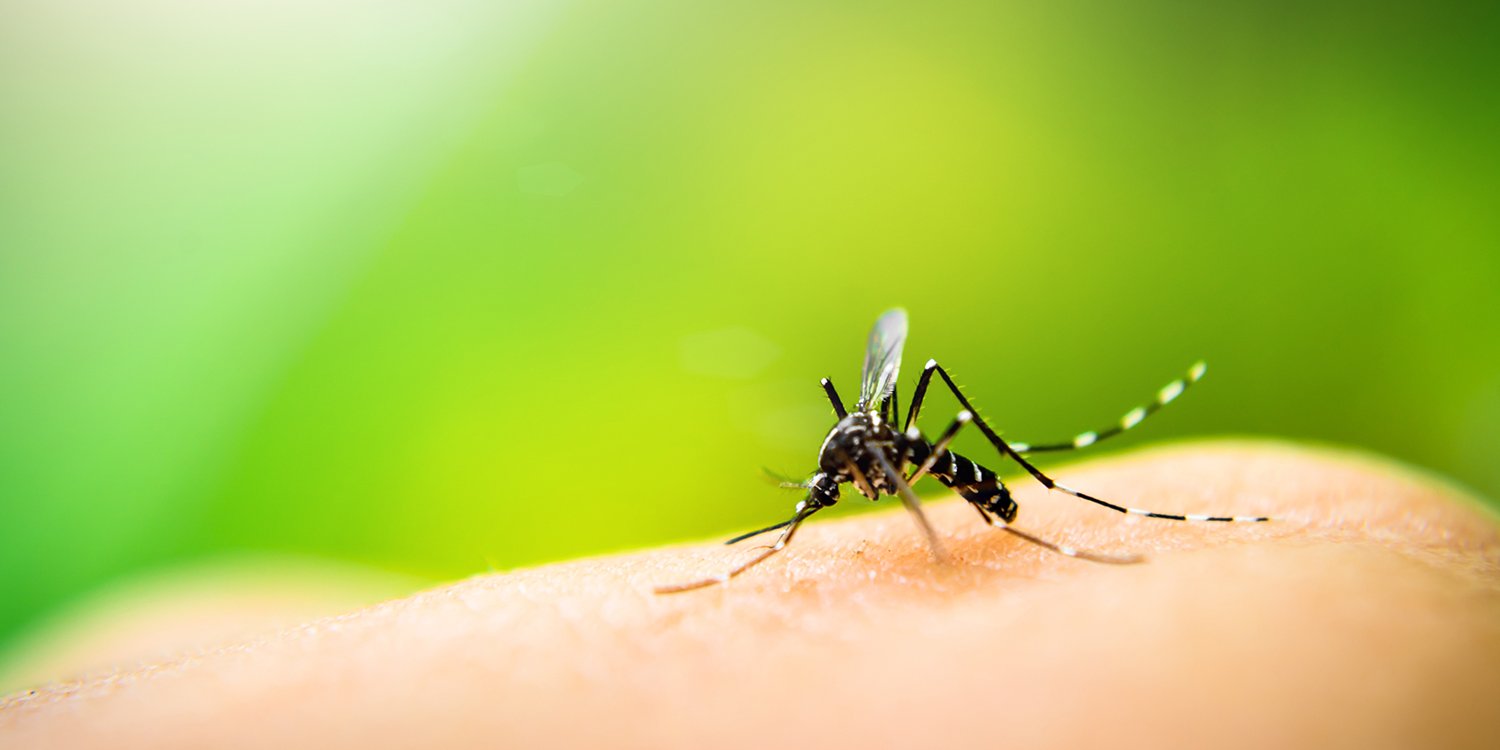
Parasites known as Plasmodium cause malaria. An infected female Anopheles mosquito usually passes these parasites to humans when it bites them. Several types of malaria parasites can infect people, but Plasmodium falciparum causes most malaria infections of concern in Uganda and can lead to severe illness. After entering the body, the parasite travels through the bloodstream and completes different stages of its life cycle. The infection can eventually cause fever, chills, headache, weakness, sweating, body aches, nausea, and other symptoms. In some cases, P. falciparum malaria can become serious very quickly, especially when a patient does not receive treatment early.
Although malaria can become dangerous, people can prevent and treat it. Early diagnosis and proper medical care play an important role in preventing severe illness. Travelers should not panic if they develop a fever, but they should never ignore it either. Anyone who becomes unwell during or after a Uganda safari should tell a doctor about their recent travel history, even if symptoms begin after they return home. Mentioning the Uganda trip helps medical professionals consider malaria quickly and arrange the necessary tests without unnecessary delay.
How Does Malaria Spread?
An infected female Anopheles mosquito usually transmits malaria when it bites a person and passes the malaria parasite into the bloodstream. A mosquito first picks up the parasite when it feeds on someone who already carries malaria parasites. The parasites then develop inside the mosquito. During a later bite, that mosquito can pass the parasites to another person. This cycle explains the close connection between malaria and mosquito activity. It also explains why reducing mosquito bites gives travelers one of the most effective forms of protection.
Malaria does not normally spread through everyday personal contact. You cannot catch malaria by shaking hands, hugging someone, sharing meals, sleeping in the same room, sitting beside another traveler, or using the same bathroom. Some visitors worry unnecessarily about spending time around someone who has malaria, but normal social contact does not create the main risk. Mosquito exposure creates the primary concern for travelers, which is why malaria prevention focuses on repellent, protective clothing, sleeping arrangements, and preventive medication rather than avoiding other people.
Is Malaria Found Throughout Uganda?
Travelers should treat Uganda as a malaria-risk destination throughout the country. This matters because most Uganda safari itineraries take visitors through several regions instead of keeping them in one location. A typical journey may start in Entebbe, continue through Kampala or Jinja, and then move toward Murchison Falls National Park, Kibale National Park, Queen Elizabeth National Park, Bwindi Impenetrable National Park, Lake Bunyonyi, and Lake Mburo National Park before returning to Entebbe. Conditions differ between these destinations, but visitors should maintain their malaria prevention routine throughout the journey.
Some travelers feel tempted to stop using repellent or malaria medication after reaching a cooler or higher-altitude destination. However, travelers should always take their malaria medicine according to the instructions from their healthcare professional and continue protecting themselves from mosquitoes even when they see fewer insects. Cooler weather does not automatically remove malaria risk. Maintaining the same prevention routine from the beginning to the end of the safari usually provides a simpler and more reliable approach than trying to calculate the risk at each destination.
Is There Malaria in Kampala?
Kampala, Uganda’s capital city, serves as a major starting point for safaris, business trips, conferences, and cultural tours. Some travelers assume that malaria mainly affects rural areas, but visitors should continue using malaria prevention measures while staying in Kampala. Buildings, improved drainage, air conditioning, and other infrastructure may reduce mosquito numbers in some neighborhoods. However, mosquitoes can still breed around wetlands, gardens, drainage channels, vegetation, and places where water collects.
Many good hotels in Kampala offer screened windows, air conditioning, mosquito-control measures, or well-sealed rooms that can reduce mosquito exposure. Nevertheless, travelers often spend time outdoors at restaurants, gardens, rooftop lounges, cultural centers, and other evening venues. Applying repellent before going for dinner or sitting outside in the evening creates a simple and useful habit. Guests should also continue taking any malaria prevention medicine their doctor prescribed according to the recommended schedule.
Is There Malaria in Entebbe?
Entebbe plays an important role in Uganda tourism because the town hosts Uganda’s main international airport. Many travelers spend their first or final night there, while others stay longer to explore the botanical gardens, Lake Victoria, Mabamba Swamp, and nearby attractions. Lush vegetation surrounds much of Entebbe, and the town sits beside Lake Victoria. These conditions mean visitors may encounter mosquitoes, particularly during the evening and around gardens, wetlands, and other places close to water.
Visitors staying in Entebbe should therefore continue using mosquito repellent and follow their malaria medication schedule. Modern hotels can reduce mosquito exposure indoors, but travelers still spend time outside. Anyone visiting Mabamba Swamp to search for the Shoebill should pay particular attention to insect protection because wetland environments support many kinds of insects. Long trousers, long sleeves, effective repellent, and closed footwear can improve comfort and provide additional protection.
Is There Malaria in Murchison Falls National Park?
Murchison Falls National Park ranks among Uganda’s most popular safari destinations and offers exciting game drives, boat safaris, birdwatching, wildlife photography, and spectacular views of the Nile. Travelers spend a lot of time outdoors here, particularly during early morning and evening activities, so they should continue using malaria prevention measures throughout their visit. Many safari lodges provide mosquito nets, screened rooms, or other mosquito-control measures, but guests should still take personal precautions.
Safari visitors may begin game drives before sunrise, enjoy sunset views over the savannah, or spend evenings dining outside. Mosquito activity can increase during these periods. Lightweight long trousers and long-sleeved shirts can protect more skin without making travelers feel excessively hot. Visitors should also apply mosquito repellent according to the manufacturer’s instructions and remember commonly exposed areas such as ankles, wrists, hands, and the neck.
Is There Malaria in Queen Elizabeth National Park?
Queen Elizabeth National Park attracts visitors with its wildlife, crater lakes, Kazinga Channel, elephants, large buffalo herds, hippos, leopards, and the famous tree-climbing lions of Ishasha. Wetlands, lakes, savannah, woodland, and other natural habitats form part of this diverse landscape, and some of these environments support mosquito populations. Travelers visiting Queen Elizabeth National Park should therefore continue taking their malaria medicine according to medical advice and maintain personal mosquito protection.
Evening game drives, Kazinga Channel boat safaris, outdoor dinners, and time spent relaxing on lodge terraces may increase exposure to insects. Carrying mosquito repellent in a day bag makes more sense than leaving it inside the room because travelers can reapply it whenever necessary. Long-sleeved shirts and long trousers also provide useful protection during late afternoon and evening activities. Before sleeping, guests should make sure their mosquito net covers the bed correctly, particularly in safari lodges with open or natural designs.
Is There Malaria in Bwindi Impenetrable National Park?
Bwindi Impenetrable National Park enjoys worldwide fame because it protects almost half of the world’s mountain gorilla population. The region has cooler temperatures and a mountainous landscape, and this sometimes causes travelers to assume that malaria presents no concern. However, visitors should continue following professional malaria prevention advice throughout their Uganda journey. Bwindi contains different sectors and elevations, while most travelers pass through several lower and warmer regions before or after their gorilla trekking experience.
Fortunately, normal gorilla trekking clothing already provides good protection against many insects. Long trousers, long-sleeved shirts, hiking boots, socks, gloves, and gaiters cover much of the body and make trekking through thick vegetation more comfortable. Insect repellent gives extra protection around exposed areas such as the hands and neck. Travelers should also continue taking their malaria medication according to the original schedule unless a qualified healthcare professional advises them to change it.
Is There Malaria Around Lake Bunyonyi?
Lake Bunyonyi ranks among Uganda’s most beautiful highland destinations, and many travelers visit after gorilla trekking because the peaceful surroundings offer an excellent place to relax. Cooler temperatures and higher elevation can affect mosquito activity, but visitors should not use these conditions as a reason to stop malaria prevention. A traveler may arrive from a warmer, lower area and later continue to another region, so maintaining the same malaria prevention routine throughout the trip offers the easiest approach.
Gardens, hills, vegetation, and water surround many lodges around Lake Bunyonyi. Insects can therefore remain present, particularly during the evening. Wearing long clothing while enjoying dinner beside the lake and applying mosquito repellent can provide useful additional protection. Visitors should also continue taking their malaria medicine according to their doctor’s instructions rather than changing the schedule based on temperature or altitude.
Is There Malaria in Kibale National Park?
Kibale National Park offers Uganda’s leading chimpanzee trekking experience and contains tropical forest, wetlands, streams, and rich vegetation. These natural environments make insect protection an important part of a comfortable safari. Visitors often spend several hours walking through the forest, exploring Bigodi Wetland Sanctuary, watching primates, or relaxing around forest lodges. Suitable clothing can improve comfort while reducing exposure to mosquitoes and other insects.
Long trousers, long-sleeved shirts, closed shoes, socks, and insect repellent work well during chimpanzee trekking and other forest activities. Travelers should also take malaria prevention medicine according to the advice they received before traveling. Kibale’s forest can feel cool and pleasant, especially during the morning, but visitors should not interpret comfortable temperatures as complete protection against malaria.
Is There Malaria in Jinja?
Jinja has earned a reputation as Uganda’s adventure capital and attracts travelers who want to experience the River Nile through rafting, kayaking, boat cruises, horseback riding, quad biking, fishing, and riverside relaxation. Many activities happen close to water, so visitors may encounter mosquitoes and other insects, particularly toward the evening. Riverside vegetation and gardens can also provide suitable habitats for mosquitoes.
Guests staying at riverside lodges should apply mosquito repellent before sunset activities or outdoor dinners. Lightweight long sleeves and trousers offer additional protection while remaining comfortable in Uganda’s warm climate. Travelers who take malaria medication should continue following the schedule their healthcare professional provided before the trip.
Is There Malaria in Lake Mburo National Park?
Lake Mburo National Park offers a convenient safari stop between western Uganda and Kampala or Entebbe. Visitors can see zebras, giraffes, impalas, elands, buffaloes, hippos, and numerous bird species while enjoying game drives, nature walks, boat trips, cycling, and horseback safaris. As with other destinations in Uganda, travelers should continue their malaria prevention routine throughout their stay.
Natural vegetation and open wilderness surround many lodges and camps in the Lake Mburo region. Guests may also spend time enjoying outdoor dinners, campfires, or evening relaxation while listening to the sounds of the bush. Mosquito repellent, long clothing, suitable sleeping arrangements, and prescribed preventive medicine therefore work together to give travelers better protection.
Does Altitude Reduce Malaria Risk?
Altitude can influence malaria transmission because cooler temperatures can make survival and parasite development more difficult for mosquitoes. As a result, some highland areas may experience lower transmission levels than warmer lowland regions. However, travelers should never treat altitude as a guarantee against malaria because temperatures, weather patterns, mosquito populations, and local conditions can change. Safari itineraries also move visitors between different elevations within short periods.
For example, a traveler may spend one night in Entebbe, several days around Queen Elizabeth National Park, and then travel into the Bwindi highlands. These locations have very different landscapes and climates. Travel-health professionals therefore consider the complete travel itinerary instead of asking tourists to assess malaria risk independently at every destination. Following one consistent prevention plan throughout the journey usually makes the process easier.
Is Malaria Worse During the Rainy Season?
Rainfall can increase mosquito breeding because mosquitoes need water during part of their life cycle. Uganda experiences wetter and drier seasons, although rainfall patterns and timing differ between regions. Heavy rain can create temporary pools, fill drainage channels, expand wetlands, and leave small water collections where mosquitoes may reproduce. As a result, some areas can experience greater mosquito activity after periods of rainfall.
However, malaria does not disappear during Uganda’s drier months. Permanent rivers, lakes, wetlands, ponds, and other water sources continue providing suitable mosquito habitats even when rainfall decreases. Travelers should therefore maintain malaria prevention throughout the year rather than assuming that a dry-season safari removes the risk.
Do I Need Malaria Tablets for Uganda?
Current international travel guidance recommends prescription malaria prevention medicine for travelers visiting Uganda. The most suitable medicine depends on the individual traveler, which is why visitors should speak with a doctor or travel-health professional before departure. A healthcare provider may consider age, medical history, allergies, pregnancy, other prescription medicines, previous reactions to malaria medication, trip duration, and existing health conditions before recommending an option.
Travelers should avoid simply copying the malaria medicine used by a friend, relative, or previous safari guest. A medicine that works well for one person may not suit another. Malaria medicines also have different dosing schedules, possible side effects, interactions, and medical restrictions. Professional advice helps travelers choose an option that suits their individual circumstances.
Which Malaria Medicines Can Travelers Use for Uganda?
Healthcare professionals may consider several prescription medicines for malaria prevention in Uganda, including atovaquone-proguanil, doxycycline, mefloquine, and tafenoquine. The best option depends on a traveler’s medical history and individual circumstances. Some options require daily doses, while others follow a different schedule. Travelers may also need to start certain medicines before entering a malaria-risk area and continue them for a specific period after leaving.
Because these malaria medicines differ, travelers should not choose one simply because another tourist recommended it or because one option appears easier to take. A doctor or qualified travel-health specialist can explain the benefits, limitations, possible side effects, and medical restrictions associated with each medicine. This allows the traveler and healthcare professional to make an appropriate choice together.
When Should I Start Malaria Medication?
The correct starting time depends on the malaria medicine a doctor recommends. Some options begin shortly before a traveler enters a malaria-risk destination, while others require an earlier start. Different medications also require travelers to continue treatment for different lengths of time after leaving Uganda. Therefore, travelers should arrange a travel-health consultation several weeks before departure whenever possible instead of waiting until the final day.
Early preparation also creates enough time to discuss vaccinations, travel insurance, regular medication, food and water safety, allergies, and any personal health conditions that may affect the journey. Travelers who book a Uganda safari at short notice should still seek professional advice. A doctor can explain which preventive measures remain suitable even when departure approaches quickly.
Can Malaria Tablets Guarantee Protection?
No malaria prevention medicine provides complete protection, so travelers should combine medication with measures that reduce mosquito bites. Preventive medicine creates one important layer of defense, while insect repellent, mosquito nets, screened accommodation, protective clothing, and sensible evening routines provide additional layers.
Combining these measures offers stronger protection than depending on only one method. A traveler who takes malaria medicine correctly should still use mosquito repellent and protective clothing. Similarly, someone who regularly applies repellent should not automatically ignore a healthcare professional’s recommendation to take preventive medication. Each measure contributes to a broader malaria prevention strategy.
What Are the Symptoms of Malaria?
Malaria can cause fever, chills, headache, sweating, weakness, tiredness, body aches, nausea, and general discomfort. During the early stages, some travelers may mistake these symptoms for influenza, dehydration, food poisoning, jet lag, or normal safari exhaustion because several common illnesses can produce similar signs.
Travelers should take unexplained fever seriously during or after a Uganda safari. Plasmodium falciparum malaria can progress quickly and cause severe illness when a patient does not receive timely treatment. Early medical assessment allows healthcare professionals to perform suitable tests and begin the correct treatment quickly when they confirm malaria.
Can Malaria Start After Returning Home?
Yes. Malaria symptoms can develop after a traveler has returned home. For this reason, recent travel history remains important even after the safari ends. Anyone who develops fever, chills, unusual weakness, or other concerning symptoms after visiting Uganda should contact a healthcare professional and clearly explain when and where they traveled.
Doctors who work in countries where malaria rarely occurs may not immediately consider malaria unless a patient mentions recent travel to a malaria-endemic destination. Clearly telling the medical team that you visited Uganda can help them consider the correct tests more quickly and reduce delays in diagnosis.
Is Malaria Treatable?
Yes. Doctors can successfully treat malaria, particularly when they diagnose the infection early and begin appropriate treatment quickly. The correct treatment depends on factors such as the malaria parasite involved, the severity of the infection, the patient’s health, and other clinical considerations. Medical testing helps healthcare professionals identify malaria and choose suitable treatment.
Travelers should avoid diagnosing themselves or taking random medication simply because they develop fever. Many illnesses can produce similar symptoms, and the correct diagnosis matters. Seeking professional medical care gives travelers the best chance of receiving appropriate testing and treatment.
Should I Worry About Malaria Every Day on Safari?
No. Travelers should turn malaria prevention into a simple routine rather than allowing fear to dominate the safari experience. Once you have discussed medication with your doctor, packed an effective mosquito repellent, and prepared suitable clothing, the daily routine becomes straightforward. Take your medication at the recommended time, apply repellent when necessary, wear long clothing during periods of greater mosquito activity, and use the mosquito protection provided by your lodge.
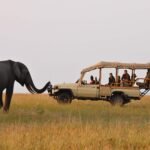
After taking these sensible precautions, focus on enjoying Uganda. Watch lions resting across the savannah, photograph elephants near the Nile, listen to chimpanzees calling through Kibale Forest, trek mountain gorillas in Bwindi, cruise along the Kazinga Channel, and experience the landscapes and communities that make Uganda special. Good preparation should give travelers confidence rather than create fear.
Why Should Travelers Use Mosquito Repellent?
Mosquito repellent forms an important part of malaria prevention because it reduces the chance of mosquitoes biting exposed skin. Travelers should carry an effective repellent during their Uganda safari and apply it according to the product instructions. Repellent becomes particularly useful during evening activities, early morning departures, forest walks, boat trips, wetland visits, outdoor dinners, and time spent relaxing around lodge gardens.
Visitors should remember areas such as the ankles, wrists, hands, and neck because mosquitoes can reach small patches of exposed skin. A small bottle inside a day bag makes it easier to reapply repellent while away from the lodge. Travelers should follow the manufacturer’s directions about how often to apply the product and whether they can use it on clothing.
Should I Wear Long Clothes in Uganda?
Long clothing provides a simple physical barrier between mosquitoes and the skin. Lightweight long trousers and long-sleeved shirts work particularly well during early morning and evening safari activities. Travelers do not need heavy clothing because much of Uganda has a pleasant tropical climate. Breathable fabrics provide coverage while allowing visitors to remain comfortable during game drives, lodge activities, and nature walks.
Long clothing also offers benefits beyond malaria prevention. Safari travelers can gain protection from the sun, vegetation, dust, and other insects. During gorilla and chimpanzee trekking, long trousers and sleeves also protect the skin while moving through forest vegetation. Choosing practical safari clothing therefore improves both comfort and insect protection.
Should I Sleep Under a Mosquito Net?
Mosquito nets provide another valuable layer of protection during a Uganda safari. Many safari lodges, hotels, and camps supply nets over guest beds, particularly in areas where mosquitoes commonly occur. Before sleeping, guests should make sure the net covers the entire sleeping area and does not leave large gaps that mosquitoes could use to enter.
Travelers should also avoid leaving bedroom doors open for long periods during the evening. Where accommodation provides screened windows or air conditioning, guests can keep windows and doors closed according to lodge instructions. These small habits help reduce the number of mosquitoes inside the room and make sleeping more comfortable.
Do Safari Lodges in Uganda Have Mosquito Nets?
Many Uganda safari lodges and camps provide mosquito nets or use alternative mosquito-control systems. Tented camps commonly hang large nets around beds, while modern hotels may rely on a combination of air conditioning, screened windows, sealed rooms, and other control measures. Accommodation styles differ, so travelers should not expect every property to use exactly the same system.
Even when a lodge offers excellent mosquito protection, guests should continue following their personal malaria prevention routine. Travelers often spend considerable time outside their rooms while dining, walking around lodge grounds, enjoying a campfire, or watching wildlife from a terrace. Personal precautions remain useful regardless of the accommodation category.
Does Staying in a Luxury Lodge Remove Malaria Risk?
Luxury accommodation can provide excellent mosquito-control measures, but paying more for a room does not automatically remove malaria risk. High-end safari lodges often use mosquito nets, screened rooms, air conditioning, room treatment, or other systems to reduce mosquitoes. These measures improve comfort and lower exposure while guests remain indoors.
However, safari travelers spend a significant amount of time outside. Sunset drinks, outdoor dinners, evening wildlife viewing, early morning coffee, boat safaris, and game drives can all expose visitors to mosquitoes. For this reason, travelers should continue using repellent, protective clothing, and any preventive medicine their healthcare professional recommends.
Can Children Get Malaria in Uganda?
Yes. Malaria can affect children, and parents should take prevention seriously when planning a family safari. Before traveling, families should discuss the trip with a qualified doctor or travel-health specialist. A healthcare professional can consider the child’s age, weight, medical history, and other factors before recommending suitable malaria prevention.
Parents should also pack child-appropriate mosquito repellent, lightweight long clothing, socks, and other useful protective items. During the safari, adults can help children follow a consistent routine by applying repellent correctly, checking mosquito nets, and following medical instructions. Good preparation allows families to enjoy Uganda while taking sensible precautions.
Can Pregnant Travelers Visit Uganda?
Pregnant travelers should seek professional medical advice before visiting a malaria-endemic destination because malaria may create additional risks during pregnancy. Pregnancy can also influence which preventive medicines a doctor considers suitable. A specialist who understands the traveler’s health history can discuss the risks, possible medication choices, and other travel-health considerations.
Pregnant visitors should never take another traveler’s malaria medicine without professional guidance. The safest approach involves discussing the Uganda itinerary with a qualified healthcare provider well before departure. This gives the traveler enough time to understand the available options and make informed decisions about the journey.
Can You Get Malaria During the Dry Season?
Yes. Uganda’s dry season does not completely remove mosquitoes or malaria risk. Lakes, rivers, wetlands, drainage areas, irrigation, and other permanent sources of water can continue supporting mosquito populations even when rainfall decreases. Some regions may experience fewer mosquitoes during dry periods, but travelers should never assume this means malaria has disappeared.
Anyone visiting Uganda during popular drier travel periods should follow the same prevention plan that they would use during wetter months. Continue taking recommended malaria medicine, use repellent, wear suitable clothing during periods of mosquito activity, and sleep in accommodation that provides appropriate mosquito protection.
Can You Get Malaria on a Short Uganda Safari?
Yes. A short stay does not eliminate malaria risk because an infected mosquito can transmit the parasite through a single bite. Someone visiting Uganda for only three, four, or five days should therefore take malaria prevention just as seriously as a traveler spending several weeks in the country.
Travelers planning short gorilla trekking safaris, business trips, weekend visits, or brief stopovers should discuss malaria prevention with a healthcare professional before traveling. The length of the holiday forms only one part of the overall risk assessment.
Can You Catch Malaria From Food or Water?
No. Eating food or drinking water does not normally transmit malaria. An infected Anopheles mosquito causes the usual form of malaria transmission when it bites a person. Travelers should still follow sensible food and water safety practices because contaminated food or water can cause other illnesses, but those health concerns differ from malaria.
Similarly, sharing food with someone who has malaria does not normally spread the disease. Travelers can eat together, travel in the same safari vehicle, and stay in the same accommodation without malaria spreading through normal personal contact.
Can You Catch Malaria From Another Person?
Normal everyday contact does not spread malaria. Hugging another person, shaking hands, sitting together, sharing a meal, or sleeping in the same building does not create the usual route of infection. Mosquitoes provide the main transmission route in malaria-endemic regions.
Understanding this fact helps travelers avoid unnecessary fear or stigma. The best prevention focuses on reducing mosquito bites and following appropriate medical advice rather than avoiding people who have experienced malaria.
What Should I Do If I Feel Sick During a Uganda Safari?
Tell your safari guide or lodge staff promptly if you develop fever, chills, unusual weakness, severe headache, or other concerning symptoms. Do not hide your illness because you worry about missing a game drive, gorilla trek, chimpanzee experience, or boat safari. Your health should always come first.
A safari guide can assist with practical arrangements and help you reach medical services when necessary. Qualified healthcare professionals should handle diagnosis and treatment. Travelers should also keep their travel insurance information, emergency contact details, prescription information, and passport easily accessible.
Why Should I Tell My Doctor About My Uganda Trip?
Travel history can play an important role in diagnosing malaria. A doctor working in Europe, North America, Asia, Australia, or another region where malaria rarely occurs may consider many other explanations for fever before thinking about malaria. Telling the doctor that you recently visited Uganda gives them important information immediately.
Travelers should mention the dates of the Uganda trip, the regions they visited, when the symptoms started, and whether they took malaria prevention medicine. Clear information can help healthcare professionals make faster and more informed decisions.
Can I Stop Taking Malaria Medicine When I Leave Uganda?
Travelers should follow the complete schedule their doctor gives them. Some malaria prevention medicines require travelers to continue taking them after leaving the malaria-risk destination. Different medicines follow different schedules, so visitors should not simply stop taking tablets when they board the flight home.
Stopping medicine earlier than recommended can reduce protection. Before traveling, ask your healthcare provider how long you must continue the medication after leaving Uganda. A phone reminder can help travelers follow the schedule consistently during and after the safari.
Should I Carry Malaria Medicine in My Hand Luggage?
Keeping important prescription medicine in hand luggage makes practical sense because checked luggage can sometimes become delayed or misplaced. Travelers should carry enough medicine for the full trip and any required period after leaving Uganda. Keeping medicines in their original packaging can also make identification easier.
Travelers with regular prescription medication should consider carrying a copy of the prescription or a medical letter where appropriate. This can help if they lose medicine or need medical attention during the journey.
How Can Lena Tours Help Travelers Prepare?
Lena Tours helps visitors plan organized, comfortable, and memorable Uganda safaris. Before arrival, guests can receive practical guidance about destinations, accommodation, transportation, gorilla permits, chimpanzee permits, safari activities, packing requirements, and general travel preparation. We also encourage guests to seek professional travel-health advice before arriving in Uganda.
Qualified healthcare professionals should make medical decisions, including choosing malaria prevention medication. Lena Tours does not replace a doctor or travel clinic. Instead, our role involves helping travelers prepare practically and reminding guests about important aspects of safari planning so they can arrive ready to enjoy their holiday.
Preparing for Your Uganda Safari
Start your Uganda safari preparation several weeks before departure whenever possible. Check passport validity, arrange comprehensive travel insurance, review vaccination requirements, discuss malaria prevention with a healthcare professional, purchase suitable insect repellent, and pack lightweight safari clothing. Travelers should also bring enough of their regular prescription medicine for the complete trip.
Good preparation removes much of the unnecessary stress that people sometimes experience before traveling to Africa for the first time. Once you organize the essential health and travel requirements, you can focus on the exciting parts of the journey, including wildlife viewing, gorilla trekking, chimpanzee trekking, boat safaris, cultural experiences, and photography.
Why Uganda Remains an Amazing Safari Destination
The presence of malaria should not define Uganda or prevent properly prepared travelers from visiting. Uganda offers an extraordinary variety of experiences within a relatively compact country. Mountain gorillas live in ancient forests, chimpanzees move through Kibale’s trees, lions roam Queen Elizabeth National Park, and elephants gather around rivers and savannah landscapes. Murchison Falls creates one of the Nile’s most dramatic sights, while Lake Bunyonyi offers peaceful scenery among green highland hills.
Visitors can also explore Jinja and the River Nile, search for rhinos at Ziwa Rhino Sanctuary, photograph Shoebills in Mabamba Swamp, watch tree-climbing lions in Ishasha, and enjoy cultural encounters throughout the country. Malaria prevention represents one practical part of preparing for these experiences rather than a reason to avoid them.
Responsible Travel Means Good Preparation
Responsible travelers research the destination before departure and prepare for the conditions they may encounter. They check passport and entry requirements, arrange insurance, pack suitable clothing, respect wildlife regulations, follow ranger instructions, and seek professional health advice. Malaria prevention fits naturally into this preparation.
Travelers who understand the risk can make sensible decisions without allowing malaria to dominate their holiday. Take the recommended precautions, keep a consistent routine, and seek medical attention quickly if you develop concerning symptoms. After that, focus on enjoying Uganda and the experiences that brought you to the Pearl of Africa.
Final Answer: Is There Malaria in Uganda?
Yes, malaria occurs in Uganda, and travelers should prepare before visiting. Current travel-health guidance recommends malaria prevention medicine for travelers to Uganda, together with practical mosquito-bite prevention methods such as effective repellent, suitable long clothing, mosquito nets, and screened accommodation. Plasmodium falciparum causes most of the malaria infections of concern in Uganda, so travelers should take prevention and early treatment seriously.
Fortunately, malaria should not prevent a well-prepared visitor from enjoying a Uganda safari. Professional medical advice, proper prevention, sensible travel habits, and quick attention to suspicious symptoms can greatly reduce health risks. Uganda continues to offer some of Africa’s most memorable safari experiences, including mountain gorillas, chimpanzees, lions, elephants, rhinos, giraffes, incredible birdlife, breathtaking landscapes, and welcoming communities.
Prepare properly, follow your healthcare professional’s advice, and enjoy the Pearl of Africa with Lena Tours.
Lena Tours – Discover Uganda, Explore Africa.
Website: www.lenatours.africa
Health note: This article provides general travel information and does not replace personal medical advice. Malaria recommendations can change, so travelers should consult a qualified doctor or travel-health professional before visiting Uganda.
Plan Your Safari with Lena Tours
Complete the enquiry form below and our safari specialists will prepare a personalised itinerary and quotation for your journey.