Can I Combine a Wildlife Safari with Primates in Uganda?
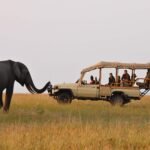
Yes, you can combine a wildlife safari with primate experiences in Uganda, and for many travelers, this is one of the best ways to enjoy the country. Uganda is special because it allows visitors to experience classic African wildlife, tropical forests, mountain gorillas, chimpanzees, beautiful lakes, waterfalls, rivers, and rich local culture within one journey. A traveler can spend one morning watching lions, elephants, buffaloes, giraffes, and antelopes in an open savannah, then continue to a tropical forest where chimpanzees call from the trees. A few days later, the same safari can lead into the misty mountains of Bwindi Impenetrable National Park for a close encounter with mountain gorillas. This combination gives visitors a much broader safari experience than choosing only wildlife or only primates.
Uganda works especially well for combined safaris because its major national parks connect naturally through well-established tourism routes. Murchison Falls National Park, Kibale National Park, Queen Elizabeth National Park, Bwindi Impenetrable National Park, Mgahinga Gorilla National Park, and Lake Mburo National Park can all fit into a longer itinerary without forcing travelers to repeat the same route many times. For visitors who want variety, this makes Uganda an excellent choice. Instead of spending the entire holiday on game drives, you can combine savannah wildlife, boat safaris, forest walks, gorilla trekking, chimpanzee trekking, birdwatching, cultural visits, and scenic drives. Lena Tours can arrange this kind of journey according to your available time, preferred accommodation, budget, fitness level, and travel interests.
Why Combine Wildlife and Primates in Uganda?
Combining wildlife with primate trekking creates a more complete picture of Uganda’s natural beauty. Many African safari destinations are famous for open plains and large mammals, while others are better known for rainforest experiences. Uganda brings both worlds together. In Murchison Falls National Park, visitors can search for lions, elephants, giraffes, buffaloes, hartebeests, and many other animals before taking a boat safari along the Nile. In Kibale National Park, the scenery changes completely as travelers enter a green tropical forest in search of chimpanzees. Queen Elizabeth National Park then returns visitors to open savannah, crater lakes, and the Kazinga Channel before the journey continues south toward Bwindi for mountain gorilla trekking.
This variety makes every part of the safari feel different. One day may begin with a sunrise game drive, while another starts with a forest briefing before tracking chimpanzees. Later, travelers may spend an afternoon cruising past hippos and elephants before ending the evening at a safari lodge overlooking the savannah. By the time the journey reaches Bwindi, visitors enter a completely different environment filled with steep green hills, dense forest, birds, butterflies, and primates. Because the landscapes change so much, the trip rarely feels repetitive.
Uganda Is One of Africa’s Most Diverse Safari Destinations
Uganda has earned the name Pearl of Africa because of its remarkable range of landscapes and wildlife. The country includes tropical forests, savannahs, wetlands, lakes, rivers, mountains, volcanic landscapes, and fertile highlands. This environmental diversity allows many different animal species to live within a relatively compact country. Large mammals such as elephants, lions, buffaloes, giraffes, zebras, hippos, leopards, and rhinos can form part of the same journey as gorillas, chimpanzees, golden monkeys, colobus monkeys, and other primates.
For travelers planning one major African holiday, this diversity offers excellent value. Instead of choosing between a wildlife safari and a primate trip, visitors can experience both. A well-designed route can connect each destination in a logical order while reducing unnecessary driving. Lena Tours can also adjust the pace so travelers have enough time to rest between long drives, trekking days, and early safari mornings.
What Wildlife Can You See in Uganda?
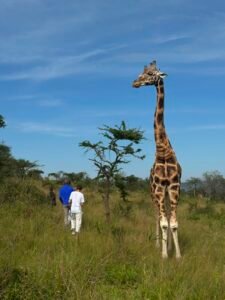
Uganda offers excellent wildlife viewing in several national parks. Murchison Falls National Park is particularly good for giraffes, elephants, buffaloes, lions, hartebeests, antelopes, hippos, crocodiles, and a wide variety of birds. The park also gives visitors the chance to enjoy game drives and Nile boat safaris within the same destination. Watching elephants walking near the river while hippos rest in the water creates a very different experience from simply driving across the savannah.
Queen Elizabeth National Park provides another strong wildlife experience. Travelers can search for elephants, buffaloes, lions, leopards, Uganda kobs, warthogs, hippos, and many other species. The Ishasha sector in the southern part of the park is famous for tree-climbing lions, which sometimes rest on the branches of large fig trees. Meanwhile, the Kazinga Channel supports large numbers of hippos, water birds, buffaloes, and elephants. A boat safari here often becomes one of the most memorable parts of a Uganda journey because visitors can watch wildlife from the water at relatively close range.
Lake Mburo National Park adds another dimension. Zebras, impalas, elands, giraffes, buffaloes, hippos, and other animals occur here. Unlike some larger national parks, Lake Mburo also offers activities such as nature walks, cycling, and horseback safaris in selected areas. These experiences give travelers different ways to explore the landscape beyond the traditional safari vehicle.
Which Primates Can You See in Uganda?
Uganda is one of Africa’s leading primate destinations. The country is especially famous for mountain gorillas and chimpanzees, but visitors can also encounter several other primate species. Depending on the destination, travelers may see black-and-white colobus monkeys, red-tailed monkeys, blue monkeys, olive baboons, vervet monkeys, L’Hoest’s monkeys, grey-cheeked mangabeys, and golden monkeys.
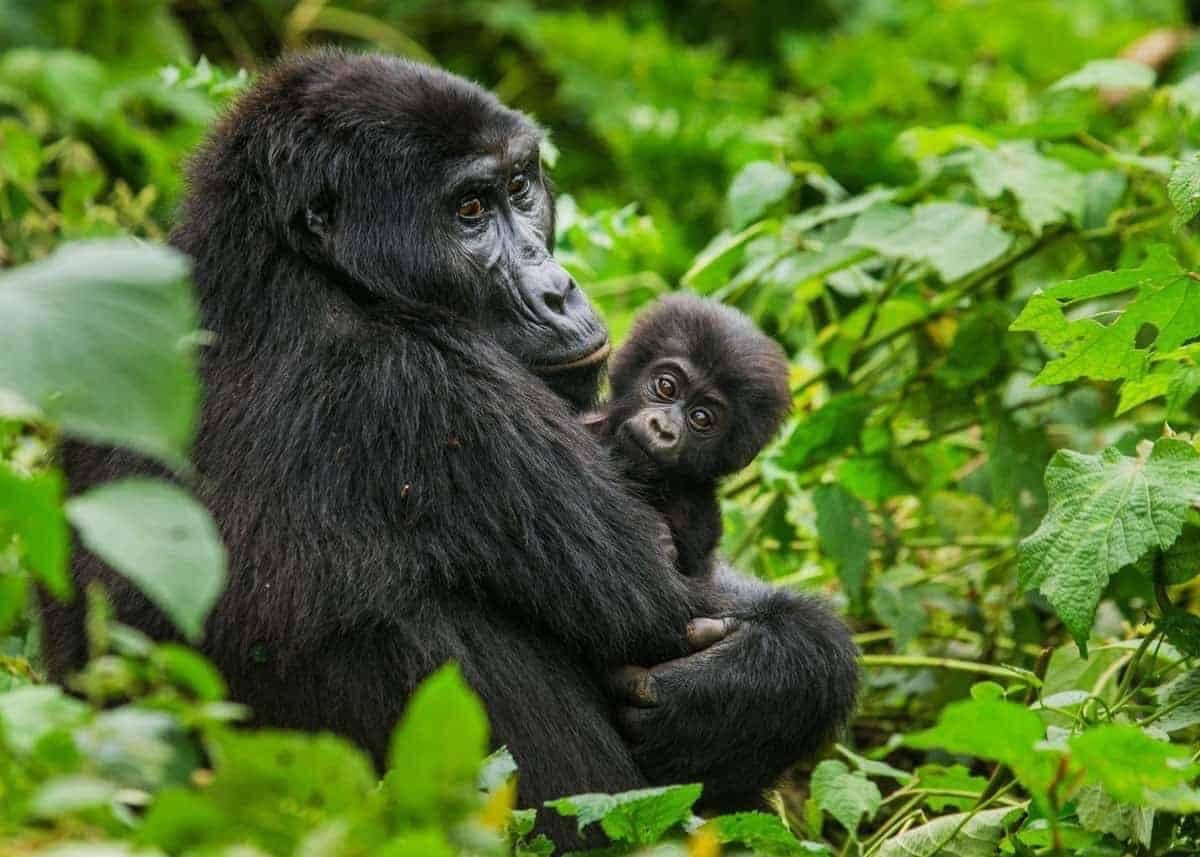
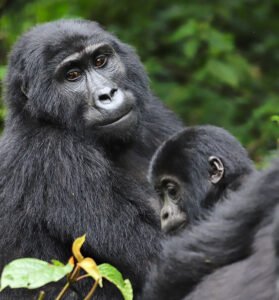
Mountain gorillas attract many international visitors to Bwindi Impenetrable National Park and Mgahinga Gorilla National Park. Chimpanzees are most famously tracked in Kibale National Park, although other areas in Uganda also support chimpanzee populations. Golden monkey tracking takes place in Mgahinga Gorilla National Park and can easily complement a gorilla trekking experience for visitors with additional time.
Gorilla Trekking and Wildlife Safari in One Trip
Gorilla trekking combines very well with a classic wildlife safari because the journey south or west can pass through several major national parks. A traveler may begin with Murchison Falls, continue through Kibale and Queen Elizabeth, then finish with Bwindi. This route creates a natural progression from savannah wildlife to forest primates.
The gorilla trekking day often becomes the emotional highlight of the entire safari. Visitors start early with a briefing from park officials before entering the forest with trained guides and trackers. The trek can take different lengths of time depending on the location of the gorilla family, terrain, and movement of the animals. Once the group reaches the gorillas, visitors can spend the allowed viewing period observing their behavior, social interactions, feeding habits, and movement through the forest.
Seeing gorillas after several days of wildlife viewing can feel particularly special because the experience differs completely from a game drive. Instead of watching animals from a vehicle, visitors walk through the forest and encounter gorillas on foot under the supervision of experienced guides. The quiet, close nature of the experience creates a strong connection to the environment.
Chimpanzee Trekking and Wildlife Safari
Chimpanzee trekking provides another excellent addition to a wildlife safari. Kibale National Park is the best-known destination for chimpanzee tracking in Uganda and fits naturally between Murchison Falls National Park and Queen Elizabeth National Park. This location makes it easy to include chimpanzees without making major changes to the normal western Uganda safari route.
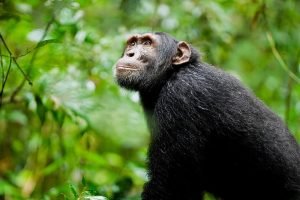
A chimpanzee trek differs from gorilla trekking in several ways. Chimpanzees move quickly through the forest and spend time both on the ground and in the trees. Their loud calls can echo across the forest long before visitors see them. Once trackers locate a chimpanzee community, travelers may watch feeding, grooming, resting, playing, and social interactions. The experience can feel energetic and exciting because chimpanzees are highly active and expressive.
Combining both gorilla and chimpanzee trekking gives travelers a deeper understanding of Uganda’s primate diversity. Mountain gorillas often appear calm and powerful, while chimpanzees can be fast-moving, vocal, and highly social. Seeing both species during one journey creates two very different but equally memorable forest experiences.
Which Parks Are Best for a Combined Safari?
Several parks work especially well when combining wildlife and primates. Murchison Falls National Park provides big game, giraffes, elephants, lions, boat safaris, and the dramatic Murchison Falls. Kibale National Park adds chimpanzee trekking and tropical forest scenery. Queen Elizabeth National Park offers game drives, the Kazinga Channel, tree-climbing lions, crater lakes, and excellent birdlife. Bwindi Impenetrable National Park provides mountain gorilla trekking and one of Uganda’s most impressive rainforest environments.
Travelers with additional days can include Mgahinga Gorilla National Park for golden monkey tracking, Lake Bunyonyi for relaxation, and Lake Mburo National Park for zebras, giraffes, nature walks, and another final wildlife experience before returning to Entebbe. Ziwa Rhino Sanctuary can also fit into the journey between Kampala or Entebbe and Murchison Falls, allowing visitors to experience rhino tracking and complete a broader Uganda wildlife circuit.
Murchison Falls National Park
Murchison Falls National Park makes an excellent first major wildlife destination for many combined Uganda safaris. Located in northwestern Uganda, the park is known for its dramatic waterfall, open savannah, large wildlife populations, and the River Nile. Visitors usually enjoy an early morning game drive followed by an afternoon boat safari toward the falls.
The game drive can reveal giraffes, elephants, buffaloes, lions, hartebeests, oribi, warthogs, and other wildlife. Birdwatchers also have many opportunities because the park supports an impressive variety of species. Later, the boat safari offers a different perspective as travelers see hippos, crocodiles, elephants, buffaloes, and water birds near the riverbanks. The boat approaches the base of Murchison Falls, where the Nile crashes through a narrow gorge and creates one of Uganda’s most dramatic natural scenes.
Including Murchison Falls at the beginning of a combined safari gives travelers a strong introduction to Uganda’s wildlife before the route turns toward forest destinations.
Ziwa Rhino Sanctuary
Ziwa Rhino Sanctuary can fit naturally into the drive between Kampala or Entebbe and Murchison Falls National Park. Rhino tracking offers visitors the opportunity to observe these large animals on foot under the guidance of trained rangers. For travelers who want to experience Uganda’s major large mammals, adding Ziwa can make the safari feel more complete.
The activity also provides a different type of wildlife encounter. Unlike a standard game drive, rhino tracking involves walking through the environment while following ranger instructions. The experience can serve as a useful introduction to Uganda’s conservation efforts before continuing to Murchison Falls.
Kibale National Park
Kibale National Park is one of the most important destinations in a combined wildlife and primate itinerary. The forest is famous for chimpanzees and supports many other primate species. Visitors often stay for at least two nights so they can enjoy chimpanzee tracking and still have enough time to relax or visit Bigodi Wetland Sanctuary.
The drive to Kibale also introduces travelers to beautiful countryside, tea plantations, small towns, and fertile agricultural areas. Once inside the forest region, the atmosphere changes from open savannah to cool green vegetation. This transition helps make the journey feel varied and interesting.
After chimpanzee trekking, visitors can continue south toward Queen Elizabeth National Park. The distance between these destinations makes them easy to combine, and the changing landscape provides excellent scenery along the way.
Queen Elizabeth National Park
Queen Elizabeth National Park gives travelers another strong wildlife experience after chimpanzee trekking. The park includes open savannah, crater lakes, wetlands, forests, and the Kazinga Channel. This diversity supports a wide range of animals and birds.
A typical visit may include an evening game drive after arrival, followed by another game drive and boat safari the next day. Lions, elephants, buffaloes, Uganda kobs, warthogs, hippos, and many other animals occur in the park. The Kazinga Channel boat safari offers especially good opportunities to see wildlife around the water.
Travelers heading toward Bwindi can continue through the Ishasha sector, where they may search for tree-climbing lions. This route creates a natural connection between Queen Elizabeth National Park and the gorilla trekking areas.
Ishasha Sector
The Ishasha sector sits in the southern part of Queen Elizabeth National Park and is widely known for its tree-climbing lions. Although sightings can never be guaranteed, searching for these lions adds another exciting wildlife experience before entering the mountain forests.
Ishasha also supports buffaloes, elephants, Uganda kobs, topis, and other wildlife. The landscape feels quieter and more remote than some other parts of Queen Elizabeth National Park, which makes the drive enjoyable even when the lions remain hidden.
Spending a night in or near Ishasha can also break the journey between the main Queen Elizabeth area and Bwindi, giving travelers more time to enjoy the route.
Bwindi Impenetrable National Park
Bwindi represents one of the main reasons many travelers visit Uganda. The park protects a large population of mountain gorillas and offers one of the world’s most famous wildlife encounters. Dense forest covers steep hills, creating an environment that feels completely different from Uganda’s savannah national parks.
Gorilla trekking requires reasonable fitness because trails may involve steep slopes, mud, roots, and thick vegetation. However, experienced guides and trackers assist visitors throughout the experience. Porters are also available and can help carry bags while supporting local communities.
After several days of game drives and boat safaris, entering Bwindi creates a dramatic change in scenery. The forest feels quiet, cool, and mysterious. For many travelers, seeing mountain gorillas in this environment becomes the defining moment of the safari.
Mgahinga Gorilla National Park
Travelers who want more primate experiences can add Mgahinga Gorilla National Park. Located in southwestern Uganda, Mgahinga forms part of the larger Virunga landscape and offers mountain scenery, gorilla trekking, golden monkey tracking, hiking, and cultural experiences.
Golden monkey tracking provides an excellent addition for travelers who have already seen gorillas and chimpanzees. These energetic primates live in bamboo forests and move quickly through the vegetation. Their bright coloring and active behavior make them especially interesting for photography.
Mgahinga also offers impressive views of volcanic mountains, creating another scenic highlight within a combined safari.
Lake Bunyonyi
Lake Bunyonyi offers a peaceful break after physically demanding trekking. Surrounded by green hills and small islands, the lake provides a relaxing atmosphere where travelers can rest before continuing their journey.
Visitors can enjoy boat rides, community visits, photography, birdwatching, or simply relax at the lodge. After early mornings, long drives, and forest trekking, this slower period can improve the overall balance of the safari.
Including Lake Bunyonyi also adds another type of landscape to the journey. The calm highland lake contrasts beautifully with forests and savannahs.
Lake Mburo National Park
Lake Mburo National Park can serve as the final wildlife destination before returning to Kampala or Entebbe. The park is smaller than Murchison Falls or Queen Elizabeth, but it offers excellent opportunities to see zebras, impalas, giraffes, elands, buffaloes, hippos, and numerous birds.
Travelers can enjoy game drives, nature walks, cycling, boat safaris, or horseback riding depending on their interests and available time. Because Lake Mburo lies along the route back toward central Uganda, it fits naturally into many circular safari itineraries.
Ending the trip here gives travelers one last chance to enjoy wildlife before returning to the airport.
How Many Days Do You Need?
The ideal length depends on how many destinations and activities you want to include. A shorter itinerary of around seven or eight days can combine gorilla trekking with one or two wildlife parks. However, travelers who want gorillas, chimpanzees, several wildlife destinations, boat safaris, and a relaxed pace should consider a longer trip.
A ten-day safari can provide a good balance between wildlife and primates. Twelve to fifteen days allows visitors to explore more destinations without rushing. Travelers with two weeks can include Murchison Falls, Kibale, Queen Elizabeth, Bwindi, Lake Bunyonyi, and Lake Mburo while still having enough time for game drives, boat safaris, and trekking.
Longer safaris also reduce the pressure of moving every day. Spending two nights or more in key destinations gives travelers time to enjoy the lodge, rest after activities, and experience different parts of each park.
Can I Combine Gorillas, Chimpanzees, and Big Five Animals?
Yes, a Uganda itinerary can combine gorillas, chimpanzees, and many of Africa’s most famous large mammals. Murchison Falls and Queen Elizabeth National Park provide opportunities for lions, elephants, buffaloes, and other game. Ziwa Rhino Sanctuary adds rhinos. Leopards occur in several parks, although sightings always depend on luck because they are naturally elusive.
After the wildlife section, travelers can trek chimpanzees in Kibale and mountain gorillas in Bwindi. This creates one of the most diverse safari combinations available in East Africa.
What Is the Best Order for the Safari?
Many itineraries begin in Entebbe or Kampala and head north toward Ziwa and Murchison Falls. From there, travelers continue southwest toward Kibale, Queen Elizabeth, Ishasha, Bwindi, and Lake Mburo before returning to Entebbe.
Another option starts with Lake Mburo and Bwindi, then works north through Queen Elizabeth and Kibale. The best direction depends on accommodation availability, trekking permits, flight schedules, road conditions, and the overall design of the itinerary.
Lena Tours can arrange the route so that activities follow a logical sequence and long drives are balanced with rest and exploration.
Is It Better to Start with Wildlife or Primates?
Both options work, but starting with wildlife can create a natural build-up toward gorilla trekking. Visitors often begin with open savannah game drives and gradually move into forest environments. By the time they reach Bwindi, the trip has already included several major experiences, and gorilla trekking becomes a powerful finale.
Other travelers prefer to trek gorillas early and then relax with game drives afterward. This can also work well, especially for visitors who want to complete the most physically demanding activity first.
The best choice depends on personal preference, permit availability, and the route that fits the travel dates.
Can Families Combine Wildlife and Primates?
Families can enjoy many parts of a combined safari, although some primate activities have age restrictions. Game drives, boat safaris, cultural visits, nature experiences, and wildlife viewing work well for families, while gorilla and chimpanzee trekking rules may limit participation for younger children.
Families should therefore plan carefully and discuss the ages of all travelers before booking. Lena Tours can help design a route that keeps everyone involved and avoids creating long periods where some family members have no suitable activity.
Is This Safari Suitable for Older Travelers?
Many older travelers successfully enjoy combined Uganda safaris. The wildlife sections usually involve game drives and boat safaris, which require less physical effort. Gorilla and chimpanzee trekking can be more demanding, but difficulty varies depending on terrain, weather, and the location of the animals.
Older visitors should discuss fitness concerns before traveling. Porters can help carry bags during gorilla trekking, and some sectors may offer trekking conditions that travelers find more manageable. Taking rest days or using a slower itinerary can also make the journey more comfortable.
How Difficult Is Gorilla Trekking?
Gorilla trekking can range from moderate to challenging. Some groups locate gorillas relatively quickly, while others walk for several hours through steep and muddy terrain. Weather conditions can also influence trail difficulty.
Visitors do not need to be professional athletes, but a reasonable level of fitness helps. Walking regularly before the trip can improve stamina. Good hiking boots, long trousers, gloves, rain protection, and a small backpack also make the experience easier.
Hiring a porter is one of the most useful choices for many travelers. A porter can carry your day bag and provide support on difficult sections of the trail.
How Difficult Is Chimpanzee Trekking?
Chimpanzee trekking in Kibale generally involves walking through forest trails while guides listen and search for signs of the chimpanzee community. The activity may feel easier than some gorilla treks, although chimpanzees can move quickly and require visitors to follow them through the forest.
Comfortable hiking shoes, long trousers, and suitable clothing are important. Travelers should also carry water and follow ranger instructions carefully.
Because chimpanzees often move through trees and across the forest floor, the experience feels active and dynamic.
What Should You Pack?
A combined safari requires clothing suitable for both game drives and forest trekking. Lightweight shirts, long trousers, comfortable safari clothing, a warm layer for cool mornings, and rain protection all help.
For gorilla and chimpanzee trekking, travelers should bring strong hiking boots, long trousers, long-sleeved shirts, gardening-style gloves, gaiters where useful, and a waterproof jacket. A small daypack, reusable water bottle, insect repellent, sunscreen, sunglasses, hat, and camera also belong on the packing list.
Neutral colors work well for wildlife activities because they blend naturally with the environment. Travelers should avoid bringing unnecessary heavy luggage because safari vehicles have limited space.
What Type of Accommodation Can You Choose?
Uganda offers accommodation ranging from budget camps and guesthouses to comfortable mid-range lodges and luxury safari properties. The choice depends on budget, preferred comfort, location, and travel style.
Luxury travelers can enjoy high-end lodges with excellent views, spacious rooms, personalized service, and carefully designed safari experiences. Mid-range lodges often provide strong value with comfortable rooms, good food, and convenient locations. Budget travelers can still enjoy memorable safaris by choosing simpler accommodation while spending more on important experiences such as gorilla permits.
Lena Tours can combine different accommodation categories within one itinerary if travelers want to control the total cost.
Can You Do a Luxury Wildlife and Primate Safari?
Yes, Uganda works very well for luxury travelers. Several national parks offer high-quality lodges in beautiful locations, and private transport can make the journey comfortable.
A luxury itinerary may include premium lodges overlooking the Nile, forest properties near chimpanzee trekking areas, stylish safari camps in Queen Elizabeth National Park, and high-end accommodation close to Bwindi.
Private guides, flexible schedules, domestic flights, and carefully selected lodges can reduce travel time and improve comfort.
Can You Do the Safari on a Budget?
Budget-conscious travelers can also combine wildlife and primates. The main costs usually include permits, park fees, transport, accommodation, meals, and guiding.
Choosing simpler lodges can reduce accommodation costs while keeping the main safari experiences unchanged. Sharing a vehicle with other travelers may also reduce transport expenses on some departures.
Gorilla trekking remains a major investment, but many visitors consider it the highlight of their trip.
Road Safari or Flying Safari?
Most Uganda itineraries use road transport because driving allows travelers to experience the countryside, small towns, farms, and changing landscapes between national parks. Road safaris also make it easier to stop for photography, meals, and cultural visits.
Domestic flights can reduce travel time between certain destinations and work well for luxury or time-limited travelers. For example, visitors may fly between Entebbe and Bwindi or other safari regions instead of spending many hours on the road.
Some travelers choose a combination, using road transport for part of the journey and domestic flights for longer sections.
What Is a Typical 10-Day Combined Safari?
A ten-day safari can include several major highlights without making the itinerary too rushed. Travelers might begin in Entebbe before continuing to Murchison Falls National Park for game drives and a Nile boat safari. The route can then continue to Kibale National Park for chimpanzee trekking.
After Kibale, visitors can explore Queen Elizabeth National Park and enjoy a game drive plus a Kazinga Channel boat safari. The journey may then pass through Ishasha toward Bwindi, where travelers spend a day gorilla trekking. Lake Bunyonyi or Lake Mburo can provide the final stop before returning to Entebbe.
This kind of itinerary delivers wildlife, primates, scenery, and boat experiences within one journey.
What Is a Typical 15-Day Combined Safari?
A fifteen-day safari allows more time for each destination and reduces the need to rush. Visitors can spend two nights in major parks, add Ziwa Rhino Sanctuary, include more game drives, explore Bigodi Wetland Sanctuary, visit Ishasha, relax at Lake Bunyonyi, track golden monkeys in Mgahinga, and finish with Lake Mburo.
Longer journeys give travelers more opportunities for photography, birdwatching, cultural visits, and lodge relaxation. They also provide flexibility if weather or road conditions affect travel.
For visitors making a once-in-a-lifetime trip to Uganda, two weeks often creates an excellent balance.
Wildlife Photography and Primate Photography
Combining wildlife and primates gives photographers many different opportunities. Savannah parks offer wide landscapes, large mammals, birds, sunsets, and dramatic skies. Boat safaris provide low-angle views of animals near the water.
Forest photography feels very different. Light can be limited, vegetation can be dense, and animals may move quickly. Photographers should prepare for higher ISO settings, changing light, and shorter opportunities.
Gorilla encounters often create powerful portraits, while chimpanzees offer energetic movement and expressive behavior.
Birdwatching on a Combined Safari
Uganda ranks among Africa’s outstanding birdwatching destinations. Combining wildlife and primate parks gives birders access to wetlands, forests, savannahs, lakes, rivers, and highlands within one trip.
Murchison Falls supports many savannah and river species, while Kibale offers forest birds. Queen Elizabeth National Park adds wetland and grassland species, and Bwindi introduces Albertine Rift endemics and forest specialists.
Birdwatchers can therefore enjoy excellent sightings even when primates or large mammals remain the main focus.
Boat Safaris Add Variety
Boat safaris make a combined Uganda journey more interesting because they give visitors a break from vehicles and forest walking. Murchison Falls offers a Nile cruise toward the waterfall, while Queen Elizabeth National Park provides the famous Kazinga Channel boat safari.
These activities create excellent chances to see hippos, crocodiles, elephants, buffaloes, and water birds. Wildlife often gathers near water, especially during warmer parts of the day.
The relaxed pace also gives travelers time to enjoy the scenery and take photographs.
Cultural Experiences Along the Way
A combined safari does not need to focus only on animals. Uganda has many communities, traditions, languages, foods, and cultural experiences that can enrich the journey.
Visitors may take community walks, visit local projects, learn about traditional livelihoods, meet craftspeople, or enjoy cultural performances. Around Bwindi and other destinations, community-based tourism can also support local households.
Adding cultural experiences helps travelers understand Uganda beyond the national parks.
Can You Add Adventure Activities?
Yes. Travelers who include Jinja can add white-water rafting, kayaking, quad biking, horseback riding, or Nile cruises.
Hiking, cycling, nature walks, and other activities can also fit into selected national parks and destinations.
Combining adventure with wildlife and primates makes the itinerary even more diverse for travelers who enjoy active holidays.
Best Time to Combine Wildlife and Primates
Uganda welcomes visitors throughout the year, and both wildlife viewing and primate trekking can take place in different seasons. Drier periods often make forest trails easier and roads more predictable, while wetter months bring greener landscapes and dramatic scenery.
Wildlife remains present year-round, although conditions can influence where animals gather and how easily visitors see them. Gorilla and chimpanzee trekking continue throughout the year, but rainy weather can make trails more slippery.
Travelers should choose dates according to personal preferences rather than assuming only one short season works.
Green Season Advantages
The greener months can offer beautiful landscapes, fewer visitors in some areas, and excellent photography. Vegetation becomes lush, and skies can produce dramatic light.
Rain may create more challenging forest trails, but it also gives Bwindi and Kibale their rich appearance.
Visitors who do not mind occasional rain may enjoy a quieter and highly scenic safari.
Dry Season Advantages
Drier months often provide easier driving conditions and less muddy trekking trails. Wildlife may also gather around water sources in some areas, creating good viewing opportunities.
However, popular destinations can become busier during peak travel periods.
Booking early is especially important for gorilla permits and popular lodges.
How Far in Advance Should You Book?
Travelers should book combined wildlife and primate safaris early, particularly when gorilla trekking forms part of the itinerary. Gorilla permits have limited availability, and popular travel months can fill quickly.
Accommodation near Bwindi and other major destinations may also become limited during busy periods.
Booking early allows Lena Tours to secure a better combination of permits, lodges, and travel dates.
Do You Need Travel Insurance?
Comprehensive travel insurance is highly recommended. A safari can involve long-distance travel, trekking, outdoor activities, and remote destinations.
A good policy should cover medical treatment, trip cancellation where applicable, lost luggage, and emergency evacuation according to the policy terms.
Travelers should read the insurance conditions carefully before departure.
Is Uganda Safe for Wildlife and Primate Safaris?
Uganda has a long-established safari industry, and many travelers visit its national parks every year. Visitors should follow current travel guidance, listen to professional guides, and respect park regulations.
Wildlife remains wild, so travelers should never approach animals without instructions or leave vehicles in areas where guides advise against it.
During gorilla and chimpanzee trekking, rangers provide detailed briefings before visitors enter the forest.
Why Use a Local Safari Company?
A local operator understands travel times, road conditions, park procedures, accommodation locations, permits, and the practical details of combining several destinations.
Lena Tours can build an itinerary around your travel dates, interests, budget, and preferred level of comfort. Local guides also provide knowledge about wildlife, culture, history, and landscapes throughout the journey.
Working with one company simplifies transport, accommodation, activities, and permit coordination.
Why Choose Lena Tours?
Lena Tours designs Uganda safaris that combine wildlife, primates, scenery, and authentic travel experiences. Our goal is to create journeys that feel balanced rather than rushed.
We can arrange gorilla trekking, chimpanzee trekking, game drives, boat safaris, rhino tracking, golden monkey tracking, cultural visits, birdwatching, and other activities according to your interests.
Whether you want a short safari or a two-week adventure, Lena Tours can help connect Uganda’s major destinations into one smooth itinerary.
Frequently Asked Questions
Can I combine gorilla trekking with a wildlife safari?
Yes. Gorilla trekking combines very well with parks such as Queen Elizabeth, Murchison Falls, and Lake Mburo.
Can I see chimpanzees and lions on the same safari?
Yes. Kibale National Park offers chimpanzee trekking, while Queen Elizabeth and Murchison Falls provide excellent lion-viewing opportunities.
Can I see gorillas and chimpanzees in one trip?
Yes. Many itineraries include chimpanzee trekking in Kibale followed by gorilla trekking in Bwindi.
How many days should I plan?
Around ten to fifteen days gives travelers enough time for a well-balanced combination of wildlife and primates.
Can I include rhinos?
Yes. Ziwa Rhino Sanctuary can fit into the route to Murchison Falls.
Can I include golden monkeys?
Yes. Golden monkey tracking in Mgahinga can complement gorilla trekking.
Can I include tree-climbing lions?
Yes. Travelers can search for tree-climbing lions in the Ishasha sector of Queen Elizabeth National Park.
Can I include a boat safari?
Yes. Murchison Falls and Queen Elizabeth National Park both offer excellent boat safari experiences.
Is gorilla trekking difficult?
Difficulty varies. Some treks are relatively short, while others involve several hours of walking over steep or muddy terrain.
Do I need special equipment?
Good hiking boots, long trousers, long sleeves, rain protection, gloves, and a daypack are useful for trekking.
Can older travelers join?
Yes, many older travelers enjoy combined safaris, although fitness and health should guide trekking decisions.
Can families travel together?
Yes, but parents should check age rules for gorilla and chimpanzee activities.
Can I do a luxury safari?
Yes. Uganda has excellent luxury lodges and private safari options.
Can I travel on a budget?
Yes. Budget and mid-range accommodation can reduce costs while keeping the main activities.
Can I fly between parks?
Domestic flights can reduce travel time between selected destinations.
A Sample Combined Safari Route
A well-designed combined safari may start with arrival in Entebbe and an overnight stay. The next day, travelers can drive north toward Ziwa Rhino Sanctuary for rhino tracking before continuing to Murchison Falls National Park. Two nights in Murchison allow enough time for a game drive, Nile boat safari, and waterfall views.
From Murchison, the journey can continue toward Kibale National Park. Chimpanzee trekking becomes the main experience here, with Bigodi Wetland Sanctuary adding another nature walk if time allows.
The route then moves south toward Queen Elizabeth National Park for game drives and a Kazinga Channel boat safari. Travelers can continue through Ishasha while searching for tree-climbing lions before entering Bwindi.
A gorilla trekking day forms the highlight in Bwindi. Afterward, visitors can relax at Lake Bunyonyi or continue to Mgahinga for golden monkey tracking.
Lake Mburo National Park can provide the final wildlife stop before returning to Entebbe.
The Experience of Moving From Savannah to Forest
One of the greatest advantages of combining wildlife with primates is the constant change in environment. Savannah landscapes feel open and expansive. Visitors can scan wide plains for lions, elephants, and antelopes.
Forests feel completely different. Trees close around the trail, bird calls echo through the canopy, and guides search for subtle signs of primates. Travelers rely more on sound and movement than long-distance views.
This contrast makes the safari feel richer because every destination introduces a new atmosphere.
Why Primates Make a Wildlife Safari More Special
Classic wildlife safaris already provide unforgettable experiences, but adding primates creates something deeper and more personal. Seeing lions or elephants from a vehicle can be thrilling, yet walking through a forest and encountering gorillas at close range feels very different.
Primates often show behaviors that visitors recognize immediately. Grooming, feeding, playing, protecting young, and communicating within the group can create powerful moments.
Chimpanzees and gorillas also introduce travelers to ecosystems that large savannah animals do not normally inhabit.
Why Wildlife Makes a Primate Safari More Complete
The same idea works in reverse. A trip focused only on gorillas and chimpanzees can be excellent, but adding wildlife gives travelers more variety.
After several days in forests, an open savannah game drive feels refreshing. Visitors can relax in the vehicle, watch large animals, and enjoy long views across the landscape.
Boat safaris also provide a slower pace after trekking.
Can You Combine Primates With the Big Five?
Uganda can provide many of the classic Big Five experiences when travelers include the right destinations. Lions, elephants, and buffaloes occur naturally in several national parks. Leopards are present but often difficult to see because of their secretive nature. Ziwa Rhino Sanctuary offers rhino tracking.
After these wildlife experiences, travelers can continue to Kibale and Bwindi for chimpanzees and gorillas.
This combination gives Uganda a unique advantage for travelers seeking both famous African mammals and primates.
Food During a Combined Safari
Most safari lodges provide breakfast, lunch, and dinner, although meal arrangements depend on the package. Food usually includes a mixture of international and local dishes.
Travelers often eat breakfast early before game drives or trekking. Lunch may take place at the lodge, as a packed meal, or at another stop depending on the itinerary.
Dinner usually provides time to relax and discuss the day’s experiences.
Safari Vehicles
A comfortable safari vehicle plays an important role in longer Uganda journeys because road travel connects many parks. Good visibility helps during game drives, while sufficient luggage space improves comfort.
Lena Tours can arrange suitable vehicles according to group size.
A professional driver-guide also adds value by explaining wildlife, landscapes, local communities, and destinations throughout the route.
Private Safaris
Private safaris work especially well for travelers who want flexibility. Families, couples, photographers, and small groups can adjust stops and travel pace more easily.
A private vehicle also allows travelers to spend more time at wildlife sightings when conditions permit.
For photographers, this flexibility can be especially useful.
Honeymoon Wildlife and Primate Safaris
Couples can combine gorilla trekking and wildlife with romantic lodges, scenic viewpoints, boat cruises, and private travel.
Bwindi, Lake Bunyonyi, Queen Elizabeth National Park, and Murchison Falls all offer beautiful settings for honeymoon trips.
Lena Tours can create a more relaxed itinerary with fewer long driving days and carefully selected accommodation.
Solo Travelers
Solo travelers can also enjoy combined safaris. A private safari gives complete flexibility, while selected group departures may reduce cost.
Solo travel can be particularly rewarding for photography, birdwatching, and travelers who prefer to move at their own pace.
Planning in advance helps match the route and accommodation to budget.
Final Answer: Can I Combine a Wildlife Safari With Primates in Uganda?
Yes, you can combine a wildlife safari with primate trekking in Uganda, and this is one of the best ways to experience the country. Uganda gives travelers the opportunity to see lions, elephants, buffaloes, giraffes, zebras, hippos, rhinos, leopards, and many other animals while also trekking mountain gorillas, chimpanzees, and golden monkeys.
A well-planned itinerary can connect Murchison Falls National Park, Ziwa Rhino Sanctuary, Kibale National Park, Queen Elizabeth National Park, Ishasha, Bwindi Impenetrable National Park, Mgahinga Gorilla National Park, Lake Bunyonyi, and Lake Mburo National Park. Each destination adds a different experience, which keeps the journey interesting from beginning to end.
Wildlife safaris bring open savannahs, large animals, sunrise game drives, and relaxing boat cruises. Primate trekking introduces travelers to dense forests, mountain landscapes, close wildlife encounters, and some of Africa’s most remarkable endangered species. Combining the two creates a safari with far more variety than choosing only one style of travel.
For visitors planning their first Uganda safari, ten to fifteen days can provide an excellent amount of time to experience the major highlights without rushing. Shorter trips can still combine gorillas with one or two wildlife destinations, while longer itineraries allow travelers to include chimpanzees, rhinos, golden monkeys, cultural activities, birdwatching, and relaxation.
Uganda makes this combination possible because its national parks offer remarkable diversity within one country. A traveler can begin beside Lake Victoria in Entebbe, watch giraffes and lions in Murchison Falls, listen to chimpanzees calling in Kibale, cruise beside hippos on the Kazinga Channel, search for tree-climbing lions in Ishasha, stand quietly near mountain gorillas in Bwindi, and finish among zebras in Lake Mburo.
Few safari experiences provide such variety in one journey.
With careful planning, the journey becomes more than a holiday. It becomes a complete introduction to Uganda’s wildlife, forests, landscapes, people, and natural beauty.
Travel with Lena Tours and discover the best of Uganda’s wildlife and primates in one unforgettable safari.
Lena Tours – Discover Uganda, Explore Africa.
Website: www.lenatours.africa
Plan Your Safari with Lena Tours
Complete the enquiry form below and our safari specialists will prepare a personalised itinerary and quotation for your journey.