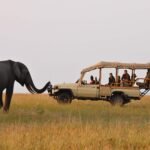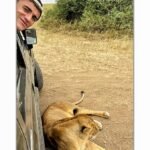
How Much Does a 7-Day Safari Cost in Uganda? A Detailed 7-Day Uganda Safari Itinerary
Uganda is one of the few destinations in Africa where travelers can watch lions crossing open savannah, follow chimpanzees through a tropical rainforest, cruise past hippos on a natural channel, and stand only a few meters away from mountain gorillas during the same holiday. For visitors considering such an adventure, however, one important question normally comes before booking: How much does a 7-day safari cost in Uganda? The answer depends on several factors, including accommodation category, travel season, number of guests, safari vehicle, activities, permits, meals, and whether you prefer a budget, mid-range, or luxury experience.
As a general planning guide, a seven-day Uganda safari combining chimpanzee tracking, wildlife viewing, a boat safari, and gorilla trekking may cost approximately USD 2,300 to USD 7,500 or more per person. A budget traveler sharing transport with another guest may spend roughly USD 2,300 to USD 2,900 per person, while a good mid-range private safari can fall between approximately USD 3,100 and USD 4,200 per person. Travelers choosing luxury lodges, premium rooms, private arrangements, upgraded meals, and high-end services may spend from around USD 5,000 to USD 7,500 or more per person.
These figures should be treated as planning estimates rather than fixed quotations. Uganda Wildlife Authority fees, accommodation rates, fuel prices, seasonal supplements, and permit costs may change. Uganda Wildlife Authority currently directs visitors to information about tariff changes for the 2026–2027 period, so anyone planning a safari should confirm the applicable conservation fees for their specific dates before making final payment.
A seven-day safari can still provide excellent value because Uganda combines very different ecosystems within one country. Rather than flying between several countries to experience primates, big game, forests, lakes, and rural landscapes, visitors can connect several destinations by road. This sample Lena Tours 7-day Uganda safari concentrates on western Uganda and takes travelers through Kibale National Park, Queen Elizabeth National Park, the Ishasha Sector, and Bwindi Impenetrable National Park before returning to Entebbe or Kampala.
The route works particularly well for travelers visiting Uganda for the first time. It offers chimpanzee tracking, traditional game drives, a boat safari on the Kazinga Channel, a search for the famous tree-climbing lions of Ishasha, and the unforgettable experience of trekking mountain gorillas in Bwindi. At the same time, the journey allows visitors to see local communities, tea plantations, crater landscapes, rolling hills, tropical forests, traditional farms, and Uganda’s beautiful countryside.
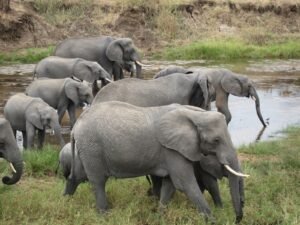
Quick Answer: How Much Is a 7-Day Uganda Safari?
The approximate price per person can be summarized as follows:
| Safari Style | Approximate Cost Per Person | Typical Accommodation |
|---|---|---|
| Budget Safari | USD 2,300–2,900 | Simple lodges, guesthouses, and safari camps |
| Mid-Range Safari | USD 3,100–4,200 | Comfortable lodges with private rooms |
| Luxury Safari | USD 5,000–7,500+ | Premium safari lodges and forest retreats |
The final price can be lower or higher depending on the size of the group. Two travelers sharing one safari vehicle normally pay more per person than four or six guests because transportation and guide costs are divided among fewer people. Solo travelers usually pay the highest per-person rate since they cover the vehicle, driver-guide, fuel, and many logistical expenses alone.
International flights are generally not included in standard safari package quotations. Travel insurance, visas, personal shopping, alcoholic drinks, gratuities, optional activities, and some meals before or after the safari may also remain outside the package unless clearly listed in the quotation.
7-Day Uganda Safari Overview
This itinerary provides a balanced introduction to Uganda’s primates and wildlife while avoiding unnecessary movement between too many destinations.
| Day | Route | Main Activity | Overnight |
|---|---|---|---|
| Day 1 | Entebbe/Kampala – Kibale | Scenic transfer | Kibale National Park |
| Day 2 | Kibale | Chimpanzee tracking and Bigodi | Kibale National Park |
| Day 3 | Kibale – Queen Elizabeth | Transfer and evening game drive | Queen Elizabeth National Park |
| Day 4 | Queen Elizabeth | Morning game drive and Kazinga Channel cruise | Queen Elizabeth National Park |
| Day 5 | Queen Elizabeth – Ishasha – Bwindi | Tree-climbing lion search and transfer | Bwindi |
| Day 6 | Bwindi | Gorilla trekking | Bwindi |
| Day 7 | Bwindi – Entebbe/Kampala | Scenic return journey | Departure |
Day 1: Transfer from Entebbe or Kampala to Kibale National Park
Your Uganda safari begins when a Lena Tours driver-guide meets you at your hotel, Entebbe International Airport, or another agreed collection point. Following a welcome and safari briefing, you leave the busy central region and begin the journey west toward Kibale National Park. The first day is largely a transfer day, although the landscapes along the route make the journey an interesting introduction to Uganda rather than simply a long drive.
As Kampala and Entebbe disappear behind you, the surroundings gradually change from urban settlements into agricultural communities, small towns, wetlands, plantations, and rolling countryside. Travelers often begin noticing roadside fruit stalls, banana plantations, cattle, traditional homes, local markets, and motorcycles carrying everything from passengers to agricultural produce. Uganda’s roads offer visitors an opportunity to observe everyday life outside the national parks, which can make road safaris especially rewarding.
The journey continues toward Fort Portal, one of western Uganda’s best-known tourism towns. Depending on the selected route and traffic conditions, the drive can take several hours, so your guide will normally include suitable rest stops along the way. Lunch may be arranged at a restaurant en route or in Fort Portal before continuing toward Kibale.
Fort Portal sits close to the foothills of the Rwenzori Mountains and is surrounded by tea estates, crater landscapes, forests, and green hills. The scenery becomes increasingly lush as you approach Kibale. Tea plantations spread across sections of the countryside, while forest patches and small farms create a constantly changing landscape.
Kibale National Park is internationally known for its primates, particularly chimpanzees. The wider ecosystem supports numerous primate species, forest birds, butterflies, and other wildlife. Uganda Wildlife Authority identifies chimpanzee tracking and chimpanzee habituation among Kibale’s principal visitor activities.
Upon reaching the Kibale area, you check into your chosen lodge and spend the remaining part of the day relaxing after the drive. Depending on arrival time, some travelers may take a short guided walk around the lodge grounds, enjoy views across crater lakes or forests, or simply settle on the terrace with a drink while listening to birds and monkeys nearby.
Dinner is served at the lodge before an early night’s rest. The following morning introduces one of the major highlights of the safari: tracking wild chimpanzees in Kibale Forest.
Accommodation Around Kibale
Accommodation around Kibale can be selected according to the traveler’s budget.
Budget options may include simple guesthouses and community-based lodges offering clean rooms, private or shared facilities, basic meals, and easy access to the tracking area.
Mid-range accommodation usually provides private en-suite cottages, gardens, restaurant service, hot showers, comfortable beds, and scenic surroundings. This category works well for travelers who want comfort without paying premium luxury rates.
Luxury properties may offer spacious cottages, forest or crater views, higher levels of service, upgraded dining, lounges, fireplaces, swimming facilities, and more private surroundings.
Possible properties around the wider Kibale area include establishments such as Kibale Forest Camp, Chimpanzee Forest Lodge, Turaco Treetops, Primate Lodge, and other suitable alternatives depending on availability and budget.
Meal plan: Lunch and dinner, depending on arrival arrangements.
Estimated driving time: Approximately 5–7 hours depending on starting point, stops, traffic, and road conditions.
What You Pay for on Day 1
The first day’s costs mainly involve the safari vehicle, fuel, driver-guide, meals, and accommodation. Since the same private vehicle usually accompanies travelers throughout the itinerary, transportation becomes a significant part of the seven-day safari price.
For two guests, vehicle and fuel costs are divided between only two people. A group of four or five travelers can divide the same basic transport expense among more passengers, often reducing the per-person safari rate.
Day 2: Chimpanzee Tracking in Kibale National Park and Bigodi Experience
Day two introduces travelers to Uganda’s famous primate experiences. After an early breakfast, your Lena Tours guide transfers you to the designated briefing point for chimpanzee tracking. Visitors receive instructions from park staff concerning forest behavior, wildlife safety, photography, and the rules that help protect both people and chimpanzees.
Chimpanzee tracking differs greatly from an ordinary game drive. Instead of remaining inside a vehicle, guests enter the rainforest on foot with trained guides. The forest surrounds you with enormous trees, tangled vegetation, bird calls, insects, primates, and distant sounds that can make the entire experience feel completely different from wildlife viewing on the savannah.
Trackers and guides search for clues that indicate chimpanzee movements. Sometimes the animals can be heard before they are seen. Their powerful vocalizations may travel through the forest, helping guides determine the direction of the community. Movement can be quick because chimpanzees travel through trees as well as along the forest floor.
The amount of walking varies from one day to another because these are wild animals rather than animals kept in an enclosure. Some groups may locate chimpanzees relatively quickly, while others walk farther before making contact. Forest conditions, food availability, recent chimpanzee movements, and weather can all influence the experience.
When the chimpanzees are located, visitors observe their behavior under the guidance of park staff. Individuals may feed, groom each other, climb trees, rest, interact socially, call loudly, or move through the vegetation. Watching their hands, facial expressions, social relationships, and intelligence at close range often becomes one of the most memorable parts of a Uganda holiday.
Uganda Wildlife Authority’s previous July 2024–June 2026 tariff listed Kibale chimpanzee tracking at USD 250 for a foreign non-resident, but visitors traveling after that tariff period should confirm the new 2026–2027 rate before finalizing their safari cost.
After tracking, you return to the lodge or meet your guide for lunch. Most travelers appreciate a short period of rest because the forest walk can involve uneven paths, humid conditions, and occasional muddy sections.
Later in the afternoon, your itinerary can include an excursion around the Bigodi Wetland Sanctuary or a nearby community experience. Bigodi offers a gentler walking environment and gives visitors another perspective on the ecosystem surrounding Kibale. Community guides help guests identify birds, monkeys, plants, and wetland features while explaining local conservation and community initiatives.
This activity complements chimpanzee tracking because it moves at a slower pace. Rather than concentrating on one famous primate species, visitors can appreciate the wider landscape and learn how communities live close to protected areas. Depending on the day, you might encounter monkeys, colorful birds, butterflies, local crops, and village life.
Afterward, return to the lodge for dinner and another night near Kibale Forest. Evening sounds around the forest can be fascinating, especially for visitors who have never stayed near an equatorial rainforest.
Accommodation
Remain at the same Kibale lodge used on Day 1.
Keeping the same accommodation for two consecutive nights reduces unnecessary packing and gives travelers time to enjoy the lodge rather than moving to a new property every evening.
Budget: Simple guesthouse, forest camp, or community lodge.
Mid-range: Comfortable safari lodge such as Turaco Treetops or an equivalent property.
Luxury: Higher-end forest or crater lodge depending on availability.
Meal plan: Breakfast, lunch, and dinner.
Estimated Day 2 Cost Components
Typical expenses include:
Chimpanzee tracking permit or ticket, park-related services where applicable, local guide, safari vehicle transfer, fuel, accommodation, meals, drinking water, and the optional Bigodi/community experience.
For a mid-range safari, this is normally one of the more expensive days because a major primate permit is included.
Day 3: Transfer from Kibale to Queen Elizabeth National Park
Following breakfast, the safari changes character as you leave the dense forest environment of Kibale and travel toward Queen Elizabeth National Park. Although the two destinations are relatively close compared with some Ugandan safari circuits, the landscapes differ significantly.
The route passes through western Uganda’s scenic countryside with views of crater areas, farms, villages, and, when weather conditions allow, distant mountains. As you approach Queen Elizabeth National Park, open spaces gradually replace thick forest.
Queen Elizabeth National Park is one of Uganda’s most varied wildlife destinations. Its combination of savannah, wetlands, crater areas, lakes, channels, woodland, and bush supports numerous animal and bird species. Travelers visit the park for game drives, boat excursions, landscapes, and the opportunity to see wildlife such as elephants, buffaloes, Uganda kob, hippos, warthogs, waterbuck, lions, leopards, hyenas, and many smaller species.
Depending on departure time from Kibale, your guide may arrange lunch before entering the park or at your lodge after arrival.
After check-in and a short rest, the group can head out for an evening game drive. Late afternoon is a beautiful time to explore because temperatures become cooler and the light softens across the savannah. Wildlife can become more active as the heat of the day decreases.
During the drive, your guide scans grasslands, bushes, drainage lines, trees, and tracks for wildlife. Uganda kob frequently gather in open areas, while elephants may move between feeding grounds. Buffaloes can appear alone or in large groups, and warthogs often graze close to the road before running away with their tails upright.
Predator sightings depend heavily on luck, timing, and animal movements. Lions can sometimes be located resting in the grass or moving across the plains. Leopards are much more secretive, although Queen Elizabeth offers opportunities to encounter them. A professional guide studies tracks, listens to alarm calls, communicates with other guides, and uses knowledge of the park to increase the chances of interesting sightings.
One advantage of private safaris is flexibility. If guests are particularly interested in birds, landscapes, elephants, or predators, the guide can adjust the pace where practical rather than following a rigid large-group program.
As sunset approaches, return to your lodge for dinner. Depending on the property selected, the evening may offer views toward the park, Kazinga Channel, lakes, or surrounding plains.
Accommodation in Queen Elizabeth National Park
Queen Elizabeth offers options across different price categories.
Budget travelers can use camps and simple lodges around the park boundaries or nearby communities.
Mid-range guests have access to comfortable lodges offering private rooms, restaurants, views, and convenient access to game-drive routes.
Luxury travelers can choose premium safari lodges with larger rooms, elevated viewpoints, swimming pools, personalized service, and more exclusive settings.
Potential options may include Buffalo Safari Lodge, Enganzi Game Lodge, Twin Lakes Safari Lodge, Elephant Hab Lodge, Mweya Safari Lodge, Kyambura Gorge Lodge, or equivalent properties according to the client’s preferred standard and availability.
Meal plan: Breakfast, lunch, and dinner.
Why Queen Elizabeth National Park Helps the Safari Feel Complete
A Uganda itinerary based entirely on primates would still be impressive, but adding Queen Elizabeth introduces the classic African safari experience. Travelers move from walking beneath forest canopies to watching elephants and antelopes across open plains.
This contrast is one reason a seven-day Uganda safari can feel much longer than a week. Every few days brings a completely different landscape and wildlife experience.
Day 4: Morning Game Drive and Kazinga Channel Boat Safari
Rise early for breakfast before beginning a morning game drive in Queen Elizabeth National Park. Morning hours frequently provide good wildlife-viewing conditions because temperatures remain relatively cool and many species are active.
Your driver-guide selects an appropriate game-drive area depending on recent sightings, road conditions, season, and wildlife movements. Savannah tracks lead across plains and through bush where different species feed, rest, or move between habitats.
Uganda kob are among the characteristic antelopes visitors may see. Herds can attract predators, which is why guides pay close attention to areas where kob gather. Waterbuck, bushbuck, buffaloes, warthogs, elephants, and various smaller mammals can also appear during the drive.
Bird enthusiasts have plenty to observe as well. Queen Elizabeth’s diverse habitats support an exceptional variety of birdlife. Even travelers who do not normally consider themselves birdwatchers often become interested after seeing eagles, kingfishers, storks, bee-eaters, hornbills, waterbirds, and other colorful species.
A lion sighting can become a major highlight, yet no responsible operator can guarantee a specific wild animal. Wildlife moves freely, and conditions change every day. A successful safari therefore involves enjoying the entire ecosystem rather than measuring the experience only by one species.
After the morning game drive, return to the lodge for breakfast if you departed before eating, or enjoy a later lunch and relaxation. The middle of the day provides a useful rest period before the afternoon activity.
Afternoon Boat Safari on the Kazinga Channel
Later, travel to the jetty for a boat safari on the Kazinga Channel, a natural waterway connecting Lake George and Lake Edward. This excursion provides a completely different perspective on Queen Elizabeth National Park.
Instead of searching for animals from a vehicle, visitors cruise along the water while watching wildlife gather along the banks. Hippos are among the most obvious residents, often appearing in groups with only their heads, backs, and ears visible above the surface.
Buffaloes may rest near the shoreline, while elephants sometimes approach the water to drink, bathe, or feed. Monitor lizards, crocodiles, waterbuck, and other species may also appear.
Birdlife becomes especially noticeable from the boat. Kingfishers, fish eagles, cormorants, pelicans, herons, egrets, storks, and many other species occupy the shore and surrounding wetlands.
The boat safari also creates excellent photography opportunities. Wildlife can sometimes be viewed from relatively close distances without the obstruction of tall grass. Photographers should remain attentive because animals can appear on either side of the boat at any moment.
Another advantage is the slower rhythm. Game drives involve searching across larger areas, whereas the boat follows a relatively defined waterway where animals naturally concentrate. This makes the Kazinga Channel a relaxing yet productive activity.
After completing the cruise, return toward the lodge. Depending on timing and daylight, your guide may include a short evening drive before reaching the accommodation.
Enjoy dinner while discussing the day’s sightings. The next morning, the safari continues through Ishasha toward Bwindi.
Day 4 Accommodation
Spend a second night at your selected Queen Elizabeth National Park lodge.
Using one lodge for two nights reduces transportation pressure and allows visitors to fully experience the park.
Meal plan: Breakfast, lunch, and dinner.
Day 5: Queen Elizabeth National Park Through Ishasha to Bwindi Impenetrable National Park
Day five is one of the most scenic transition days of the itinerary. After breakfast, check out and begin traveling south through the Ishasha Sector of Queen Elizabeth National Park.
Ishasha is widely associated with sightings of lions that sometimes rest in fig trees. The exact reason for this behavior is still discussed, and the lions do not remain in trees throughout the day. Nevertheless, seeing a large lion stretched along a branch is an unusual safari experience.
Your Lena Tours guide conducts a game drive through appropriate areas while searching for lions and other wildlife. Buffaloes, elephants, Uganda kob, topi, warthogs, and numerous birds may also be seen in the sector.
Visitors should remember that tree-climbing lion sightings cannot be guaranteed. Weather, prey movements, time of day, disturbances, and individual animal behavior determine where the pride may be located. Even without lions, Ishasha provides beautiful wilderness scenery and a quieter atmosphere than some busier safari areas.
After exploring the sector, continue toward Bwindi Impenetrable National Park. Gradually, the landscape changes again. Open savannah gives way to hills, cultivated slopes, valleys, villages, and increasingly dense vegetation.
The approach to Bwindi is visually striking. Roads wind through highland landscapes where communities cultivate bananas, potatoes, vegetables, tea, coffee, and other crops. Houses cling to steep slopes, while forest-covered mountains create a dramatic background.
Bwindi is globally important for the conservation of mountain gorillas and other forest wildlife. For many travelers, reaching the forest creates a sense of anticipation because the following day brings the safari’s most famous activity.
Your overnight location depends on the gorilla trekking sector assigned to your permit. Bwindi has different visitor areas, and accommodation must be chosen carefully so travelers stay close to the correct briefing point. Booking a lodge in the wrong sector can create serious logistical problems because mountainous roads can make travel between sectors slow.
For this reason, Lena Tours normally coordinates the gorilla permit and accommodation together. Once the tracking sector is confirmed, a suitable lodge can be reserved nearby.
Check into your Bwindi lodge during the afternoon or evening. Enjoy a warm meal, prepare trekking equipment, charge camera batteries, and organize clothing for the following morning.
What to Prepare for Gorilla Trekking
A small backpack should contain drinking water, snacks or a packed lunch if supplied by the lodge, a rain jacket, camera equipment, and other essentials.
Strong walking shoes or hiking boots provide better support than ordinary city shoes. Long trousers and long sleeves help protect the skin from vegetation and insects. Garden gloves can also be useful when walking on steep or muddy sections.
Guests may hire local porters at the trekking point. Porter services also provide income to surrounding communities.
Travelers who consider themselves fit sometimes decide they will not require help, yet forest conditions can change quickly. A porter is often worthwhile even when your backpack seems light at the beginning.
Accommodation in Bwindi
Bwindi has a broad range of properties.
Budget options provide relatively simple rooms, essential facilities, meals, and convenient positioning near trekking areas.
Mid-range lodges offer comfortable cottages, private bathrooms, attractive gardens or forest views, restaurants, and a pleasant atmosphere after trekking.
Luxury accommodations may include large cottages, fireplaces, personalized service, premium dining, forest-facing terraces, massage facilities, or other upgraded amenities.
Possible lodges may include Gorilla Leisure Lodge, Ichumbi Gorilla Lodge, Rushaga Gorilla Camp, Gorilla Valley Lodge, Engagi Lodge, Mahogany Springs, Buhoma Lodge, Sanctuary Gorilla Forest Camp, Four Gorillas Lodge, Nkuringo Bwindi Gorilla Lodge, or other suitable alternatives depending on sector and price category.
Meal plan: Breakfast, lunch, and dinner.
Day 6: Gorilla Trekking in Bwindi Impenetrable National Park
For many visitors, day six becomes the emotional high point of the entire Uganda safari.
Breakfast is served early before your guide transfers you to the appropriate park headquarters or briefing point. Guests should arrive with trekking equipment, passport details where required, water, and everything needed for several hours in the forest.
Park staff begin with a briefing explaining trekking rules, expected behavior, conservation principles, safety requirements, and how visitors should behave when gorillas are encountered.
Groups are then allocated according to arrangements for the day. Factors such as fitness, gorilla family locations, and operational decisions can influence the trek, although travelers should not assume they can always choose the easiest group.
Once accompanied by the ranger team, trekkers enter the forest.
Walking Through Bwindi
The word “impenetrable” gives visitors an idea of Bwindi’s vegetation. The forest contains thick undergrowth, enormous trees, vines, ferns, streams, ridges, and steep valleys. Some routes may be fairly manageable, while others involve demanding climbs and descents.
There is no fixed trekking duration. Gorillas move freely inside their habitat, and trackers monitor their position. On some days visitors reach them relatively quickly. At other times, the walk may continue for several hours.
This uncertainty is part of the experience.
Rather than entering a controlled wildlife facility, travelers are walking into the natural home of one of the world’s most remarkable primates. Rangers use knowledge, tracking information, sounds, feeding signs, and communication with advanced trackers to locate the assigned gorilla family.
Forest scenery alone is worth appreciating. Sunlight filters through layers of leaves, insects move between plants, birds call overhead, and occasional monkeys may appear among the branches. Mist can settle over the hills, while rain may arrive with little warning.
Eventually, after following the trackers, the group receives news that the gorillas are close.
Meeting the Mountain Gorillas
Few wildlife experiences compare with seeing a mountain gorilla in its natural habitat.
The first individual may appear suddenly behind leaves or sit quietly in an opening. A silverback can look extraordinarily powerful, while younger animals often display curiosity and playful behavior. Adult females may feed or care for infants, and juveniles can climb vegetation or interact with one another.
Visitors remain under ranger supervision and follow the applicable viewing regulations.
Photography is allowed under the park rules, although travelers should prioritize the experience rather than spend every moment behind a camera. Forest lighting can change rapidly, so knowing your camera settings beforehand helps.
The emotional reaction varies greatly. Some people become excited, others fall silent, and some describe the experience as deeply moving. The gorillas often appear remarkably calm as they continue their natural behavior while the visitors watch.
The encounter also helps explain why gorilla permits form such a large part of the safari cost. Revenue from regulated tourism contributes toward conservation, park management, ranger activities, and broader conservation programs.
Uganda Wildlife Authority’s July 2024–June 2026 conservation tariff listed a standard gorilla tracking permit in Bwindi and Mgahinga at USD 800 for foreign non-residents, USD 700 for foreign residents, USD 500 for the Rest of Africa category, and UGX 300,000 for EAC citizens. That tariff period has now passed, and UWA’s current tariff page references 2026–2027 changes, so travelers should request the applicable permit price when obtaining a quotation.
Once the permitted observation period is complete, the group begins walking back through the forest.
At the end of the trek, participants may receive certificates or take photographs with the ranger team depending on current park procedures. Your Lena Tours guide will be waiting to return you to the lodge.
Afternoon After Gorilla Trekking
The remainder of the afternoon should remain relatively relaxed because nobody knows in advance how long the trek will take.
Guests who return early can rest at the lodge, enjoy the scenery, take photographs around the property, or participate in an optional community activity where available.
Some travelers choose a village or cultural visit. These experiences can introduce traditional farming practices, craft-making, community projects, dance, music, or local history. Activities differ between Bwindi sectors, so they should be arranged in advance when possible.
Those who complete a longer trek may prefer a hot shower, a good meal, and an uninterrupted afternoon of relaxation.
Dinner follows at the lodge, providing time to celebrate the accomplishment.
Day 6 Accommodation
Spend another night in Bwindi.
Remaining for a second night avoids forcing travelers into a long road journey immediately after gorilla trekking. The forest hike can be physically demanding, and an additional evening at the lodge creates a much more comfortable itinerary.
Meal plan: Breakfast, packed lunch, and dinner.
Day 7: Transfer from Bwindi to Entebbe or Kampala
After breakfast, check out of your lodge and begin the journey back toward Kampala or Entebbe.
The return drive is long, yet it gives travelers another opportunity to appreciate Uganda’s countryside. Winding roads gradually leave the highlands and enter lower agricultural regions, trading centers, towns, and open landscapes.
Your guide makes appropriate stops for refreshments, lunch, photography, and stretching.
Depending on the route used, the trip may pass close to the Equator area, where travelers can stop for photographs, souvenirs, coffee, and a short break. This is a popular final stop on many western Uganda circuits.
Conversation during the last journey often returns to the week’s highlights. In only seven days, guests have moved through tropical rainforest, savannah, wetlands, channels, highlands, community areas, and mountain forest.
A traveler may have listened to chimpanzees calling through Kibale, photographed elephants in Queen Elizabeth, watched hippos from a boat, searched fig trees for lions in Ishasha, and stood quietly near a mountain gorilla in Bwindi. Very few destinations offer such a range within one week.
Upon reaching Entebbe or Kampala, the guide drops guests at their booked hotel or Entebbe International Airport according to their onward arrangements.
Travelers flying home on Day 7 should book a sufficiently late flight. Road conditions and traffic can cause delays, so an overnight stay in Entebbe may be advisable when flight schedules do not allow a safe connection.
This marks the end of the 7-day Uganda safari with Lena Tours.
How Much Does This 7-Day Uganda Safari Cost?
The price depends strongly on accommodation and group size.
For planning purposes, the following ranges can help travelers understand the likely budget.
Budget 7-Day Uganda Safari
Approximate price: USD 2,300–2,900 per person sharing
A budget safari does not necessarily mean a poor experience. Travelers still use a proper safari vehicle, professional driver-guide, necessary park services, and booked wildlife activities. Savings normally come from simpler accommodation and fewer luxury extras.
Budget lodges may provide comfortable beds, private bathrooms in many cases, mosquito nets, meals, and friendly service without expensive décor or premium facilities.
A typical budget safari may include:
Safari vehicle and fuel, English-speaking driver-guide, six nights of accommodation, most meals, chimpanzee tracking, gorilla trekking, Queen Elizabeth National Park activities, Kazinga Channel boat safari, drinking water in the safari vehicle, and government taxes where applicable.
The final amount depends on actual permit rates and accommodation selected.
Mid-Range 7-Day Uganda Safari
Approximate price: USD 3,100–4,200 per person sharing
Mid-range safaris are extremely popular because they create a good balance between cost and comfort.
Guests normally stay in attractive lodges with private en-suite rooms, hot showers, reliable dining, scenic settings, comfortable beds, and personalized service. Many properties in this category offer terraces, gardens, fireplaces, swimming pools, forest views, or elevated positions overlooking national parks.
Transport remains private or small-group depending on the booking.
For many international visitors, mid-range accommodation provides everything necessary for an enjoyable safari without the significant premium charged by luxury properties.
Luxury 7-Day Uganda Safari
Approximate price: USD 5,000–7,500+ per person sharing
Luxury safaris focus on premium accommodation, upgraded service, privacy, exceptional settings, and greater attention to detail.
Rooms may be considerably larger and could include private terraces, bathtubs, fireplaces, premium bedding, elevated views, personalized dining, spa treatments, swimming pools, complimentary laundry, or other services depending on the property.
Luxury lodges near Bwindi can be particularly expensive because of their remote setting, limited room numbers, logistics, and proximity to gorilla trekking areas.
Travelers may also choose domestic flights to reduce driving time, which increases the total package cost.
Sample Mid-Range Safari Cost Breakdown
The table below is an illustrative example rather than a fixed Lena Tours quotation.
| Cost Item | Estimated Amount Per Person |
|---|---|
| Gorilla trekking permit | Confirm current UWA 2026–27 rate |
| Chimpanzee tracking | Confirm current UWA 2026–27 rate |
| 6 nights mid-range accommodation | USD 750–1,250 |
| Safari vehicle, guide and fuel | USD 650–1,100 |
| Queen Elizabeth park fees | USD 80–160 |
| Boat safari | USD 30–50 |
| Bigodi/community activity | USD 30–50 |
| Meals and drinking water | Usually packaged with accommodation/safari |
| Administration and logistics | Varies |
| Estimated Package Total | Approx. USD 3,100–4,200 pp |
The calculation changes considerably for solo travelers. A guest traveling alone pays the complete cost of the safari vehicle and driver rather than sharing it.
Larger groups can often achieve a lower per-person rate.
Why Gorilla Trekking Has Such a Big Impact on the Price
One of the first things travelers notice when pricing Uganda safaris is that a gorilla itinerary usually costs more than a standard wildlife safari.
The gorilla permit is a major reason.
Uganda limits access to habituated gorilla families to manage tourism pressure and protect the animals. Visitors therefore require permits for specific dates and areas.
The permit covers more than simply the time spent viewing gorillas. Under the previous 2024–2026 UWA tariff, gorilla permit rates included the guide fee, park entrance fee for the day, and community-development contribution.
Gorilla tourism also requires substantial conservation infrastructure. Rangers, trackers, researchers, veterinarians, park teams, community initiatives, monitoring systems, administration, and habitat protection all play a role in maintaining the experience.
Travelers should therefore see the permit as a conservation-related expense as well as an activity fee.
Chimpanzee Tracking Costs
Chimpanzee tracking creates another major cost within this itinerary.
Kibale is Uganda’s best-known chimpanzee destination and offers visitors the chance to enter the forest with guides to locate habituated groups.
UWA’s previous tariff listed Kibale chimpanzee tracking at USD 250 for foreign non-residents, while the authority now references updated 2026–2027 tariff changes.
When Lena Tours prepares a current quotation, the permit rate applicable to the client’s actual trekking date should therefore be used.
Chimpanzee permits should ideally be arranged early, particularly for busy travel periods.
Accommodation and Its Effect on Safari Price
Accommodation can change the final cost of a seven-day safari by hundreds or even thousands of dollars.
Uganda has an impressive range of places to stay, from simple guesthouses to internationally recognized luxury safari lodges.
A budget lodge might cost a fraction of what a high-end forest lodge charges even though both properties provide access to the same national park.
This means two travelers can follow almost the same itinerary but pay very different package prices.
The person sleeping in a simple lodge may trek the same gorilla family and watch the same elephants as the visitor staying in a premium suite.
Luxury therefore affects comfort more than access to wildlife.
Travelers should determine where comfort matters most to them. Some visitors prefer simple rooms because they spend most of the day outside. Others consider the lodge an important part of the safari and want beautiful architecture, fine dining, spacious cottages, high-quality bedding, pools, spa treatments, and private terraces.
Neither approach is wrong.
Lena Tours can design the itinerary around the guest’s budget.
Cost of the Safari Vehicle
Road transport is another important part of the Uganda safari price.
A suitable vehicle must cover long distances, enter national parks, negotiate occasional rough tracks, carry luggage, and provide enough space for wildlife viewing.
Safari vehicles also consume significant fuel during a seven-day journey.
Fuel prices, mileage, vehicle maintenance, insurance, driver-guide costs, and road transfers all contribute to the package price.
Groups can save money because they share these expenses.
Suppose a private safari vehicle and associated transport cost USD 1,800 for an entire trip. Two travelers effectively divide that amount between two people, whereas four travelers divide the same general transport cost between four people.
For this reason, safari pricing should always indicate the number of guests.
Does the Number of Travelers Affect the Price?
Yes.
Group size is one of the biggest variables when determining how much a 7-day safari costs in Uganda.
Gorilla and chimpanzee permits remain individual expenses, so every person requires his or her own permit.
Vehicle and guide costs behave differently because several passengers can share them.
Two people traveling together will usually pay more per person than four people following the same route.
A family or small private group may therefore achieve better value.
Large groups require different vehicle arrangements once passenger numbers exceed comfortable seating capacity, so savings do not increase endlessly.
How Much Does a Solo 7-Day Uganda Safari Cost?
Solo travel is possible and can be extremely rewarding.
However, a private solo safari usually costs substantially more per person.
A traveler may expect approximately USD 3,500 to USD 5,000 or more for a comfortable mid-range seven-day itinerary of this type, depending on permit prices, accommodation, and transport.
The single guest pays the entire safari vehicle cost and may also encounter single-room supplements at lodges.
Joining a scheduled small-group departure can reduce the cost if suitable dates are available.
How Much Does a 7-Day Uganda Safari Cost for Two People?
Two travelers sharing a double or twin room can expect a more favorable rate.
A typical mid-range safari could fall around USD 6,200 to USD 8,400 in total for two people, based on an approximate per-person rate of USD 3,100–4,200.
The real total depends on permit rates, season, room category, and the chosen lodges.
Couples often prefer private safaris because the vehicle remains exclusively available to them throughout the trip.
What Is Normally Included in a 7-Day Safari Price?
Before comparing safari companies, visitors should look beyond the headline price and examine the inclusions.
A well-prepared Lena Tours package will normally explain exactly what the quoted amount covers.
Typical inclusions may be:
Private or shared safari transportation as agreed, professional English-speaking driver-guide, fuel, accommodation, meals according to the stated meal plan, gorilla permit, chimpanzee permit, park entrance fees, game drives, Kazinga Channel boat safari, bottled drinking water during road journeys, airport transfer when included, and relevant taxes.
Specific inclusions vary from one itinerary to another.
What Is Usually Excluded?
Typical exclusions include international flights, Uganda visa fees where applicable, travel insurance, personal shopping, premium alcoholic beverages, laundry where lodges charge separately, tips, extra nights outside the program, telephone charges, optional activities, medical expenses, porter fees, souvenirs, and changes caused by personal decisions.
Travelers should read their quotation carefully.
A cheaper safari can become expensive if many important items are excluded.
Is a 7-Day Uganda Safari Worth the Cost?
For travelers interested in both primates and traditional African wildlife, seven days can provide excellent value.
The main advantage is diversity.
A traveler does not need a separate gorilla trip, chimpanzee holiday, and wildlife safari.
All three experiences can fit into one carefully designed journey.
Day two offers chimpanzees.
Days three and four focus on savannah wildlife.
Day five combines Ishasha with highland scenery.
Day six delivers gorilla trekking.
Few one-week itineraries provide such dramatically different experiences.
Budget Safari Versus Luxury Safari
People occasionally assume that paying more money results in seeing more wildlife.
That is not necessarily true.
Wild animals do not distinguish between guests staying in expensive suites and those sleeping at modest lodges.
A lion can appear beside any properly authorized safari vehicle.
Gorilla trekking rules also apply regardless of accommodation category.
The main differences occur in comfort, property location, room size, food, service level, exclusivity, facilities, and atmosphere.
Budget travelers may sleep in a simple but clean room, eat good local and international meals, and enjoy the same national park.
Luxury travelers return from the day’s activities to more spacious surroundings and additional services.
Choose according to your priorities rather than assuming that the most expensive package automatically creates better wildlife sightings.
When Is the Cheapest Time to Visit Uganda?
Safari pricing can vary throughout the year.
Peak travel months generally experience strong demand for lodges and permits. Properties may charge their highest rates during these periods, while discounted accommodation can occasionally appear in quieter months.
Uganda remains a year-round destination because many parks and primate activities operate throughout the year.
Dryer months are popular because trails can be easier and game-drive roads may be more predictable.
Rainy periods have their own advantages. Landscapes become beautifully green, photography can be impressive, visitor numbers may decrease, and some lodges occasionally provide attractive rates.
Rain does not automatically mean that it rains continuously every day.
Tropical weather can involve heavy showers followed by sunshine.
Travelers with flexible dates should discuss seasonal pricing when requesting a quotation.
Can I Make the 7-Day Safari Cheaper?
Yes.
Several choices can reduce the overall package cost without removing the major highlights.
Select good budget or lower mid-range lodges instead of luxury accommodation.
Travel with friends so transport expenses are shared.
Book early enough to secure suitable properties before only expensive rooms remain available.
Avoid unnecessary domestic flights if comfortable with road travel.
Limit optional paid activities.
Use one lodge for multiple nights where the route allows.
Choose standard rooms instead of premium cottages.
Ask Lena Tours to design the program around a fixed maximum budget.
However, travelers should be cautious about cutting costs in areas related to safety, legal permits, reliable transportation, or professional guiding.
A dramatically cheap quote may exclude important items.
Can I Upgrade This Itinerary?
Certainly.
Travelers with larger budgets can upgrade accommodation throughout the safari or only in selected destinations.
Bwindi is a popular location for a luxury upgrade because guests often want a special property before and after gorilla trekking.
Queen Elizabeth also has attractive premium accommodation.
Domestic flights can replace some long road journeys, depending on routing and schedules.
Private bush meals, community experiences, specialized bird guides, photography arrangements, or extra activities can also be incorporated where available.
Can the Itinerary Start in Entebbe?
Yes.
Entebbe is one of the most convenient starting points for international visitors because Entebbe International Airport handles most international arrivals.
Visitors arriving late should normally spend the first night in Entebbe and start the safari the following morning.
Trying to land after a long international flight and immediately drive for many hours to Kibale is rarely the most comfortable plan.
Lena Tours can arrange an airport transfer and pre-safari accommodation as an additional service.
Can the Safari Start in Kampala?
Yes.
Guests already staying in Kampala can be collected directly from their hotel.
The first day’s driving time may differ because Kampala traffic can affect departure.
Leaving early usually works best.
How Far Is Kibale From Kampala?
Road times change according to traffic, chosen route, weather, construction, and stops.
Travelers should treat driving estimates as approximate rather than exact.
A normal western Uganda safari is not designed as a rushed road transfer.
Rest stops, meals, photography, and local traffic all affect the journey.
The scenic drive is part of the experience.
Why Include Kibale in a 7-Day Safari?
Kibale gives the itinerary another major primate encounter without requiring a separate holiday.
Chimpanzees and mountain gorillas are both great apes, but their behavior and habitats create completely different experiences.
Chimpanzees can be vocal, fast-moving, social, and energetic.
Gorillas often appear more deliberate and calm.
Seeing both allows travelers to appreciate their differences.
Kibale also adds rainforest scenery before the itinerary reaches Queen Elizabeth’s open plains.
Why Include Queen Elizabeth National Park?
Queen Elizabeth provides the traditional wildlife component that many visitors expect from an African safari.
Chimpanzees and gorillas alone could justify a visit to Uganda, yet a week becomes more varied when elephants, buffaloes, antelopes, hippos, birds, and potential predators are included.
The Kazinga Channel boat safari creates another reason to visit.
It also sits conveniently between Kibale and Bwindi, making the park practical from a route-planning perspective.
Why Include Ishasha?
Ishasha lies in the southern part of the Queen Elizabeth ecosystem and can naturally fit into the journey toward Bwindi.
Rather than driving directly between the destinations, visitors can search for wildlife along the way.
Tree-climbing lions receive much of the attention, but Ishasha’s quiet plains and wilderness atmosphere are equally rewarding.
Why Bwindi Is Essential for Many Uganda Safaris
Bwindi represents the main reason many international travelers choose Uganda.
The park protects important mountain gorilla habitat and supports extraordinary biodiversity.
Gorilla trekking offers something fundamentally different from viewing animals from a vehicle.
Visitors walk into the forest, follow trained guides and trackers, and encounter gorillas in their natural environment.
The physical effort makes the experience feel earned.
For some guests, gorilla trekking has been a lifelong dream.
That explains why Bwindi is often the centerpiece of a Ugandan itinerary.
How Difficult Is Gorilla Trekking?
The difficulty varies.
One group may locate gorillas relatively close to the starting point, while another might walk for several hours through steep terrain.
Rain can make trails slippery.
Heat, altitude, mud, and thick vegetation add to the challenge.
Travelers do not need to be professional athletes, although reasonable fitness improves comfort.
Walking regularly before the trip can help.
Good boots make a major difference.
Hiring a porter is strongly recommended for people who want additional support.
What Happens if It Rains?
Uganda is tropical, and rain can occur even during generally drier periods.
Safari activities normally continue unless authorities determine that conditions are unsafe.
A lightweight waterproof jacket belongs in every traveler’s luggage.
Gorilla trekking can become muddy after rainfall, so waterproof footwear is useful.
Camera protection is equally important.
Rather than viewing rain as a disaster, remember that Uganda’s lush forests depend on it.
Mist, wet vegetation, and changing light can also create beautiful photography conditions.
What Should You Pack for Seven Days?
Packing should remain practical.
Bring comfortable safari clothing in neutral tones, walking shoes, trekking boots, long trousers, long-sleeved shirts, a light rain jacket, hat, sunglasses, sunscreen, insect repellent, personal medication, small daypack, reusable water bottle where appropriate, camera, binoculars, chargers, spare batteries, and travel documents.
Warm clothing is useful in Bwindi because evenings can become cool.
Heavy luggage is unnecessary for most travelers.
Soft-sided bags are often easier to handle inside safari vehicles.
Should You Bring a Camera?
Yes, although a phone with a good camera can also capture excellent memories.
Wildlife photography benefits from a telephoto lens.
Gorilla encounters can take place in low forest light, so visitors using advanced cameras should practice beforehand.
Bring enough memory cards and batteries.
Avoid relying on one battery for an entire safari.
Electricity availability varies between lodges, especially in remote areas.
Is Uganda Suitable for First-Time Safari Travelers?
Uganda can be an excellent first safari destination because the itinerary combines several experiences rather than focusing solely on game drives.
A first-time visitor can see classic African wildlife and primates within one trip.
English is widely used in tourism.
Experienced guides handle the logistical details, allowing travelers to concentrate on the journey.
Road distances can be long, however.
Visitors who dislike lengthy drives should discuss domestic flight options or a slower itinerary.
Is Seven Days Enough for Uganda?
Seven days are enough for a focused western Uganda safari.
They are not enough to see the entire country.
Uganda has many additional destinations, including Murchison Falls National Park, Lake Mburo National Park, Kidepo Valley National Park, Mgahinga Gorilla National Park, Jinja, Ziwa Rhino Sanctuary, Rwenzori Mountains, Semuliki, Lake Bunyonyi, and numerous cultural attractions.
Visitors with ten, twelve, or fifteen days can travel more slowly and add several destinations.
A seven-day program should therefore concentrate on a logical region rather than attempting to include every famous attraction.
Why This Route Works Well
The route follows a generally logical progression through western and southwestern Uganda.
Kibale connects with Queen Elizabeth.
Queen Elizabeth leads toward Ishasha.
Ishasha continues toward Bwindi.
Travelers therefore avoid repeatedly returning to Kampala between destinations.
Efficient routing saves time, fuel, and money.
It also reduces unnecessary fatigue.
Can Murchison Falls Be Included Instead?
Yes, but adding Murchison Falls while retaining Kibale, Queen Elizabeth, and Bwindi can make a seven-day program extremely rushed.
A traveler who particularly wants Murchison Falls may need to remove another destination.
Alternatively, extend the safari to nine or ten days.
Good safari design is not about fitting the greatest number of national parks onto paper.
The goal should be creating enough time to actually enjoy each destination.
Can Lake Mburo Be Added?
Lake Mburo sometimes fits into the return journey from Bwindi.
However, turning Day 7 into a full Lake Mburo safari and still reaching Entebbe comfortably may require an additional night.
An eight-day itinerary can include Lake Mburo much more naturally.
The park offers game drives, walking experiences, and other activities.
Can Golden Monkey Tracking Be Added?
Travelers interested in additional primates can extend the trip to Mgahinga Gorilla National Park for golden monkey tracking.
That addition works particularly well after Bwindi.
However, an extra day or two should be considered rather than squeezing the experience into an already busy seven-day program.
Can Children Join the Safari?
Children can participate in many game drives and boat activities, subject to operator and park conditions.
Age restrictions apply to some primate activities.
Families should confirm current rules before booking.
A family safari should also use manageable driving times, suitable accommodation, and age-appropriate activities.
Lena Tours can adjust the program for families.
Food During the Safari
Most safari lodges include breakfast, lunch, and dinner when guests book full-board packages.
Breakfast may include eggs, fruit, bread, tea, coffee, cereal, pancakes, or local options.
Lunch can be served at the lodge or packed when guests are away on activities.
Dinner generally offers multiple courses or buffet-style service depending on the property.
Vegetarian, vegan, gluten-free, and other dietary requirements can often be accommodated when communicated in advance.
Remote lodges need enough notice because suppliers may be far away.
Drinking Water
A good safari package normally provides drinking water in the vehicle.
Travelers should drink regularly, especially during hot game drives and trekking activities.
Dehydration can make walking significantly harder.
Reusable bottles may help reduce plastic waste where refill stations are available.
Tipping on Safari
Tips are usually voluntary unless a particular service states otherwise.
Many travelers choose to tip driver-guides, lodge staff, trackers, rangers, and porters when they are satisfied with the service.
There is no need to feel pressured into unreasonable amounts.
Your safari consultant can provide current guidance before travel.
Travel Insurance
Comprehensive travel insurance is strongly recommended.
Coverage should ideally address emergency medical treatment, evacuation, trip cancellation, baggage problems, and activities such as gorilla trekking.
Safari operators cannot control airline cancellations, personal illness, international border issues, or many other disruptions.
Insurance provides important protection for an expensive holiday.
When Should You Book?
Gorilla permits make early planning important.
Travelers with fixed dates should avoid waiting until the last moment.
Accommodation near the correct trekking sector can also fill up during busy periods.
Booking several months in advance generally provides more choice.
Highly popular periods may justify even earlier arrangements.
Last-minute safaris remain possible when permits and rooms are available, but flexibility becomes essential.
How Does Lena Tours Calculate a Safari Quotation?
A professional quotation combines several components.
First, the number of travelers determines vehicle requirements and room arrangements.
Next, travel dates establish seasonal accommodation prices.
Then the itinerary determines park fees, permits, boat trips, community activities, and mileage.
Accommodation preferences affect the nightly budget.
Finally, operational expenses such as fuel, guide services, administration, drinking water, and applicable taxes are added.
This explains why one universal price cannot accurately apply to every traveler.
Example: Two-Person Mid-Range Safari
Imagine two guests requesting a private seven-day tour.
They want comfortable mid-range lodges, chimpanzee tracking, game drives, Kazinga Channel, Ishasha, and gorilla trekking.
The couple might pay approximately USD 6,200–8,400 total, depending on actual permits and lodge rates.
If they upgrade every lodge, the cost rises.
If they move to budget accommodation, the amount decreases.
Example: Four-Person Mid-Range Safari
Four friends sharing the safari vehicle can often pay less per person.
The vehicle and fuel expense is spread across four travelers, even though each person still requires individual permits and accommodation.
A quotation may therefore provide noticeably better per-person value.
Why Safari Quotes Change From Year to Year
Costs in tourism rarely remain unchanged forever.
National park tariffs can be revised.
Lodges adjust room rates.
Fuel prices fluctuate.
Government taxes change.
Currency movements influence operating costs.
New properties open while others change management.
This is why an article explaining how much a 7-day safari costs in Uganda should be treated as a planning guide rather than a permanent price list.
Always request a current quotation for your intended year and month.
How to Compare Uganda Safari Quotes
Do not compare only the final total.
Check whether the same services appear in each quotation.
One operator may include gorilla and chimpanzee permits while another lists them separately.
A package may include full-board meals, whereas a cheaper alternative might not.
Accommodation names matter.
Private transport costs more than shared group transportation.
Boat safari fees, park entrances, drinking water, airport transfers, and community activities can also create differences.
Ask questions before paying a deposit.
A transparent itinerary should clearly explain the accommodation, meal plan, included activities, exclusions, and payment terms.
Why the Cheapest Safari Is Not Always the Best Value
Everyone wants a fair price, but the lowest amount is not automatically the strongest deal.
A professional safari depends on a reliable vehicle, experienced guide, legal permits, organized reservations, confirmed accommodation, appropriate insurance, communication, and emergency support.
Saving a small amount can become expensive if a vehicle repeatedly breaks down, reservations are not properly confirmed, or important activities are omitted.
Value means receiving an appropriate standard for the amount paid.
Why a Private Driver-Guide Matters
Your driver-guide spends more time with you than almost anyone else during a road safari.
A knowledgeable guide does much more than drive.
He explains wildlife behavior, identifies animals and birds, handles route planning, communicates with lodges, manages timing, responds to road changes, helps organize park activities, and answers questions about Uganda.
Good guiding can transform an ordinary sighting into a meaningful experience.
For this reason, professional guide services form an important part of safari pricing.
Road Safari or Fly-In Safari?
Most seven-day Uganda itineraries use road transport.
Road journeys allow travelers to see communities and landscapes between national parks.
They also keep the overall cost lower than a program relying heavily on domestic flights.
Fly-in safaris reduce long driving times and suit visitors seeking greater comfort.
However, flights add substantial expense and still require vehicle transfers from airstrips to lodges and activity points.
Travelers should select the option that matches their budget and available time.
Why Uganda Offers Strong Safari Value
Uganda’s biggest strength is diversity.
Many African countries provide outstanding savannah wildlife.
A smaller number combine traditional wildlife viewing with easily accessible great ape experiences.
Uganda allows visitors to integrate both.
A traveler can track chimpanzees, cruise among hippos, watch elephants, search for lions, trek gorillas, and experience equatorial communities during a single seven-day journey.
The trip may not be cheap, especially after permits are included, but it delivers a wide range of experiences.
Frequently Asked Questions About the Cost of a 7-Day Uganda Safari
How much money should I budget for seven days in Uganda?
For a safari containing gorilla and chimpanzee tracking, allow approximately USD 2,300–2,900 per person for budget travel, USD 3,100–4,200 for mid-range travel, and USD 5,000–7,500 or more for luxury travel.
Request a current quotation because conservation tariffs and lodge rates change.
Does the price include a gorilla permit?
A complete safari package can include the permit, but travelers should confirm this before booking.
Lena Tours can arrange the permit as part of the package.
Does a gorilla permit include accommodation?
No.
Accommodation is booked separately as part of the safari package.
Are international flights included?
Usually not.
Most safari rates begin when the traveler arrives in Uganda.
Is food included?
Most multi-day safari packages use full-board lodge arrangements while on safari.
The itinerary should state the exact meal plan.
Is Uganda expensive for tourists?
Uganda can suit several budgets.
Primate permits increase the cost of specialized wildlife itineraries.
Travelers who skip gorilla trekking can build much cheaper safaris.
Can I do a 7-day safari for under USD 2,000?
It may be possible for some itineraries, particularly without expensive primate activities, for EAC residents or citizens using different tariff categories, or for larger groups sharing costs.
A seven-day private safari with both gorilla and chimpanzee tracking for an international visitor will generally require a higher budget.
What is the most expensive part?
Gorilla permits, accommodation, and private transport are usually among the largest components.
Can I pay in installments?
Payment arrangements vary.
Safari companies usually require a deposit to confirm permits and accommodation, with the balance due according to agreed booking terms.
Should I carry cash?
Some cash is useful for tips, souvenirs, small purchases, porter services, and places where card payment is not practical.
Do not carry unnecessarily large amounts.
Suggested Accommodation Combination
A comfortable mid-range version could use a combination similar to the following:
Kibale: Turaco Treetops, Chimpanzee Forest Lodge, Kibale Forest Camp, or equivalent.
Queen Elizabeth: Buffalo Safari Lodge, Twin Lakes Safari Lodge, Elephant Hab Lodge, or equivalent.
Bwindi: Gorilla Leisure Lodge, Ichumbi Gorilla Lodge, Rushaga Gorilla Camp, Four Gorillas Lodge, or an equivalent property near the correct trekking sector.
Actual lodge choice depends on availability, sector, budget, and travel date.
Sample Budget Accommodation Combination
Travelers who want to keep costs low can select simple but clean guesthouses and camps near each destination.
Kibale offers modest forest camps.
Queen Elizabeth has economical safari lodges outside or near the park.
Bwindi has community lodges and budget camps around several trekking sectors.
The aim is to reduce room costs without sacrificing the core activities.
Sample Luxury Accommodation Combination
Luxury travelers can select premium properties around each destination.
Kibale has upscale lodges in forest and crater landscapes.
Queen Elizabeth offers high-end properties around Kyambura and the park’s central areas.
Bwindi contains some of Uganda’s best-known luxury forest lodges.
Depending on the properties chosen, accommodation alone can add several thousand dollars to the total package.
Important Note About Gorilla Sectors
Never choose Bwindi accommodation based only on photographs.
The lodge must work logistically with the permit sector.
Bwindi’s mountainous terrain means that a property that appears close on a simple map may require considerable driving to reach another sector.
Permit allocation should therefore come before the final lodge decision.
Lena Tours can coordinate both.
Responsible Gorilla Tourism
Visitors should respect all instructions provided by Uganda Wildlife Authority staff.
Gorillas are susceptible to human illnesses, and visitor behavior matters.
Do not attempt to touch animals.
Follow distance instructions.
Avoid trekking when suffering from a contagious illness and disclose health concerns to responsible authorities.
Keep voices controlled.
Do not litter in the forest.
Respect ranger guidance throughout the experience.
Responsible behavior protects future visitors as well as wildlife.
Responsible Chimpanzee Tourism
The same principle applies in Kibale.
Remain with your guide.
Respect viewing rules.
Avoid feeding wildlife.
Keep the forest clean.
Do not separate from the group.
Photography should never interfere with animal behavior.
Tourism works best when wildlife conservation remains the priority.
Community Benefits From Tourism
Uganda’s national parks are surrounded by communities whose lives can be affected by conservation decisions and wildlife.
Tourism can create employment for guides, lodge staff, drivers, farmers, craftspeople, porters, performers, suppliers, and other service providers.
Visitors can strengthen those benefits by hiring porters, purchasing legitimate local crafts, using community activities, and treating residents respectfully.
Travel should benefit more people than only the visitor.
Seven Days of Changing Landscapes
One remarkable part of this itinerary is how quickly the scenery changes.
The journey begins around Uganda’s urban center.
Kibale introduces deep green rainforest.
Queen Elizabeth opens into savannah and waterways.
Ishasha feels quieter and wilder.
Bwindi rises into densely forested highlands.
Even long drives remain visually interesting because travelers constantly move through different communities and agricultural areas.
This variety creates a stronger sense of Uganda as a country rather than simply a collection of national parks.
Photography Opportunities During the Safari
Day one provides countryside and landscape photography.
Kibale offers forest details and primates.
Queen Elizabeth creates opportunities for mammals, birds, sunrises, sunsets, and open landscapes.
Kazinga Channel is excellent for waterbirds, hippos, buffaloes, and elephants.
Ishasha may provide tree-climbing lion photography.
Bwindi delivers forest portraits and, when conditions allow, extraordinary gorilla photographs.
Travelers interested in photography should tell their guide in advance.
The guide can often position the vehicle differently where park regulations and road conditions permit.
Should You Travel During Peak Season?
Peak periods can provide excellent conditions but also attract stronger demand.
Gorilla permits and preferred lodges may sell out earlier.
Prices at some accommodations can be higher.
Travelers who have fixed holiday dates should reserve early.
Those with flexibility may find better value during lower-demand periods.
Green Season Safaris
Rainy-season travel is sometimes underestimated.
Uganda becomes exceptionally green.
Skies can produce dramatic photographs.
Bird activity can be rewarding.
There may be fewer vehicles in some areas.
Rain showers can complicate roads or forest trekking, so flexible expectations are important.
A waterproof jacket and good shoes solve many practical problems.
Adding an Extra Night
If the budget and schedule allow, an eighth night can improve the trip considerably.
Travelers could rest in Entebbe at the beginning, add Lake Mburo near the end, spend more time in Queen Elizabeth, or relax near Bwindi after trekking.
Another option is a night around Lake Bunyonyi.
The best extension depends on interests.
Extending to Ten Days
A ten-day safari opens many possibilities.
Murchison Falls could be added.
Ziwa Rhino Sanctuary could be included where appropriate.
Lake Mburo might provide walking or game experiences.
More time could be spent around the Rwenzori foothills.
Longer itineraries also reduce driving pressure.
Extending to Two Weeks
Travelers with about fourteen days can explore Uganda in much greater depth.
A longer itinerary may connect Murchison Falls, Kibale, Queen Elizabeth, Bwindi, Mgahinga, Lake Bunyonyi, and Lake Mburo.
Some programs also add Jinja or Kidepo depending on travel style.
Longer safaris cost more overall but can reduce the average daily cost of certain fixed services.
Seven-Day Uganda Safari Price Summary
For easy planning, remember the following broad estimates:
Budget: approximately USD 2,300–2,900 per person.
Mid-range: approximately USD 3,100–4,200 per person.
Luxury: approximately USD 5,000–7,500+ per person.
Private solo traveler: often USD 3,500–5,000+ depending on standard.
Two-person mid-range private safari: roughly USD 6,200–8,400 total.
These are indicative planning ranges rather than fixed offers.
Current permit costs must be confirmed for the actual travel dates.
Suggested 7-Day Mid-Range Package Inclusions
A Lena Tours package may include:
- Airport or hotel pickup according to the itinerary
- Private safari vehicle
- Professional English-speaking driver-guide
- Fuel for the entire safari
- Six nights of accommodation
- Meals according to the program
- Gorilla trekking permit
- Chimpanzee tracking permit
- Queen Elizabeth National Park game drives
- Kazinga Channel boat safari
- Ishasha wildlife drive
- Bigodi experience where included
- National park fees according to the package
- Bottled drinking water during transfers
- Applicable safari logistics and taxes
Typical Exclusions
Unless specifically included, travelers should budget separately for:
- International air tickets
- Visa expenses
- Travel insurance
- Alcoholic and premium beverages
- Personal shopping
- Tips and gratuities
- Porter services
- Laundry where charged
- Optional activities
- Personal medical costs
- Additional accommodation before or after the safari
- Costs resulting from privately requested itinerary changes
Why Book the 7-Day Uganda Safari With Lena Tours?
Planning a safari involves far more than choosing a lodge and hiring a vehicle.
Primate permits need to match dates.
Bwindi accommodation must correspond with the trekking sector.
Game-drive timing should work with boat schedules.
Transfer distances must remain realistic.
Lodge meal plans need coordination.
Vehicles require proper preparation.
A professional guide must understand the route.
Lena Tours can bring these elements together into one coordinated itinerary.
Instead of communicating separately with multiple lodges, parks, guides, and transport providers, travelers can work through one tour operator to organize the complete experience.
The itinerary can also be adjusted according to budget.
A honeymoon couple may request luxury accommodation.
Friends may prefer mid-range rooms.
Young travelers might choose budget lodges.
Families can request more spacious accommodation.
Photographers can prioritize early departures and suitable vehicle arrangements.
Every safari does not have to look identical.
Final Answer: How Much Does a 7-Day Safari Cost in Uganda?
A 7-day safari in Uganda generally requires a budget of around USD 2,300 to USD 7,500 or more per person, depending on the travel style.
Budget travelers sharing transportation may spend approximately USD 2,300–2,900 per person.
A comfortable mid-range Uganda safari normally falls around USD 3,100–4,200 per person.
Travelers seeking premium lodges and luxury services may spend USD 5,000–7,500 or more per person.
The final price depends on your group size, chosen accommodation, travel dates, permit charges, vehicle arrangement, activities, and any additional services.
The most important point is that price alone does not explain the value of this journey.
Within seven days, a traveler can follow chimpanzees through Kibale Forest, watch elephants and antelopes across Queen Elizabeth National Park, cruise beside hippos on the Kazinga Channel, search for lions in Ishasha, cross beautiful southwestern highlands, and finally enter Bwindi Impenetrable Forest to encounter mountain gorillas.
Few holidays provide such a wide range of experiences in only one week.
Uganda’s appeal lies not simply in the number of animals that can be photographed. It comes from the combination of forests, primates, savannahs, lakes, mountains, communities, birds, changing landscapes, and unforgettable moments with wildlife.
For travelers who want wildlife and primates in one journey, this 7-day Uganda safari with Lena Tours provides an excellent introduction to the Pearl of Africa.
Plan Your 7-Day Uganda Safari With Lena Tours
Travelers can request a customized quotation based on the number of guests, accommodation category, preferred travel dates, and required activities.
Lena Tours can prepare a budget, mid-range, or luxury 7-day Uganda safari and coordinate the route from arrival through departure.
Whether your priority is gorilla trekking, chimpanzees, lions, elephants, photography, a honeymoon, a family holiday, or simply experiencing Uganda for the first time, the itinerary can be adjusted to fit your needs.
Website: www.lenatours.africa
Lena Tours – Discover Uganda, its wildlife, primates, landscapes, and unforgettable safari experiences.
Plan Your Safari with Lena Tours
Complete the enquiry form below and our safari specialists will prepare a personalised itinerary and quotation for your journey.