What is the Best Time to See Gorillas?
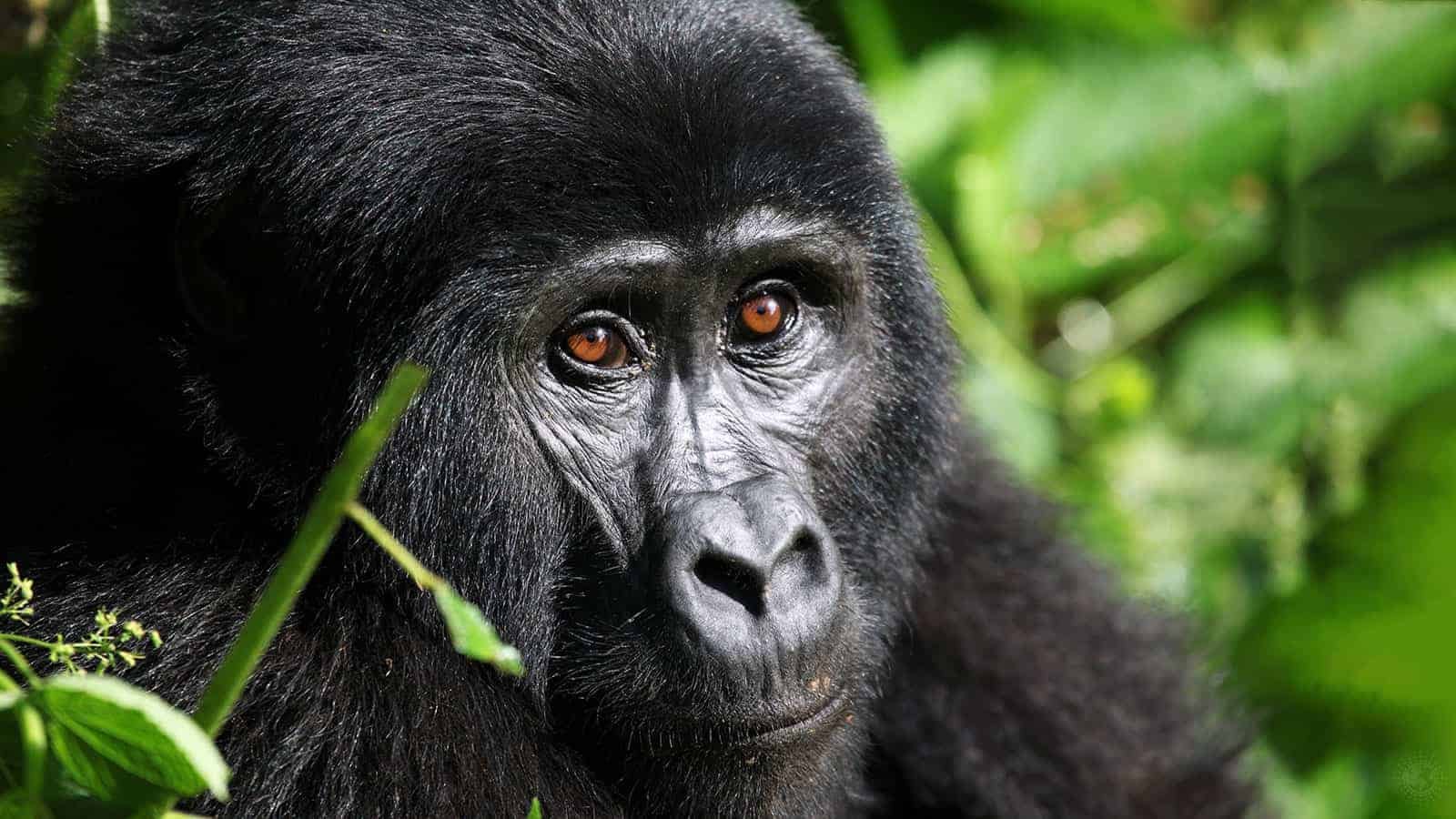
Seeing a mountain gorilla in the wild is one of Africa’s most memorable wildlife experiences. Sitting quietly inside an ancient rainforest while a silverback rests only a short distance away is very different from an ordinary wildlife sighting. Gorilla trekking requires visitors to enter the forest on foot, follow experienced trackers and rangers, and search for a habituated gorilla family in its natural habitat. Because weather affects forest trails, visibility, photography, road conditions, accommodation demand and the overall trekking experience, many travelers naturally ask the same question before booking: what is the best time to see gorillas?
For most travelers visiting Uganda, the best time to see gorillas is during the comparatively drier months, particularly June, July and August and again from December through February. Uganda Wildlife Authority information on primate viewing also identifies the dry seasons as particularly favorable, while Mgahinga’s official park material describes two relatively dry periods and notes that June and July are among its driest months
Why june and july?
However, this does not mean gorillas disappear during the rainy season. Mountain gorillas live permanently in the forests of southwestern Uganda. Gorilla trekking therefore continues throughout the year, including March, April, May, September, October and November. The difference is mainly in the trekking conditions.
During drier periods, forest paths normally have less mud, road access is easier, and hiking can feel more comfortable. During wetter months, vegetation becomes exceptionally green, visitor numbers may be lower, and photographers can enjoy dramatic rainforest scenery. Rain can nevertheless make steep trails slippery and increase the physical challenge.
Choosing the best period therefore depends on more than rainfall. Travelers should also consider availability of gorilla permits, accommodation prices, fitness levels, photography goals, other safari activities and whether the gorilla trek will form part of a longer Uganda wildlife safari.
At Lena Tours, we normally recommend choosing your travel dates after examining the entire safari rather than focusing only on the gorilla trek. Someone combining Bwindi with Queen Elizabeth National Park, Kibale National Park and Murchison Falls National Park may have different priorities from a traveler coming to Uganda solely for a three-day gorilla trekking experience.
Quick Answer: When Is the Best Time for Gorilla Trekking in Uganda?
If you want the simplest answer, consider traveling during:
- June to August – excellent overall trekking conditions.
- December to February – another very good period with generally drier conditions.
These months usually provide more manageable forest trails and are particularly attractive to travelers combining gorilla trekking with Uganda’s savannah wildlife experiences. Uganda Wildlife Authority also describes the dry season as a favorable period for primate tracking and general wildlife viewing.
Gorilla trekking, however, remains a year-round experience.
The wetter months can still be rewarding, especially if you are comfortable hiking in rain and mud and prefer greener landscapes.
Where Can You See Mountain Gorillas in Uganda?
Uganda provides mountain gorilla trekking in two protected areas:
1. Bwindi Impenetrable National Park
Bwindi is Uganda’s best-known gorilla trekking destination. It contains several trekking sectors, allowing travelers to choose accommodation and access according to their itinerary.
The principal trekking areas are:
- Buhoma
- Ruhija
- Rushaga
- Nkuringo
Uganda Wildlife Authority confirms these as Bwindi’s main gorilla trekking sector.
Bwindi’s terrain consists of steep hills, thick vegetation, valleys and dense rainforest. The trek can therefore range from relatively straightforward to physically demanding depending on where the assigned gorilla family moved overnight.
The journey is part of the adventure. Your ranger team uses information from trackers who monitor the gorillas and then guides you into the forest.
The amount of time needed to reach a family varies. Uganda Wildlife Authority says a gorilla trek may take roughly two to seven hours, although individual experiences differ according to terrain and the gorillas’ location. Once a trekking group reaches its assigned habituated family, the standard encounter allows approximately one hour with the gorillas.
2. Mgahinga Gorilla National Park
Mgahinga lies within the spectacular Virunga landscape in southwestern Uganda. Although smaller than Bwindi, it offers a distinctive gorilla trekking environment dominated by volcanic scenery.
Mgahinga is also Uganda’s only national park where visitors can track golden monkeys, making it particularly attractive for travelers interested in combining two primate experiences.
Official Uganda Wildlife Authority documentation confirms that Uganda’s mountain gorillas occur in Bwindi Impenetrable National Park and Mgahinga Gorilla National Park.
Why Weather Matters During Gorilla Trekking
Mountain gorillas do not follow a tourist calendar. They remain in their natural forest habitat throughout the year.
Weather matters mainly because it affects you.
A gorilla trek may involve steep climbs, uneven ground, exposed tree roots, streams, mud, tangled vegetation and occasionally long periods of walking before the family is located. Even a moderate slope can become challenging after heavy rainfall.
Rain also affects photography. Water droplets, mist and dense shade can reduce available light. On the other hand, wet conditions often create striking photographs because the forest becomes intensely green and atmospheric.
During comparatively dry weather, paths usually offer better footing. Photographers may also experience stronger natural light through openings in the canopy.
Neither season is universally better. Each creates a different experience.
Best Time to See Gorillas: June to August
June, July and August rank among the most popular months for Uganda gorilla trekking.
This period overlaps with a generally drier season in southwestern Uganda, although travelers should remember that Bwindi is a tropical rainforest and rain can occur at any time.
Uganda Wildlife Authority notes favorable dry-season conditions for primate tracking, while official Mgahinga material identifies June and July among its driest months.
Advantages of Visiting From June to August
- Trails can be more manageable.
- Photography conditions may be easier.
- Road transfers are generally simpler than during prolonged rain.
- The period combines well with conventional wildlife safaris.
- Families traveling during northern hemisphere summer holidays often find these dates convenient.
Possible Disadvantages
- Demand can be high.
- Popular lodges may fill early.
- Gorilla trekking permits should be arranged well ahead of travel.
- Prices for accommodation can sometimes be higher during peak travel periods.
For this reason, anyone planning to visit Uganda between June and August should avoid waiting until the final weeks before departure.
December to February: Another Excellent Gorilla Trekking Period
December, January and February provide another excellent window for travelers asking when to see gorillas in Uganda.
This period normally experiences comparatively dry conditions in southwestern Uganda, which often makes the forest trek more comfortable.
Official Uganda Wildlife Authority material identifies December to February as one of the area’s drier periods.
December is particularly popular because many international travelers combine Christmas or New Year holidays with an African safari.
January can be a good choice for people who want to travel after the Christmas rush.
February also remains attractive and may suit couples planning a honeymoon, private safari or combined primate and wildlife journey.
Is January a Good Month to See Gorillas?
Yes.
January is one of the stronger months for gorilla trekking because rainfall is generally lower than during the major wet periods.
However, Bwindi is a rainforest. A dry-season label should never be interpreted as a guarantee of completely dry weather.
Even during January, visitors should carry:
- Lightweight rain jackets
- Waterproof hiking boots
- Long trousers
- Gardening or trekking gloves
- Small waterproof daypacks or backpack covers
Proper preparation matters throughout the year.
Gorilla Trekking in February
February remains part of the generally favorable December-to-February travel period.
Forest conditions are often relatively manageable, while Uganda’s other national parks can also provide excellent safari experiences.
A traveler may therefore combine:
Bwindi gorilla trekking with Queen Elizabeth National Park, chimpanzee tracking in Kibale, a Lake Mburo safari or a longer Uganda wildlife circuit.
This is one reason Lena Tours often recommends examining the overall route before selecting the final gorilla trekking date.
Gorilla Trekking in March
March often marks the transition toward wetter conditions.
The forest becomes increasingly lush, while showers can occur more frequently.
Visitors who do not mind mud can still have an excellent gorilla encounter.
One possible advantage is that travel demand can begin to decrease compared with the busiest dry-season months.
Rain rarely lasts every minute of every day. Tropical weather may involve a shower followed by clearer periods.
Nevertheless, waterproof equipment becomes particularly important.
Is April Good for Gorilla Trekking?
April is generally among the wetter months in southwestern Uganda.
Official UWA information describes March–May as part of Bwindi’s extended rainy season, with increased rainfall and muddier conditions.
For some travelers, that makes April less desirable.
For others, it offers a remarkable rainforest experience.
The vegetation looks fresh and extremely green. Clouds can hang over the hills, creating atmospheric landscape photographs. Fewer visitors may also make some lodges feel quieter.
April therefore works best for adventurous travelers who place atmosphere and flexibility above easy trekking conditions.
Gorilla Trekking in May
Rain can continue through May, although conditions begin transitioning toward the drier period that follows.
May can be particularly appealing for nature lovers.
Uganda Wildlife Authority notes that the main nesting season for many birds around Bwindi and Mgahinga includes May and June, adding another dimension for travelers who enjoy birdwatching alongside primate encounters.
A combined gorilla and birding safari can therefore be especially interesting at this time.
Gorilla Trekking in June
June marks the beginning of one of Uganda’s most popular safari periods.
- Rainfall generally decreases.
- Forest trails may become easier.
- Wildlife safaris elsewhere in Uganda also become attractive.
- The biggest consideration is demand.
Because many international visitors travel during June, July and August, accommodation and trekking arrangements should be secured in advance.
Gorilla Trekking in July
July is one of the strongest choices for travelers seeking favorable walking conditions.
Official information for Mgahinga identifies June and July among the area’s driest months.
Expect competition for permits and high-quality lodges, however.
Early planning becomes particularly important.
A visitor who waits until the last minute may still find options, but flexibility in sector, accommodation and travel dates can become limited.
Gorilla Trekking in August
August remains excellent for gorilla trekking.
Families, couples, photographers and private groups often choose this month because it combines well with the broader East African safari season.
Uganda can also provide wonderful opportunities for;
- game drives
- boat safaris
- chimpanzee trekking
- cultural experiences.
Rather than flying into Uganda, trekking gorillas and immediately leaving, consider spending additional time discovering the country.
Gorilla Trekking in September
September can be a transitional month.
Rainfall may begin increasing in some areas, although weather patterns are not completely predictable.
This period can suit travelers seeking a balance between reasonable trekking conditions and potentially lower demand than the busiest months.
A waterproof jacket remains essential.
Gorilla Trekking in October
October is often wet.
Forest trails can become muddy and slippery.
For enthusiastic photographers, however, mist, rain droplets and deep green vegetation can create beautiful scenes.
The key is arriving prepared by;
- Wear boots with strong grip.
- Use gaiters if possible.
- Protect cameras and phones from moisture.
- Consider hiring a porter.
A porter can assist with your daypack and also provide valuable support on difficult sections of the trail.
Gorilla Trekking in November
November remains within a wetter period in many years.
The advantage is that Uganda’s landscapes become extremely lush.
Travelers who dislike busy periods may also appreciate visiting outside peak holiday months.
The gorillas remain in the forest.
Your ability to see them does not depend on a migration or seasonal arrival.
That is one of the most important points to understand when choosing a gorilla safari.
Gorilla Trekking in December
December begins another popular travel period.
Conditions generally become drier, especially as the month progresses.
Holiday travelers arrive from Europe, North America, Asia and elsewhere, so advance reservations are highly recommended.
Christmas in Uganda can be combined with:
- Gorilla trekking in Bwindi
- chimpanzee trekking in Kibale
- Queen Elizabeth National Park
- Murchison Falls
- Lake Mburo
- Relaxation around Lake Bunyonyi.
Best Time to See Gorillas for Photography
Wildlife photographers often have different priorities from ordinary safari visitors.
If you want easier conditions for camera equipment, June–August and December–February can be attractive because there is often less rainfall.
Nevertheless, rain can produce some of the most dramatic gorilla photographs.
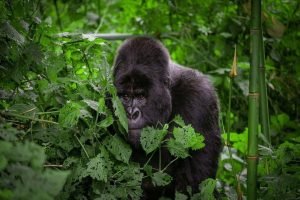
Imagine a silverback sitting beneath thick foliage while mist hangs behind him and water droplets cover his dark fur. Those moments may be challenging technically, but the results can be extraordinary.
For gorilla photography, bring:
- A camera that performs reasonably well in low light.
- Spare batteries.
- Extra memory cards.
- A rain cover.
- A lens cloth.
- A waterproof camera bag.
- Avoid relying completely on flash photography.
Listen carefully to ranger instructions before taking photographs.
Which Is Better: Dry Season or Rainy Season?
The dry season is better for most first-time gorilla trekkers.
That does not automatically make it better for everyone.
Choose the Dry Season If You:
- Prefer less muddy trails.
- Want to combine gorillas with game viewing.
- Have limited hiking experience.
- Want easier road conditions.
- Are traveling with family members who may find slippery trails challenging.
- Want predictable logistics as much as possible.
Consider the Rainy Season If You:
- Enjoy lush forest scenery.
- Are an experienced hiker.
- Want atmospheric photography.
- Prefer traveling outside the busiest periods.
- Do not mind getting wet.
- Have flexible travel arrangements.
Does Rain Stop Gorilla Trekking?
Usually, rainfall alone does not mean that every scheduled gorilla trek automatically stops.
Bwindi is a rainforest. Guides, trackers and visitors expect changing weather.
Trekkers should therefore arrive prepared for showers regardless of season.
Extremely unusual weather or safety concerns may influence operations, and Uganda Wildlife Authority and ranger teams remain responsible for operational decisions.
Always follow instructions given at the trekking headquarters.
What Time Does Gorilla Trekking Begin?
Visitors report to the relevant trekking headquarters in the morning for registration and briefing before entering the forest.
Uganda Wildlife Authority’s Bwindi information describes morning registration and briefing followed by trekking.
Because of the early start, it is important to stay near the correct trekking sector the night before.
This is an area where professional safari planning becomes very important.
Booking a lodge in the wrong section of Bwindi can create an unnecessarily long early-morning transfer.
Lena Tours can match accommodation to the correct trekking sector when organizing your Uganda gorilla safari.
How Long Does It Take to Find the Gorillas?
There is no fixed trekking time.
Uganda Wildlife Authority explains that trekking can take roughly two to seven hours, depending partly on where the gorillas are located.
Some groups locate their assigned family relatively quickly.
Others hike for several hours.
The uncertainty forms part of the adventure.
Mountain gorillas are wild animals living freely inside a large forest ecosystem.
How Long Do You Spend With the Gorillas?
For a standard gorilla trek, visitors normally spend approximately one hour observing the habituated gorilla family after locating it.
During this hour, you may observe:
- feeding
- resting
- grooming
- young gorillas playing
- family interactions
- a silverback watching over the group
- Gorillas moving slowly through vegetation.
Every encounter is different.
That unpredictability makes gorilla trekking so powerful.
Gorilla Trekking Versus Gorilla Habituation
Travelers researching the best time to see gorillas may encounter two different terms:
- Gorilla trekking
- Gorilla habituation experience.
Standard trekking involves finding an established habituated family and then spending the permitted viewing period with it.
Gorilla habituation is a different activity connected with the process of gradually familiarizing gorillas with controlled human presence.
Uganda Wildlife Authority officially distinguishes between normal gorilla tracking and the Gorilla Habituation Experience.
Travelers who want the habituation experience should request it specifically when arranging their safari because availability and permit arrangements differ.
How Difficult Is Gorilla Trekking?
Gorilla trekking can be moderately demanding.
Fitness matters because Bwindi’s terrain includes hills and thick vegetation. Uganda Wildlife Authority specifically advises that trekking requires moderate fitness and can last for several hours.
Difficulty varies considerably.
One group might encounter gorillas after a shorter walk.
Another may cross steep hills before reaching them.
Rain increases difficulty because trails become slippery.
That is why the “best month” can depend partly on your physical condition.
Someone in excellent hiking shape might enjoy April.
A traveler concerned about difficult terrain may prefer July.
Hire a Porter for Your Gorilla Trek?
Hiring a porter can make the experience significantly easier.
A porter can carry your backpack, camera equipment and drinking water.
More importantly, a porter can help you maintain balance on steep or slippery sections.
Using porters also provides direct income opportunities for people living around gorilla tourism areas.
Even travelers who consider themselves fit may appreciate the help.
What to Wear for Gorilla Trekking
Your clothing can influence the experience almost as much as the season.
Wear:
Strong Hiking Boots
Choose boots with good grip.
Avoid ordinary smooth-soled shoes.
Long Trousers
Long trousers help protect your legs from vegetation, mud and insects.
Long-Sleeved Shirt
This provides additional protection while walking through thick forest.
Waterproof Jacket
Carry one even during the dry season.
Rain can occur at any time.
Gardening or Trekking Gloves
Gloves help when holding vegetation or supporting yourself on steep slopes.
Hat
A lightweight hat can provide protection from sun and falling vegetation.
Gaiters
These can help keep mud and insects away from your lower legs.
What Should You Carry?
Your daypack should remain light.
Recommended items include:
- Drinking water
- packed lunch
- camera
- phone
- spare battery
- rain jacket
- sunscreen
- insect repellent
- personal medication
- passport or required identification
- and waterproof protection for electronics
Avoid carrying unnecessary weight.
Gorilla Trekking During Peak Season
Peak-season trekking normally coincides with popular dry-season travel periods.
The advantage is favorable conditions.
The disadvantage is demand.
If you hope to trek during July, August, late December or another popular travel window, arrange the trip early.
Uganda Wildlife Authority regulates gorilla permits and requires visitors to follow official booking procedures. UWA maintains published guidelines relating to gorilla and chimpanzee permits.
Booking your safari through a properly organized tour company can simplify the process because your accommodation, sector, transport and permit date can be coordinated together.
Why Gorilla Permits Affect the Best Time to Travel
- Many travelers choose a month first and then search for permits.
- A better method is often to evaluate permit availability and travel dates together.
- Your permit determines your trekking date.
- Your trekking sector influences accommodation.
- Accommodation affects transfer logistics.
Those decisions should therefore be made as one package.
This is especially important in Bwindi because the park has several different access areas.
Choosing the Correct Bwindi Sector
Bwindi’s primary gorilla trekking sectors are Buhoma, Ruhija, Rushaga and Nkuringo.
Each offers a different approach to the forest.
Buhoma
Buhoma is one of Bwindi’s best-known tourism areas and provides a range of accommodation.
It fits particularly well into some itineraries approaching Bwindi from Queen Elizabeth National Park and Ishasha.
Ruhija
Ruhija sits in the eastern part of the Bwindi area.
The surrounding highland landscapes are beautiful, and the area is also attractive for birding.
Rushaga
Rushaga provides access to gorilla trekking in southern Bwindi.
Many travelers approach through Kisoro.
Nkuringo
Nkuringo is also situated in southern Bwindi and offers spectacular mountainous scenery.
UWA notes that access to southern sectors often involves travel via Kisoro and recommends appropriate vehicles for the mountain roads.
Can You Fly to Bwindi?
Yes.
Travelers who do not want the long road transfer from central Uganda can use scheduled or charter flights.
Uganda Wildlife Authority notes flights connecting Entebbe with Kisoro for the southern sectors and Kihihi for the northern side of Bwindi.
Flights can considerably reduce travel time and suit luxury or shorter safari itineraries.
Road travel, however, provides its own advantages.
You see towns, farms, villages, rolling hills and changing landscapes along the way.
For many visitors, the drive becomes an important part of understanding Uganda.
Why Uganda Is One of the World’s Greatest Gorilla Destinations
Uganda plays an important role in mountain gorilla conservation.
Bwindi’s last published census benchmark recorded 459 mountain gorillas in 2018, while Uganda completed a newer census whose genetic results were still under analysis in 2026. Uganda Wildlife Authority also notes that the combined historical benchmark for Bwindi and the Virunga population produced a global estimate of 1,063 mountain gorillas.
This makes every gorilla trekking experience about more than tourism.
Permit revenue, conservation activities, ranger operations, scientific monitoring and tourism-related livelihoods all contribute to protecting these forests and their wildlife.
Responsible gorilla tourism therefore has a strong conservation dimension.
Is Gorilla Trekking Worth It?
For most wildlife enthusiasts, yes.
A game drive allows travelers to observe animals from a vehicle.
Gorilla trekking places you inside the animals’ forest habitat.
You walk, listen and wait.
Then a tracker may quietly point toward movement in the vegetation.
The first glimpse can be surprisingly emotional.
A gorilla may be feeding quietly.
A young individual may climb through branches.
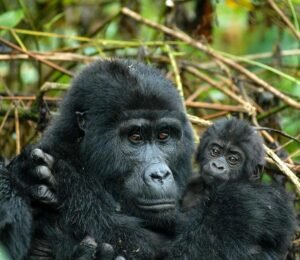
A female might rest beside an infant.
A silverback may sit almost motionless while watching his family.
The experience feels personal because there is no glass enclosure and no conventional safari vehicle separating you from the forest.
Everything happens under carefully controlled rules designed to protect both gorillas and visitors.
What Is the Best Time to See Baby Gorillas?
There is no single guaranteed “baby gorilla season.”
Mountain gorillas can reproduce throughout the year.
Therefore, travelers should not plan their entire safari around one specific month expecting newborns.
Your assigned family may include infants or juveniles, but this depends on the current composition of that family.
Lena Tours can explain available sectors and current safari logistics, but wild animal sightings should never be guaranteed.
Best Time for Gorilla Trekking and Wildlife Safaris
Travelers who want both gorillas and traditional game viewing should strongly consider June to August or December to February.
The dry periods can also be favorable for savannah wildlife viewing. UWA specifically notes dry-season advantages for wildlife viewing and primate tracking.
A complete Uganda safari might include:
- Murchison Falls National Park,
- Kibale National Park,
- Queen Elizabeth National Park,
- Bwindi Impenetrable National Park,
- Lake Mburo National Park.
This creates an itinerary filled with:
- Rhinos,
- chimpanzees,
- lions,
- elephants,
- buffaloes,
- hippos,
- leopards,
- mountain gorillas,
- antelope,
- variety of bird species.
Best Time for Gorillas and Chimpanzees
Uganda is one of Africa’s strongest destinations for travelers who want to see both great apes.
You can trek mountain gorillas in Bwindi and then track chimpanzees in Kibale National Park.
The combination creates two completely different forest experiences.
Gorillas spend much of their time on or near the forest floor.
Chimpanzees can move quickly through the canopy and may be more vocal and energetic.
Travelers can combine both experiences in one itinerary.
Best Time for Gorilla Trekking and Birdwatching
Birders may find May through September particularly interesting.
Uganda Wildlife Authority identifies late May through September as a particularly good general birding period and notes that May and June form an important nesting period around Bwindi and Mgahinga.
Bwindi is famous for Albertine Rift birdlife.
Combining birding with gorilla trekking can transform a short gorilla visit into a much richer natural-history safari.
How Many Days Do You Need for Gorilla Trekking?
A minimum 3-day itinerary works well for many travelers starting and ending in Kampala or Entebbe.
A basic structure might look like this:
Day 1 – Entebbe or Kampala to Bwindi
Meet your Lena Tours safari guide after breakfast.
Drive southwest through Uganda while enjoying views of rural landscapes, towns and highland scenery.
Stop for meals and photographs along the route.
Continue toward Bwindi and check into accommodation close to your allocated trekking sector.
Enjoy dinner and prepare equipment for the following morning.
Day 2 – Gorilla Trekking
Wake early and eat breakfast.
Transfer to the appropriate Uganda Wildlife Authority briefing point.
Meet rangers and receive instructions.
Enter the forest with trackers.
Walk through the rainforest until your assigned gorilla family is located.
Enjoy the permitted observation time while following ranger guidance.
Return to the trailhead after the encounter.
Transfer back to the lodge for relaxation, dinner and overnight stay.
Day 3 – Bwindi to Entebbe or Kampala
Enjoy breakfast.
Begin the return journey.
Stop for lunch and scenic breaks before continuing to Kampala or Entebbe.
Travelers with additional time can extend the itinerary to Queen Elizabeth National Park, Lake Bunyonyi, Mgahinga, Kibale or Lake Mburo.
Recommended 5-Day Gorilla and Wildlife Safari
Travelers with more time can combine gorillas with Queen Elizabeth National Park.
Day 1 – Entebbe to Queen Elizabeth National Park
Travel toward western Uganda.
Enjoy changing landscapes as you approach the national park.
Check into your lodge and relax.
Day 2 – Game Drive and Kazinga Channel
Begin with an early game drive.
Search for elephants, Uganda kob, buffaloes, warthogs and predators.
Later, enjoy a boat safari along the Kazinga Channel.
The waterway attracts impressive concentrations of hippos and provides excellent opportunities for bird photography.
Day 3 – Transfer to Bwindi
Leave Queen Elizabeth and travel toward Bwindi.
Depending on the route, the journey may pass through beautiful rural landscapes and highlands.
Check into your lodge near the correct trekking sector.
Day 4 – Gorilla Trekking
Attend the morning briefing.
Enter the forest with rangers.
Locate your allocated habituated gorilla family.
Return to the lodge after the trek.
Day 5 – Return to Entebbe
After breakfast, begin the journey toward Entebbe.
This compact itinerary provides both traditional African wildlife and Uganda’s most famous primate experience.
When Should You Book a Gorilla Safari?
Book as early as possible if:
- You want to travel during June–August.
- You want Christmas or New Year dates.
- You need a specific luxury lodge.
- You are traveling as a large group.
- You need a particular Bwindi sector.
- You are combining gorillas with international flights on fixed dates.
Last-minute trips are possible when availability exists, but early planning provides more choice.
Can Children Go Gorilla Trekking?
Gorilla trekking has specific participation rules, including age requirements.
Because regulations can change, travelers should confirm the current official requirements at the time of booking rather than depending on an old blog article.
Lena Tours can check the applicable Uganda Wildlife Authority conditions while arranging your safari.
Health and Gorilla Trekking
Gorillas are closely related to humans and can be vulnerable to human illnesses.
Visitors must follow health and distance rules provided by Uganda Wildlife Authority and park rangers.
Do not hide illness simply because you have traveled a long distance.
Gorilla conservation takes priority.
Follow all ranger instructions throughout the encounter.
Why You Should Never Touch a Gorilla
Mountain gorillas are wild animals.
Never attempt to touch, feed or deliberately approach them.
Even habituated gorillas remain wild.
A gorilla may sometimes move in your direction. Remain calm and follow your ranger’s instructions.
The purpose of habituation is not to turn gorillas into pets.
It allows controlled tourism and conservation monitoring while preserving their wild behavior.
Can Gorillas Approach Tourists?
Yes, a gorilla may occasionally move closer.
Visitors should not interpret this as permission to reach out.
Remain still unless your ranger instructs you to move.
The ranger team understands gorilla behavior and will guide the group.
What Happens If a Silverback Comes Close?
- Stay calm.
- Do not run.
- Do not scream.
- Do not make sudden movements.
- Listen to your ranger.
A close approach may feel intimidating because an adult silverback is extremely powerful, but experienced guides are trained to manage these encounters.
Is Gorilla Trekking Safe?
Gorilla trekking in Uganda operates under ranger supervision and established wildlife-management procedures.
Visitors attend a briefing and enter the forest with trained personnel.
No wildlife experience can be described as completely risk-free, but following official rules significantly reduces unnecessary risk.
You should also prepare physically.
Many trekking difficulties arise from terrain rather than the gorillas themselves.
Best Time for Senior Travelers to See Gorillas
Older travelers can enjoy gorilla trekking, but planning becomes especially important.
Choose a relatively dry period when trails may be easier.
Discuss your mobility and fitness honestly with your safari planner.
Consider hiring a porter.
Stay close to your trekking headquarters.
Allow an extra recovery day after the trek.
Avoid an overly rushed itinerary.
A comfortable gorilla safari should prioritize the traveler’s ability rather than trying to fit too many destinations into too few days.
Best Time for Honeymoon Gorilla Safaris
December to February and June to August are excellent periods for couples seeking a combination of comfortable trekking and high-end safari accommodation.
A honeymoon itinerary could include:
- Luxury lodge in Bwindi,
- private vehicle and guide,
- gorilla trekking,
- Lake Bunyonyi,
- Queen Elizabeth National Park,
- boat safari,
- and a final relaxing night near Entebbe.
Uganda provides an adventurous alternative to a conventional beach honeymoon.
Best Time for Budget Gorilla Trekking
Budget travelers should consider shoulder and wetter-season periods.
While the gorilla permit itself follows official pricing rules, certain accommodation providers may offer more flexibility outside peak periods.
Budget savings can also come from:
- Choosing comfortable budget lodges,
- traveling in a small group,
- using road transfers rather than flights,
- combining transport with other travelers where appropriate,
- avoiding unnecessary luxury upgrades.
Never compromise on proper permits or official park procedures simply to reduce the cost.
Why You Should Book With Lena Tours
Planning a gorilla safari involves more than buying a permit.
The trekking sector, lodge location, vehicle, arrival time, international flight schedule and other safari destinations must fit together.
Lena Tours can help organize:
- Gorilla permit arrangements,
- airport transfers,
- private safari transport,
- professional driver-guides,
- Bwindi accommodation,
- Uganda safari extensions,
- chimpanzee trekking,
- wildlife safaris,
- boat cruises,
- cultural experiences,
- customized itineraries.
Our goal is to make the journey from your first enquiry to the final airport transfer straightforward and memorable.
Website: www.lenatours.com
Is Uganda or Rwanda Better for Gorilla Trekking?
Both countries provide exceptional mountain gorilla experiences.
Uganda provides trekking in Bwindi and Mgahinga, while Rwanda’s principal gorilla destination is Volcanoes National Park.
The best choice depends on itinerary, budget, travel style and what you want to do beyond gorilla trekking.
Uganda is particularly attractive for travelers who want to combine gorillas with:
- Chimpanzees,
- Murchison Falls,
- Queen Elizabeth National Park,
- Kazinga Channel,
- tree-climbing lions,
- Lake Mburo,
- Other safari destinations.
For many travelers, this diversity makes Uganda suitable for a longer multi-experience safari.
Is Bwindi Better Than Mgahinga?
Neither park is universally better.
Bwindi offers several sectors and many accommodation choices.
Mgahinga provides spectacular Virunga scenery and the possibility of adding golden monkey tracking.
Your choice should depend on:
- Permit availability,
- travel route,
- accommodation preference,
- number of safari days,
- other activities.
Does the Time of Day Matter for Seeing Gorillas?
Gorilla trekking activities begin in the morning.
You do not normally choose an afternoon time slot in the same way someone might choose between morning and afternoon game drives.
Trackers monitor gorilla locations and guide visitors accordingly.
The time at which you actually reach the gorillas depends on how far the family has moved and the hiking conditions.
Can You See Gorillas From a Safari Vehicle?
No.
Mountain gorilla trekking is fundamentally a walking activity.
Vehicles bring visitors to the general park area and trekking headquarters.
From there, the experience continues on foot.
This difference makes gorilla trekking unlike a savannah game drive.
Do Gorillas Migrate?
Mountain gorillas do not migrate seasonally in the manner of wildebeest.
They live within their forest ranges.
Families move each day while feeding, resting and searching for suitable vegetation.
Therefore, there is no “gorilla migration month.”
The best time is primarily determined by trekking conditions and your travel preferences.
Are Gorillas Easier to Find in the Rainy Season?
This question does not have a simple universal answer.
Gorilla movements depend on food availability, family behavior, terrain and many other factors.
Do not choose the rainy season because someone guarantees the gorillas will be “closer.”
Likewise, do not assume dry-season trekking always involves a shorter walk.
These are wild animals.
Your trek may be short or long in any month.
What Happens If It Rains While You Are With Gorillas?
Keep calm and protect your camera.
Follow ranger instructions.
Rain can make the viewing experience surprisingly beautiful.
Gorillas may continue feeding, rest under vegetation or move through the forest.
A rain jacket allows you to concentrate on the encounter rather than your clothing.
Best Time for First-Time Visitors
For a first gorilla safari, we recommend considering:
June, July, August, January or February.
These months provide a strong balance between favorable trekking conditions and opportunities to combine gorillas with other Ugandan wildlife experiences.
December can also be excellent, but holiday travel demand can be substantial.
Best Time for Experienced Adventure Travelers
Adventure travelers comfortable with mud, steep terrain and changing weather can consider almost any month.
March–May and September–November offer a completely different forest atmosphere.
The rainforest can feel wilder.
Clouds settle across the mountains.
Trails become more demanding.
For some visitors, that challenge makes the trek even more rewarding.
Why Gorilla Trekking Should Be Part of a Longer Uganda Safari
Many visitors know Uganda only for mountain gorillas.
Yet the country offers far more.
A well-planned journey can take travelers from the forests of Bwindi to the savannah plains of Queen Elizabeth National Park, the chimpanzee habitats of Kibale, the Nile at Murchison Falls and the acacia landscapes of Lake Mburo.
Adding several destinations also improves the value of the long international journey.
You return home with a fuller understanding of Uganda rather than experiencing only one attraction.
Suggested 10-Day Uganda Gorilla and Wildlife Safari
Day 1 – Arrival in Entebbe
Meet your Lena Tours representative.
Transfer to your hotel and rest after the international flight.
Day 2 – Transfer to Murchison Falls Area
Begin the journey north.
Depending on your itinerary, include a rhino-tracking experience before continuing toward Murchison Falls.
Day 3 – Murchison Falls Game Drive and Nile Boat Safari
Start with a game drive.
Later take a boat safari on the Nile.
Look for hippos, crocodiles, elephants and abundant birdlife.
Day 4 – Transfer Toward Kibale
Travel through western Uganda.
Enjoy countryside views before arriving near Kibale.
Day 5 – Chimpanzee Tracking
Enter the forest with experienced guides for a chimpanzee experience.
Relax afterward or add a community or wetland walk.
Day 6 – Queen Elizabeth National Park
Travel into Queen Elizabeth National Park.
Enjoy an afternoon or evening wildlife activity.
Day 7 – Game Drive and Kazinga Channel
Search for wildlife during a morning game drive.
Later enjoy a boat safari.
Day 8 – Transfer to Bwindi
Travel through southwestern Uganda toward Bwindi.
Check into a lodge near your allocated sector.
Day 9 – Gorilla Trekking
Complete one of Africa’s most extraordinary wildlife encounters.
Return to your lodge afterward.
Day 10 – Return to Entebbe
Drive or fly back depending on your chosen itinerary.
This type of trip works particularly well during the popular dry-season months.
Responsible Gorilla Tourism
A gorilla safari should leave more than photographs.
Responsible travelers respect wildlife rules, local communities and the environment.
- Do not litter.
- Do not leave plastic inside the forest.
- Listen to rangers.
- Avoid disturbing animals for photographs.
- Never pressure guides to break distance or safety rules.
- Support legitimate tourism businesses.
- Respect communities around protected areas.
- Buy locally made crafts when appropriate.
- Tip service providers fairly when satisfied with their work.
- Conservation succeeds when tourism benefits both wildlife and people.
Gorilla Conservation in Uganda
Uganda’s mountain gorilla conservation record is one of the country’s major wildlife achievements.
Uganda Wildlife Authority reported in September 2026 that Bwindi’s known population grew from approximately 300 gorillas recorded in 1992 to 459 during the 2018 census. A more recent census has been completed, with updated genetic-analysis results awaited.
These numbers remind travelers why strict tourism rules matter.
Mountain gorilla tourism is not ordinary entertainment.
It operates within a conservation framework designed to protect a rare species and its habitat.
Frequently Asked Questions About the Best Time to See Gorillas
What is the best month to see gorillas in Uganda?
June and July are among the strongest months, while August, January and February are also excellent choices. They generally fall within drier periods that can make trekking conditions easier.
Can I see gorillas in January?
Yes. January is an excellent month for Uganda gorilla trekking.
Can I see gorillas in February?
Yes. February normally offers favorable trekking conditions.
Is March good for gorilla trekking?
Yes, although rainfall may begin increasing.
Is April suitable for gorilla trekking?
Gorilla trekking operates, but April can be wet and trails may be muddy.
Can I trek gorillas in May?
Yes. Expect wetter conditions, particularly around the earlier part of the month.
Is June a good month?
Yes. June begins one of the most popular trekking periods.
Is July the best month for gorilla trekking?
July is certainly one of the best months, especially for travelers seeking comparatively dry trekking conditions.
Is August good for seeing gorillas?
Yes. August is popular and combines well with broader safari activities.
Is September a good month?
Yes. Conditions may become wetter, but trekking remains possible.
Can I trek in October?
Yes. Prepare for rain and potentially muddy trails.
Is November suitable?
Yes. November can be wet, but gorillas remain accessible through organized trekking.
Can I trek gorillas at Christmas?
Yes, subject to permit availability. Book early because December is popular.
Can I see mountain gorillas throughout the year?
Yes. Gorilla trekking is available year-round in Uganda’s gorilla parks, subject to normal operational conditions.
Where can I see gorillas in Uganda?
Bwindi Impenetrable National Park and Mgahinga Gorilla National Park.
How long does gorilla trekking take?
Treks can last several hours. Uganda Wildlife Authority indicates roughly two to seven hours as a general range.
How much time do I get with gorillas?
A standard trek normally provides approximately one hour of observation once the gorilla family is located.
Do I need to be physically fit?
Moderate fitness is recommended because trails can be steep and trekking may last several hours.
Should I hire a porter?
We recommend it, especially if you have camera equipment or are concerned about steep terrain.
Which Bwindi sector is best?
Buhoma, Ruhija, Rushaga and Nkuringo each provide excellent experiences. The best choice depends on permit availability, accommodation and your wider itinerary.
Can Lena Tours arrange gorilla permits?
Lena Tours can coordinate your gorilla safari arrangements and help align the correct trekking date, sector, accommodation and transportation with applicable UWA booking procedures.
Final Answer:
For most visitors, the best time to see gorillas in Uganda is from June to August and from December to February.
These periods generally provide the most favorable combination of lower rainfall, easier forest trails and opportunities to combine gorilla trekking with Uganda’s other wildlife destinations. Official Uganda Wildlife Authority information also identifies the dry season as particularly favorable for primate tracking.
However, there is no bad month simply because gorillas “leave” the area.
They do not.
Mountain gorillas remain in Uganda’s protected forests throughout the year.
March, April, May, September, October and November can still produce extraordinary encounters. The main difference is that rain makes trails more challenging.
Your ideal month therefore depends on your priorities.
- Choose June–August for excellent all-around conditions.
- Choose December–February for another strong dry-season window.
- Choose wetter months for lush landscapes, adventure and potentially quieter travel periods.
Most importantly, plan early, choose the correct trekking sector, prepare properly and travel with an experienced safari operator.
A gorilla trek lasts only one day within a safari, but the memory can stay with you for the rest of your life.
Book Your Uganda Gorilla Safari With Lena Tours
Are you ready to experience mountain gorillas in Uganda?
Lena Tours can create a private gorilla safari based on your travel dates, preferred accommodation level, budget and number of days.
We can combine your gorilla trek with:
- Bwindi Impenetrable National Park,
- Mgahinga Gorilla National Park,
- Queen Elizabeth National Park,
- Kibale National Park,
- Murchison Falls National Park,
- Lake Mburo National Park,
- Lake Bunyonyi,
- chimpanzee trekking,
- golden monkey tracking,
- wildlife game drives,
- boat safaris,
- birdwatching,
- cultural experiences.
Start planning your Uganda safari today.
Lena Tours
Website: www.lenatours.com
Destination: Uganda – The Pearl of Africa
Plan Your Safari with Lena Tours
Complete the enquiry form below and our safari specialists will prepare a personalised itinerary and quotation for your journey.