
LENA TOURS | UGANDA SAFARI TRAVEL GUIDE
Fishing Safaris in Uganda: The Ultimate Guide to the Best Fishing Lakes, Nile Perch, Sport Fishing and Adventure Tours
Unlike ordinary fishing holidays, a Uganda fishing safari allows visitors to combine recreational angling with traditional African wildlife experiences. Travellers can enjoy a morning fishing expedition, spend the afternoon watching elephants and giraffes, and finish the day at a comfortable safari lodge. Furthermore, Uganda’s diverse landscapes make it possible to visit several lakes, explore beautiful islands, observe fishing communities, and discover the country’s outstanding biodiversity during a single holiday.
Fishing safaris in Uganda attract experienced anglers, beginners, photographers, families, and travellers searching for something different from conventional wildlife tours. Some visitors come specifically to target powerful Nile perch, while others prefer smaller fish, relaxed boat excursions, birdwatching, and cultural experiences. Regardless of your interests, the country’s lakes and rivers provide a remarkable setting for discovering the connection between people, nature, and water.
At Lena Tours, we help travellers explore Uganda through carefully planned safari itineraries that combine sport fishing, boat excursions, national parks, cultural experiences, and comfortable accommodation. Our fishing safari packages can include Lake Victoria, Murchison Falls National Park, Lake Mburo, Queen Elizabeth National Park, and other suitable destinations, subject to fishing permits, local conditions, and the availability of qualified guides.
This comprehensive guide explains the major fishing lakes in Uganda, the fish species found in different water systems, suitable fishing techniques, the best seasons, essential equipment, fishing regulations, and sample itineraries. It also explores the country’s lesser-known lakes, helping travellers understand which destinations offer established sport-fishing trips and which are better suited to cultural visits or specially arranged fishing experiences.
Why Uganda Is One of Africa’s Most Interesting Fishing Safari Destinations
Uganda’s exceptional freshwater environments make it an attractive destination for travellers who enjoy fishing and outdoor activities. The country contains vast lakes, connected river systems, wetlands, volcanic crater lakes, and beautiful highland waters. Together, these environments support fishing communities, diverse aquatic ecosystems, and some impressive freshwater fish.
One of Uganda’s greatest attractions is the opportunity to encounter Nile perch. This powerful predator can reach enormous sizes and presents an exciting challenge for experienced anglers. Its strength, speed, and fighting ability make it one of the most desirable freshwater sport fish in East Africa. Consequently, destinations such as Lake Victoria and the River Nile below Murchison Falls have developed reputations as major fishing attractions.
However, Uganda offers far more than the possibility of catching large fish. Visitors can discover tilapia, several catfish species, tigerfish, lungfish, and many smaller native fishes. Each species occupies different habitats, requiring anglers to understand local conditions and select suitable fishing methods. Experienced guides can explain how water depth, vegetation, seasonal changes, and fish behaviour influence fishing opportunities.
Another advantage is Uganda’s exceptional wildlife. Fishing destinations often lie close to national parks, islands, forests, and wetlands. For example, visitors to Murchison Falls can combine fishing with game drives and Nile boat cruises. Lake Mburo offers opportunities to observe zebras, impalas, buffaloes, and beautiful birds, while southwestern Uganda provides easy connections to gorilla trekking experiences.
Moreover, fishing safaris support cultural discovery. Traditional fishing communities have developed around Uganda’s lakes over generations. Visitors can learn about fishing boats, local fish markets, fish preparation, community livelihoods, and conservation challenges. These experiences add cultural depth to a holiday and help travellers understand the importance of Uganda’s aquatic resources.
All the Major Fishing Lakes in Uganda
Uganda contains many lakes, but not every lake operates as a recreational sport-fishing destination. Some support extensive commercial fisheries, while others have limited fishing access, sensitive ecosystems, or special conservation restrictions. Understanding these differences helps travellers select destinations that suit their expectations.
The following table highlights Uganda’s main fishing lakes and several additional lakes with fisheries, scenic importance, or potential for carefully arranged angling activities.
|
Fishing lake |
Location |
Fishing interest and visitor experience |
|---|---|---|
|
Lake Victoria |
Central and southeastern Uganda |
Major Nile perch fishing destination, tilapia, boat excursions |
|
Lake Albert |
Western Uganda |
Important fishing communities, Nile perch and other fish |
|
Lake Kyoga |
Central Uganda |
Commercial fisheries, tilapia, Nile perch, local fishing traditions |
|
Lake Edward |
Southwestern Uganda |
Fisheries and lakeside communities near Queen Elizabeth National Park |
|
Lake George |
Western Uganda |
Fishing communities, wetland ecology and birdwatching |
|
Lake Mburo |
Southwestern Uganda |
Regulated sport fishing and wildlife safari experiences |
|
Lake Bunyonyi |
Southwestern Uganda |
Scenic lake visits, limited locally arranged angling possibilities |
|
Lake Mutanda |
Southwestern Uganda |
Scenic island excursions and small-scale local fishing |
|
Lake Wamala |
Central Uganda |
Local fisheries, rural tourism and wetland landscapes |
|
Lake Kwania |
Northern-central Uganda |
Fishing communities within the Kyoga lake system |
|
Lake Bisina |
Eastern Uganda |
Wetland scenery, birdlife and traditional fisheries |
|
Lake Opeta |
Eastern Uganda |
Sensitive wetlands and birdwatching; fishing access requires verification |
|
Lake Nakuwa |
Eastern Uganda |
Part of the Kyoga wetland-lake network |
|
Lake Kachera |
Southwestern Uganda |
Local fisheries and rural lakeside scenery |
|
Lake Nakivale |
Southwestern Uganda |
Local fisheries and community-based experiences |
|
Lake Bisinia and smaller connected lakes |
Eastern Uganda |
Seasonal fisheries and wetland exploration |
|
Crater lakes around Fort Portal and Kasenda |
Western Uganda |
Selected lakes with fish, subject to local permission and ecological restrictions |
Uganda’s Directorate of Fisheries Resources identifies Victoria, Albert, Kyoga, Edward, and George as the country’s five major lake systems. The other lakes contribute to local livelihoods, conservation, and tourism in different ways.
It is important to recognise that the presence of fish does not automatically mean tourists can fish freely. Lake Victoria, Murchison Falls, and Lake Mburo are among the clearest established choices for recreational fishing. Other destinations require confirmation of fishing rights, guide availability, boat safety, and protected-area restrictions before booking.
Lake Victoria Fishing Safaris: The Home of Giant Nile Perch


Lake Victoria ranks among Uganda’s most famous fishing destinations and offers outstanding opportunities for travellers interested in freshwater sport fishing. Shared by Uganda, Kenya, and Tanzania, this enormous lake dominates the regional landscape and supports major commercial fisheries, traditional fishing communities, and recreational fishing activities.
For visiting anglers, the lake’s greatest attraction is Nile perch. These large predatory fish inhabit various sections of the lake, including deeper waters, rocky shorelines, island channels, and underwater structures. Skilled fishing guides use their knowledge of fish movement and seasonal conditions to identify productive fishing areas. Although some catches can be extremely impressive, the size and number of fish encountered always depend on prevailing conditions.
Lake Victoria is particularly convenient for tourists arriving through Entebbe International Airport. Fishing excursions can begin around Entebbe, making the lake suitable for visitors with limited time in Uganda. Short fishing trips provide an introduction to the country’s freshwater environment, while full-day and multi-day expeditions allow more time to explore productive fishing grounds.
Fish Species Found in Lake Victoria
Nile perch are the main attraction for many recreational anglers. Their powerful movements and impressive fighting ability create memorable experiences, especially when larger fish strike artificial lures. However, the lake also supports Nile tilapia, catfish, lungfish, and numerous smaller fish species, including native cichlids.
Tilapia are particularly important to local fishing communities. These fish feature prominently in Ugandan cuisine and are commonly sold in restaurants and fish markets. Meanwhile, catfish and lungfish occupy different aquatic habitats and play important roles in the lake’s ecosystem.
Visitors should remember that fishing techniques vary by species. The methods used to target giant Nile perch are different from those needed for smaller tilapia. Therefore, selecting a realistic target species before travelling helps guides prepare appropriate equipment.
Best Fishing Methods on Lake Victoria
Trolling is among the best-known techniques used by sport-fishing operators on Lake Victoria. During this activity, fishing lines fitted with suitable artificial lures trail behind a moving boat. The method allows anglers to cover considerable distances while searching for active predators.
Casting provides another exciting opportunity, especially around suitable underwater structures and rocky island margins. Anglers select lures according to water conditions, target species, and the advice of their guides. When a fish strikes, the experience requires patience, correct drag settings, and careful handling.
Although experienced visitors sometimes bring personal equipment, many organised fishing trips can provide rods, reels, lures, and safety equipment. Travellers should confirm exactly what their package includes before departure.
Lake Victoria Fishing from Entebbe
Entebbe provides a convenient base for fishing safaris. Its location near Uganda’s main international airport allows travellers to begin their holidays without undertaking a long road journey. Furthermore, the town offers accommodation options ranging from comfortable guesthouses to higher-end lakeside properties.
A typical excursion begins with a briefing about the boat, weather conditions, fishing techniques, and safety procedures. Afterwards, the guide takes visitors towards appropriate fishing areas. Depending on the package, anglers may spend several hours trolling, casting, learning about fish species, and enjoying the scenery.
The lake’s enormous size makes weather awareness essential. Strong winds and sudden storms can create dangerous conditions, especially for smaller vessels. For this reason, departure times and fishing routes should remain flexible.
Ssese Islands Fishing Safaris on Lake Victoria

The Ssese Islands are a beautiful group of islands within Lake Victoria and provide an appealing destination for travellers seeking fishing adventures combined with relaxation. Their forested landscapes, quiet beaches, traditional villages, and beautiful lake views make them particularly attractive for longer fishing holidays.
Fishing around the Ssese Islands focuses heavily on Nile perch, although other fish species inhabit the surrounding waters. Experienced guides may explore deeper channels, island margins, and submerged structures where larger predatory fish search for food. Because fish behaviour changes with weather and water conditions, local knowledge plays an important role in selecting suitable locations.
Besides fishing, visitors can enjoy beach walks, photography, village encounters, and peaceful evenings overlooking the lake. This combination makes the islands suitable for couples, families, and travellers who prefer a slower holiday pace.
Lena Tours can incorporate the Ssese Islands into a broader Uganda safari, allowing visitors to combine several days of fishing with national park adventures. Island transfers, boat arrangements, accommodation, and fishing equipment should be planned in advance to ensure a comfortable experience.
Lake Albert Fishing Safaris in Western Uganda

Lake Albert lies along Uganda’s western border with the Democratic Republic of the Congo. The lake forms part of the Albertine Rift landscape and supports important fishing communities, productive aquatic ecosystems, and spectacular scenery. Its surrounding escarpments, shorelines, and fishing settlements offer a distinctive perspective on Uganda’s natural and cultural heritage.
Fishing activities on Lake Albert contribute significantly to local livelihoods. The lake supports several commercially important fish species, including Nile perch and different catfish species. Visitors may also encounter local fishing methods, traditional boats, fish markets, and community traditions connected to the lake.
Although Lake Albert contains desirable sport fish, visitors should not assume that organised recreational angling is as readily available as it is on Lake Victoria. Fishing arrangements may require specialist local coordination, licensed boats, and confirmation of relevant fisheries regulations. Consequently, travellers should discuss their expectations before including a fishing session in their itinerary.
What Makes Lake Albert Special?
The scenery surrounding Lake Albert provides one of the strongest reasons to visit. The lake stretches beneath dramatic landscapes shaped by the western branch of the East African Rift system. Early morning light creates remarkable views across the water, while fishing boats provide fascinating photographic opportunities.
Tourists can also combine a Lake Albert visit with exploration of the wider Murchison Falls region. Depending on travel routes and available services, a safari may include game drives, boat cruises, scenic viewpoints, and community-based tourism experiences.
Birdwatching adds further interest to the destination. Wetland margins and lakeshore habitats support numerous waterbirds, making the area attractive to wildlife photographers and nature enthusiasts.
Fish Species in Lake Albert
Lake Albert contains Nile perch and several other fish species that support local fisheries. Catfish are particularly important, while smaller fish provide food and income for surrounding communities. Species composition varies across the lake, and some fish populations face pressure from intensive harvesting and environmental changes.
Responsible visitors should respect conservation measures, avoid purchasing undersized fish, and choose activities that support sustainable fisheries management. These considerations help preserve fishing opportunities for future generations.
Lake Kyoga Fishing Safaris in Central Uganda

Lake Kyoga forms a major freshwater system in central Uganda. Surrounded by wetlands, papyrus vegetation, fishing communities, and productive aquatic habitats, it plays an important role in the country’s fisheries sector. The lake connects with the Nile system and supports many communities whose livelihoods depend on fishing and related activities.
Unlike the open stretches of Lake Victoria, much of the Lake Kyoga landscape features shallow waters, vegetation, and extensive wetland environments. These conditions create habitats for various freshwater fish while supporting numerous bird species.
Fishing on Lake Kyoga traditionally involves local communities using established fishing methods. Nile tilapia, Nile perch, catfish, and other species form part of the wider fishery. However, fishing productivity and species distribution vary between different sections of the lake system.
Fishing Experiences Around Lake Kyoga
For travellers interested in learning about Uganda’s fishing culture, Lake Kyoga offers valuable opportunities. Visits to fishing communities can provide insight into how local people prepare boats, maintain equipment, handle catches, and transport fish to markets.
Photography enthusiasts may particularly enjoy the early morning atmosphere around fishing landing sites. Fishermen returning with their catches, colourful boats, papyrus vegetation, and reflections across the water create memorable scenes.
Recreational angling should be arranged only after confirming local permission, boat suitability, and safe operating conditions. Many areas primarily serve commercial and subsistence fisheries rather than established tourist fishing operations.
Wildlife and Birdwatching Around Lake Kyoga
The wetlands surrounding Lake Kyoga support numerous aquatic birds and other wildlife. Depending on the location, visitors may observe herons, egrets, kingfishers, cormorants, and other species associated with freshwater habitats.
Birdwatching excursions can complement cultural visits, creating a well-rounded lakeside experience. Furthermore, the scenery offers excellent opportunities for landscape photography, especially during calm mornings and late afternoons.
Lake Edward Fishing Safaris in Queen Elizabeth National Park

Lake Edward lies within the Albertine Rift region and extends across the border between Uganda and the Democratic Republic of the Congo. Its Ugandan shoreline forms part of the greater Queen Elizabeth National Park landscape, where lakes, savannah plains, wetlands, and surrounding mountains create one of Uganda’s most distinctive safari environments.
The lake supports fishing communities and important freshwater ecosystems. Local fisheries contribute food and employment to surrounding settlements, while the protected landscape attracts visitors interested in wildlife viewing, photography, and nature-based tourism.
Because sections of Lake Edward fall within protected areas, fishing activities are subject to conservation regulations. Tourists should not independently fish from the shoreline or hire an unapproved boat. Instead, any recreational activity must receive the necessary permissions and follow instructions from the relevant authorities.
Fish Species in Lake Edward
Lake Edward supports tilapia, catfish, lungfish, and other freshwater fish. These species occupy different ecological habitats and contribute to the livelihoods of fishing communities around the lake.
The fishery has experienced management challenges associated with harvesting pressure, habitat protection, and the need to balance local livelihoods with wildlife conservation. Therefore, responsible tourism should support sustainable practices and respect protected breeding environments.
Combining Lake Edward with Wildlife Safaris
Queen Elizabeth National Park provides excellent opportunities for game drives, boat excursions, and wildlife photography. Visitors may encounter elephants, buffaloes, Uganda kobs, warthogs, and various bird species. The Ishasha sector is also known for its tree-climbing lions, although wildlife sightings can never be guaranteed.
Lena Tours can combine a Lake Edward cultural excursion with a wider Queen Elizabeth safari. Such a programme may include visits to appropriate fishing communities, scenic viewpoints, wildlife activities, and comfortable accommodation near the park.
Lake George Fishing Safaris and the Kazinga Channel

Lake George is another important freshwater lake in western Uganda. Connected to Lake Edward through the Kazinga Channel, it supports fisheries, wetland ecosystems, and diverse birdlife. The surrounding landscape forms part of the wider Queen Elizabeth National Park conservation area.
Traditional fishing communities operate in designated areas around Lake George. Tilapia and other freshwater species support local livelihoods, while wetlands provide valuable breeding and feeding habitats for fish and birds.
For tourists, the main appeal lies in discovering the relationship between fishing communities and the protected landscape. Carefully organised cultural visits can provide insight into fishing practices, conservation challenges, and life beside one of Uganda’s important Rift Valley lakes.
Fishing and Conservation Around Lake George
Lake George is not generally promoted as a conventional tourist sport-fishing charter destination. Its location near sensitive protected habitats means anglers must confirm where recreational fishing is permitted and whether qualified operators can provide the necessary arrangements.
Meanwhile, visitors can enjoy excellent wildlife experiences nearby. The Kazinga Channel is famous for boat cruises that offer opportunities to observe hippos, crocodiles, waterbirds, and other animals along the shore.
Combining a lakeside cultural experience with an organised Kazinga Channel boat cruise is often more practical than planning an independent fishing expedition in protected waters.
Lake Mburo Fishing Safaris: Fishing and Wildlife in One Destination


Unlike destinations where fishing is the primary attraction, Lake Mburo provides a more varied experience. Visitors can enjoy designated fishing activities before exploring savannah landscapes inhabited by zebras, impalas, buffaloes, elands, warthogs, and numerous bird species.
The lake and its surrounding wetlands contain several fish species, including tilapia and catfish. Fishing opportunities depend on the permitted locations and prevailing park regulations. Consequently, anglers must obtain the appropriate authorisation before beginning their activities.
What to Expect During a Lake Mburo Fishing Safari
Fishing in Lake Mburo offers a peaceful alternative to the more demanding Nile perch expeditions on Lake Victoria and the River Nile. Visitors can appreciate beautiful surroundings while learning about freshwater fish, conservation practices, and the ecological importance of the lake.
A successful fishing experience requires careful preparation. Guides must select appropriate areas, confirm access arrangements, and ensure visitors understand the park’s rules. Because hippos and other wildlife inhabit the area, tourists should never approach the water independently or attempt shoreline fishing without authorised guidance.
Lake Mburo is particularly suitable for travellers who want fishing to form one part of a broader safari rather than dominate the entire holiday.
Additional Activities in Lake Mburo National Park
Guided walking safaris provide opportunities to explore the environment from a different perspective. Meanwhile, game drives reveal the park’s beautiful grasslands and wildlife populations. Birdwatching enthusiasts can also discover a remarkable variety of species around the lakes, wetlands, and wooded areas.
For travellers continuing to Bwindi Impenetrable National Park, Lake Mburo provides a convenient stop on the journey. Lena Tours can include a fishing experience alongside walking safaris, game drives, and later gorilla trekking adventures.
Lake Bunyonyi Fishing Experiences in Southwestern Uganda

Lake Bunyonyi is one of Uganda’s most scenic lakes, surrounded by terraced hills, small islands, traditional villages, and peaceful highland landscapes. Situated between the Kabale and Kisoro regions, it attracts visitors seeking relaxation, photography, canoe excursions, and cultural experiences.
Although Lake Bunyonyi is not an established destination for large-scale sport fishing, it offers an interesting environment for learning about freshwater ecology and local livelihoods. Fish were historically absent from much of the lake’s native fauna, but several species were subsequently introduced, including certain tilapia and catfish.
Consequently, visitors should not expect the same fishing experience found on Lake Victoria. Opportunities for recreational angling are limited and require prior confirmation with local authorities or appropriate community representatives.
Why Visit Lake Bunyonyi During a Fishing Safari?
The lake’s outstanding scenery makes it an excellent relaxation destination following more demanding fishing expeditions or gorilla trekking experiences. Visitors can enjoy island excursions, guided canoe rides, village walks, birdwatching, and photography.
Traditional wooden canoes are particularly characteristic of the area. A guided canoe trip provides opportunities to admire the surrounding hills and learn about communities that have depended on lake transport for generations.
Furthermore, Lake Bunyonyi offers beautiful accommodation settings where travellers can relax after several days of wildlife activities. Its cool highland climate and peaceful environment create a refreshing contrast to Uganda’s warmer lowland fishing destinations.
Lake Mutanda Fishing and Scenic Island Experiences

Small-scale local fishing takes place around parts of Lake Mutanda, although it is not widely established as a major destination for international sport-fishing charters. Visitors interested in angling must therefore make special arrangements and confirm that the activity is permitted at their chosen location.
The lake’s calm-looking waters, scattered islands, and mountain backdrop provide excellent opportunities for photography. Early morning mist can create particularly beautiful scenery, while traditional canoes add a cultural dimension to guided excursions.
Combining Lake Mutanda with Gorilla Trekking
Lake Mutanda is conveniently positioned for travellers exploring the Kisoro region and parts of Bwindi Impenetrable National Park. Visitors can combine lake excursions with gorilla trekking, guided nature walks, and cultural experiences.
A well-planned safari may include several days exploring southwestern Uganda before travelling to Lake Mburo or returning towards Entebbe. This combination creates a diverse holiday involving forests, mountains, lakes, and wildlife.
Lake Wamala Fishing and Rural Community Experiences
Lake Wamala lies in central Uganda and supports local fishing communities. Surrounded by wetlands, agricultural landscapes, and rural settlements, it offers a different environment from the major tourist fishing destinations.
Fishing has historically played an important role in the livelihoods of people living around Lake Wamala. However, changing water levels, environmental pressure, and fisheries management challenges can affect fishing conditions.
Visitors interested in the lake should focus on community-based experiences, wetland landscapes, and learning about local fisheries. Recreational fishing must be confirmed with the appropriate authorities before a trip is arranged.
For photographers, Lake Wamala can provide interesting views of rural life and fishing activities. Responsible visits should respect local customs, private property, and the needs of surrounding communities.
Lake Kwania Fishing Experiences
Lake Kwania forms part of the wider Lake Kyoga system in northern-central Uganda. Its fisheries support local communities, while the surrounding landscapes contain wetlands, waterways, and traditional settlements.
The lake provides habitats for freshwater fish, including species associated with the Kyoga basin. However, tourism infrastructure for specialised sport-fishing expeditions is more limited than around Lake Victoria.
Travellers interested in Lake Kwania can explore opportunities for community visits, landscape photography, and learning about local fishing traditions. Any practical fishing arrangements should be made with licensed and knowledgeable local providers.
Lake Bisina Fishing and Birdwatching
The lake is particularly interesting to travellers who appreciate nature and quieter destinations. Traditional fishing activities occur within the wider region, although recreational angling is not developed on the same scale as Uganda’s major sport-fishing destinations.
Lake Bisina’s surrounding wetlands are also known for birdwatching opportunities. Visitors may encounter different waterbirds and species associated with papyrus habitats.
Because these ecosystems are sensitive, excursions should follow appropriate environmental guidelines. Boat access, fishing permissions, and local conditions must be verified before travelling.
Lake Opeta Fishing and Wetland Conservation
Lake Opeta is an important wetland-associated lake in eastern Uganda. The surrounding ecosystem supports biodiversity, local livelihoods, and habitats for several bird species.
Fishing activities occur within the broader wetland environment, but the area is not a mainstream recreational fishing destination. Some sections are environmentally sensitive, making conservation requirements particularly important.
Visitors interested in Lake Opeta may find birdwatching, ecological tourism, and responsible community excursions more suitable than conventional sport fishing. Any fishing activity would require confirmation of local access and applicable environmental restrictions.
For travellers researching Uganda’s lesser-known lakes, Lake Opeta demonstrates the importance of wetlands beyond tourism. These habitats help support fisheries, protect biodiversity, and contribute to the natural functioning of freshwater ecosystems.
Lake Nakuwa and Other Lakes in the Kyoga Basin
Lake Nakuwa belongs to the extensive network of lakes, channels, and wetlands associated with the Kyoga basin. Fishing communities depend on these connected waters, and environmental conditions influence the distribution of fish throughout the system.
Although Lake Nakuwa is less familiar to international tourists, it contributes to Uganda’s broader freshwater landscape. The surrounding environment is characterised by wetland vegetation, shallow waters, and aquatic habitats.
Visitors interested in exploring the area should arrange trips through knowledgeable local contacts. Recreational fishing infrastructure remains limited, so these lakes are better approached as specialised excursions rather than standard tourist fishing destinations.
Lake Kachera and Lake Nakivale Fishing Experiences
Lake Kachera and Lake Nakivale lie in southwestern Uganda and form part of a landscape containing lakes, agricultural communities, and natural wetlands. Their waters support local fisheries and provide important resources for surrounding settlements.
Fishing activity around these lakes focuses primarily on local livelihoods. Unlike the established recreational fishing grounds of Lake Victoria, they do not generally offer a broad selection of organised tourist fishing charters.
However, travellers interested in lesser-known landscapes may enjoy visiting appropriate lakeside communities, learning about fish harvesting, and observing rural life.
Tourists should always confirm access conditions before travelling, particularly where fishing grounds lie near private land, community-managed areas, or environmentally sensitive habitats.
Fishing in Uganda’s Crater Lakes

Some crater lakes support fish populations through natural processes or historical introductions. Nevertheless, the lakes vary greatly in depth, water chemistry, ecological conditions, and suitability for fishing.
Not every crater lake contains a viable fishery, and some are unsuitable for recreational angling. Therefore, visitors must avoid assuming that fishing is permitted simply because a lake appears accessible.
For most tourists, crater lake excursions are best enjoyed through guided nature walks, photography, community visits, and scenic viewpoints. Selected fishing experiences may be possible where local authorities approve and suitable arrangements exist.
River Nile Fishing Safaris: One of Uganda’s Greatest Fishing Adventures


Although this guide focuses on fishing lakes, no discussion of fishing safaris in Uganda would be complete without the River Nile. This legendary river offers some of the country’s most exciting angling opportunities, particularly within designated fishing areas near Murchison Falls National Park.
The Nile below Murchison Falls creates a remarkable environment for freshwater predators. Powerful currents, deep pools, rocky formations, and oxygen-rich water provide suitable habitats for Nile perch and other fish species.
For experienced anglers, landing a large Nile perch in this environment can become the highlight of an African fishing holiday. However, the river’s strong currents and dangerous wildlife make professional supervision essential.
Sport Fishing Below Murchison Falls
The waters below Murchison Falls are especially attractive to anglers seeking large Nile perch. Fishing takes place in designated areas and requires prior authorisation from the Uganda Wildlife Authority.
Visitors may fish from approved bank locations or suitable boats, depending on conditions and permissions. Guides help anglers select appropriate techniques, manage equipment, and understand safety procedures.
The surrounding scenery adds extraordinary value to the experience. Towering cliffs, tropical vegetation, and the powerful flow of the Nile create a dramatic environment rarely matched by ordinary fishing destinations.
Fish Species in the River Nile
Nile perch attract much of the attention, but they are not the only fish encountered. Catfish and tigerfish also occur in relevant sections of the river.
Tigerfish are particularly exciting because of their sharp teeth, speed, and fighting ability. Meanwhile, catfish provide a different angling challenge and occupy various habitats along the river system.
The exact species available depend on the fishing location, water conditions, and approved techniques.
Fishing in Jinja and the Upper Nile
Jinja provides another interesting destination for fishing-related activities. Located near the source of the Victoria Nile, the town is famous for adventure tourism and its beautiful river scenery.
Fishing opportunities may be available along appropriate sections of the Nile near Jinja. However, tourists should use qualified operators who understand the river’s currents, restricted areas, and safe fishing locations.
Visitors can also combine fishing with boat cruises, sightseeing, and other activities. This makes Jinja particularly attractive for short adventures from Kampala or Entebbe.
Major Fish Species to Catch During Uganda Fishing Safaris


Uganda’s freshwater systems contain a fascinating range of fish species. Although the country is especially famous for Nile perch, many other fish contribute to its aquatic biodiversity and fisheries.
|
Fish species |
Typical habitat |
Fishing interest |
|---|---|---|
|
Nile perch |
Lake Victoria, Albert, Kyoga and sections of the Nile |
Major trophy sport-fishing target |
|
Nile tilapia |
Several major lakes and connected waters |
Smaller-scale angling and important food fish |
|
Catfish |
Lakes, rivers and wetlands |
Bottom-fishing interest in suitable locations |
|
Tigerfish |
Selected Nile river habitats |
Fast, powerful predator prized by anglers |
|
African lungfish |
Lakes and wetlands |
Ecologically distinctive species |
|
Smaller native cichlids |
Various lake systems |
Biodiversity and ecological interest |
Nile Perch: Uganda’s Famous Trophy Fish
Nile perch are among Africa’s largest freshwater predatory fish. Their impressive size and strength make them especially attractive to anglers searching for a challenging experience.
The fish have powerful bodies, large mouths, and strong swimming abilities. When hooked, a sizeable Nile perch can require considerable patience and skill to land safely.
Lake Victoria and the River Nile below Murchison Falls are especially popular locations for targeting Nile perch during organised fishing trips.
Responsible anglers should minimise handling time and follow local catch-and-release guidelines. Large breeding fish are particularly valuable to healthy aquatic ecosystems.
Tilapia: A Familiar Freshwater Fish
Tilapia are among Uganda’s most recognisable food fish and contribute significantly to local diets and fishing livelihoods. Nile tilapia are found in several of the country’s major freshwater systems.
Compared with giant Nile perch, tilapia provide a different fishing experience. Smaller tackle and suitable locally approved methods may be used where recreational angling is permitted.
Visitors can also learn about tilapia through fish markets, community experiences, and Ugandan cuisine. Grilled tilapia is especially popular in many lakeside restaurants.
Catfish: Powerful Bottom-Dwelling Fish
Various catfish species inhabit Uganda’s lakes and rivers. These fish are adapted to different freshwater environments and often feed near the bottom or around submerged vegetation.
Catfish fishing requires suitable equipment and knowledge of feeding behaviour. Some species become particularly active under specific water and light conditions.
Anglers should carefully distinguish between species, because conservation rules and appropriate handling methods can differ.
Tigerfish: An Exciting River Predator
Tigerfish are famous for their aggressive feeding behaviour, sharp teeth, and fighting ability. They occur in parts of Africa’s river systems, including suitable sections of the Nile.
For anglers, tigerfish offer a distinctive experience compared with heavier-bodied Nile perch. Their movements can be rapid and unpredictable, making them exciting targets where fishing is authorised.
Because these fish possess sharp teeth, safe handling techniques are essential. Experienced guides should supervise unhooking and release procedures.
African Lungfish and Other Freshwater Species
African lungfish are unusual freshwater fish capable of breathing air. Their adaptations allow them to survive in environments where oxygen levels may fluctuate.
These fish form part of the biodiversity of Uganda’s wetlands, lakes, and river systems. However, their presence should not automatically make them recreational fishing targets.
Visitors interested in freshwater ecology can learn about lungfish and other native species through community experiences and knowledgeable nature guides.
Best Time for Fishing Safaris in Uganda
Uganda’s tropical climate allows fishing-related tourism throughout much of the year. Nevertheless, rainfall, wind, water levels, and visibility can influence fishing conditions. Different lakes respond differently to seasonal changes, making it important to select destinations according to local advice.
The country generally experiences drier periods from December to February and June to August, although weather patterns vary between regions. Rainier periods commonly occur around March to May and September to November.
On Lake Victoria, calmer conditions can provide better opportunities for safe and comfortable boat excursions. The period from October to March is frequently recommended for sport fishing, but daily weather conditions remain more important than any general seasonal guideline.
|
Season |
General conditions |
Fishing safari considerations |
|---|---|---|
|
December–February |
Generally drier in many regions |
Attractive for fishing and combining wildlife activities |
|
March–May |
Often wetter |
Trips require greater flexibility around rain and storms |
|
June–August |
Generally drier in many regions |
Good period for combining fishing with national park safaris |
|
September–November |
Variable, often wetter |
Fishing remains possible, subject to safe weather conditions |
Fishing During Uganda’s Dry Seasons
Dry seasons can make travel between destinations more convenient. Roads to national parks are often easier to navigate, while wildlife viewing conditions may improve around certain water sources.
For visitors combining fishing with gorilla trekking, wildlife viewing, and sightseeing, these periods can offer practical advantages.
However, dry weather does not always guarantee calm lake conditions. Wind and storms can still affect boat departures, especially on Lake Victoria.
Fishing During Uganda’s Rainy Seasons
Rainy seasons create greener landscapes and beautiful photographic opportunities. Some fish species may change their feeding behaviour and movements as water levels rise.
Nevertheless, heavy rainfall can affect visibility, boat safety, and access to particular fishing areas. Travellers should therefore allow some flexibility in their itineraries.
Experienced guides assess local conditions before recommending departure times or fishing techniques.
Fishing Safari Itineraries in Uganda with Lena Tours
Lena Tours can design fishing safaris for different interests, including short excursions, multi-day sport-fishing holidays, and extended wildlife adventures. The itineraries below provide examples of how fishing can be combined with Uganda’s major attractions.
3 Days Lake Victoria Nile Perch Fishing Safari

Day 1: Arrival in Entebbe and Lake Victoria Introduction
Arrive at Entebbe International Airport, where a Lena Tours representative welcomes you and arranges your transfer to your accommodation. Depending on arrival time, enjoy a relaxed lakeside excursion or explore some of Entebbe’s beautiful surroundings.
Later, receive a briefing about the upcoming fishing expedition. Your guide explains the available techniques, target species, equipment requirements, and important safety procedures. Enjoy dinner and an overnight stay in Entebbe.
Day 2: Full-Day Sport Fishing on Lake Victoria
After an early breakfast, transfer to the agreed departure point and board a properly equipped fishing boat. Spend the day exploring suitable fishing areas while targeting Nile perch using approved methods.
Your guide will help select fishing locations according to weather conditions and fish activity. During the excursion, enjoy views of Lake Victoria and learn about its fascinating aquatic environment.
Return to Entebbe later in the day for dinner and relaxation. Any large fish caught should be handled carefully according to conservation requirements.
Day 3: Optional Morning Excursion and Departure
Begin your final morning with breakfast and an optional short lakeside excursion, depending on your departure schedule. Visitors with more time may explore Entebbe’s botanical surroundings or enjoy another guided activity.
Afterwards, Lena Tours arranges your transfer to Entebbe International Airport.
4 Days Murchison Falls Fishing and Wildlife Safari

Day 1: Transfer from Kampala to Murchison Falls National Park
Meet your Lena Tours safari guide in Kampala or Entebbe and begin your journey towards Murchison Falls National Park. Depending on the agreed itinerary, stop at Ziwa Rhino Sanctuary for a guided rhino tracking experience.
Continue towards the park and admire the changing scenery along the way. Arrive at your selected safari accommodation for dinner and overnight.
Day 2: Nile Perch Fishing Below Murchison Falls
After breakfast, begin your guided fishing experience in an approved section of the River Nile. Your fishing guide will explain the techniques used to target Nile perch and other permitted species.
Spend the day exploring suitable fishing locations while appreciating the remarkable scenery of the river. The powerful waters and surrounding cliffs create a memorable setting for this adventure.
Return to your accommodation for dinner and overnight.
Day 3: Game Drive and Nile Boat Cruise
Begin the morning with a game drive through Murchison Falls National Park. Search for elephants, giraffes, buffaloes, Uganda kobs, lions, and other wildlife species.
During the afternoon, enjoy a guided boat excursion towards Murchison Falls. Observe hippos, crocodiles, and waterbirds while appreciating the natural beauty of the Nile.
Conclude the day with dinner at your safari lodge.
Day 4: Visit the Top of the Falls and Return to Kampala
After breakfast, visit the spectacular Top of Murchison Falls, where the River Nile forces its way through a narrow rocky gorge.
Enjoy the breathtaking scenery before beginning your return journey to Kampala or Entebbe.
5 Days Lake Victoria and Lake Mburo Fishing Safari

|
Day |
Destination |
Main activities |
|---|---|---|
|
Day 1 |
Entebbe |
Arrival, lakeside relaxation and fishing briefing |
|
Day 2 |
Lake Victoria |
Guided Nile perch fishing expedition |
|
Day 3 |
Lake Mburo National Park |
Scenic transfer and afternoon game drive |
|
Day 4 |
Lake Mburo |
Permitted fishing activity and wildlife experiences |
|
Day 5 |
Kampala or Entebbe |
Morning activity and return transfer |
This five-day itinerary combines Uganda’s best-known lake fishing destination with wildlife exploration in Lake Mburo National Park. Visitors begin with a fishing expedition on Lake Victoria before travelling southwest towards Lake Mburo.
The journey introduces two contrasting aquatic environments. Lake Victoria provides opportunities to target large Nile perch, while Lake Mburo offers a peaceful setting within a wildlife conservation area.
In addition, guests can enjoy game drives, birdwatching, photography, and selected nature activities. The package is particularly suitable for couples, small groups, and travellers seeking a balanced holiday rather than an exclusively fishing-focused expedition.
7 Days Uganda Fishing, Wildlife and Scenic Lakes Safari

|
Day |
Destination |
Activities |
|---|---|---|
|
1 |
Entebbe |
Arrival and relaxation beside Lake Victoria |
|
2 |
Lake Victoria |
Full-day guided fishing expedition |
|
3 |
Murchison Falls |
Transfer towards the national park |
|
4 |
River Nile |
Guided sport fishing in approved areas |
|
5 |
Murchison Falls |
Game drive and Nile boat cruise |
|
6 |
Lake Albert region |
Scenic excursion and lakeside community experiences |
|
7 |
Kampala or Entebbe |
Return transfer and departure arrangements |
This seven-day safari introduces guests to several of Uganda’s most important freshwater environments. Beginning on Lake Victoria, travellers enjoy an organised fishing expedition before heading north towards Murchison Falls National Park.
The River Nile provides another exciting fishing opportunity, while wildlife activities create a varied safari experience. Later, visitors can explore appropriate scenic or community locations in the Lake Albert region, subject to the selected travel route.
Because this itinerary includes considerable road travel, Lena Tours recommends choosing suitable accommodation and allowing enough time between activities. Fishing sessions on Lake Albert would require separate authorisation and specialist arrangements if requested.
10 Days Uganda Fishing, Wildlife and Gorilla Trekking Safari

|
Day |
Destination |
Highlights |
|---|---|---|
|
1 |
Entebbe |
Arrival and overnight |
|
2 |
Lake Victoria |
Nile perch sport fishing |
|
3 |
Murchison Falls |
Transfer and scenic exploration |
|
4 |
Murchison Falls |
Guided Nile fishing experience |
|
5 |
Murchison Falls |
Game drive and Nile boat cruise |
|
6 |
Queen Elizabeth region |
Scenic transfer |
|
7 |
Queen Elizabeth |
Game drive, Kazinga Channel and lake scenery |
|
8 |
Bwindi |
Transfer through southwestern Uganda |
|
9 |
Bwindi |
Mountain gorilla trekking |
|
10 |
Entebbe |
Long return transfer or an onward flight, as arranged |
For travellers who want to experience different sides of Uganda, this ten-day safari combines fishing, wildlife, and mountain gorilla trekking. The journey begins with exciting freshwater fishing activities before continuing through major conservation landscapes.
Murchison Falls provides an opportunity to target Nile perch within approved areas. Meanwhile, Queen Elizabeth National Park introduces visitors to beautiful lakes, savannah wildlife, and the Kazinga Channel.
The highlight for many travellers is gorilla trekking in Bwindi Impenetrable National Park. During this experience, visitors follow trained guides into the rainforest to observe a habituated mountain gorilla family.
The final day requires careful planning because the road journey from Bwindi to Entebbe is long. Travellers seeking a more relaxed experience may prefer an additional night or a domestic flight, depending on availability.
Fishing Permits and Regulations in Uganda
Before participating in sport fishing, visitors must understand that Uganda regulates fishing activities to protect aquatic ecosystems and support sustainable resource management.
Within national parks, sport-fishing permits are administered through the Uganda Wildlife Authority. Designated activities require advance booking, and park entrance fees are generally separate from sport-fishing permits.
The published conservation tariff also identifies regulated sport-fishing activities associated with Murchison Falls, Lake Mburo, and Queen Elizabeth National Parks. Since fees and procedures can change, visitors should confirm the rates applicable to their actual travel dates rather than relying on older price lists.
Outside national parks, different rules may apply under fisheries legislation, licensing arrangements, community management systems, and local restrictions. Visitors should confirm requirements with relevant authorities before engaging in recreational fishing.
Uganda’s fisheries legislation allows the regulation of fishing methods, closed seasons, breeding areas, permitted catch sizes, and recreational activities. Therefore, regulations may differ between lakes and can change as conservation needs develop.
Catch-and-Release Fishing in Uganda

Catch-and-release fishing is an important conservation practice promoted in Uganda’s sport-fishing sector. Rather than keeping every fish, anglers release suitable catches back into the water after careful handling.
Responsible release techniques help minimise injuries and improve the fish’s chances of survival. Anglers should use appropriate tackle, minimise the time fish spend out of water, and follow the advice of trained guides.
Special care is necessary when handling large Nile perch because improper lifting can cause serious injuries. Guides should support the fish’s weight correctly and avoid unnecessary handling.
Conservation-focused fishing experiences protect breeding populations and help maintain Uganda’s appeal as a future sport-fishing destination.
Essential Equipment for Fishing Safaris in Uganda
Proper equipment can make a significant difference during a fishing safari. The ideal combination depends on the target fish species, fishing method, destination, and level of experience.
Although some fishing operators provide the necessary equipment, travellers should confirm these arrangements before departure.
|
Equipment |
Purpose |
|---|---|
|
Strong fishing rod and reel |
Suitable for targeting powerful freshwater fish |
|
Appropriate fishing line |
Helps manage fish and prevent breakages |
|
Artificial lures |
Used for trolling or casting for predatory fish |
|
Pliers and hook-removal tools |
Enable safer handling and release |
|
Polarised sunglasses |
Reduce glare and improve visibility |
|
Wide-brimmed hat |
Protects against strong sunlight |
|
Lightweight clothing |
Improves comfort in warm conditions |
|
Waterproof bag |
Protects cameras and personal belongings |
|
Life jacket |
Essential for safe boating activities |
|
Sunscreen and insect repellent |
Help protect against environmental exposure |
|
First-aid supplies |
Useful for minor injuries |
|
Drinking water |
Supports hydration during long excursions |
Choosing the Right Fishing Gear
Experienced anglers targeting Nile perch may prefer heavy-duty equipment capable of handling strong fish. Meanwhile, smaller freshwater species often require lighter tackle.
Fishing guides can recommend suitable line strength, lure sizes, and rod types after considering local conditions. Travellers planning a specialised expedition should discuss their preferences during the booking process.
It is equally important to ensure that rented equipment is maintained correctly. Faulty reels, worn lines, and unsuitable hooks can reduce fishing success and increase the risk of injury.
Safety Tips for Fishing Safaris in Uganda
Safety must remain a priority throughout every fishing adventure. Uganda’s major lakes and rivers support wildlife, changing weather conditions, and potentially dangerous currents.
Visitors should travel with qualified guides and use boats fitted with essential safety equipment. A properly fitting life jacket should be worn while boating, and the guide must assess weather conditions before departure.
Wildlife safety is particularly important in areas inhabited by hippos and crocodiles. These animals can be dangerous, even when they appear calm. Tourists should never enter the water or approach animals for photographs.
Furthermore, fishing from slippery rocks or close to powerful river currents requires careful supervision. The Nile near Murchison Falls contains hazardous sections where independent fishing would be extremely dangerous.
Health Precautions During Fishing Safaris
Uganda’s warm climate makes hydration, sun protection, and insect-bite prevention essential. Travellers should use suitable repellent, wear protective clothing, and follow current medical advice about malaria prevention.
Visitors should also avoid swimming in unfamiliar freshwater locations. Some waters may carry a risk of schistosomiasis, while wildlife and strong currents present additional hazards.
Before travelling, consult an appropriate travel-health professional about recommended vaccinations, malaria prevention, and personal medical requirements.
Accommodation Options for Fishing Safaris in Uganda
Fishing safaris can include different accommodation categories depending on the destination, travel style, and budget. Visitors may choose from budget guesthouses, comfortable midrange lodges, and luxury safari properties.
Around Lake Victoria, Entebbe offers numerous accommodation options suitable for fishing excursions and short stays. Travellers can enjoy convenient access to departure points while remaining close to the international airport.
Murchison Falls National Park provides safari lodges and camps that allow visitors to combine fishing with wildlife activities. Accommodation options vary by location, facilities, and proximity to the river.
Lake Mburo also offers attractive lodge settings, including properties overlooking the park’s scenic landscapes. For travellers exploring southwestern Uganda, Lake Bunyonyi and Lake Mutanda provide peaceful lakeside retreats.
Lena Tours can recommend accommodation according to guest preferences, travel dates, availability, and the overall safari budget.
How Much Does a Fishing Safari in Uganda Cost?
The cost of a fishing safari depends on several factors, including the destination, trip duration, number of travellers, boat arrangements, fishing permits, accommodation category, and additional wildlife activities.
Private fishing charters generally cost more per person when booked by a solo traveller. Small groups may reduce certain shared costs, especially where a boat can safely accommodate several anglers.
Longer trips involving Murchison Falls National Park, Queen Elizabeth National Park, or Bwindi also include transport, park entrance fees, guiding, and other safari services.
|
Cost component |
What affects the price |
|---|---|
|
Fishing boat charter |
Boat type, trip duration and passenger capacity |
|
Fishing guide |
Specialist experience and length of service |
|
Fishing permits |
Destination, permit category and regulations |
|
Accommodation |
Budget, midrange or luxury |
|
Transport |
Travel distances and vehicle requirements |
|
Park entrance fees |
National park and visitor category |
|
Meals |
Meal plan and accommodation package |
|
Fishing equipment |
Included rental or specialist requirements |
|
Additional safari activities |
Game drives, boat cruises and gorilla trekking |
For an accurate quotation, Lena Tours can prepare a personalised itinerary that reflects the client’s intended destinations, fishing interests, accommodation preferences, and number of participants.
Responsible Fishing Tourism and Community Conservation
Sustainable fishing tourism plays an important role in protecting Uganda’s freshwater resources. Lakes and rivers provide food, income, ecological services, and recreational opportunities for millions of people. Consequently, responsible visitor behaviour is essential.
Anglers should respect legal catch limits, avoid restricted fishing areas, and follow recognised catch-and-release practices. Using appropriate equipment can also reduce unnecessary injuries to fish.
Visitors should never discard fishing lines, hooks, plastics, or other waste into the water. Such materials can harm birds, aquatic animals, and surrounding habitats.
Supporting local communities is another important part of responsible tourism. Purchasing locally produced goods, using properly authorised guides, and participating in respectful cultural visits can help distribute tourism benefits.
Furthermore, travellers should respect the traditions and livelihoods of fishing communities. Photographs of local people should be taken with permission, especially in working fishing villages.
By following these principles, visitors can enjoy unforgettable fishing experiences while contributing to the long-term protection of Uganda’s aquatic ecosystems.
Frequently Asked Questions About Fishing Safaris in Uganda
Is Uganda good for sport fishing?
Yes. Uganda offers excellent freshwater sport-fishing opportunities, particularly on Lake Victoria and in approved sections of the River Nile near Murchison Falls. Visitors can target Nile perch while enjoying beautiful scenery and additional safari activities.
Where is the best place to catch Nile perch in Uganda?
Lake Victoria and the River Nile below Murchison Falls are two of Uganda’s best-known Nile perch fishing destinations. The most suitable location depends on the angler’s experience, available time, budget, and preferred fishing environment.
Can beginners enjoy fishing safaris in Uganda?
Absolutely. Beginners can participate in suitable guided fishing excursions where qualified guides provide instruction and appropriate equipment. However, some specialised fishing expeditions are better suited to experienced anglers.
Can tourists fish in Uganda’s national parks?
Sport fishing is permitted in designated locations within certain national parks, subject to the appropriate permits and conservation regulations. Visitors should confirm the approved fishing areas and current requirements before travelling.
What is the biggest fish visitors can catch in Uganda?
Nile perch are among the largest freshwater fish targeted by sport anglers in Uganda. Exceptionally large individuals have been recorded, although such catches are rare and never guaranteed.
Is fishing on Lake Victoria safe?
Fishing on Lake Victoria can be conducted safely with qualified guides, suitable boats, proper life jackets, and careful weather monitoring. Nevertheless, sudden storms, strong winds, and large waves can create dangerous conditions.
Can fishing safaris be combined with gorilla trekking?
Yes. Fishing trips can be combined with gorilla trekking in Bwindi Impenetrable National Park. Longer itineraries may include Lake Victoria, Murchison Falls, Lake Mburo, Queen Elizabeth National Park, and southwestern Uganda.
Is fishing available throughout the year in Uganda?
Fishing-related tourism is possible during much of the year, but local conditions, weather, permits, and conservation restrictions influence availability. The best travel dates depend on the chosen destination.
Can children participate in fishing safaris?
Children may participate in suitable guided fishing activities when permitted by the operator and when appropriate safety measures are available. Age requirements and the suitability of different trips should be confirmed before booking.
Do tourists need to bring their own fishing equipment?
Not always. Some specialist fishing operators provide rods, reels, lures, and basic safety equipment. However, visitors should confirm what is included because equipment availability differs between destinations.
Can I keep the fish I catch?
This depends on the destination and the relevant regulations. Catch-and-release fishing is promoted in Uganda’s protected sport-fishing areas, while separate fisheries regulations may apply elsewhere. Visitors should never assume they may retain a catch without permission.
Can Lena Tours arrange a private fishing safari?
Yes. Lena Tours can help plan private and small-group fishing safaris, including accommodation, road transport, wildlife activities, and coordination of specialist fishing arrangements where available.
Why Choose Lena Tours for Fishing Safaris in Uganda?
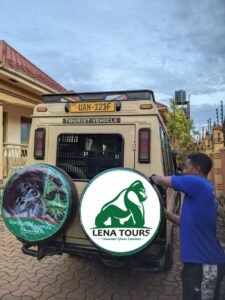
Planning a fishing safari requires more than selecting a beautiful lake. Travellers must consider suitable fishing locations, transport arrangements, permits, experienced guides, safe boats, accommodation, and opportunities to explore surrounding attractions.
Lena Tours helps visitors bring these elements together through personalised safari planning. Whether you want a short fishing adventure on Lake Victoria or a longer holiday combining sport fishing with wildlife viewing and gorilla trekking, our itineraries can be tailored to your interests.
We understand that every traveller has different expectations. Some guests prioritise giant Nile perch, while others prefer photography, cultural experiences, peaceful lakeside surroundings, and a wider exploration of Uganda.
Our goal is to create organised, enjoyable safaris that allow visitors to appreciate Uganda’s natural beauty while respecting local communities and conservation regulations.
Book Your Fishing Safari in Uganda with Lena Tours
Fishing safaris in Uganda offer an exceptional combination of freshwater adventure, scenic beauty, wildlife encounters, and cultural discovery. From Lake Victoria’s expansive waters to the dramatic River Nile, the country provides memorable opportunities for beginners and experienced anglers.
The wider lake systems of Albert, Kyoga, Edward, George, and southwestern Uganda also offer remarkable opportunities to explore local fisheries, lakeside communities, wetlands, and beautiful natural landscapes.
Whether you are searching for giant Nile perch, planning a family adventure, or hoping to combine fishing with a traditional African safari, Uganda deserves a place on your travel list.
Discover Uganda’s fishing lakes, explore the River Nile, and create unforgettable safari memories with Lena Tours.
Lena Tours and Travel Limited
Your Uganda safari and fishing adventure specialist.
Website: www.lenatours.africa
Destination: Uganda, East Africa
Private fishing safaris • Wildlife adventures • Gorilla trekking • Cultural tours • Tailor-made itineraries.