What Currency Is Used in Uganda? A Complete Money Guide for Travelers
If you are planning a safari, gorilla trekking adventure, business trip, or holiday in Uganda, one practical question will probably come to mind before you travel: what currency is used in Uganda? Understanding how money works in Uganda can make your journey much easier, especially when paying for meals, souvenirs, transport, accommodation, tips, activities, and everyday expenses.
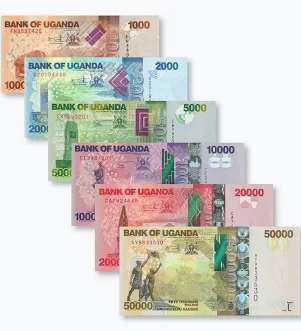
The official currency used in Uganda is the Uganda Shilling, commonly abbreviated as UGX. You may also see prices written as USh, Shs, or simply with the word “shillings.” The Uganda Shilling is the main currency used for everyday purchases throughout the country, from Kampala and Entebbe to safari destinations such as Bwindi Impenetrable National Park, Queen Elizabeth National Park, Murchison Falls National Park, Kidepo Valley National Park, Kibale National Park, and Lake Mburo National Park.
Although Uganda Shillings are the official local currency, foreign visitors will notice that United States dollars are also widely referenced within Uganda’s tourism industry. Many safari companies, upscale lodges, international hotels, and tourism activities may quote their rates in US dollars. However, travelers should still carry Uganda Shillings because local shops, restaurants, markets, fuel stations, roadside stops, community activities, and smaller businesses generally conduct transactions in local currency.
Therefore, understanding both Uganda Shillings and foreign currency use before arriving can help you manage your travel budget more efficiently. This guide from Lena Tours explains everything visitors need to know about currency in Uganda, including cash, US dollars, exchange bureaus, ATMs, bank cards, mobile money, tipping, safari payments, exchange rates, and useful money tips.
What Is the Official Currency of Uganda?
The official currency of Uganda is the Uganda Shilling (UGX).
The Uganda Shilling is issued under Uganda’s monetary system, while the Bank of Uganda serves as the country’s central bank. Uganda’s banking law provides for banknotes and coins denominated in shillings, and notes issued by the Bank are legal tender at their face value.
For travelers, this means Uganda Shillings are the most practical currency for normal daily spending once you arrive in the country.
You may encounter prices written in several ways. For example, a restaurant meal could appear as UGX 40,000, USh 40,000, or Shs 40,000. These expressions normally refer to the same Uganda Shilling currency.
Visitors should not be alarmed by the apparently large numbers. Uganda’s currency is simply denominated differently from currencies such as the US dollar, British pound, or euro. Therefore, seeing prices such as UGX 50,000 or UGX 100,000 is completely normal.
Once you spend a day or two in Uganda, calculating common local prices usually becomes much easier.
Uganda Currency Code
The international currency code for the Ugandan shilling is:
UGX
You will commonly see UGX on bank statements, foreign-exchange boards, travel websites, invoices, card transactions, ATMs, online booking platforms, and currency-conversion services.
Meanwhile, within Uganda, people often refer to the currency simply as shillings.
For example, someone may tell you:
“Lunch costs 30,000 shillings.”
They normally mean UGX 30,000.
When organizing your safari with Lena Tours, knowing these different ways of writing Uganda’s currency can make quotations and everyday spending easier to understand.
Who Issues Uganda’s Currency?
Uganda’s monetary system is overseen by the Bank of Uganda, the country’s central bank.
The Bank of Uganda also publishes official foreign-exchange information and daily indicative exchange rates for major international currencies. Because exchange rates change continuously according to market conditions, visitors should check a current rate shortly before exchanging money rather than relying on an old figure from a travel article.
This point is particularly important when budgeting for a safari months in advance. The amount of Uganda Shillings received for $100, €100, or £100 today may differ from the amount received during your actual travel dates.
Consequently, Lena Tours recommends treating online exchange-rate calculations as planning estimates rather than guaranteed cash-exchange amounts.
What Money Does Uganda Use?
Uganda primarily uses Uganda Shillings for domestic purchases.
Local restaurants, supermarkets, pharmacies, markets, craft shops, transport providers, cafés, bars, small hotels, fuel stations, grocery stores, and most service providers display or calculate their prices in Uganda Shillings.
However, tourism works slightly differently.
Safari quotations and some tourism services are frequently priced in US dollars. As a result, travelers may find themselves using both UGX and USD during the same trip.
For example, your Lena Tours safari package may include major services such as transport, accommodation, park arrangements, guides, and selected activities. Meanwhile, you might personally use Uganda Shillings for drinks, snacks, shopping, laundry, souvenirs, tips, meals outside your itinerary, or other small purchases.
Therefore, carrying access to both forms of currency can be convenient.
Are US Dollars Accepted in Uganda?
Yes. US dollars are accepted for some transactions in Uganda, particularly within the tourism sector.
However, USD should not be considered a complete substitute for Uganda Shillings.
Large hotels, certain lodges, tour companies, and some tourism establishments may accept or quote US dollars. Uganda Wildlife Authority documentation also shows that its payment systems can handle both US-dollar and Uganda-Shilling transactions at relevant payment centers.
Nevertheless, once you move into everyday local settings, Uganda Shillings become much more useful.
A roadside fruit seller, local café, village craft shop, small restaurant, local transport operator, or neighborhood shop may expect payment in Uganda Shillings.
Therefore, travelers should avoid relying entirely on US dollars.
A combination of prearranged safari payments, access to a bank card, and a reasonable amount of Uganda Shilling cash normally provides greater flexibility.

Should I Bring US Dollars to Uganda?
Many international travelers choose to carry some US dollars when visiting Uganda, particularly if they are traveling for safari or gorilla trekking.
This can be useful because certain tourism services may be quoted in USD. Moreover, dollars are widely recognized by banks and foreign-exchange bureaus.
However, visitors should bring clean, undamaged notes in good condition.
Foreign-exchange outlets may inspect notes carefully. Torn, heavily marked, damaged, or excessively worn foreign notes can sometimes create difficulties during exchange.
Furthermore, acceptance practices concerning different series or ages of foreign banknotes can change between establishments. Therefore, bringing relatively recent notes in excellent condition is generally the safest approach.
Still, do not travel with excessive cash. Carry only an appropriate amount for your journey and use secure storage whenever possible.
Can I Use Euros in Uganda?
Euros can generally be exchanged in Uganda, particularly at banks and established foreign-exchange bureaus in major towns and cities.
However, euros are not commonly used for ordinary purchases.
A traveler arriving from Germany, France, Italy, Spain, the Netherlands, Belgium, Austria, Portugal, Ireland, or another eurozone country can bring euros and exchange them into Ugandan shillings after arrival.
Nevertheless, US dollars may appear more frequently in safari pricing.
Therefore, European travelers should not assume that they need to convert all their euros into US dollars before traveling. Depending on their travel arrangements, they may simply exchange some euros directly into Ugandan shillings.
The best approach will depend on bank fees, conversion charges, exchange rates, and how the safari has been priced.
Can I Use British Pounds in Uganda?
British pounds can also be exchanged at many established foreign-exchange bureaus and banks.
Travelers arriving from the United Kingdom can therefore bring pounds sterling and convert part of their money into Uganda Shillings.
Again, however, British pounds are not normally used for everyday purchases.
You should expect to pay most local expenses in UGX.
Before traveling, compare the cost of exchanging pounds directly into Uganda Shillings with any alternative involving US dollars. Converting from GBP to USD and then USD to UGX can sometimes introduce an additional conversion cost.
As a result, direct exchange may be more convenient in some situations.
Where Can You Exchange Money in Uganda?
Foreign currency can be exchanged at banks and licensed foreign-exchange bureaus.
Kampala and Entebbe provide numerous options, making them convenient places for international travelers to obtain Ugandan shillings before traveling deeper into the country.
Other larger towns also have banking and exchange facilities. Nevertheless, choices may become more limited once you travel into remote safari areas.
For that reason, it is sensible to obtain enough local currency before leaving major urban centers.
If your itinerary takes you from Entebbe to Bwindi Impenetrable National Park, for example, exchanging money before reaching the forest gives you greater flexibility for small purchases along the route.
Similarly, visitors traveling toward Kidepo Valley National Park should not expect the same number of banking facilities that they would find in Kampala.
Planning reduces unnecessary inconvenience.
Currency Exchange at Entebbe
Entebbe is the main arrival area for many international visitors flying into Uganda.
Therefore, many travelers obtain their first Uganda Shillings around Entebbe or Kampala.
You do not necessarily need to exchange your entire travel budget immediately.
Instead, change enough money for your first few days and compare available rates before making larger transactions.
Exchange rates can vary between banks and bureaus. Additionally, airport convenience may sometimes come with a different rate than those available elsewhere.
Consequently, travelers who are not in a hurry can compare options.
If Lena Tours is collecting you at the airport, our team can also help you understand where local currency may be useful during your particular itinerary.
Should I Exchange Money Before Traveling to Uganda?
In most cases, travelers do not need to obtain large quantities of Ugandan shillings before arriving.
UGX is not as widely available internationally as major global currencies such as USD, EUR, or GBP.
Therefore, exchanging your money after arriving in Uganda may be more practical.
You can bring an internationally recognized foreign currency and exchange part of it locally.
At the same time, having an international bank card provides additional flexibility.
The most important rule is diversification. Do not depend on only one payment method.
A good travel setup might include:
- Some foreign currency in cash.
- Uganda Shillings for everyday purchases.
- At least one international debit or credit card.
- A backup card stored separately.
- Emergency funds kept securely.
This combination can help you manage unexpected situations more comfortably.
Can You Use Credit Cards in Uganda?
Yes, credit and debit cards are accepted at many establishments in Uganda, particularly in Kampala, Entebbe, larger towns, major hotels, upscale restaurants, lodges, supermarkets, and tourism businesses.
Visa is commonly accepted, while acceptance of other networks can depend on the establishment.
Uganda Wildlife Authority documentation, for example, states that card-payment facilities are available at its payment centers and that Visa-enabled cards can be accepted on the relevant point-of-sale systems.
Nevertheless, card acceptance should never be assumed everywhere.
Uganda contains many remote safari destinations where network connectivity may be less reliable than in Kampala or Entebbe.
A lodge may technically accept cards while temporarily experiencing internet or payment-terminal problems.
Therefore, having some cash remains important.
Can I Use Visa in Uganda?
Visa cards are widely useful for travelers visiting Uganda.
They can commonly be used at ATMs, hotels, larger restaurants, supermarkets, selected lodges, and tourism businesses.
However, acceptance varies from establishment to establishment.
Before relying on your card for a major payment, confirm that the business accepts your specific card network.
Additionally, inform your bank that you will be traveling to Uganda if your bank recommends travel notifications. Some financial institutions use automated fraud-detection systems that may temporarily block unexpected overseas transactions.
You should also check your international transaction fees before departure.
A card may be convenient, but repeated foreign transaction charges and ATM withdrawal fees can gradually increase your travel costs.
Can I Use Mastercard in Uganda?
Mastercard can also be used at many Ugandan businesses and ATMs.
Nevertheless, acceptance can differ between financial institutions and merchants.
If you have more than one card, bringing cards from different networks can provide useful backup.
For example, you might carry one Visa card and one Mastercard.
Store them separately rather than keeping every payment method in the same wallet.
If your wallet is misplaced, you will still have another way to access money.
This simple preparation can make international travel significantly easier.
Are There ATMs in Uganda?
Yes. Uganda has ATMs throughout major towns and cities.
Kampala and Entebbe have many ATM locations, while regional cities and larger towns also provide banking services.
International visitors can often withdraw Ugandan shillings using compatible foreign cards.
However, withdrawal limits vary according to both the Ugandan bank and your own bank.
Fees may also apply.
Your home bank may charge an international withdrawal fee, while the local ATM operator may impose another charge.
Therefore, frequent small withdrawals can become expensive.
Instead, travelers may find it more efficient to withdraw a reasonable amount less frequently while maintaining safe cash-handling habits.
ATMs on Safari
ATMs become less common as you move into remote destinations.
This matters when traveling to places such as Bwindi, Kidepo, or smaller rural communities.
Although towns near tourism destinations may have banking services, travelers should not structure their entire safari budget around finding an ATM every day.
Before leaving Kampala, Entebbe, Mbarara, Fort Portal, Kabale, Kisoro, or another major town along your route, check whether you have enough cash for personal expenses until you reach the next banking center.
Your Lena Tours guide can also advise you about likely banking opportunities along your route.
Should I Carry Cash in Uganda?
Yes. Carrying some cash in Uganda is useful.
Although electronic payments continue to grow, cash remains important for many daily transactions.
You may need cash for:
- Small restaurants
- Local markets
- Tips
- Crafts and souvenirs
- Village purchases
- Small shops
- Roadside snacks
- Drinks
- Local services
- Small entrance fees
- Personal purchases
However, travelers should avoid carrying all their holiday money at once.
Divide cash between secure locations and carry only what you expect to use during the day.
If your accommodation provides a secure safe, it may be useful for passports, backup cards, and excess cash.
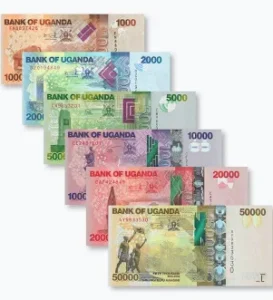
Uganda Shilling Notes and Coins
Uganda uses both banknotes and coins.
Travelers will quickly become familiar with the denominations commonly circulating during their trip.
Small denominations are particularly useful when buying inexpensive items or tipping.
Whenever you exchange a larger amount of money, request a mixture of denominations where possible.
Having only large notes can create unnecessary difficulties when purchasing low-cost items from small businesses.
For example, buying a small bottle of water with a very large note may require the seller to find change.
Therefore, keeping some smaller notes available makes everyday purchases much easier.
Is Uganda an Expensive Country?
The answer depends greatly on how you travel.
Everyday local expenses can be relatively affordable for international travelers. However, safari tourism involves specialized services that can significantly increase the overall cost of a Uganda holiday.
A safari price can include:
- Private transportation
- Professional guides
- Fuel
- Accommodation
- Meals
- National park entrance fees
- Wildlife activities
- Gorilla trekking arrangements
- Chimpanzee trekking
- Boat trips
- Domestic flights
- Community experiences
- Taxes
- Logistics
Therefore, a Uganda safari should not be judged purely by the cost of local food or transport.
Safari operations require extensive planning, vehicles, staff, reservations, park payments, permits, and long-distance travel.
When comparing safari quotations, examine what each package includes rather than comparing the final figures alone.
Uganda Currency for Gorilla Trekking
Travelers visiting Uganda specifically for gorilla trekking often wonder whether they need to carry cash for the permit itself.
In most organized safari arrangements, your tour company handles the permit reservation process before your arrival.
Consequently, travelers booking through Lena Tours normally do not need to arrive at Bwindi carrying a large amount of cash simply to organize their gorilla permit at the last minute.
Uganda Wildlife Authority manages gorilla trekking permits, and its payment procedures include formal payment channels rather than requiring visitors to depend solely on cash.
Booking in advance remains important because gorilla trekking permits are limited.
Once the major safari costs are arranged, your spending money mainly covers extras such as drinks, tips, souvenirs, optional experiences, and personal purchases.
Money in Bwindi
Bwindi Impenetrable National Park is one of Uganda’s most famous destinations.
However, visitors should remember that Bwindi is a forest tourism region rather than a large city.
Banking and ATM options are therefore more limited than those available in Kampala or Entebbe.
Bring enough Uganda Shillings for your expected personal expenses before entering the region.
Lodges may accept cards, especially at higher-end properties, but card payments can occasionally depend on network connectivity.
Therefore, cash provides a useful backup.
Furthermore, local craft purchases and community transactions are usually easier with Ugandan shillings.
Buying locally made products can also support people living around the national park.
Money in Queen Elizabeth National Park
Queen Elizabeth National Park receives many international visitors and sits close to several towns and tourism areas.
Visitors can use cash for personal expenses around the park, while many established lodges may offer card-payment facilities.
Nevertheless, Ugandan shillings remain extremely useful for roadside purchases, tips, local crafts, refreshments, and small expenses.
If your safari includes Kasese, Katwe, Ishasha, Kyambura, or surrounding communities, having local currency will make small transactions easier.
Because safaris often involve early departures and long wildlife drives, it is better to arrange your cash before beginning the day’s activities rather than searching for banking facilities during game-drive time.
Money in Murchison Falls
Murchison Falls National Park is another major destination where visitors should plan their cash needs before entering remote sections of the park.
The area offers excellent game drives, Nile boat cruises, wildlife viewing, birding, and scenic experiences.
Most essential safari services will normally be organized in advance if you are traveling with Lena Tours.
However, you may still want cash for personal expenses, tips, drinks, souvenirs, or optional purchases.
Therefore, withdrawing or exchanging money before leaving a major town is sensible.
Money in Kidepo Valley
Kidepo Valley National Park is remote, spectacular, and very different from Uganda’s more accessible safari parks.
Its remoteness is part of its appeal.
Nevertheless, that same remoteness means travelers should prepare carefully.
Do not arrive in Kidepo expecting the level of banking access available in Kampala.
Bring adequate Uganda Shillings for personal spending and keep a suitable backup payment method.
Your major safari expenses should ideally be settled or arranged before entering the region.
This approach allows you to enjoy the wilderness without worrying about finding an ATM.
Uganda Currency for Hotels
Hotels in Uganda normally quote prices either in Uganda Shillings or US dollars depending on their market and location.
Local hotels may work primarily in Uganda Shillings, while international or safari-oriented properties may display prices in USD.
Some properties accept cards, while others prefer bank transfers or cash.
Therefore, confirm payment arrangements when making independent bookings.
When accommodation forms part of a Lena Tours safari package, the agreed accommodation cost will generally be managed within the safari arrangement according to your confirmed itinerary.
This reduces the number of financial transactions you need to handle during your holiday.
Currency for Restaurants
Restaurants in Uganda generally price meals in Ugandan shillings.
Upscale restaurants in Kampala and Entebbe often accept cards, although cash remains useful.
Smaller restaurants and rural establishments may prefer cash.
When ordering food, remember that service charges are not handled identically by every restaurant. Check your bill before deciding whether to leave an additional tip.
Most importantly, keep small Uganda Shilling notes available for casual dining and refreshments during road journeys.
Currency for Local Markets
Uganda Shillings are the best currency for shopping in local markets.
Whether you are buying fruit, crafts, clothing, artwork, baskets, coffee, souvenirs, or other local products, using Uganda Shillings makes transactions straightforward.
Prices may sometimes be negotiable in craft markets, although bargaining should remain respectful.
A market visit can provide an enjoyable cultural experience, but avoid displaying large amounts of cash unnecessarily.
Count your money discreetly and keep your valuables secure, just as you would in any busy destination around the world.
Currency for Souvenirs
Uganda offers excellent locally made souvenirs.
Popular choices include:
- Woven baskets
- Handmade jewelry
- Wood carvings
- Paintings
- Coffee
- Tea
- Fabric products
- Clothing
- Decorative items
- Wildlife artwork
- Gorilla-themed crafts
- Cultural products
Most craft vendors will find Ugandan shillings convenient.
Tourist-oriented businesses may occasionally quote prices in dollars, but paying in local currency can simplify smaller purchases.
Always confirm the final price before paying.
Tipping in Uganda
Tipping is appreciated within Uganda’s tourism industry but should generally reflect your satisfaction with the service received.
Travelers often choose to tip safari guides, lodge staff, trackers, porters, drivers, restaurant staff, and other service providers.
Uganda Shillings are useful for tipping, although foreign currency may sometimes be accepted in tourism settings.
Local currency is often easier for the recipient to use immediately.
There is no need to carry only large denominations. Small and medium notes make tipping easier throughout your journey.
Before your safari begins, Lena Tours can explain typical tipping practices for the services included in your itinerary.
Tipping Gorilla Trekking Porters
Hiring a porter during gorilla trekking can be extremely helpful.
Porters can assist with backpacks and provide support on steep, slippery, or uneven forest trails.
Hiring them also contributes directly to local livelihoods around the gorilla trekking regions.
Payment and tips are generally easiest in cash.
Therefore, carrying Uganda Shillings on your trekking day is recommended.
Even physically fit travelers often find a porter worthwhile because trail conditions can change depending on rainfall, vegetation, terrain, and the location of the gorilla family.
Can You Pay With Mobile Money in Uganda?
Mobile money plays a major role in Uganda’s payment system.
Ugandans commonly use mobile money services for transfers, purchases, bills, and many everyday transactions.
Uganda Wildlife Authority documentation also lists MTN MoMo Pay and Airtel Money Pay among its payment options at relevant payment centers.
However, international visitors should not assume they will automatically have access to every local mobile-money feature.
Registration requirements, SIM-card setup, transaction limits, and provider rules can affect access.
Therefore, mobile money can be useful once properly set up, but most short-term visitors can comfortably travel using a combination of cash and international bank cards.
Is Apple Pay Accepted in Uganda?
Digital wallet acceptance continues to develop, particularly where modern card terminals are available.
However, travelers should not depend entirely on Apple Pay, Google Pay, or other phone-based payment systems during a Uganda safari.
Acceptance can vary considerably between businesses.
A physical card and some Ugandan shillings remain safer backups.
This becomes particularly important when traveling outside Kampala and Entebbe.
Safari destinations can have weaker mobile or internet coverage, which can temporarily affect electronic transactions.
Exchange Rates in Uganda
Exchange rates change regularly.
The value of the Uganda Shilling against the US dollar, euro, pound sterling, and other currencies responds to financial-market conditions.
The Bank of Uganda publishes indicative foreign-exchange rates and provides historical exchange-rate information.
Because of these fluctuations, travelers should avoid planning their entire safari around an exchange rate seen months before departure.
Instead, check current rates shortly before traveling.
Also remember that the official indicative rate may not exactly match the cash rate offered by every commercial bank or foreign-exchange bureau.
Businesses include their own buying and selling spreads.
Therefore, always confirm how many Uganda Shillings you will receive before handing over your foreign currency.
Why Exchange Rates Differ
Travelers sometimes become confused when Google, a banking app, a foreign-exchange bureau, and a hotel show slightly different currency conversions.
This is normal.
The rate shown online may represent a reference or market rate rather than the rate available for a physical cash transaction.
Banks and exchange bureaus normally display separate buying and selling rates.
Furthermore, cash notes, card transactions, ATM withdrawals, and international transfers may each involve different fees or conversion methods.
Consequently, focus on the total cost rather than searching only for the most attractive headline rate.
Should I Exchange Money at a Bank or Forex Bureau?
Both can be suitable when using legitimate providers.
Foreign-exchange bureaus are common in Kampala and other major towns, while commercial banks also exchange currency.
Compare rates and ask whether additional charges apply.
More importantly, use established businesses.
Avoid informal street exchanges simply because someone promises an unusually attractive rate.
Security and reliability matter more than gaining a tiny difference in conversion.
For larger exchanges, count your money carefully before leaving the counter and keep the cash secure.
Avoiding Currency Scams
Uganda welcomes large numbers of international travelers, and most visitors experience normal, straightforward financial transactions.
Nevertheless, basic travel precautions remain important.
Avoid exchanging money with unknown individuals on the street.
Use established foreign-exchange bureaus or banks.
Count cash before leaving the counter.
Do not allow strangers to operate an ATM on your behalf.
Protect your PIN when withdrawing money.
Keep your cards within sight when possible.
Review the amount displayed on a card machine before entering your PIN.
Additionally, do not carry unnecessary amounts of cash.
These habits are useful in Uganda as well as in almost every international destination.
Using ATMs Safely
Choose ATMs connected to established banks whenever possible.
Bank-branch ATMs can be preferable because assistance may be available if a card is retained or another problem occurs.
Avoid accepting help from unknown people standing around an ATM.
Cover the keypad while entering your PIN and collect your card before walking away.
After making a withdrawal, put the money away discreetly.
If an ATM behaves unusually, cancel the transaction and use another machine.
Travelers should also save their bank’s international contact details separately in case a card needs to be blocked.
Check Your Bank Fees
Before traveling to Uganda, contact your bank or review your card’s international fee structure.
Important questions include:
Does my bank charge foreign transaction fees?
What does it charge for international ATM withdrawals?
Does my card work in Uganda?
What is my daily withdrawal limit?
Will my bank require a travel notification?
How will currency conversion be calculated?
Can I temporarily lock my card through an app?
What telephone number should I call if my card is lost?
Answering these questions before departure can prevent unnecessary stress during your safari.
Carry a Backup Card
A backup card is one of the simplest financial precautions for international travel.
Do not keep both cards in the same place.
For example, keep your primary card in your wallet while storing the backup card securely in your luggage or hotel safe.
If one card is lost, damaged, blocked, or retained by an ATM, you still have another way to access money.
Ideally, travelers should also have more than one source of funds.
Cash, cards, and prearranged safari payments create a much stronger financial backup system than relying on one method alone.
Inform Your Bank About Travel
Some banks no longer require customers to submit travel notifications, while others may still recommend them.
Check your bank’s policy before traveling.
International transactions made suddenly in Uganda may trigger security controls if your bank considers the transaction unusual.
If your banking app includes travel or security settings, review them before your flight.
Also ensure that your bank has your correct telephone number and email address in case it needs to verify a transaction.
Keep Emergency Cash
Even travelers who prefer card payments should keep a modest amount of emergency cash.
Internet interruptions, electricity disruptions, card-terminal problems, lost cards, or bank security blocks can occasionally make electronic payment inconvenient.
Cash provides immediate flexibility.
However, emergency money should be stored securely and separately from your everyday wallet.
That way, losing one wallet does not leave you without funds.
How Much Cash Should I Carry?
There is no single amount that suits every traveler.
Your cash needs depend on:
- Length of trip
- Safari inclusions
- Accommodation level
- Shopping plans
- Tipping preferences
- Optional activities
- Meal arrangements
- Destinations visited
- Card access
If your Lena Tours safari includes accommodation, transportation, meals, park arrangements, and major activities, you may need relatively little cash for compulsory expenses.
Your spending money can therefore focus on personal extras.
Instead of carrying an excessive amount of cash, maintain access to additional funds through a secure card.
Money for an All-Inclusive Safari
If you book a comprehensive Uganda safari with Lena Tours, many of your major costs can be arranged before you arrive.
Depending on the itinerary, your package may include services such as:
- Airport transfers
- Safari vehicle
- Professional driver-guide
- Fuel
- Accommodation
- Specified meals
- Park entrance arrangements
- Game drives
- Boat cruises
- Gorilla trekking arrangements
- Chimpanzee activities
- Selected cultural experiences
Always read the inclusions and exclusions in your quotation.
Once you know what has already been paid for, calculating personal spending money becomes much easier.
What Expenses Are Usually Personal?
Safari packages differ, but travelers often need their own money for certain personal expenses.
These may include:
- Alcoholic drinks
- Some soft drinks
- Souvenirs
- Tips
- Laundry
- Personal shopping
- Optional activities
- Snacks
- Telephone expenses
- Travel insurance
- Visa-related expenses
- Extra accommodation outside the booked itinerary
- Personal medical costs
- Changes requested during the trip
Your Lena Tours quotation should explain the specific services included in your safari.
Therefore, review it carefully before traveling.
Budgeting in Uganda Shillings
It can take a little time for international visitors to become comfortable with Uganda’s currency because purchases often involve thousands of shillings.
A useful technique is to learn the approximate value of a few common UGX amounts in your home currency.
However, do not become obsessed with converting every purchase.
Exchange rates change, and constant calculations can distract from the travel experience.
Instead, establish a simple mental reference point when you arrive and use it for everyday budgeting.
Your phone’s calculator can help when making larger purchases.
Do You Need Small Notes?
Yes.
Small notes can be extremely helpful during a Uganda safari.
You may need them for tips, drinks, roadside stops, markets, and small purchases.
Whenever possible, break larger notes at established businesses such as supermarkets, restaurants, or hotels.
Do not wait until you reach a remote village before trying to obtain change.
Having several denominations gives you much greater flexibility.
Can You Pay for Fuel With a Card?
Payment methods vary between fuel stations.
Major stations in cities and large towns may offer electronic payment options. Nevertheless, travelers should not assume every station accepts every foreign card.
This is generally less important for guests traveling on an organized Lena Tours safari because fuel for the safari vehicle forms part of the agreed transport arrangements where specified.
Your driver-guide handles vehicle logistics while you focus on the experience.
Independent travelers, however, should keep enough Uganda Shillings available for fuel, particularly when traveling outside major cities.
Paying for Public Transport
Local transport generally operates primarily in Uganda Shillings.
Taxis, motorcycle taxis, minibuses, and other forms of local transportation may require local currency depending on the provider.
International visitors traveling with Lena Tours will normally have private safari transportation included according to their itinerary.
Nevertheless, travelers spending extra days independently in Kampala or Entebbe may use other transportation services.
Always agree on the price or understand the fare system before starting a journey.
Money During Road Trips
Uganda safaris involve road journeys through changing landscapes, towns, farms, villages, forests, wetlands, and national parks.
Along the way, you may want to buy coffee, fruit, bottled water, snacks, souvenirs, or other personal items.
Uganda Shillings are ideal for these purchases.
Keeping a modest amount of cash within easy reach prevents you from having to open luggage whenever you stop.
However, never leave visible cash, passports, cameras, or electronics unattended inside a vehicle.
Money for Community Experiences
Community tourism allows travelers to engage with local people and learn about traditions, livelihoods, crafts, farming, food, music, and culture.
Local currency is particularly useful during these visits.
You may decide to purchase handmade crafts or locally produced items directly from community members.
Using Uganda Shillings allows straightforward transactions and means the seller does not have to exchange foreign currency later.
Therefore, carrying local currency can enhance both convenience and responsible tourism.
Money for Coffee and Tea Purchases
Uganda produces excellent coffee and tea, and many travelers enjoy taking some home.
Coffee can be purchased from supermarkets, cafés, lodges, specialty shops, farms, and community projects.
Most local retail prices are displayed in Ugandan shillings.
Cards may be accepted in larger outlets, but cash works well in smaller locations.
Before buying food products for your flight home, remember to check the customs rules of your destination country.
Can Foreign Currency Be Used Everywhere?
No.
This is one of the most important things for first-time visitors to understand.
Just because some tourism businesses accept US dollars does not mean every business will accept them.
Uganda’s official everyday currency is the Ugandan shilling.
Therefore, attempting to pay for every local purchase with dollars can create inconvenience for both you and the seller.
Use local currency for normal daily transactions and reserve foreign currency for situations where it is specifically accepted or requested.
Should You Pay in USD or UGX?
The answer depends on how the price has been quoted.
If a service is officially priced in USD, paying in dollars may avoid an unnecessary conversion.
If a service is priced in Uganda Shillings, paying in UGX is usually straightforward.
When a merchant offers to convert between currencies, ask what exchange rate will be used before agreeing.
Do not assume the conversion will match the rate displayed on your phone.
Again, exchange rates offered by businesses can differ from official or interbank reference rates.
Do Not Depend on One Currency
Experienced travelers normally maintain several payment options.
For a Uganda safari, a sensible combination can include:
Uganda Shillings for daily local spending.
US dollars or another major foreign currency as appropriate for your travel arrangements.
An international bank card for ATMs and larger establishments.
A backup card for emergencies.
This approach gives you far greater flexibility than depending entirely on cash or cards.
Paying Lena Tours
When booking your Uganda safari with Lena Tours, follow the payment instructions provided with your official booking communication or invoice.
Do not send money to unknown individuals or banking details received through suspicious communications.
If you ever receive unexpected payment instructions, contact Lena Tours through the contact details you already know before sending money.
This simple verification protects both travelers and tourism businesses from online fraud.
Currency and Safari Planning
Currency may appear to be a small detail when compared with choosing between gorilla trekking, chimpanzee tracking, game drives, boat safaris, mountain hiking, cultural tours, or birding.
Nevertheless, good financial preparation contributes greatly to a comfortable journey.
Knowing where your major costs are going, what has already been included, and how much personal money you may need reduces stress once your trip begins.
Therefore, ask for a detailed safari quotation.
At Lena Tours, a clearly structured itinerary can help guests understand what has been included and which personal expenses remain outside the package.
Uganda Money for First-Time Visitors
First-time visitors can keep currency planning surprisingly simple.
Arrive with access to a major international currency and a reliable bank card.
Exchange or withdraw Ugandan shillings after arrival.
Keep some smaller notes.
Use secure ATMs and established forex bureaus.
Carry a backup card.
Avoid carrying your entire travel budget in cash.
Check current exchange rates before making large exchanges.
Finally, organize major safari costs before traveling whenever possible.
Following these steps will cover most situations encountered during a typical Uganda holiday.
Currency Tips for Gorilla Trekkers
Gorilla trekking visitors should pay particular attention to cash planning because Bwindi and Mgahinga are mountainous destinations located away from Uganda’s largest cities.
Before leaving a major town, make sure you have enough cash for:
- Porter services
- Tips
- Souvenirs
- Drinks
- Small personal purchases
- Community experiences
- Emergency expenses
Your gorilla permit and major safari services should normally have been arranged before the trekking date when traveling with an organized safari company.
This allows you to concentrate on the extraordinary experience of meeting mountain gorillas rather than worrying about payments.
Currency Tips for Safari Travelers
Safari travelers should also prepare before entering national parks.
You may spend several days away from major commercial centers.
Therefore, organize personal cash before reaching the park.
Keep some smaller notes for tips.
Maintain a backup card.
Store excess cash securely.
Check what your safari package already includes.
Most importantly, avoid carrying excessive amounts of cash simply because you are traveling remotely.
A well-planned combination of prepayments, cash, and card access works better.
Currency Tips for Luxury Travelers
Luxury lodges generally offer more payment options than smaller establishments.
Cards and international transfers may be available, while rates are often quoted in US dollars.
Nevertheless, even luxury travelers should keep Ugandan shillings.
Your safari may include community walks, local markets, roadside stops, village visits, staff tips, and souvenir shopping where local currency is more practical.
A luxury itinerary does not remove the need for local cash entirely.
Instead, it simply reduces the amount you may need for major travel expenses.
Currency Tips for Budget Travelers
Budget travelers will probably use Ugandan shillings more frequently.
Local restaurants, guesthouses, transport, markets, and shops normally operate in local currency.
Therefore, understanding UGX prices becomes especially important.
Budget travelers should pay attention to ATM charges because repeated withdrawals can increase costs.
Planning withdrawals carefully, keeping cash securely, and using local currency for daily expenses can make budgeting easier.
Currency Tips for Families
Families traveling in Uganda can reduce money-related stress by organizing major services beforehand.
Parents may prefer to keep one everyday spending wallet while storing backup funds separately.
If two adults are traveling together, each person can carry a different bank card.
That way, losing one wallet does not disrupt the entire family’s access to money.
Having smaller Uganda Shilling notes is also useful for snacks, drinks, souvenirs, and children’s purchases during road journeys.
Currency Tips for Solo Travelers
Solo travelers should take extra care with payment backups because there may be nobody else in the group with another bank card.
Carry at least two payment methods and store them separately.
Keep a digital or secure record of your bank’s emergency contact details.
Avoid carrying excessive cash.
Furthermore, use established banks, hotels, and foreign-exchange bureaus when handling larger transactions.
These precautions require little effort but can make a major difference if something unexpected occurs.
Currency for Travelers From the United States
Visitors traveling from the United States have the advantage of bringing a foreign currency that is widely recognized within Uganda’s tourism industry.
Nevertheless, you will still need Ugandan shillings for many everyday purchases.
Bring USD notes in excellent condition and exchange only the amount you expect to need.
Additionally, check whether your American debit or credit card charges international transaction fees.
Some cards provide more favorable overseas terms than others.
Currency for Travelers From Europe
European visitors can bring euros and exchange them through established foreign-exchange providers.
You do not necessarily need to convert every euro into US dollars before reaching Uganda.
Compare conversion costs before traveling.
Once in Uganda, withdraw or exchange enough Ugandan shillings for local expenses.
Keep a card for backup and larger payments.
If your safari quotation is denominated in USD, follow the payment method agreed with your tour operator.
Currency for Travelers From the United Kingdom
Visitors from the United Kingdom can exchange pound sterling at suitable banks and forex bureaus.
Again, however, Uganda Shillings remain essential for daily purchases.
Before departure, check the overseas withdrawal and foreign-transaction charges associated with your British bank cards.
Travel-oriented cards may offer different fee structures.
Nevertheless, always carry an alternative payment method in case one card fails.
Currency for Travelers From Australia and Canada
Australian and Canadian visitors should verify the availability and exchange value of their home currencies before relying entirely on cash conversion.
Depending on current market conditions and available exchange services, some travelers may choose to carry a widely exchanged currency alongside their card.
However, avoid unnecessary double currency conversions whenever possible because each exchange can introduce additional costs.
Your international card remains valuable for accessing Ugandan shillings through compatible ATMs.
Do You Need Travelers’ Cheques?
Travelers’ cheques have become far less practical than they once were.
Modern travelers generally rely on cards, ATMs, bank transfers, mobile payment systems, and cash instead.
Therefore, travelers’ cheques should not be your primary financial plan for Uganda.
A combination of Uganda Shillings, an international bank card, and emergency foreign currency is usually far more practical.
Do You Need a Money Belt?
Whether you use a money belt is a personal preference.
However, keeping important items separated remains good travel practice.
Your passport, emergency money, backup card, and everyday cash do not all need to stay together.
On safari, you may also have access to secure storage at your lodge.
Use common sense and avoid displaying large bundles of cash publicly.
Uganda is a welcoming tourism destination, but ordinary travel-security habits remain sensible.
Keep Receipts for Major Transactions
For significant payments, retain receipts, bank-transfer confirmations, ATM slips where useful, and safari invoices.
Digital copies are particularly helpful.
Store important booking records in your email or secure cloud storage so that you can access them if paper copies are misplaced.
When exchanging substantial amounts of foreign currency, keeping a transaction receipt may also be useful for your personal financial records.
Currency During Domestic Flights
Travelers flying between Entebbe and safari destinations should still carry some Ugandan shillings.
Although major flight expenses will normally be booked beforehand, local currency can be useful for refreshments, tips, transfers, or purchases before and after the flight.
Remote airstrips do not function like large international airport shopping terminals.
Therefore, complete major financial arrangements before departure.
Currency at Entebbe International Airport
International visitors usually enter and leave Uganda through Entebbe.
Before flying home, avoid keeping excessive Uganda Shillings unless you expect to return soon.
You can use remaining local cash for meals, souvenirs, tips, or final purchases.
However, plan sensibly rather than attempting to spend every last shilling.
If you have a meaningful amount remaining, established currency-exchange facilities may provide options depending on availability and applicable conditions.
Can You Take Uganda Shillings Home?
Travelers sometimes keep a few Uganda Shilling notes as souvenirs.
However, anyone planning to move substantial amounts of currency across borders should always check current customs, foreign-exchange, and declaration rules rather than relying on old online information.
Regulations can change.
For normal tourists, careful budgeting usually prevents significant amounts of unused local currency from remaining at the end of the trip.
Is Cash Better Than Card in Uganda?
Neither method is universally better.
Cash works extremely well for everyday purchases, remote destinations, tipping, and small businesses.
Cards are useful at ATMs, hotels, major shops, restaurants, and many tourism establishments.
Therefore, the strongest approach is to use both.
Think of cash and cards as complementary rather than competing payment systems.
Your card gives you access to funds while Ugandan shillings give you flexibility when electronic payments are unavailable.
Common Currency Mistakes to Avoid
Travelers can prevent most money problems with simple planning.
Do not bring only one bank card.
Avoid depending entirely on electronic payments.
Do not exchange your entire holiday budget at once
Know that some places do not accept cash
Do not forget to check your bank’s international fees.
Finally, do not rely on an old exchange rate when creating your travel budget.
Why Uganda Shillings Are Important for Responsible Travel
Using Uganda Shillings is not simply a matter of convenience.
It can also make transactions easier for local businesses.
A small community craft seller may prefer local currency because it can immediately be used for food, transport, school expenses, supplies, and other household needs.
If you pay with foreign currency, that person may have to travel elsewhere to exchange it.
Therefore, using local currency for small community purchases can simplify transactions for everyone.
Supporting Local Communities
Tourism creates opportunities for communities near Uganda’s national parks and tourism attractions.
Visitors may purchase crafts, employ porters, join village walks, visit coffee projects, attend cultural performances, or buy locally produced goods.
Having Ugandan shillings available allows travelers to participate conveniently in these activities.
Responsible spending can contribute directly to local livelihoods.
Consequently, your travel budget can become part of the positive impact created by tourism.
Money and Gorilla Conservation Tourism
Uganda’s mountain gorilla tourism industry depends on a structured system involving permits, park management, guides, trackers, tourism companies, accommodation providers, transport operators, porters, and surrounding communities.
Uganda Wildlife Authority uses formal payment systems for its tourism products, including card, bank transfer, and mobile money channels in relevant circumstances.
For international visitors, booking through an established operator simplifies these arrangements.
Instead of managing every payment independently, travelers can confirm key safari services before arrival.
Current Uganda Exchange Rates
Travelers regularly search for questions such as:
How much
is $1 in Uganda Shillings?
How much
is $100 in Uganda?
How much
is £100 in Uganda Shillings?
How much
is €100 in Ugandan shillings?
There is no permanent answer because foreign-exchange rates move over time.
The Bank of Uganda publishes daily indicative exchange-rate information covering major international currencies.
Therefore, check the latest rate when you are actually preparing to exchange money.
A fixed exchange-rate figure placed in a travel article may become outdated quickly.
Why the Uganda Shilling Changes in Value
Currencies respond to many economic factors.
The Uganda Shilling can strengthen or weaken against currencies such as the US dollar over time.
Bank of Uganda monetary-policy reporting discusses exchange-rate movements as part of Uganda’s broader economic conditions.
For tourists, however, there is usually no need to follow complex currency-market developments.
Instead, simply check the current exchange rate shortly before your journey and maintain some flexibility in your spending budget.
Planning Your Uganda Safari Budget
Before booking a Uganda safari, divide your expected costs into two categories.
First, calculate major prepaid expenses.
These may include flights, safari package, accommodation, gorilla permits, park activities, transfers, and travel insurance.
Second, estimate personal spending.
This may include:
- Tips
- Souvenirs
- Drinks
- Optional activities
- Personal meals
- Laundry
- Shopping
- Extra accommodation
- Emergency money
Once these categories are separated, determining how much cash to carry becomes much easier.
Lena Tours Uganda Safaris
At Lena Tours, we help travelers experience Uganda through carefully planned journeys across the country’s national parks, wildlife areas, forests, lakes, communities, and cultural destinations.
A Uganda itinerary may include gorilla trekking in Bwindi, chimpanzee tracking in Kibale, tree-climbing lions in Queen Elizabeth National Park, wildlife safaris in Murchison Falls, wilderness adventures in Kidepo Valley, rhino tracking, boat cruises, birdwatching, cultural encounters, and scenic road trips.
Understanding local currency is a small but important part of preparing for these experiences.
When key arrangements are organized in advance, guests can spend less time worrying about payments and more time enjoying Uganda.
Frequently Asked Questions About Currency in Uganda
What currency is used in Uganda?
The official currency of Uganda is the Uganda Shilling, with the international currency code UGX.
What is Uganda money called?
Uganda’s money is called the Uganda Shilling.
What is the symbol for Uganda Shillings?
You may see Uganda’s currency written as UGX, USh, or Shs.
Are US dollars accepted in Uganda?
US dollars are accepted by many tourism-oriented businesses, but they are not the normal currency for every local purchase. Carry Uganda Shillings as well.
Can I use euros in Uganda?
Euros can generally be exchanged at established banks and forex bureaus, especially in major towns and cities. Local purchases are normally made in Uganda Shillings.
Can I use British pounds in Uganda?
Pounds sterling can be exchanged at suitable banks and forex bureaus. However, everyday purchases normally require Uganda Shillings.
Are credit cards accepted in Uganda?
Cards are accepted by many hotels, restaurants, supermarkets, tourism businesses, and other established companies. Nevertheless, cash remains important, particularly outside major urban areas.
Are there ATMs in Uganda?
Yes. ATMs are widely available in Kampala, Entebbe, and major towns. Availability becomes more limited in remote safari regions.
Should I carry cash on safari?
Yes. Carry a reasonable amount of Uganda Shillings for personal expenses, tips, souvenirs, drinks, and small purchases.
Can I withdraw Uganda Shillings from an ATM?
International visitors can commonly withdraw Uganda Shillings from compatible ATMs using eligible foreign bank cards.
Is mobile money used in Uganda?
Yes. Mobile money is widely used throughout Uganda. However, short-term international visitors may find cards and cash simpler unless they have appropriately registered local mobile services.
What currency should I bring to Uganda?
Many travelers bring US dollars, euros, or British pounds and exchange some into Ugandan shillings. The most suitable option depends on your home country, bank charges, and safari payment arrangements.
Should I bring USD or UGX for gorilla trekking?
Major gorilla trekking arrangements are normally made before the trek when traveling through a tour operator. However, Uganda Shillings are useful for porters, tips, crafts, drinks, and other personal expenses.
Where can I exchange money in Uganda?
Use established banks and licensed foreign-exchange bureaus. Kampala and Entebbe generally provide the widest range of options.
Can I use dollars in local markets?
Some sellers may accept dollars, but Uganda Shillings are much more practical for local markets.
Can I pay for my safari in Uganda Shillings?
Payment arrangements depend on your tour operator and quotation. Follow the currency and payment instructions shown on your official Lena Tours booking documents.
What is the best currency to use in Uganda?
For everyday purchases, the Uganda Shilling is the most practical currency. For tourism bookings, US dollars may also be relevant depending on how services are priced.
Final Thoughts
So, what currency is used in Uganda?
The answer is straightforward: Uganda uses the Uganda Shilling (UGX).
For international visitors, however, understanding Uganda’s money system involves slightly more than knowing the currency name.
Uganda Shillings are ideal for everyday spending, including food, small purchases, markets, souvenirs, tips, and community experiences. Meanwhile, US dollars are frequently used or referenced within the safari and tourism sector. Euros, British pounds, and other major currencies can be exchanged through suitable financial institutions, while bank cards provide additional convenience in cities and many established tourism properties.
Nevertheless, the best strategy is not to rely exclusively on one payment method.
Carry some Ugandan shillings, keep access to a reliable international card, store a backup payment method separately, and arrange major safari expenses before traveling whenever possible.
Most importantly, remember that foreign-exchange rates constantly change. Check the latest rate close to your travel date rather than relying on an old conversion figure.
With good preparation, managing money during a Uganda safari is simple.
Whether you are coming to trek mountain gorillas in Bwindi, search for lions in Queen Elizabeth National Park, cruise the Nile at Murchison Falls, track chimpanzees in Kibale Forest, explore the wilderness of Kidepo Valley, or discover Uganda’s cultures and landscapes, Lena Tours can help you plan a smooth and memorable journey.
Plan your Uganda safari with Lena Tours and discover why Uganda remains one of Africa’s most rewarding wildlife and adventure destinations.
Email: info@lenatours.africa
Website: www.lenatours.africa
Plan Your Safari with Lena Tours
Complete the enquiry form below and our safari specialists will prepare a personalised itinerary and quotation for your journey.