When Is the Best Time to Visit Uganda? A Complete Month-by-Month Uganda Travel Guide
Uganda is one of Africa’s most rewarding destinations because travelers can visit the country throughout the year. Mountain gorillas live permanently in the forests of Bwindi Impenetrable National Park and Mgahinga Gorilla National Park; wildlife remains present in Uganda’s savannah parks in every season, chimpanzees can be tracked through tropical forests, and hundreds of bird species can be seen across the country. However, weather conditions change during the year, so some months may suit particular activities better than others. Travelers planning gorilla trekking, wildlife safaris, birdwatching, mountain climbing, cultural experiences, photography, honeymoon trips, family holidays, or adventure tours should therefore understand Uganda’s seasonal patterns before choosing their travel dates.
For many visitors, the easiest answer to the question “When is the best time to visit Uganda?” is during the drier months from June to August and December to February. These periods normally provide easier road conditions, more manageable forest trails, excellent wildlife viewing opportunities, and comfortable conditions for outdoor activities. Uganda Wildlife Authority also identifies the dry seasons, particularly June to August and December to February, as favorable periods for primate tracking and wildlife viewing in the savannah reserves.
Nevertheless, calling one season the absolute best can be misleading. Different travelers want different experiences. Someone interested mainly in photographing green scenery may actually prefer the rainy months. Birdwatchers can find exceptional opportunities outside the main dry season, while photographers often appreciate dramatic clouds and vibrant landscapes after rainfall. Chimpanzee tracking can also remain excellent during wetter periods, and Uganda Wildlife Authority notes that chimpanzees may sometimes be easier to locate when forest food is abundant during wetter conditions.
Uganda’s location near the Equator creates relatively moderate temperatures across much of the country. Rather than experiencing four seasons such as spring, summer, autumn, and winter, Uganda generally experiences alternating wet and dry periods. Elevation also influences local temperatures considerably. Kampala and Entebbe have pleasant conditions for much of the year; mountain regions can become cold at night, Bwindi’s highland forests remain cool and moist, while northern parks such as Kidepo Valley can become significantly hotter.
Choosing the right travel period therefore depends on your interests, budget, destinations, tolerance for rain, photography goals, preferred level of visitor activity, and type of safari. This detailed Lena Tours guide explains Uganda’s seasons, every month of the year, gorilla trekking conditions, wildlife viewing, birdwatching, chimpanzee tracking, hiking, photography, accommodation considerations, and the advantages of traveling during both dry and rainy months.
Understanding Uganda’s Climate Before Planning Your Safari
Uganda lies across the Equator, yet much of the country enjoys relatively comfortable weather because large areas sit at moderate or high elevations. Travelers arriving from regions with extreme summer or winter conditions are often surprised by Uganda’s generally pleasant climate. Daytime temperatures in many popular safari destinations remain warm, while evenings can become cool, particularly around forests, mountains, crater lakes, and highland areas.
Two broad dry periods influence much of the traditional safari circuit. One normally occurs from around December through February, while another generally extends from June through August or September, depending on the region and annual rainfall patterns. Wet conditions are commonly stronger from March to May, followed by another wetter period later in the year.
Local variations remain important. Uganda contains tropical forests, open savannahs, mountain ranges, wetlands, lakes, river valleys, volcanic landscapes, and semi-arid regions. Rain may therefore fall heavily in one destination while another part of the country remains relatively dry.
Murchison Falls National Park, for example, experiences distinct dry and wet periods. Uganda Wildlife Authority documentation describes March to May and roughly October to November as wetter periods there, while December to February and June to September are generally drier.
Meanwhile, Queen Elizabeth National Park also experiences seasonal variation. Drier conditions commonly occur around June to August and December to February, when wildlife may concentrate more strongly around permanent water sources.
These patterns are useful for safari planning, but travelers should remember that tropical weather is never completely predictable. A dry-season afternoon can still bring rainfall, especially in mountainous or forested areas. Likewise, a rainy-season day may contain several hours of sunshine.
For this reason, Lena Tours generally recommends preparing for changing conditions regardless of the travel month. A lightweight waterproof jacket, suitable walking shoes, layers for cool mornings, sun protection, and comfortable safari clothing can make a major difference.
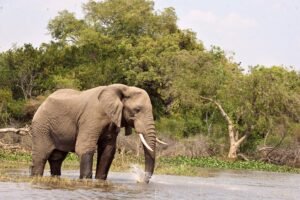
Best Overall Time to Visit Uganda
For travelers looking for the most straightforward safari conditions, June, July, August, January, and February are among the strongest choices. Rainfall is usually lower, many roads become easier to navigate, forest trails may be less slippery, and wildlife viewing can become productive around rivers and other reliable water sources.
June through August is particularly popular with international travelers because it overlaps with summer holidays in Europe and North America. Families, couples, honeymooners, photographers, groups, and solo travelers frequently choose these months. Gorilla trekking in Bwindi, chimpanzee tracking in Kibale, game drives in Queen Elizabeth, boat safaris in Murchison Falls, and visits to Lake Mburo can all be combined into one itinerary.
December through February forms another excellent travel window. Visitors escaping colder northern climates can enjoy warm African landscapes while exploring Uganda’s national parks. Wildlife viewing is often productive, while gorilla trekking trails can be easier than during periods of heavy rainfall.
However, greater demand usually means visitors should arrange important components of their trip early. Gorilla permits, popular lodges, specialized guides, and domestic flights can become harder to secure during peak periods.
Uganda Wildlife Authority regulates gorilla trekking and currently operates formal procedures for reserving tracking permits. Foreign non-residents are required to obtain gorilla and chimpanzee tracking permits through licensed tour operators under current UWA procedures.
Planning early is particularly useful for travelers with fixed travel dates.
Is Uganda Really a Year-Round Destination?
Yes. Uganda can genuinely be explored throughout the year.
Unlike destinations where wildlife experiences depend heavily on one short migration season, Uganda offers resident wildlife, permanent tropical forests, lakes, rivers, mountains, and protected areas that remain accessible throughout the calendar.
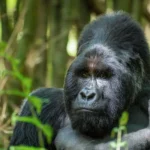
Mountain gorillas do not migrate away from Uganda during the rainy season. Visitors can trek them throughout the year in Bwindi Impenetrable National Park and Mgahinga Gorilla National Park. Uganda Wildlife Authority confirms that Uganda’s primary gorilla trekking destinations are Bwindi and Mgahinga.
Chimpanzee tracking also continues during different seasons. Kibale National Park remains Uganda’s most famous chimpanzee destination, while other forests contribute additional primate experiences.
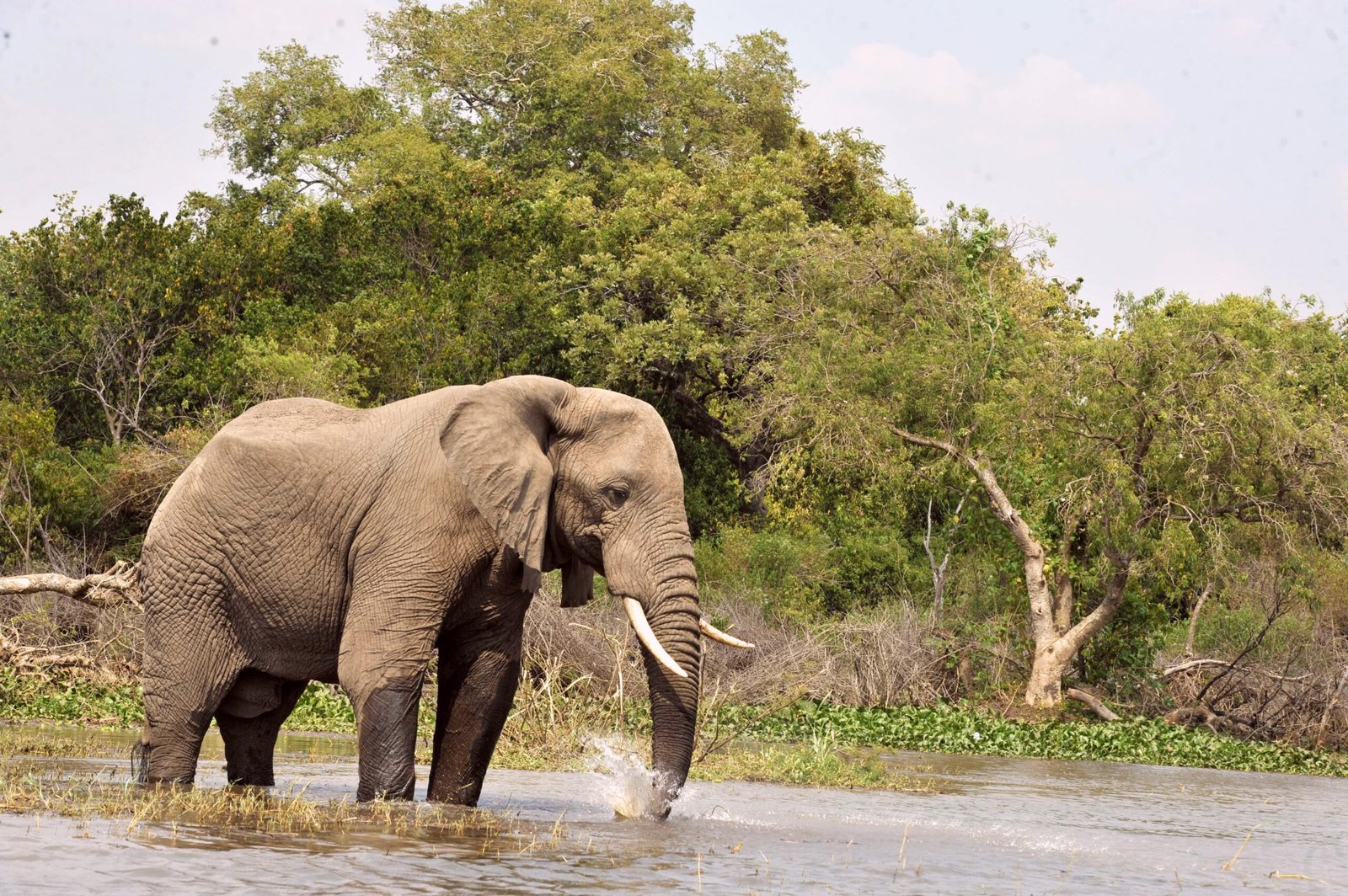
Game drives remain possible throughout the year in Murchison Falls, Queen Elizabeth, Lake Mburo, and Kidepo Valley. Seasonal conditions may influence animal distribution, road surfaces, vegetation height, and photography, but wildlife does not simply disappear when rain arrives.
Birdwatching is another year-round attraction. Uganda Wildlife Authority states that the country remains good for birding throughout the year because much of the interest comes from resident species. The Authority highlights late May through September as particularly favorable because rainfall is generally reduced and food can be plentiful.
Therefore, travelers who cannot visit during traditional peak months should not assume they will have an inferior experience.
Uganda’s Main Dry Season: June to September
June commonly marks the beginning of one of Uganda’s most popular travel periods. Rainfall usually decreases in many safari regions, roads become firmer, and vegetation begins changing from extremely lush wet-season growth toward drier conditions.
Morning game drives can be particularly enjoyable during this period. Lions may remain active before daytime temperatures increase, elephants travel between feeding areas and water sources, Uganda kob gather across open plains, and buffalo often form impressive herds.
By July, many visitors find conditions ideal for combining several national parks. A classic Lena Tours safari might begin in Entebbe, continue through Ziwa Rhino Sanctuary toward Murchison Falls National Park, travel onward to Kibale Forest, cross into Queen Elizabeth National Park, continue through Ishasha, reach Bwindi for gorilla trekking, and finish at Lake Mburo before returning to Entebbe.
August remains another popular month. Forest paths are often relatively manageable, although Bwindi can receive rain at any time because it is a tropical rainforest. Savannah parks usually provide good visibility because some vegetation has become thinner compared with the wetter months.
September often represents a transition. Conditions can still be excellent, although rainfall may gradually increase in different regions. Travelers should carry proper rain protection and remain flexible.
Uganda’s Second Dry Season: December to February
December introduces another highly attractive period for Uganda safaris. Warm temperatures, holiday travel, festive celebrations, wildlife experiences, and relatively dry conditions in many regions make the month appealing for families and couples.
Christmas and New Year safaris are especially popular. Travelers can spend Christmas morning overlooking the Nile, celebrate New Year near the savannah, trek mountain gorillas in Bwindi, or relax beside Lake Bunyonyi after several days of wildlife activities.
January is often one of the most reliable months for travelers who want easier safari conditions. Roads are commonly drier, game drives remain rewarding, and gorilla trekking can be comfortable compared with heavily rainy periods.
February can also work extremely well, although northern areas may become hot. Uganda Wildlife Authority specifically notes that February and early March can be relatively dry in Toro-Semliki, while northern areas may become uncomfortably hot.
Safari guests who prefer warm temperatures and relatively dry conditions may therefore find February attractive.
Uganda’s Long Rainy Season: March to May
March usually introduces increased rainfall across many areas, although exact timing differs from year to year.
Rain transforms Uganda’s scenery rapidly. Dry grass turns green, vegetation grows strongly, flowers appear, wetlands expand, and dramatic cloud formations create impressive photography conditions.
April commonly sits within the wetter part of the season. Some unpaved roads can become challenging, particularly after prolonged rainfall. Forest trekking trails may turn muddy and slippery, which means visitors need suitable hiking boots, long trousers, gaiters where appropriate, and waterproof protection.
Yet rainy-season travel carries advantages.
Landscapes become beautifully green. Fewer visitors may share certain viewpoints or safari areas. Photographers can capture dramatic skies, fresh vegetation, reflections in water, and wildlife against colorful backgrounds.
May begins moving toward the drier period in many regions. Birding can become particularly interesting around this time. Uganda Wildlife Authority identifies May and June as the main nesting period in Bwindi and Mgahinga, although heavy rainfall can still occur around mid-April to mid-May.
Travelers who appreciate nature more than perfectly dry roads can find this season highly rewarding.
The Shorter Rainy Period Later in the Year
Rainfall commonly increases again during parts of September, October, and November.
October can produce dramatic landscapes across Uganda. Savannah vegetation becomes greener, forests remain vibrant, and photographic conditions often feature striking clouds.
November usually continues the green-season atmosphere. Rainstorms may occur, although long periods of continuous rain are not guaranteed. Some days begin sunny before afternoon showers arrive.
Visitors willing to accept occasional mud and schedule flexibility can still enjoy outstanding gorilla trekking, chimpanzee tracking, game drives, boat cruises, birdwatching, and cultural activities.
Many safari itineraries continue operating successfully during these months.
Visiting Uganda in January
January is one of the strongest months for a classic Uganda safari.
Relatively dry conditions occur across many parts of the country, creating favorable circumstances for long game drives and forest activities. Travelers can combine wildlife viewing with gorilla trekking without facing the heaviest seasonal rainfall.
Murchison Falls National Park makes an excellent January destination. Morning game drives across the northern sector may reveal giraffes, elephants, buffaloes, lions, hartebeest, Uganda kob, warthogs, and numerous birds. An afternoon Nile cruise toward the falls adds another perspective, with possible sightings of hippos, crocodiles, elephants, and waterbirds.
Queen Elizabeth National Park also suits January travel. Kasenyi Plains offer wildlife viewing, while the Kazinga Channel gives visitors an opportunity to observe animals from the water.
Farther south, Bwindi remains an unforgettable highlight. Visitors enter the forest with trained guides and trackers in search of habituated mountain gorilla families.
January therefore works particularly well for visitors who want a balanced journey combining wildlife, primates, photography, landscapes, and comfortable travel conditions.
Visiting Uganda in February
February provides many of the benefits associated with January.
Conditions are often warm and relatively dry, making road travel easier than during wetter periods. Savannah wildlife viewing can be excellent because animals regularly visit permanent water sources.
Photographers may appreciate golden morning light and dry-season scenery.
Northern destinations can become hotter during February, so lightweight clothing, drinking water, sun hats, sunglasses, and sunscreen become particularly important.
Gorilla trekking remains available in Bwindi and Mgahinga. Mountain forest temperatures are generally cooler than conditions on the northern plains, creating a remarkable contrast within the same journey.
Travelers with two weeks available can experience several different climate zones during one safari.
Visiting Uganda in March
March acts as a transition from the drier period toward increased rainfall.
Early March may still feel relatively dry in certain places, while later weeks can bring more regular showers. Conditions vary geographically, making flexible planning useful.
The advantage of March lies in the changing landscape. Vegetation becomes greener, dusty surfaces begin settling, and wildlife photography can gain richer backgrounds.
Forest activities continue normally. Trekking may become muddier following rain, but the atmosphere inside Bwindi can be extraordinary. Mist between ancient trees, fresh leaves, filtered sunlight, and mountain scenery create the classic rainforest environment many travelers imagine before visiting Uganda.
Safari guests should pack a waterproof jacket, waterproof backpack cover, quick-drying clothing, strong boots, and extra socks.
Visiting Uganda in April
April is generally one of the wetter months.
Murchison Falls climate documentation from Uganda Wildlife Authority identifies April as a period when particularly heavy rainfall can occur in that park.
Travelers should therefore prepare for wet roads and occasional itinerary adjustments.
Still, April should not automatically be avoided.
The countryside appears intensely green, streams and waterfalls may carry more water, bird activity can be impressive, and many safari landscapes look exceptionally photogenic.
Rain often arrives in bursts rather than falling continuously all day. Sunny periods can still provide excellent opportunities for activities.
Visitors who prioritize solitude, green scenery, birding, and photography may therefore enjoy April immensely.
Visiting Uganda in May
May usually begins wet before conditions gradually improve in many regions toward the end of the month.
Birdwatchers have particularly good reasons to consider traveling during this period. Uganda Wildlife Authority highlights May and June as important nesting months in Bwindi and Mgahinga.
Forest environments remain rich and productive.
Gorilla trekking can involve muddy trails, but the experience remains equally powerful. Meeting a mountain gorilla family in thick rainforest does not become less memorable because the path was wet.
Travelers with proper equipment can enjoy the adventure.
Late May also begins approaching one of Uganda’s most widely recommended birdwatching windows.
Visiting Uganda in June
June marks the start of one of Uganda’s most popular safari periods.
Rain generally decreases, travel conditions improve, and many international visitors begin arriving.
For first-time travelers, June offers an excellent balance between green scenery and increasingly dry conditions.
Bwindi remains lush, Queen Elizabeth supports diverse wildlife, Murchison Falls provides strong game viewing, and Lake Mburo offers walking safaris, game drives, and other activities.
Uganda Wildlife Authority notes that late May through September is generally particularly good for birdwatching because there is less rain while food remains abundant.
June therefore works exceptionally well for travelers combining birding with mammals and primates.
Visiting Uganda in July
July is considered one of Uganda’s prime safari months.
Drier roads make transfers more predictable, and forest trails are generally easier than during peak rainy conditions.
Wildlife tends to become easier to observe around water sources as dry conditions continue.
Families traveling during school holidays frequently choose July. Couples and honeymoon travelers also favor the month because a wide range of accommodations and activities can be combined into tailored itineraries.
Demand may rise considerably, making early arrangements important.
Anyone planning gorilla trekking should secure travel arrangements well in advance when possible.
Visiting Uganda in August
August continues the popular dry-season window.
Game viewing remains excellent in many savannah destinations, while primate trekking stays highly rewarding.
One major advantage is the ability to combine several ecosystems efficiently. A visitor can watch shoebills in wetlands, track rhinos, observe giraffes beside the Nile, search for chimpanzees in Kibale, cruise the Kazinga Channel, look for tree-climbing lions in Ishasha, and trek mountain gorillas in Bwindi within one well-designed safari.
Uganda’s diversity becomes especially clear during journeys of ten to fifteen days.
Travelers should expect popular lodges and trekking locations to attract greater demand during this period.
Visiting Uganda in September
September can be an excellent transitional month.
The early part of the month may retain many dry-season advantages, while rainfall may gradually increase later.
Vegetation starts becoming greener after fresh showers.
Birdwatchers still benefit from conditions that Uganda Wildlife Authority considers favorable during the late-May-to-September period.
September therefore suits travelers seeking a combination of wildlife viewing and changing seasonal scenery.
Visiting Uganda in October
October usually falls within a wetter period in many parts of the country.
Rain refreshes national parks and rural landscapes. Travelers begin seeing deep green scenery, dramatic skies, and fresh vegetation.
Safari vehicles may encounter muddy sections, yet professional guides understand how to navigate changing conditions.
Wildlife viewing continues because Uganda’s animals remain within their habitats year-round.
Gorilla trekking also remains available. A waterproof jacket, quality boots, gardening gloves for forest trekking, and long trousers become useful.
October can particularly appeal to travelers who prefer rich landscape photography rather than dry brown scenery.
Visiting Uganda in November
November typically continues the green season.
Showers remain possible, but visitors can still experience long sunny periods between rainfall.
This month offers a different visual character from July or January. Savannah areas become greener, forest vegetation appears exceptionally vibrant, and changing skies add depth to photography.
Birding can also be rewarding.
Safari guests who do not mind unpredictable showers may enjoy November because popular attractions can sometimes feel less crowded than during peak dry-season months.
Visiting Uganda in December
December introduces another popular holiday period.
Many travelers visit Uganda for Christmas vacations, family holidays, winter escapes, honeymoon trips, and festive-season adventures.
Dryer conditions commonly return across various regions, making wildlife viewing and road transfers easier.
The country also becomes lively during the festive season. Visitors can combine safari adventures with cultural experiences, community visits, city exploration, and relaxing lodge stays.
Because December demand can rise, especially around Christmas and New Year, early booking becomes important for particular lodges and gorilla trekking dates.
Best Time for Gorilla Trekking in Uganda
Gorilla trekking remains one of the strongest reasons international visitors travel to Uganda.
The activity takes place primarily in Bwindi Impenetrable National Park and Mgahinga Gorilla National Park. Uganda Wildlife Authority confirms that trekking excursions may take approximately two to seven hours depending on the location of the gorillas and forest conditions, followed by regulated observation time with a habituated gorilla family.
Gorillas can be trekked throughout the year.
However, June through August and December through February are often preferred because forest trails may be relatively drier.
Dry conditions do not mean Bwindi becomes completely rain-free. The park protects a tropical mountain forest where showers can occur unexpectedly.
March through May and parts of the later rainy season can create muddier conditions. Slopes may become slippery, streams can rise, and trekking requires additional care.
Yet rainy-season trekking creates memorable scenes. Mist hangs through giant trees, leaves appear freshly washed, and the forest feels intensely alive.
Visitors should therefore choose their trekking period according to physical comfort, availability, travel style, and personal preferences rather than believing gorillas disappear during certain months.
When Should Gorilla Permits Be Booked?
Travelers should arrange gorilla permits early whenever possible, especially when planning to visit during popular months.
Permit availability is limited because only controlled numbers of visitors may trek habituated gorilla families.
Uganda Wildlife Authority currently uses structured permit reservation procedures, and official guidance says foreign non-resident visitors must obtain gorilla and chimpanzee permits through tourism operators licensed by the Uganda Tourism Board.
Travelers should always work with properly licensed operators and confirm arrangements before making significant payments.
Booking early also helps coordinate accommodation because Bwindi contains several trekking sectors, including Buhoma, Ruhija, Rushaga, and Nkuringo.
A lodge located near the correct trekking sector can dramatically simplify the morning schedule.
Best Time for Chimpanzee Trekking
Chimpanzee trekking differs slightly from gorilla trekking when seasonal conditions are considered.
Kibale National Park is Uganda’s most famous chimpanzee destination and supports guided tracking experiences.
Interestingly, Uganda Wildlife Authority notes that chimpanzees may sometimes be easier to find during wetter conditions because food can be more readily available, while during dry periods they may travel farther through the forest looking for food.
This means visitors should not assume dry weather automatically guarantees easier chimpanzee encounters.
Rainy conditions may involve mud, yet tracking distances can sometimes work in the visitor’s favor depending on chimpanzee movements.
Every trek remains unpredictable because chimpanzees are wild animals.
For travelers combining gorillas and chimpanzees, almost any month can work successfully.
Best Time for Wildlife Safaris
Wildlife viewing in Uganda’s savannah parks is generally strongest during drier periods.
As seasonal water becomes less widespread, animals may concentrate near rivers, lakes, channels, and other permanent water sources.
Shorter vegetation can also improve visibility.
Queen Elizabeth National Park offers game drives, the Kazinga Channel, crater landscapes, and the famous Ishasha Sector.
Murchison Falls combines game viewing with the Nile and one of Africa’s most powerful waterfall landscapes.
Kidepo Valley provides remote wilderness scenery in northeastern Uganda.
Lake Mburo offers a smaller and more accessible safari experience with wildlife, walking opportunities, and attractive landscapes.
Although June to August and December to February are traditionally preferred for game viewing, green-season safaris remain worthwhile. Wildlife stays in the parks, and rainy periods often provide attractive photography.
Best Time to Visit Murchison Falls National Park
Murchison Falls National Park offers different attractions throughout the year.
Game drives across the northern section commonly become especially productive during dry months.
Elephants, giraffes, buffaloes, Uganda kob, hartebeest, warthogs, lions, and other animals can frequently be observed.
The Nile remains central to the experience. Boat trips provide opportunities to see hippos, crocodiles, waterbirds, and animals approaching the river.
Uganda Wildlife Authority climate documentation indicates that Murchison generally experiences drier periods from December to February and June to September, with wetter conditions around March to May and October to November.
Visitors seeking straightforward road conditions can therefore favor the dry periods.
Travelers focused on green scenery might choose wetter months instead.
Best Time to Visit Queen Elizabeth National Park
Queen Elizabeth National Park offers extraordinary ecological diversity.
Kasenyi Plains support classic game drives, the Kazinga Channel attracts large concentrations of wildlife and birds, crater areas provide impressive scenery, while Ishasha is famous for lions that are known for resting in trees.
Uganda Wildlife Authority documentation identifies December to February as one of the park’s drier periods and also describes June to August as a dry-season window.
These periods often create good wildlife viewing conditions.
During wetter months, vegetation turns greener and photography changes completely.
A well-designed itinerary can combine Queen Elizabeth with Kibale National Park and Bwindi, creating one of Uganda’s most rewarding safari circuits.
Best Time to Visit Bwindi Impenetrable National Park
Bwindi receives rain throughout the year because it is a tropical rainforest.
No visitor should travel there expecting guaranteed dry conditions.
Nevertheless, June through August and December through February generally offer relatively easier trekking circumstances.
Visitors during March to May or wetter months later in the year need stronger waterproof equipment and patience with muddy conditions.
Birding creates another reason to consider seasonal timing. Uganda Wildlife Authority identifies May and June as an important nesting period in Bwindi and Mgahinga and highlights these parks as important locations for Albertine Rift endemic birds.
Nature enthusiasts may therefore deliberately choose a greener period.
Best Time to Visit Kibale National Park
Kibale remains famous for primates, particularly chimpanzees.
Visitors commonly combine morning chimpanzee tracking with nearby wetland or community activities.
The forest remains green throughout the year.
Dry months can provide easier walking conditions, while wetter periods can potentially support favorable chimpanzee feeding patterns.
Uganda Wildlife Authority specifically notes that chimpanzee tracking and habituation take place year-round.
Anyone primarily interested in chimpanzees can therefore plan around wider travel considerations rather than waiting for one narrow season.
Best Time to Visit Kidepo Valley National Park
Kidepo Valley National Park feels very different from southwestern Uganda.
Its remote location, dramatic mountains, open valleys, and drier northeastern environment create a classic wilderness atmosphere.
Travelers frequently appreciate the drier months for easier game viewing.
However, heat can become substantial during parts of the dry season.
Uganda Wildlife Authority notes that northern Uganda, including areas around Murchison, can become particularly hot around February and early March.
Those sensitive to high temperatures may prefer cooler periods.
Green-season visitors experience another side of Kidepo as vegetation changes and landscapes become more colorful.
Best Time to Visit Lake Mburo National Park
Lake Mburo fits particularly well at the beginning or end of a longer safari.
Its location between Kampala and southwestern Uganda makes it useful for travelers visiting Bwindi, Mgahinga, or Queen Elizabeth.
Wildlife experiences can include game drives, nature walks, and viewing animals associated with the park’s woodland and grassland environments.
Dry periods often make activities easier.
However, the green season creates beautiful landscapes.
Travelers completing a gorilla safari can spend their final night around Lake Mburo before returning toward Entebbe.
Best Time for Birdwatching in Uganda
Uganda is an exceptional birding destination.
Its location between different ecological regions, combined with wetlands, tropical forests, mountains, savannah, lakes, rivers, and woodland, creates diverse bird habitats.
Birding remains possible all year.
Uganda Wildlife Authority specifically says Uganda is good for birdwatching throughout the year because much of the main interest centers on resident species. Late May through September is identified as a particularly favorable period because rainfall decreases and food can be abundant.
December and January are also described by UWA as good birding months.
Bwindi and Mgahinga hold special importance for Albertine Rift species, while Murchison Falls supports numerous savannah and water-associated birds. Semuliki offers species connected to Guinea-Congo forest systems.
Mabamba Swamp near Entebbe has also become famous among visitors hoping to see the shoebill.
Dedicated birders should therefore build itineraries around the habitats and target species they want rather than choosing travel dates solely according to standard safari seasons.
Best Time for Shoebill Watching
Shoebill watching is one of Uganda’s most distinctive birding experiences.
Mabamba Swamp, located within reach of Entebbe, is commonly included at the beginning or end of a safari.
Visitors explore wetland channels in small boats with local guides while looking for shoebills and other waterbirds.
Early morning departures are usually preferred because conditions can be calm and bird activity productive.
Murchison Falls also offers opportunities for birdwatching, and UWA identifies it as an excellent destination for a wide range of species, including the sought-after shoebill.
A complete Uganda birding safari can combine Mabamba, Murchison, Kibale, Queen Elizabeth, Bwindi, Mgahinga, and other habitats.
Best Time for Photography Safaris
Photographers should think differently about the phrase “best time.”
Dry-season photography often offers excellent wildlife visibility, golden grasslands, dusty atmosphere, animals near water, and beautiful sunrise or sunset light.
Green-season photography delivers lush backgrounds, dramatic clouds, fresh vegetation, reflections, colorful skies, and rich landscapes.
Neither style is automatically superior.
A lion standing in dry golden grass creates a classic African image. The same lion walking through green savannah beneath dramatic rain clouds produces a completely different photograph.
Gorilla photography also changes with the season. Soft forest light, mist, moisture on leaves, and rich green vegetation can create beautiful images during wetter conditions.
Photographers should therefore choose dates based on their preferred visual style.
Best Time for Honeymoons in Uganda
Uganda offers outstanding honeymoon experiences for couples who want more than a conventional beach holiday.
A honeymoon can combine luxury safari lodges, private game drives, romantic bush dinners, Nile cruises, gorilla trekking, crater lake scenery, mountain views, cultural encounters, and relaxing nights around Lake Bunyonyi.
June through August and December through February suit couples who prioritize drier conditions.
Green-season honeymoons can offer a quieter atmosphere and lush scenery.
Luxury properties in remote locations can feel particularly romantic when surrounded by misty forests or green savannah.
Combining Uganda with beach time elsewhere in East Africa can also create a wildlife-and-coast honeymoon.
Best Time for Family Safaris
Families often visit during school holidays.
July and August therefore become popular months for international family travel.
December also works well because Christmas holidays create additional flexibility.
Uganda provides excellent educational experiences for children old enough to appreciate wildlife, geography, conservation, and culture.
Age restrictions apply to certain primate activities, so families should check requirements when planning.
Alternative activities can be arranged for younger children while older family members undertake specialized treks.
A carefully designed family safari should also avoid overly long driving days.
Best Time for Budget Travelers
Visitors trying to control safari costs should consider traveling outside the busiest periods.
Accommodation prices and availability may vary according to season and lodge policies.
Green-season travel can sometimes provide greater flexibility.
Travelers should never choose a month based only on accommodation savings, however. Road conditions, personal interests, activity availability, and comfort with rainfall should also matter.
Working with Lena Tours allows a safari to be matched with the client’s preferred accommodation category, whether budget, midrange, luxury, or mixed.
Is the Rainy Season Bad for Visiting Uganda?
No.
Rainy season simply creates a different safari.
Roads can become muddy, forest trails may become slippery, and outdoor plans occasionally need adjustment. Those are genuine disadvantages.
Yet green landscapes, fewer visitors in some areas, dramatic skies, abundant vegetation, active birdlife, and atmospheric forests provide strong advantages.
Many travelers have outstanding safaris during March, April, May, October, and November.
Safari vehicles continue operating. Gorillas remain in their forests. Chimpanzees continue moving through Kibale. Lions still hunt. Elephants still roam. Hippos remain in rivers and channels. Birds continue feeding, breeding, and calling.
Rain changes the environment rather than stopping the experience.
What Happens if It Rains During Gorilla Trekking?
Rain is always possible inside Bwindi.
Treks normally continue unless park authorities determine that conditions create a safety concern.
Visitors should carry a lightweight waterproof jacket or poncho.
Hiking boots with strong grip are important.
Long trousers protect legs from vegetation, while gardening gloves can help when holding plants for balance on steep terrain.
A waterproof cover protects cameras and backpacks.
Porters are highly recommended because they can help carry equipment and support visitors through challenging sections.
Most importantly, travelers should approach rain as part of the rainforest experience.
Bwindi would not exist in its magnificent form without moisture.
What Should You Pack for Uganda’s Dry Season?
Even during dry periods, travelers should prepare for varied conditions.
Useful items include breathable shirts, safari trousers, comfortable walking shoes, hiking boots for trekking, a sun hat, sunglasses, sunscreen, insect repellent, binoculars, camera equipment, reusable water bottles, and a light jacket for mornings.
Forest destinations require additional layers.
Bwindi mornings can feel cool before trekking begins.
Rain protection remains essential because showers can happen unexpectedly.
Neutral clothing works well for game drives and nature walks.
What Should You Pack During the Rainy Season?
Waterproof preparation becomes more important from March through May and during wetter periods later in the year.
A good rain jacket should remain easily accessible rather than buried at the bottom of luggage.
Water-resistant hiking boots help during forest treks.
Quick-drying trousers are preferable to heavy fabrics.
Extra socks can make a big difference after a wet morning.
Keep camera equipment in waterproof bags or covers.
Light layers work better than bulky clothing because temperatures can change throughout the day.
A positive attitude remains just as important as physical equipment.
When Is Uganda Greenest?
The country appears especially green during and immediately after rainy periods.
April, May, October, and November can produce spectacular vegetation.
Areas that looked golden or brown during the dry season are transformed.
Tea plantations around western Uganda glow under soft light.
Crater landscapes look vivid.
Savannah plains regain fresh grass.
Forest edges become dense.
Agricultural countryside appears productive and colorful.
Travelers whose priority is scenery should therefore not automatically avoid rain.
When Is Wildlife Easiest to Photograph?
Drier months often make large mammals easier to locate because animals concentrate more consistently around water.
Vegetation may also become shorter.
June through August and December through February therefore provide classic wildlife photography conditions.
Early morning and late afternoon usually offer the best light.
Midday remains useful for boat trips, lodge relaxation, transfers, and occasionally wildlife encounters that happen unexpectedly.
Patience matters more than season alone.
A professional guide who understands animal behavior can dramatically improve photography opportunities.
When Should You Visit Uganda for Fewer Crowds?
Travel during parts of March, April, May, October, or November may provide a quieter atmosphere at some destinations compared with peak holiday periods.
Exact visitor numbers vary.
Gorilla groups remain controlled by permit numbers, which already limits crowding during the actual trekking encounter.
Nevertheless, lodge availability and general tourist traffic can feel different outside the busiest months.
Travelers who value peaceful surroundings may prefer shoulder or green-season dates.
Best Time for Cultural Tourism
Cultural experiences operate throughout the year.
Visitors can meet local communities, explore markets, visit craft centers, experience traditional food, interact with guides, learn about farming, and discover Uganda’s extraordinary cultural diversity.
Certain festivals and community events occur on specific dates, making advance research important when a traveler wants to attend a particular event.
Unlike wildlife viewing, cultural tourism depends less heavily on rainfall.
Combining culture with nature also gives visitors a deeper understanding of Uganda beyond its national parks.
Best Time for Adventure Tourism in Jinja
Jinja is often described as Uganda’s adventure center.
Visitors can enjoy experiences associated with the Nile, explore the Source of the Nile area, relax at riverside lodges, and combine adventure with trips through eastern Uganda.
Travel conditions remain generally possible throughout the year.
Dry months can appeal to travelers wanting more predictable outdoor weather.
Green months provide rich scenery around the Nile and surrounding countryside.
Jinja combines easily with Kampala or Entebbe and can be added before a longer wildlife safari.
Best Time for Hiking and Mountain Adventures
Uganda offers several hiking environments, ranging from short nature walks to demanding multi-day mountain expeditions.
Dryer periods usually provide easier trails.
The Rwenzori Mountains require particularly serious preparation because high-altitude weather can be unpredictable throughout the year.
Mount Elgon offers another trekking region with waterfalls, caves, vegetation zones, and mountain landscapes.
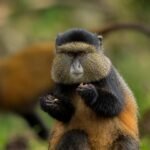
Mgahinga combines volcanic scenery with gorilla trekking, golden monkey experiences, and mountain hiking.
Travelers undertaking serious climbs should choose dates in consultation with experienced mountain operators and prepare for changing weather regardless of season.
Best Time for Golden Monkey Tracking
Golden monkey tracking takes place in Mgahinga Gorilla National Park.
The experience makes an excellent addition to gorilla trekking.
Visitors walk through mountain forest and bamboo habitats while searching for these energetic primates.
Dryer months may provide more comfortable trail conditions.
Rainy periods create lush vegetation and atmospheric forest scenery.
A southern Uganda itinerary can combine Bwindi, Mgahinga, Lake Bunyonyi, and Lake Mburo.
Best Time for a First Safari to Uganda
First-time visitors who want the simplest introduction should strongly consider June to August or December to February.
These months generally reduce weather-related complications.
A first safari might include:
Entebbe and Mabamba Swamp for shoebills.
Ziwa Rhino Sanctuary.
Murchison Falls National Park.
Kibale National Park.
Queen Elizabeth National Park.
Ishasha Sector.
Bwindi Impenetrable National Park.
Lake Bunyonyi.
Lake Mburo National Park.
Such an itinerary introduces travelers to wetlands, savannah wildlife, primates, forests, lakes, waterfalls, communities, and landscapes.
How Many Days Should You Spend in Uganda?
Seven days can create an enjoyable safari, although travelers need to choose destinations carefully.
Ten days provide more flexibility.
Twelve to fifteen days allow a much deeper experience.
Visitors interested in gorillas alone can complete a short three-day safari from Kampala or Entebbe, though longer programs reduce the amount of time spent driving each day.
A seven-day trip can combine gorillas, Queen Elizabeth, and another destination.
Ten-day programs may add Kibale and Lake Mburo.
Two-week itineraries can include Murchison Falls, chimpanzees, Queen Elizabeth, gorillas, and additional experiences.
Birdwatchers and photographers may prefer even longer journeys.
Sample 3-Day Gorilla Safari
Day 1: Entebbe or Kampala to Bwindi
Your Lena Tours driver-guide collects you after breakfast before beginning the journey toward southwestern Uganda.
The route passes changing countryside, towns, farms, hills, and local communities.
Lunch can be arranged along the way.
Arrival at Bwindi normally comes later in the day, allowing time for dinner and preparation for trekking.
Day 2: Gorilla Trekking
Breakfast begins early.
Visitors proceed to the relevant park headquarters for briefing before entering the forest with guides and trackers.
Trekking duration varies according to gorilla movements and terrain.
Meeting the gorillas is one of Africa’s most extraordinary wildlife experiences.
After returning to the lodge, guests can relax or participate in an optional community experience.
Day 3: Return to Entebbe
Following breakfast, the journey returns toward Kampala or Entebbe.
Stops can be arranged for lunch, scenery, and photography.
Visitors flying onward should allow sufficient time before international departure.
Sample 7-Day Uganda Safari
Day 1: Arrival in Entebbe
Meet your Lena Tours representative and transfer to your hotel.
Depending on arrival time, an optional Entebbe activity may be arranged.
Day 2: Transfer to Queen Elizabeth National Park
Travel west through Uganda’s beautiful countryside toward Queen Elizabeth.
An evening game drive may introduce elephants, buffaloes, antelopes, warthogs, and possibly predators.
Day 3: Game Drive and Kazinga Channel
Begin with an early game drive.
Return for breakfast or continue depending on wildlife activity.
Later, enjoy a boat safari along the Kazinga Channel.
Day 4: Ishasha to Bwindi
Drive through the Ishasha Sector while searching for lions and other wildlife.
Continue toward Bwindi.
Day 5: Gorilla Trekking
Spend the morning or much of the day trekking mountain gorillas.
Relax at your lodge afterward.
Day 6: Lake Mburo
Travel toward Lake Mburo National Park.
Enjoy an evening safari activity.
Day 7: Return to Entebbe
Complete a final morning activity before returning to Entebbe.
Best Season for a Longer Uganda Safari
Long safaris can work during almost any month because the itinerary can be adjusted around local conditions.
June to August remains particularly convenient for travelers visiting multiple parks.
January and February work well for similar reasons.
Green-season itineraries also produce extraordinary experiences, especially for photographers, returning visitors, and travelers interested in birds.
The key is designing an itinerary that matches the season.
Why Uganda Should Not Be Treated Like a One-Season Destination
Some destinations become famous for a single annual event.
Uganda is different.
The country’s strongest attractions exist throughout the year.
Mountain gorillas remain in Bwindi and Mgahinga.
Chimpanzees inhabit Kibale and other forests.
The Nile continues flowing through Murchison Falls.
Elephants, buffaloes, lions, hippos, giraffes, Uganda kob, leopards, warthogs, zebras, and other wildlife remain within Uganda’s protected landscapes.
National parks continue protecting these ecosystems throughout the year. Uganda Wildlife Authority describes Uganda’s protected areas as containing iconic landscapes and species ranging from mountain gorillas in Bwindi to Murchison’s waterfalls and Ishasha’s tree-climbing lions.
Consequently, the best travel month depends more on personal priorities than on whether Uganda is worth visiting.
Choosing Between June-August and December-February
Both periods provide strong safari conditions.
June to August suits travelers taking summer holidays in Europe, North America, and parts of Asia.
December to February appeals to visitors escaping winter temperatures or combining safari travel with Christmas holidays.
June can still retain attractive green vegetation after earlier rains.
July and August commonly become drier.
December offers festive energy.
January frequently provides excellent all-round safari conditions.
February can be warmer, particularly in northern Uganda.
Permit and lodge availability should influence the final choice.
Is June the Best Month to Visit Uganda?
June is certainly among the strongest options.
Rainfall generally decreases, the countryside often remains green, and wildlife conditions improve.
Birding is excellent.
Forest trekking becomes easier than during April.
Visitor demand begins increasing but may feel different from peak July and August periods depending on destination.
June suits first-time visitors exceptionally well.
Is July the Best Month?
July offers excellent weather for many safari activities.
Road conditions are usually favorable.
Gorilla trekking can be relatively comfortable.
Wildlife concentrates increasingly around permanent water.
School holidays make travel convenient for families.
Higher demand represents the main disadvantage.
Visitors planning July should arrange permits and preferred lodges early.
Is August Good for Uganda?
August remains excellent.
Safari circuits operate smoothly, and multiple ecosystems can be combined.
Wildlife viewing, primate trekking, birding, cultural tourism, and photography remain rewarding.
Popular attractions may be busier than during shoulder months.
For many travelers, however, August provides exactly the conditions they hope to experience.
Is December Good for Uganda?
Yes.
December begins another excellent dry-season travel period across many safari regions.
Families can use holiday time for longer journeys.
Christmas safari experiences create unforgettable memories.
Popular lodges may fill around festive dates, making advance arrangements important.
Best Time Based on Your Travel Priorities
Choose June to August if you want classic dry-season safari conditions.
Consider December to February if you prefer another generally dry window.
Travel in March to May if green scenery, potentially quieter surroundings, and seasonal atmosphere appeal to you.
Select late May through September if birdwatching forms a major part of your journey, since Uganda Wildlife Authority identifies this as a particularly favorable birding period.
Choose rainy months if you enjoy dramatic landscape photography.
Visit throughout the year if gorilla trekking is your main dream because tracking operates across seasons.
Frequently Asked Questions About the Best Time to Visit Uganda
What is the best month to travel to Uganda?
June, July, August, January, and February are among the most popular months because conditions are generally drier. Nevertheless, Uganda remains a year-round destination.
What are the rainy months in Uganda?
Rainfall commonly increases during March to May and again during parts of the period from around September or October through November. Patterns vary by location and year.
What is Uganda’s dry season?
Major dry periods generally occur from December to February and approximately June to August or September.
Can I visit Uganda in April?
Yes. April can be wet, but wildlife safaris, gorilla trekking, chimpanzee tracking, and birdwatching continue. Travelers should prepare for rain and muddy conditions.
Can I trek gorillas during the rainy season?
Yes. Gorilla trekking operates throughout the year in Bwindi and Mgahinga, subject to park operations and permit availability.
Which months are best for Uganda wildlife safaris?
June through August and December through February generally provide excellent conditions for savannah wildlife viewing. Uganda Wildlife Authority also identifies these dry-season windows as favorable for wildlife viewing.
Which season is best for birdwatching?
Birdwatching remains rewarding throughout the year. UWA highlights late May through September as particularly favorable and also mentions December and January as good periods.
Is Uganda too hot during the dry season?
Most safari destinations remain manageable, although northern regions can become hot. Elevation keeps highland destinations such as Bwindi considerably cooler.
Does it rain all day during Uganda’s rainy season?
Usually not. Tropical rainfall often occurs in showers or storms separated by dry or sunny periods, although prolonged rain is possible.
Is Uganda worth visiting in October?
Yes. October provides green scenery, birdlife, wildlife experiences, primate trekking, and excellent photographic opportunities despite increased chances of rain.
When should I book a Uganda safari?
Booking several months ahead is advisable when traveling during popular periods or when gorilla trekking forms part of the itinerary.
Are gorilla permits available throughout the year?
Permits are issued for trekking dates throughout the year, subject to availability and official UWA arrangements. Limited daily numbers make advance planning advisable.
Why Travel With Lena Tours?
Planning a Uganda safari involves more than choosing a month.
Accommodation locations need to match the route.
Gorilla permits must correspond with the correct trekking dates and sectors.
Driving times should remain realistic.
Activities need enough time.
Vehicle quality matters on long journeys and rural roads.
Experienced guides make an enormous difference to wildlife sightings, interpretation, comfort, photography, and overall safari quality.
Lena Tours can design Uganda journeys around different budgets and interests, whether guests want a short gorilla trekking adventure, family holiday, honeymoon safari, wildlife expedition, birdwatching journey, photographic tour, cultural experience, or extended Uganda circuit.
Every itinerary can be adapted according to the season.
Final Answer: When Is the Best Time to Visit Uganda?
For most first-time visitors, the best time to visit Uganda is during the drier periods from June to August and December to February. These months normally provide easier road conditions, relatively comfortable trekking, strong wildlife viewing, and convenient access to Uganda’s major national parks. Uganda Wildlife Authority similarly identifies June to August and December to February as favorable periods for primate tracking and savannah wildlife viewing.
However, Uganda should never be viewed as a destination that is only worth visiting during five or six months of the year.
March, April, May, September, October, and November bring their own advantages. Forests become incredibly green. Savannah vegetation comes alive. Birds remain active. Rain produces dramatic skies. Tourist traffic may become lighter in some locations, while photographers can capture scenery that looks completely different from dry-season landscapes.
Gorilla trekking continues throughout the year.
Chimpanzee experiences remain available across the seasons.
Wildlife stays within Uganda’s protected areas.
Birdwatching remains rewarding throughout the calendar.
The real question is therefore not simply “What is the best time to visit Uganda?”
A better question is:
“What is the best time to visit Uganda for the experience I personally want?”
Travelers hoping for classic wildlife viewing and relatively dry conditions should consider June, July, August, January, or February.
Visitors dreaming of green landscapes and dramatic photography may prefer the wetter months.
Birdwatchers can enjoy Uganda year-round, with particularly favorable conditions during selected periods.
Gorilla enthusiasts can plan a trek whenever their schedule allows, provided suitable permits are available.
Adventure travelers can explore the Nile, mountains, forests, lakes, and national parks throughout the calendar.
Uganda rewards visitors in every season because its beauty does not depend on a single weather pattern. Each month reveals a different side of the country.
Dry-season plains create golden wildlife scenes.
Rain transforms valleys into deep green landscapes.
Mist covers ancient forests.
The Nile continues moving through Murchison Falls.
Mountain gorillas remain within the forests of Bwindi and Mgahinga.
Chimpanzees call through Kibale.
Lions patrol Queen Elizabeth National Park.
Giraffes cross the open landscapes of Murchison Falls.
Birds occupy wetlands, mountains, forests, lakes, and savannahs.
Communities welcome travelers throughout the year.
For anyone planning a journey to the Pearl of Africa, the right season depends on the adventure you want to experience.
With careful preparation and a well-planned itinerary, almost any month can become the best time to visit Uganda.
Plan your Uganda safari with Lena Tours and discover mountain gorillas, chimpanzees, wildlife, waterfalls, lakes, birds, cultures, mountains, and unforgettable landscapes across the Pearl of Africa.
Plan Your Safari with Lena Tours
Complete the enquiry form below and our safari specialists will prepare a personalised itinerary and quotation for your journey.