How Much Does a 10-Day Safari Cost in Uganda?
Planning a 10-day safari in Uganda is one of the best ways to experience the country’s remarkable wildlife, tropical forests, mountain gorillas, chimpanzees, beautiful lakes, rolling landscapes, welcoming communities, and famous national parks. However, before booking such a journey, one of the first questions most travelers ask is: How much does a 10-day safari cost in Uganda? The answer depends on several important factors, including the accommodation category, number of travelers, destinations included, type of safari vehicle, gorilla and chimpanzee permits, season of travel, meals, park entrance fees, activities, and the level of comfort you would like throughout your trip.
As a general planning guide, a 10-day Uganda safari may cost approximately USD 2,800 to USD 4,000 per person for a budget safari, around USD 4,000 to USD 6,500 per person for a midrange safari, and approximately USD 6,500 to USD 10,000 or more per person for a luxury safari. These figures should not be treated as fixed quotations because every Uganda safari is different. Travelers who include gorilla trekking, chimpanzee tracking, private transportation, premium lodges, domestic flights, exclusive activities, or private-use luxury camps will naturally pay more than visitors choosing simple lodges and fewer premium experiences.
For many international travelers, a classic 10-day Uganda safari combines Murchison Falls National Park, Kibale Forest National Park, Queen Elizabeth National Park, Bwindi Impenetrable National Park, and sometimes Lake Mburo National Park. Such a route offers an exceptional mixture of savannah wildlife, primates, boat safaris, scenic drives, forest experiences, birdwatching, cultural encounters, and the unforgettable opportunity to meet mountain gorillas.
Uganda Wildlife Authority publishes official tariffs for wildlife activities and protected areas. Its current rates page references tariff changes for 2026–2027, although the detailed tariff card readily available online still displays the July 2024–June 2026 structure. Travelers should therefore confirm the applicable permit and park rates for their exact travel dates before making final payments.
At Lena Tours, we design Uganda safaris according to the traveler’s preferred comfort level, interests, available time, group size, and budget. A well-designed itinerary does not simply focus on finding the lowest price. Instead, it balances comfort, realistic driving times, excellent wildlife experiences, knowledgeable guiding, suitable accommodation, reliable transportation, and sufficient time to enjoy every destination.
What Determines the Cost of a 10-Day Uganda Safari?
The final price of a 10-day safari in Uganda depends on much more than the number of days you spend in the country. Two visitors can follow almost the same route but pay completely different prices because one chooses luxury accommodation while another stays in budget lodges. A solo traveler may also pay considerably more per person than two or four guests sharing the same safari vehicle because transportation costs cannot be divided among several travelers.
Accommodation creates one of the largest differences between safari packages. Uganda offers everything from basic guesthouses and permanent tents to stylish midrange safari lodges and exclusive luxury properties overlooking rivers, forests, savannahs, volcanoes, and national parks. Room prices may vary significantly depending on location, season, meal plan, room type, and lodge standard.
Wildlife permits also have a major influence on the overall price. Gorilla trekking is usually one of the most expensive single activities included in a Uganda safari. Chimpanzee tracking, boat cruises, game drives, nature walks, rhino tracking, community experiences, and additional primate activities add further costs.
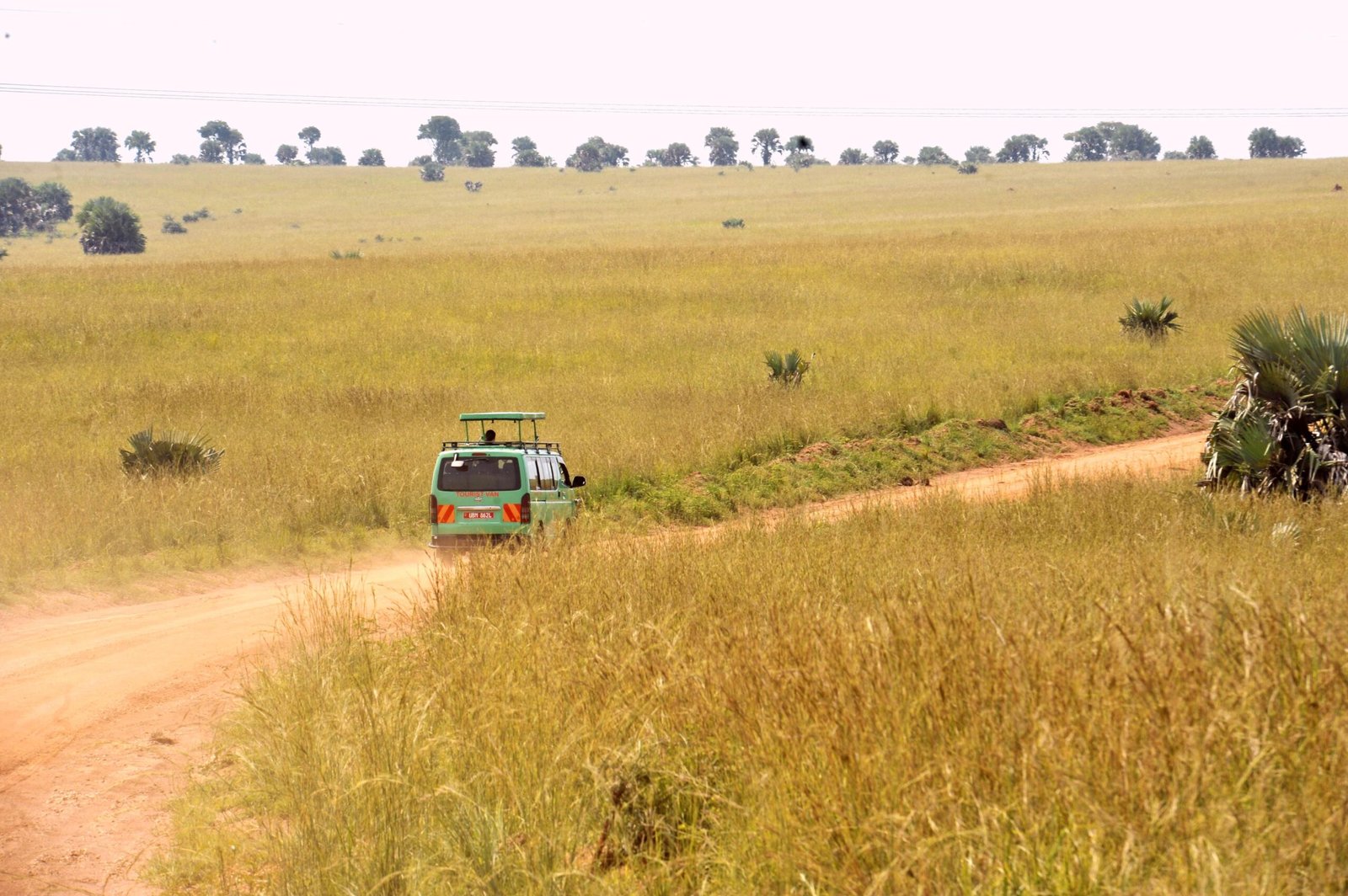
Transport represents another major part of the safari price. A properly maintained 4×4 safari vehicle, professional driver-guide, fuel, vehicle park fees, road transfers, guide accommodation, and related operational expenses must be considered when calculating a 10-day tour.
Food arrangements can also change the amount you pay. Most safari lodges outside Kampala and Entebbe operate on full-board arrangements because guests often spend the day inside national parks where alternative restaurants are limited. Consequently, breakfast, lunch, and dinner may already be included in the accommodation package.
Travel season matters as well. Popular travel periods often create stronger demand for accommodation and permits, whereas some properties offer reduced rates during quieter months. Travelers who book early generally have more accommodation choices, especially around Bwindi, Kibale, Queen Elizabeth National Park, and Murchison Falls.
Average Price of a 10-Day Safari in Uganda
A useful way to understand Uganda safari prices is to divide trips into three broad categories: budget, midrange, and luxury.
A budget 10-day Uganda safari may fall between approximately USD 2,800 and USD 4,000 per person, particularly when two or more people travel together. These trips normally use simple but comfortable accommodation, private road transportation, standard meals, park activities, and essential wildlife experiences. Gorilla trekking can still be included, although the permit forms a significant portion of the total budget.
A midrange 10-day Uganda safari commonly costs around USD 4,000 to USD 6,500 per person. This category is extremely popular because it offers a good combination of comfort, attractive safari lodges, quality meals, private transportation, major wildlife activities, and carefully planned destinations without reaching the price of high-end luxury travel.
A luxury 10-day Uganda safari may range from approximately USD 6,500 to USD 10,000 per person or considerably higher. Premium lodges, larger rooms, beautiful views, personalized service, private dining, spa treatments, upgraded safari vehicles, scheduled or charter flights, exclusive activities, and exceptional locations can increase the overall cost.
These ranges remain estimates rather than fixed Lena Tours prices. Your final quotation depends on your travel dates, group size, room arrangement, accommodation choices, permit availability, selected experiences, and transportation requirements.
Why Uganda Offers Excellent Safari Value
Uganda provides something that relatively few African destinations can offer within one country: a combination of traditional savannah wildlife and outstanding primate encounters. During the same journey, visitors can search for lions, elephants, buffaloes, giraffes, leopards, hippos, crocodiles, antelopes, chimpanzees, and mountain gorillas.
This diversity allows travelers to experience several completely different ecosystems without crossing multiple international borders. The journey can move from open savannahs to tropical forests, volcanic landscapes, crater lakes, wetlands, river systems, highland farms, and mountain habitats.
Bwindi Impenetrable National Park remains one of Uganda’s most celebrated destinations. Uganda Wildlife Authority reported in September 2026 that the 2018 census recorded 459 mountain gorillas in Bwindi, while updated genetic analysis from the 2025/2026 work was still awaited at the time of publication.
Kibale is another major highlight for travelers interested in primates. Uganda Wildlife Authority identifies chimpanzee tracking and chimpanzee habituation among the important experiences offered in Kibale National Park.
Because many of these experiences can be combined into one itinerary, a 10-day Uganda safari can provide impressive value for visitors who want more than a conventional wildlife holiday.
Sample 10-Day Uganda Safari Itinerary
The following itinerary provides a useful example of how a 10-day Uganda safari can be arranged. Exact destinations, accommodation, driving times, and activities can be adjusted according to individual preferences.
Day 1: Arrival in Uganda and Transfer to Entebbe
Your Uganda safari begins when you arrive at Entebbe International Airport, where a Lena Tours representative or professional safari guide can meet you and welcome you to the Pearl of Africa. Depending on your arrival time, you may transfer directly to your hotel, enjoy a relaxed introduction to Entebbe, or include an optional local activity before starting the longer safari journey the following morning.
Entebbe sits along the shores of Lake Victoria and provides a convenient starting point for most Uganda safaris. Travelers arriving after a long international flight generally appreciate a quiet first night before spending several days exploring national parks.
Accommodation in Entebbe varies from affordable guesthouses to comfortable international hotels and boutique properties. Budget travelers may spend approximately USD 40–100 per room, while midrange options may cost roughly USD 100–250. High-end hotels and premium rooms can cost considerably more.
Your first evening provides time to discuss the itinerary with your guide, check luggage, arrange any last-minute requirements, and prepare for the adventure ahead.
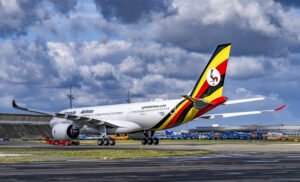
Day 2: Entebbe to Murchison Falls National Park
After breakfast, leave Entebbe or Kampala and travel north toward Murchison Falls National Park. Many itineraries include a stop for rhino tracking along the journey, depending on the route, operating arrangements, and activities selected for the safari.
The drive provides an excellent introduction to rural Uganda. Travelers pass through busy towns, farming areas, roadside markets, tropical vegetation, and changing landscapes before eventually reaching the wider Murchison Falls region.
Murchison Falls National Park is one of Uganda’s best-known safari destinations. Wildlife enthusiasts visit the park to search for elephants, giraffes, buffaloes, lions, hartebeests, Uganda kobs, waterbucks, warthogs, hippos, crocodiles, and numerous bird species.
The park is also famous for the powerful Nile scenery associated with Murchison Falls. Depending on arrival time, guests may enjoy an evening activity or proceed directly to the lodge for dinner and relaxation.
Accommodation prices vary greatly according to location and category. Budget lodges may cost around USD 80–150 per person per night on meal-inclusive arrangements. Midrange properties frequently fall around USD 150–300 per person, while luxury accommodation can exceed USD 400–800 per person per night.
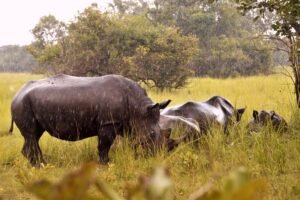
Day 3: Murchison Falls Game Drive and Nile Boat Safari
Begin the morning with breakfast before setting out for a game drive across the savannah areas of Murchison Falls National Park. Early morning usually provides excellent opportunities to search for wildlife while temperatures remain relatively cool.
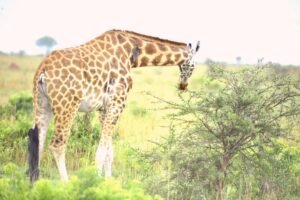
Your guide drives slowly through suitable wildlife areas, interpreting tracks, animal behavior, vegetation, birdlife, and the wider ecosystem. Giraffes are among the most recognizable animals in the park, while large elephant herds and buffalo groups may also provide memorable encounters.
Predators require patience and careful observation. Lions sometimes rest in open grasslands, beneath shrubs, or near areas frequented by antelopes. Leopards are naturally more elusive and cannot be guaranteed, but the possibility of seeing one adds excitement to every drive.
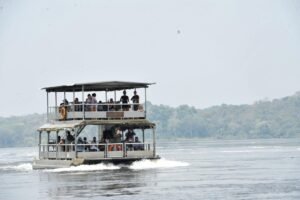
After the morning activity, return for lunch before preparing for a boat safari along the Nile. A river trip gives the safari a completely different character because wildlife can often be observed from the water.
Hippos commonly occupy sections of the river, crocodiles rest along the banks, elephants may approach the water, and numerous bird species move through the surrounding vegetation. The dramatic landscape near Murchison Falls creates one of the most memorable scenes of the journey.
Under the previously published UWA tariff card, the foreign non-resident park entrance fee for Murchison Falls was USD 45, while the launch trip toward the bottom of the falls was listed at USD 30. Since the UWA website now references 2026–2027 tariff changes, current amounts should be reconfirmed for the travel date.
Dinner and overnight at your selected lodge.
Day 4: Transfer from Murchison Falls to Kibale Forest
After breakfast, continue toward Kibale Forest National Park. This transfer is one of the longer road journeys on many Uganda safari circuits, but it also reveals a fascinating variety of countryside.
Depending on the chosen route, the journey passes farms, small communities, tea-growing areas, forests, hills, and western Uganda’s attractive rural landscapes. Stops can be arranged for lunch, refreshments, photography, or short breaks.
Kibale is famous for primates, with chimpanzee tracking representing the area’s main attraction. Visitors travel here from around the world because observing chimpanzees inside their natural tropical forest habitat offers a very different experience from watching large mammals on open savannahs.
Arrive at your lodge later in the day and enjoy time to relax. Properties around Kibale range from modest forest lodges to comfortable midrange camps and exclusive luxury accommodation.
A quiet evening prepares you for the following morning’s chimpanzee experience.
Day 5: Chimpanzee Tracking and Bigodi Area Experience
Wake early for breakfast before traveling to the appropriate briefing location for your chimpanzee tracking experience. Rangers explain forest guidelines, expected behavior, safety procedures, and what participants can anticipate during the trek.
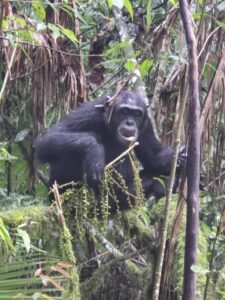
Once inside the forest, guests walk with trained guides while listening for chimpanzee calls and watching for movement through the canopy. The forest itself forms a major part of the experience. Massive trees, tangled vegetation, butterflies, birds, monkeys, insects, and constantly changing sounds create an environment that feels completely different from Uganda’s savannah parks.
Chimpanzees may be seen feeding, traveling, resting, communicating, grooming one another, or moving quickly between trees. Sightings differ each day because these are wild animals living freely in a natural ecosystem.
The detailed UWA 2024–2026 tariff card listed chimpanzee tracking in Kibale at USD 250 for a foreign non-resident, with the rate including the guide fee and park entrance associated with the activity. Travelers booking for the current period should confirm the applicable 2026–2027 price before finalizing their safari.
After completing the chimpanzee activity, return for lunch. An afternoon visit around the Bigodi area can be added to many itineraries. Local wetland and community experiences provide opportunities to observe birds, monkeys, rural life, and community conservation initiatives.
Finish the day with dinner at the lodge.
Day 6: Kibale to Queen Elizabeth National Park
Following breakfast, depart Kibale and continue toward Queen Elizabeth National Park. The route passes through beautiful western Uganda scenery, with sections of the Rwenzori landscape potentially visible when weather conditions allow.
Queen Elizabeth National Park offers a mixture of savannah, wetlands, lakes, crater landscapes, woodland, and wildlife habitat. Its position between major lakes and mountain ranges makes the region especially attractive for landscape photography.
Once inside the wider conservation area, visitors may encounter Uganda kobs, buffaloes, elephants, warthogs, waterbucks, baboons, and numerous bird species. Predators are present too, although sightings always depend on location, weather, animal movements, and patience.
After checking into your lodge and having lunch, an afternoon or evening game drive may be included. Sunset over the western Uganda landscape creates a beautiful end to the day.
Previously published UWA rates listed foreign non-resident entrance to Queen Elizabeth National Park at USD 40, with additional fees applying to certain activities. Current travel should be priced according to the tariff applicable at the time of booking.
Day 7: Queen Elizabeth Game Drive and Kazinga Channel Boat Safari
Start the morning with an early game drive in Queen Elizabeth National Park. Uganda kobs frequently attract attention because they gather in open areas and form part of the prey base for predators.
Elephants, buffaloes, warthogs, bushbucks, waterbucks, and other wildlife may also appear along the route. Bird enthusiasts should keep their cameras ready because the park and surrounding ecosystems support impressive bird diversity.
After returning to the lodge for breakfast or lunch, depending on the schedule, prepare for a boat safari on the Kazinga Channel. This natural channel connects Lake George and Lake Edward and supports abundant wildlife.
Hippos are a major attraction during the cruise. Large groups may be seen in the water while buffaloes, elephants, crocodiles, monitor lizards, waterbirds, and other wildlife appear along the shoreline.
Photography conditions can be excellent because the boat provides a stable viewpoint and wildlife may gather near the water during warm periods.
The previously published UWA tariff listed the Queen Elizabeth launch trip at USD 30 for a foreign non-resident. Travelers should verify current rates when confirming their journey.
After the cruise, return to the lodge or continue with an evening drive depending on your itinerary.
Day 8: Queen Elizabeth National Park to Bwindi Impenetrable National Park
Following breakfast, leave Queen Elizabeth National Park and travel south toward Bwindi Impenetrable National Park. Some itineraries pass through the Ishasha region, an area widely associated with Uganda’s famous tree-climbing lions.
Finding lions can never be guaranteed because wildlife movements remain unpredictable. Nevertheless, the region creates an exciting safari atmosphere, and the possibility of seeing lions resting in large fig trees makes the journey especially interesting.
As the road approaches Bwindi, the scenery changes dramatically. Savannah gives way to steep hills, farms, villages, plantations, and dense forest landscapes. The cooler highland atmosphere creates another sharp contrast with the previous national parks.
Bwindi is divided into different gorilla trekking areas, and accommodation should be booked in relation to the sector indicated on the traveler’s gorilla permit. Choosing a lodge far from the assigned briefing point can result in an unnecessarily long early-morning transfer.
Luxury properties near Bwindi may cost several hundred dollars or more per person per night, while comfortable midrange lodges offer excellent alternatives at lower prices. Budget accommodation is also available for guests who prioritize the gorilla experience rather than expensive rooms.
Settle into the lodge, enjoy dinner, and prepare trekking equipment for the next morning.
Day 9: Bwindi Impenetrable National Park
For many travelers, Day 9 becomes the emotional highlight of the entire Uganda safari. After an early breakfast, head to the designated park briefing point with suitable clothing, walking shoes, drinking water, a packed lunch if required, rain protection, and camera equipment.
Park officials and ranger guides explain gorilla trekking rules before visitors are organized according to the day’s arrangements. The trek then begins through Bwindi’s dense forest and mountainous terrain.
Walking conditions differ between gorilla families and seasons. Some groups may be located relatively close to the starting area, whereas others require a much longer walk across steep slopes, thick vegetation, muddy trails, or uneven ground.
Hiring a local porter
can make the experience more comfortable. Porters can help carry backpacks and provide assistance during difficult sections while earning income through tourism.
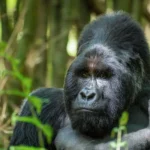
Once trackers locate the assigned gorilla family, visitors experience one of Africa’s most extraordinary wildlife encounters. Watching a mountain gorilla feeding quietly, observing a youngster climbing through vegetation, or seeing a powerful silverback resting nearby can create memories that remain long after the safari finishes.
The detailed UWA 2024–2026 tariff listed gorilla tracking in Bwindi and Mgahinga at USD 800 for foreign non-residents, USD 500 for travelers classified under the Rest of Africa category, USD 700 for qualifying foreign residents, and UGX 300,000 for the listed East African category. That tariff also stated that the gorilla permit included the guide fee, park entrance for the day, and a community development contribution. Because UWA now references 2026–2027 tariff changes, visitors should confirm the exact current rate before booking.
Uganda’s gorilla tourism also contributes to conservation and communities. UWA describes revenue-sharing initiatives around protected areas and notes that a portion connected with gorilla permits has historically supported communities neighboring Bwindi.
After trekking, return to the lodge for rest, dinner, and celebration.
Day 10: Bwindi to Entebbe
After breakfast, begin the return journey toward Entebbe. Depending on your chosen route and flight schedule, the trip may pass through Kabale, Mbarara, the Lake Mburo region, and central Uganda before reaching Kampala or Entebbe.
Travelers with an evening international departure should plan flight timing carefully because road journeys from southwestern Uganda can be long. In some safari arrangements, an additional night in Entebbe may provide greater comfort and reduce pressure on the final travel day.
Domestic flights can also shorten the journey. Travelers with a higher budget may choose scheduled flights between areas close to Bwindi and Entebbe, depending on available services and baggage restrictions.
Your guide assists with the final transfer to the airport, marking the end of an unforgettable 10-day Uganda safari.
Estimated Cost Breakdown for a 10-Day Uganda Safari
Understanding the separate components of the safari price makes it easier to see why different companies may provide different quotations.
Gorilla Trekking Permit
For travelers including Bwindi or Mgahinga, the gorilla permit usually represents one of the largest individual activity expenses. The detailed July 2024–June 2026 UWA tariff listed a foreign non-resident gorilla permit at USD 800.
Since current UWA information references new 2026–2027 tariff changes, Lena Tours recommends reconfirming the rate applicable to your exact trekking date before treating any published amount as final.
A standard gorilla trekking permit should never be confused with accommodation, transportation, porter fees, tips, or personal equipment. Those expenses normally fall outside the permit itself.
Chimpanzee Permit
Chimpanzee tracking is another significant activity cost for itineraries that include Kibale National Park. The earlier detailed tariff listed Kibale chimpanzee tracking at USD 250 for a foreign non-resident.
Guests seeking a deeper primate experience may consider chimpanzee habituation when available. Such experiences cost more and usually require additional time.
Accommodation Costs
Accommodation prices vary more than almost any other part of the safari. A budget lodge may provide a simple private room, mosquito net, hot shower, meals, and friendly service at a relatively affordable rate.
Midrange accommodation generally adds larger rooms, stronger locations, better furnishing, improved dining, attractive views, and more personalized service.
Luxury lodges focus heavily on location, privacy, design, room size, premium food, high staff-to-guest ratios, exclusive atmosphere, and additional services.
Across nine safari nights, accommodation can therefore make a difference of several thousand dollars per traveler.
A budget trip might average approximately USD 80–180 per person per night in safari areas depending on meal plans and room configuration. Midrange accommodation could average roughly USD 180–350 or more per person. Luxury properties may range from around USD 400 to over USD 1,000 per person per night, with certain exclusive lodges exceeding those levels.
These ranges remain general estimates rather than guaranteed room rates.
Safari Vehicle and Fuel
Road transportation is essential for most Uganda safaris. A typical private safari package uses a suitable 4×4 vehicle with a professional driver-guide.
The daily vehicle cost must cover more than fuel. Maintenance, insurance, tires, servicing, guide expenses, licensing, depreciation, park vehicle charges, communication, cleaning, operational support, and emergency preparation all contribute to the rate charged by a tour operator.
Groups often receive better value per person because several passengers share the same vehicle. A solo traveler carries the entire transportation cost alone, whereas a family or small group can divide it among several guests.
For this reason, a private safari for one person may appear surprisingly expensive when compared with a trip for four travelers sharing the same itinerary.
Park Entrance Fees
Uganda Wildlife Authority charges entrance fees at many protected areas, and the amount depends on the visitor category and park.
Using the earlier detailed tariff as an example, foreign non-resident adult entrance fees were listed at USD 45 for Murchison Falls National Park and USD 40 for Queen Elizabeth National Park.
Entrance charges may be based on periods of stay, and additional vehicle or activity fees can apply. Updated rates should therefore be checked when preparing an exact quotation.
Boat Safari Costs
Boat experiences are highly recommended in both Murchison Falls National Park and Queen Elizabeth National Park.
Earlier official pricing listed the Murchison Falls launch trip at USD 30 for a foreign non-resident and the Queen Elizabeth launch trip at USD 30.
Private boats, premium arrangements, specialized photography cruises, and additional services can cost more than standard scheduled experiences.
Meals
Most Uganda safari packages outside the main cities operate on full-board arrangements. Breakfast, lunch, and dinner may therefore be incorporated into the lodge price.
Drinks are often treated differently. Bottled water during safari drives may be included by a tour operator, while alcoholic beverages, premium soft drinks, specialty coffees, room-service orders, and personal purchases may remain the guest’s responsibility.
Visitors should always read the safari inclusions carefully rather than assuming every food and drink item forms part of the package.
Professional Safari Guide
A knowledgeable guide can completely change the quality of a Uganda safari. Professional guides do much more than drive between national parks.
They identify wildlife, interpret animal behavior, explain local culture, manage logistics, coordinate with lodges, monitor timing, communicate with rangers, suggest photography positions, assist with unexpected situations, and help visitors understand the landscapes they are exploring.
Choosing a safari based only on the cheapest possible vehicle rate may compromise one of the most important parts of the entire journey.
At Lena Tours, guiding is treated as an essential component of the safari experience rather than simply transportation from one lodge to another.
Example Cost for a Budget 10-Day Uganda Safari
A budget traveler does not necessarily need to sacrifice the main wildlife experiences. Careful accommodation selection and efficient routing can keep prices manageable while maintaining a rewarding itinerary.
An example budget safari for two travelers sharing accommodation and a private vehicle might fall around:
Estimated total: USD 2,800–4,000 per person.
The package may include nine nights of simple accommodation, meals according to the program, private 4×4 transportation, a professional driver-guide, park visits, selected boat trips, chimpanzee tracking, gorilla trekking, drinking water in the vehicle, and airport transfers.
Lower-cost accommodation makes the largest saving. Travelers can also reduce expenses by avoiding domestic flights, luxury lodges, optional premium activities, private boat charters, expensive room upgrades, and unnecessary detours.
Budget does not have to mean uncomfortable. Many locally owned Uganda safari lodges provide clean rooms, private bathrooms, good meals, friendly service, and beautiful surroundings without luxury-level prices.
Example Cost for a Midrange 10-Day Uganda Safari
Midrange safaris remain one of the most popular choices for international travelers because they balance comfort and price.
A typical estimate may be:
USD 4,000–6,500 per person.
Accommodation generally consists of established safari lodges with comfortable rooms, attractive views, good food, private bathrooms, reliable service, and convenient locations near national parks.
The package can include airport transfers, a private 4×4 vehicle, an English-speaking driver-guide, full-board safari accommodation, gorilla trekking, chimpanzee tracking, scheduled boat cruises, park entrance charges, game drives, bottled drinking water, and selected community experiences.
Couples, honeymooners, families, photographers, and small private groups commonly choose this category.
Example Cost for a Luxury 10-Day Uganda Safari
A luxury Uganda safari focuses on comfort, privacy, location, and personalized service.
Expect approximately:
USD 6,500–10,000+ per person.
However, there is effectively no fixed upper limit. Travelers booking the finest suites, charter flights, private aircraft, exclusive-use properties, premium vehicles, specialist guides, private boats, helicopter services, or highly personalized arrangements may spend far more.
Luxury accommodation near Bwindi can be especially expensive because of the remote location and high operating costs associated with maintaining premium standards in mountainous forest areas.
Top properties may offer fireplaces, private decks, large suites, spa treatments, excellent cuisine, personal hosts, laundry, exceptional views, and highly attentive service.
Domestic flights can reduce exhausting road transfers and allow visitors to spend more time at their lodges. For high-end guests with limited holiday time, this convenience may justify the additional cost.
Does Group Size Affect Safari Cost?
Yes. Group size has a major effect on per-person pricing.
Imagine that a safari vehicle and driver-guide cost a certain amount for 10 days. A solo guest carries almost the entire amount. Two visitors divide the cost between them, while four travelers spread it even further.
Accommodation may still be priced per person or per room, and individual permits remain payable for each participant. Nevertheless, transportation savings can significantly reduce the total rate per traveler.
Couples commonly receive better per-person value than solo guests. Families and groups of friends may achieve additional savings by sharing vehicles and, where suitable, family rooms.
Large groups require careful planning because several vehicles may become necessary, which can change the cost structure again.
How Much Does a Solo 10-Day Uganda Safari Cost?
Solo safaris offer freedom, flexibility, and privacy but usually carry a higher per-person price.
Depending on travel style, a solo traveler might spend approximately USD 3,500–5,000 for a budget-oriented private trip, USD 5,000–7,500 for a comfortable midrange experience, or well above USD 8,000 for luxury arrangements.
Single-room supplements also affect accommodation pricing. Many lodges price rooms assuming two guests will share, meaning a solo traveler pays more for occupying the room alone.
Joining a small scheduled departure can sometimes reduce expenses, although private safaris provide greater flexibility.
How Much Does a 10-Day Uganda Safari Cost for Two People?
Two-person safaris are extremely popular and work particularly well for couples, friends, or family members.
For two people sharing a room and safari vehicle, an approximate combined price might range from USD 5,600–8,000 for a budget trip, around USD 8,000–13,000 for midrange travel, and roughly USD 13,000–20,000 or more for luxury travel.
These estimates assume major wildlife activities are included. Final Lena Tours quotations are prepared according to exact travel dates and requirements.
How Much Does a 10-Day Uganda Safari Cost for a Family?
Family pricing depends on the children’s ages, chosen rooms, required vehicle size, activities, and permit eligibility.
Some lodges provide family cottages that can be more economical than purchasing multiple separate rooms. Other properties charge children according to specific age bands.
Parents should also remember that age requirements apply to certain primate activities. A family itinerary may therefore need alternative activities for younger children while older family members participate in gorilla or chimpanzee tracking.
Lena Tours can structure family safaris to minimize long road journeys, incorporate suitable accommodation, and provide activities appropriate for different ages.
Budget Accommodation Versus Luxury Accommodation
Choosing between budget and luxury safari lodges does not generally change the wildlife inside a national park. The same elephants, lions, chimpanzees, or gorillas live in the same ecosystems regardless of where a visitor sleeps.
What changes is the experience surrounding those wildlife activities.
Budget guests may stay farther from premium viewpoints, have simpler rooms, fewer facilities, basic furnishings, and more limited menus.
Midrange visitors usually receive a strong balance between location, room quality, food, and overall comfort.
Luxury properties invest heavily in atmosphere, architecture, service, privacy, cuisine, and experience design.
Travelers should therefore spend according to what matters most to them. Someone who spends nearly every daylight hour exploring may be perfectly satisfied with a comfortable midrange room. Another visitor may consider the lodge itself an important part of the holiday and therefore prefer luxury accommodation.
Are International Flights Included?
International flights are normally excluded from standard Uganda safari quotations unless clearly stated.
Travelers arrange flights from Europe, North America, Asia, the Middle East, Australia, or elsewhere to Entebbe International Airport and then join their local safari arrangements.
Airfares vary considerably according to departure city, airline, season, connection time, booking date, baggage allowance, and cabin class.
Because international airfare fluctuates independently of local safari costs, excluding it allows tour operators to provide clearer land-package pricing.
Are Uganda Visa Costs Included?
Visa and immigration costs are commonly excluded from safari prices unless specifically mentioned.
Entry requirements may change according to nationality and government policy, so travelers should check official immigration guidance before departure rather than relying on old blog posts.
Visitors planning to combine Uganda with Kenya and Rwanda may also investigate regional visa arrangements where applicable and available for their nationality.
Is Travel Insurance Included?
Travel insurance is usually excluded from standard safari packages.
Comprehensive insurance is strongly recommended because safari holidays involve international travel, remote destinations, costly permits, road transfers, wildlife activities, and accommodation reservations that may have strict cancellation conditions.
A good policy should be reviewed for medical care, evacuation, trip interruption, baggage, delays, cancellation, and activities such as gorilla trekking.
Travelers should examine policy terms carefully instead of assuming every safari-related situation is automatically covered.
How Much Should You Budget for Tips?
Tipping remains personal and generally depends on service quality.
Safari guides, lodge teams, trackers, rangers, porters, housekeeping staff, and other tourism workers may receive tips from guests who appreciate their service.
No single tipping amount applies to every traveler. Group size, safari length, destination, service level, and personal budget all influence the amount.
Bringing some smaller denomination notes or obtaining local currency can make tipping and personal purchases easier.
Porter Costs During Gorilla Trekking
Hiring a porter in Bwindi is highly recommended, especially for travelers carrying cameras, drinking water, rainwear, and other equipment.
The terrain can become steep, muddy, slippery, and physically demanding. A porter carries your daypack and may also provide a steady hand during difficult sections.
Beyond convenience, hiring a porter contributes directly to local livelihoods around the protected area.
Porter charges and gratuities generally remain separate from the gorilla permit unless a safari package explicitly includes them.
When Is the Cheapest Time to Take a Uganda Safari?
Safari prices can vary across the year. Some accommodation providers introduce lower-season rates during periods of reduced demand.
March to May and parts of October or November have traditionally experienced more rainfall in many areas, although climate patterns can vary and rainfall cannot be predicted precisely months in advance.
Travel during quieter periods may provide advantages beyond price. Parks sometimes feel less crowded, accommodation availability improves, and landscapes can appear beautifully green.
The trade-off is that forest trails may become muddy and road conditions can sometimes be more challenging.
Travelers focused mainly on reducing costs should ask Lena Tours about seasonal lodge offers rather than assuming every month carries the same price.
When Is the Most Expensive Time to Visit Uganda?
Periods associated with international holiday travel often attract stronger demand.
July, August, late December, early January, and other popular vacation periods may create higher occupancy at famous lodges. Gorilla permits and preferred accommodation can also sell out well in advance.
Booking late during a busy season may force travelers to choose more expensive properties simply because affordable rooms are no longer available.
Early planning provides a much wider selection.
Should You Book Gorilla Permits Early?
Yes. Gorilla trekking represents one of Uganda’s most sought-after tourism experiences.
Permit availability is limited because tourism around habituated gorilla families is carefully managed. Travelers with fixed international flight dates should therefore avoid waiting until the last moment.
Booking early also helps determine which Bwindi sector will form part of your itinerary and allows your tour company to select nearby accommodation.
Paying for accommodation before confirming the appropriate permit location can create logistical complications.
Is Gorilla Trekking Worth the Cost?
Travelers must make this decision according to their personal interests, although many visitors consider gorilla trekking the centerpiece of their Uganda journey.
The expense covers far more than simply entering a forest. Gorilla tourism supports protected-area management, conservation work, ranger operations, monitoring, guiding, and community-related benefits.
UWA states that communities neighboring protected areas benefit from revenue-sharing mechanisms, and funds associated with Bwindi-Mgahinga tourism have supported local development initiatives.
The experience itself offers something difficult to compare with a normal game drive. Standing quietly in an ancient forest while observing mountain gorillas at relatively close range can create an emotional connection with wildlife that many travelers remember for the rest of their lives.
Can You Remove Gorilla Trekking to Reduce the Safari Cost?
Yes. Travelers who are not interested in gorilla trekking can build a 10-day wildlife safari without Bwindi.
Removing the gorilla permit and reducing the amount of driving toward southwestern highland regions can lower the overall price.
A non-gorilla itinerary might focus on Murchison Falls National Park, Kibale, Queen Elizabeth National Park, Lake Mburo, Jinja, or other destinations depending on the visitor’s interests.
However, visitors traveling to Uganda specifically because of mountain gorillas should usually keep Bwindi in the program and instead save money through accommodation choices.
Can You Do Gorilla Trekking Without Chimpanzee Tracking?
Certainly. The two experiences are independent.
Some visitors want mountain gorillas but have little interest in chimpanzees. Others are passionate about primates and include both.
Removing chimpanzee tracking can reduce activity costs and may allow a shorter or differently structured visit to Kibale.
Nevertheless, combining both provides a fascinating comparison between Uganda’s great apes and their different forest behaviors.
Can You Add Golden Monkey Tracking?
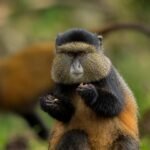
Travelers continuing to Mgahinga Gorilla National Park may add golden monkey tracking.
The earlier published UWA tariff listed golden monkey tracking at USD 60 for foreign non-residents and USD 50 for qualifying foreign residents, while specifying that park entrance was excluded.
A visit to Mgahinga may require an additional day depending on the existing itinerary. Extending the safari naturally increases accommodation, transportation, and guide costs.
How Much Should You Budget for Drinks and Personal Expenses?
Personal spending varies greatly.
Most travelers should budget for alcoholic drinks, premium beverages, souvenirs, laundry where excluded, tips, optional activities, snacks, personal shopping, and unexpected purchases.
Someone who rarely drinks alcohol and buys few souvenirs may spend very little. Another traveler visiting craft shops, ordering wine each evening, booking massages, and purchasing gifts may spend hundreds of dollars.
Keeping a separate personal-expense budget prevents confusion about what is included in the safari quotation.
Why Are Uganda Safari Vehicles Expensive?
Visitors sometimes compare safari vehicle prices with ordinary car rental and wonder why a 4×4 tour vehicle costs more.
A safari vehicle experiences demanding operating conditions. Long driving distances, rough roads, dust, national park tracks, remote destinations, steep terrain, and heavy daily use require constant maintenance.
Operators must also consider commercial insurance, licensing, replacement parts, tires, fuel, guide costs, mechanical support, depreciation, communication, and emergency preparation.
A reliable vehicle is not a luxury when guests are traveling hundreds of kilometers through remote parts of the country. Vehicle quality directly affects comfort and safety.
Road Safari Versus Flying Safari
A road safari usually provides better value and allows guests to see rural Uganda between destinations.
Driving reveals communities, farmland, towns, tea plantations, changing vegetation, roadside markets, and everyday life. These experiences provide context that visitors miss when flying directly from one park to another.
Flying saves time. High-end travelers or visitors with limited days may use domestic flights to connect Entebbe with areas serving major safari destinations.
Air transfers increase the cost but reduce long journeys. Some itineraries combine both approaches by driving through several parks and flying back to Entebbe after gorilla trekking.
What Is Usually Included in a Lena Tours 10-Day Safari?
Exact inclusions depend on the quotation, but a Lena Tours package can typically be structured to include private safari transportation, airport transfers, a professional driver-guide, accommodation, meals stated in the itinerary, park entrance fees, selected boat cruises, gorilla permits where requested, chimpanzee permits where requested, game drives, bottled drinking water during road travel, and the scheduled activities listed in the confirmed program.
Every quotation should clearly identify the inclusions before payment.
That transparency helps travelers compare packages accurately instead of comparing only the headline price.
What Is Usually Excluded?
Common exclusions may include international flights, visas, travel insurance, alcoholic drinks, premium beverages, personal shopping, laundry where not offered by the lodge, tips, optional activities, porter charges unless specified, excess baggage, telephone expenses, and services not listed in the itinerary.
Travelers should ask questions whenever an item appears unclear.
A cheaper quotation may simply exclude important activities that another company has already included.
Why Two Safari Quotations Can Be Very Different
Comparing safari quotations solely by the final number can be misleading.
One company may include a gorilla permit while another leaves it out. Another quotation might use budget accommodation outside the park, whereas the higher-priced version includes a premium lodge close to the activity.
Vehicle quality can differ too. Guide experience, meal plans, boat trips, park fees, drinking water, airport nights, room types, and optional activities all influence the final cost.
Before choosing a safari, compare each quotation line by line.
Look at the exact lodges, meal basis, vehicle arrangement, permits, park visits, activities, and excluded expenses.
Why Booking the Cheapest Safari Can Become Expensive
Choosing the lowest advertised price without understanding the package may lead to additional expenses later.
A cheap itinerary might exclude permits, park fees, meals, boat activities, airport accommodation, or essential transfers. Once these extras are added, the trip may cost more than a properly prepared package.
Extremely low prices can also involve unrealistic driving schedules or accommodation located far from planned activities.
Value should therefore matter more than the lowest number.
A well-designed safari should have logical routing, reliable transport, good guiding, confirmed accommodation, transparent pricing, and sufficient time for major experiences.
How Lena Tours Plans a 10-Day Safari
Planning begins with understanding the traveler.
Some guests care most about gorillas. Others want lions, elephants, birdwatching, photography, cultural encounters, chimpanzees, or luxury relaxation.
After identifying the main priorities, the route can be built around suitable destinations.
Accommodation is then selected according to budget and availability. Permits must be checked, vehicle requirements arranged, and realistic travel times incorporated into the program.
The final quotation should reflect the traveler’s actual preferences rather than forcing every guest into an identical package.
How Far in Advance Should You Book?
For a 10-day itinerary containing gorilla trekking, booking several months in advance is advisable.
High-season travelers may want to start even earlier, especially when requesting particular luxury lodges or specific Bwindi sectors.
Last-minute safaris are sometimes possible, but choices become limited.
Early bookings provide greater control over accommodation, room types, permits, internal flights, and the overall itinerary.
Can Lena Tours Customize the Safari?
Yes. A 10-day Uganda itinerary does not need to follow one fixed route.
Travelers may request more gorilla experiences, additional game drives, birdwatching, cultural visits, photography sessions, honeymoon arrangements, domestic flights, luxury lodges, family-friendly accommodation, or slower-paced travel.
Murchison Falls can be removed if visitors prefer to spend more time in southwestern Uganda. Lake Mburo may be added for walking activities and another savannah experience.
Jinja can also be incorporated for travelers interested in the Nile, adventure activities, relaxation, or a different side of Uganda.
Customization helps ensure that money is spent on experiences the traveler genuinely values.
How to Reduce the Cost of a 10-Day Uganda Safari
Several practical strategies can lower safari expenses without removing the most important experiences.
Travel with at least one other person so that vehicle costs can be shared. Select comfortable budget or moderate midrange accommodation instead of luxury properties. Travel during periods when lodges offer better rates. Book early enough to secure reasonably priced rooms. Avoid unnecessary domestic flights if road transfers are acceptable.
Travelers can also limit expensive optional activities. A safari already containing gorilla trekking, chimpanzee tracking, two boat cruises, and multiple game drives offers plenty of adventure.
Reducing lodge expense generally saves more than cutting meaningful wildlife experiences.
Should You Carry US Dollars or Uganda Shillings?
Both can be useful during a Uganda safari.
Major tourism services are often quoted in US dollars, particularly packages aimed at international travelers. Smaller personal expenses, local shops, tips, markets, and some community purchases may be easier in Uganda shillings.
Cash notes should generally be in good condition when travelers plan to exchange foreign currency.
Bank cards are accepted at many established hotels and lodges, although travelers should not depend entirely on card payments in remote locations.
What Type of Clothes Should You Budget For?
Travelers do not need expensive safari fashion.
Comfortable neutral-colored clothing, strong walking shoes, lightweight trousers, breathable shirts, rain protection, a warm layer for highland mornings, a hat, sunscreen, insect repellent, and a small backpack cover most situations.
Bwindi can be cool and wet compared with the savannah parks. Long trousers, sturdy footwear, gardening-style gloves, rainwear, and long sleeves can make gorilla trekking much more comfortable.
Visitors who already own hiking clothing may have almost no additional equipment expense.
Photography Costs
Ordinary wildlife photography is a major part of most Uganda safaris and does not require guests to purchase professional equipment.
A smartphone can capture excellent memories, particularly at lodges and during landscapes. Travelers interested in birds or distant wildlife may benefit from a camera with a longer zoom lens.
Professional photographers sometimes require additional vehicle space, charging equipment, extra batteries, beanbags, private vehicles, specialist guides, or dedicated photography arrangements.
Those requirements can increase safari costs.
Birdwatching on a 10-Day Uganda Safari
Uganda is a rewarding destination for bird enthusiasts because its forests, wetlands, savannahs, lakes, rivers, and highlands create varied habitats.
A general wildlife safari naturally produces many bird sightings, even without a specialist bird guide.
Serious birdwatchers may prefer slower itineraries and additional time in places such as Mabamba, Kibale, Bwindi, Queen Elizabeth, Murchison Falls, or other specialized birding locations.
Adding a dedicated birding guide may increase the price but greatly improve species identification and overall experience.
Is 10 Days Enough for Uganda?
Ten days provides an excellent introduction to Uganda.
The itinerary is long enough to combine several major destinations while remaining manageable for travelers with limited annual leave.
Visitors can enjoy savannah game drives, chimpanzee tracking, gorilla trekking, scenic road trips, boat safaris, and cultural experiences within one journey.
However, the route can feel active because Uganda’s major parks cover a large geographical area.
Guests who prefer slower travel may consider 12, 14, or 15 days.
Should You Extend the Safari Beyond 10 Days?
Adding two or three days creates more flexibility.
An extended journey could include Lake Mburo National Park, Mgahinga Gorilla National Park, Jinja, Mabamba Swamp, additional nights in Bwindi, golden monkey tracking, another chimpanzee experience, or additional relaxation.
Longer safaris reduce pressure from consecutive transfers and provide more opportunities for photography.
Naturally, extra accommodation nights, transport, meals, and activities increase the total cost.
Is a 10-Day Uganda Safari Suitable for Honeymooners?
Uganda works extremely well for adventurous honeymoons.
Couples can combine wildlife with private lodges, romantic dinners, forest views, boat trips, massage treatments, scenic flights, and intimate safari camps.
A honeymoon itinerary may use more comfortable accommodation and fewer long driving days.
Luxury upgrades can raise the price, although couples can choose midrange lodges for most nights and reserve luxury accommodation for Bwindi or another special destination.
Uganda Safari Cost for Photographers
Photographers often need more flexibility than ordinary safari travelers.
A private vehicle allows the guide to remain longer at interesting sightings rather than following a strict group schedule.
Early starts, extended game drives, carefully selected lodges, additional luggage space, charging facilities, and specialist guiding may affect the price.
Nevertheless, Uganda’s mixture of primates, savannah wildlife, landscapes, birds, and community scenes provides an exceptional range of photography opportunities within ten days.
Uganda Safari Cost for Senior Travelers
Age alone does not prevent someone from enjoying Uganda, but comfort considerations may change the budget.
Older travelers may prefer shorter road journeys, upgraded accommodation, easier room access, domestic flights, private vehicles, additional rest days, and porter support during forest activities.
For gorilla trekking, visitors should discuss mobility considerations before the trip so the tour operator can provide appropriate planning.
Spending slightly more on comfort may greatly improve the overall experience.
Uganda Safari Cost for Travelers With Limited Mobility
Travelers with mobility requirements should discuss their needs during the planning stage.
Certain game drives and boat safaris may be relatively accessible, while forest trekking presents greater physical challenges.
Vehicle configuration, lodge access, room position, bathroom design, walking distances, and support services require careful consideration.
Customized planning may increase costs but can create a much more comfortable experience.
Sustainable Safari Travel in Uganda
Safari tourism plays a major role in supporting conservation and communities when managed responsibly.
Protected-area fees contribute toward wildlife management, while tourism employment supports guides, lodge teams, drivers, craftspeople, farmers, porters, community enterprises, and many other local livelihoods.
UWA reports that it shares a portion of protected-area revenue with neighboring communities and has highlighted substantial revenue-sharing disbursements around Bwindi-Mgahinga.
Visitors can further support responsible tourism by respecting wildlife rules, minimizing plastic waste, purchasing locally produced crafts, hiring local porters, following ranger instructions, and treating communities respectfully.
Why Wildlife Sightings Are Never Guaranteed
No responsible tour operator can guarantee sightings of every animal.
National parks are natural ecosystems rather than zoos. Wildlife moves according to food, water, weather, breeding behavior, territorial activity, and countless other factors.
Professional guides improve the chances of finding animals through experience and careful observation, but nature always remains unpredictable.
This uncertainty is part of what makes safari encounters special.
Seeing a leopard after patiently searching for hours feels very different from viewing an animal in captivity.
What Makes Gorilla Trekking Different From a Game Drive?
Game drives cover large areas by vehicle and allow travelers to search for many wildlife species.
Gorilla trekking takes visitors into a dense mountain forest on foot.
The physical effort, anticipation, forest sounds, ranger guidance, changing terrain, and eventual encounter create a very personal wildlife experience.
Neither activity replaces the other.
Combining both is one of the main reasons Uganda stands out as a safari destination.
Why Chimpanzee Tracking Adds Value
Chimpanzees behave very differently from mountain gorillas.
They can move quickly through trees, communicate loudly, travel in groups, feed actively, and create an energetic forest atmosphere.
Kibale’s chimpanzee experience therefore adds another dimension to a Uganda primate safari.
For travelers interested in wildlife behavior and evolution, combining chimpanzees and gorillas provides a remarkable opportunity to observe two of our closest animal relatives within the same holiday.
Why Murchison Falls Is Worth Including
Murchison Falls introduces travelers to the northern part of Uganda’s traditional safari circuit.
Giraffes, elephants, buffaloes, antelopes, lions, hippos, crocodiles, birds, open savannah, and the Nile create varied experiences.
The combination of game drives and boat travel makes the park especially rewarding.
Removing Murchison reduces driving distance and cost, but visitors may miss one of Uganda’s most iconic landscapes.
Why Queen Elizabeth National Park Works Well in a 10-Day Itinerary
Queen Elizabeth National Park fits naturally between Kibale and Bwindi.
This location makes it ideal for travelers moving from chimpanzee tracking toward gorilla country.
The park provides traditional savannah wildlife, the Kazinga Channel, crater scenery, birds, elephants, buffaloes, hippos, and predator-viewing opportunities.
Its position improves the flow of the itinerary while adding a completely different ecosystem.
Why Bwindi Is Usually the Highlight
Bwindi represents more than a gorilla trekking destination.
The surrounding highlands feature steep green hills, farms, communities, forest edges, misty landscapes, and dramatic scenery.
The national park itself protects a remarkable forest ecosystem.
Visitors often arrive expecting only the gorillas and leave equally impressed by the forest environment, local communities, guides, porters, and landscapes.
Uganda Wildlife Authority continues to highlight Bwindi as a major conservation landscape for great apes.
Hidden Costs Travelers Should Consider
A well-prepared safari budget should include expenses beyond the main package price.
Visa fees, international flights, insurance, vaccinations or health preparations, personal medicines, tips, alcoholic drinks, souvenirs, extra nights, laundry, SIM cards, excess baggage, airport meals, passport expenses, travel equipment, and optional activities can increase the final holiday cost.
Leaving a small contingency fund is sensible.
Unexpected needs occasionally arise during international travel, and having financial flexibility reduces stress.
Questions to Ask Before Booking
Before confirming a Uganda safari, understand exactly which lodges will be used, whether the gorilla permit is included, whether chimpanzee tracking is included, what vehicle type is provided, which meals form part of the package, whether park entrance fees are covered, and whether airport transfers are included.
You should also confirm how many travelers share the vehicle, what happens if a lodge becomes unavailable, which cancellation conditions apply, and whether the quotation is per person or for the entire group.
Clear communication before payment prevents misunderstandings later.
Booking a 10-Day Uganda Safari With Lena Tours
Lena Tours can design your safari according to your budget, preferred travel dates, accommodation style, group size, and desired activities.
Start by providing the number of travelers, approximate arrival date, number of rooms required, accommodation preference, and main interests.
Travelers interested in gorilla trekking should mention it immediately because permit availability can influence the itinerary.
After receiving the required details, a suitable route can be prepared with accommodation options and an estimated package cost.
Once the itinerary and quotation are approved, permits, accommodation, transportation, and other services can be secured according to the agreed booking terms.
How Much Money Should You Budget in Total?
For a realistic 10-day Uganda safari that includes the country’s major wildlife experiences, international visitors should generally begin planning with the following broad figures:
Budget safari: approximately USD 2,800–4,000 per person.
Midrange safari: approximately USD 4,000–6,500 per person.
Luxury safari: approximately USD 6,500–10,000+ per person.
Those estimates exclude international flights unless otherwise specified and may change according to permits, accommodation, season, group size, exchange rates, transport arrangements, and official government or wildlife authority tariffs.
A couple planning a comfortable midrange safari might therefore prepare approximately USD 8,000–13,000 for the land safari itself, depending on accommodation and activities.
Luxury couples can easily spend USD 13,000–20,000 or considerably more.
Frequently Asked Questions About the Cost of a 10-Day Uganda Safari
How much does a 10-day safari in Uganda cost per person?
A typical 10-day safari may cost roughly USD 2,800–4,000 per person for budget travel, USD 4,000–6,500 for midrange arrangements, and USD 6,500–10,000 or more for luxury travel. Final prices depend on group size, accommodation, permits, travel dates, and activities.
Is gorilla trekking included in the price?
It depends on the package. Lena Tours quotations should clearly state whether the gorilla permit forms part of the safari price. Never assume it is included without checking.
Is chimpanzee tracking included?
Chimpanzee tracking may be included when the itinerary visits Kibale specifically for that activity. Confirm the inclusions before booking.
Does the safari price include hotels?
Most complete safari packages include accommodation stated in the program. The exact room category and meal plan should appear in your quotation.
Are meals included?
Safari lodges commonly provide meals according to full-board arrangements, particularly in remote national parks. Kampala and Entebbe arrangements may differ.
Are flights included?
International flights normally remain excluded. Domestic flights are only included when specifically listed.
Are tips included?
Tips are normally excluded because they remain discretionary.
Is Uganda expensive for tourists?
Uganda can accommodate several budgets. Gorilla trekking raises the cost of a primate-focused safari, but visitors receive access to an unusual combination of primates, savannah wildlife, landscapes, boat safaris, and cultural experiences.
Can I visit Uganda for less than USD 3,000?
It may be possible depending on trip length, group size, accommodation, and activities. A full private 10-day itinerary containing gorilla and chimpanzee permits becomes more difficult to keep below that level.
Can I spend more than USD 10,000 on a Uganda safari?
Absolutely. Premium lodges, private flights, specialist guides, luxury vehicles, private activities, and exclusive services can push the cost well beyond USD 10,000 per person.
Is a private safari better than a group safari?
Neither option is automatically better. Private safaris provide greater flexibility, whereas groups can reduce per-person transport costs.
How early should I book?
Several months in advance is advisable, particularly when gorilla permits and popular lodges are required.
Can Lena Tours organize airport pickup?
Airport transfers can be incorporated into the safari package when agreed during booking.
Can Lena Tours arrange budget and luxury options?
Yes. The itinerary can be designed around different accommodation levels and budgets.
Can the itinerary be changed?
Yes. A private 10-day safari can be customized according to interests, travel pace, accommodation preferences, and available permits.
Is a 10-Day Uganda Safari Worth the Money?
For travelers who value wildlife, landscapes, primates, nature, photography, and authentic African experiences, Uganda offers extraordinary diversity within a relatively compact country.
During ten days, visitors may watch elephants crossing a savannah, photograph giraffes under an African sunset, listen to chimpanzees calling through a rainforest, cruise past hippos along a river, search for lions across open plains, travel through beautiful highlands, and eventually stand inside Bwindi while observing mountain gorillas.
Few journeys combine so many contrasting environments within the same itinerary.
The price therefore reflects much more than accommodation and transportation. It covers access to protected landscapes, professional guiding, conservation activities, permits, wildlife experiences, road logistics, meals, park services, and the complex organization required to connect remote destinations successfully.
Final Thoughts:
So, how much does a 10-day safari cost in Uganda?
For most international travelers, the practical answer is approximately USD 2,800–4,000 per person for budget travel, USD 4,000–6,500 for a comfortable midrange safari, and USD 6,500–10,000 or more for luxury arrangements.
There is no universal price because Uganda safaris are highly customizable.
A traveler staying in simple lodges and sharing a vehicle will naturally pay less than a visitor booking premium suites, internal flights, and exclusive experiences. Gorilla trekking, chimpanzee tracking, park fees, boat cruises, transportation, accommodation, meals, and group size all contribute to the total.
Instead of asking only which Uganda safari is cheapest, consider which itinerary provides the best overall value for your travel goals.
A properly planned journey should give you enough time in each destination, comfortable accommodation within your budget, reliable transportation, knowledgeable guiding, transparent costs, and access to the wildlife experiences that inspired you to visit Uganda in the first place.
Whether your dream involves mountain gorillas in Bwindi, chimpanzees in Kibale, elephants beside the Nile, lions in Queen Elizabeth National Park, hippos along the Kazinga Channel, or a combination of them all, a 10-day safari provides enough time to experience some of Uganda’s most remarkable natural attractions.
Lena Tours can customize the itinerary around your exact group size, travel dates, accommodation preference, interests, and budget.
Because park tariffs, permit prices, hotel rates, transport expenses, exchange rates, and accommodation availability can change, travelers should request an updated quotation before making final travel decisions.
Explore Uganda with Lena Tours and discover why the Pearl of Africa remains one of the continent’s most rewarding wildlife destinations.
Website: www.lenatours.africa
Plan Your Safari with Lena Tours
Complete the enquiry form below and our safari specialists will prepare a personalised itinerary and quotation for your journey.