How Much Does a Safari in Uganda Cost?
Planning a safari in Uganda is exciting, but one of the first questions most travelers ask is, “How much does a safari in Uganda cost?” The answer depends on the length of the trip, accommodation category, number of travelers, destinations visited, activities included, transport choice, season of travel, and whether the itinerary includes premium experiences such as gorilla trekking or chimpanzee tracking. Uganda offers an unusually wide range of safari experiences, which means visitors can design anything from a relatively affordable wildlife holiday to an exclusive luxury journey using high-end lodges, private guides, domestic flights, and premium rooms.
As a broad guide, budget Uganda safaris may start at approximately US$300 per person per day, mid-range trips commonly average around US$425 per person per day, while luxury options can begin around US$700 per person per day and rise considerably depending on the lodges and transport arrangements. Private safaris generally cost more than group departures because the travelers using the vehicle share fewer of the fixed costs. These figures are general market estimates rather than fixed Lena Tours prices because every itinerary can be customized.
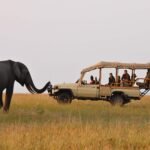
A safari in Uganda can include much more than conventional wildlife viewing. Visitors may track mountain gorillas in Bwindi Impenetrable National Park or Mgahinga Gorilla National Park, search for chimpanzees in Kibale National Park, watch elephants beside the Nile in Murchison Falls National Park, cruise the Kazinga Channel in Queen Elizabeth National Park, look for tree-climbing lions in Ishasha, walk among zebras in Lake Mburo National Park, track rhinos at Ziwa, explore the remote wilderness of Kidepo Valley National Park, enjoy birding excursions, meet communities, hike through tropical forests, or combine several of these activities in one holiday.
Understanding what influences the price makes it easier to choose a safari that suits both your travel expectations and available budget. Instead of simply searching for the cheapest package, travelers should compare what each itinerary includes. Accommodation standards, permit fees, meals, transportation, park entrance charges, professional guiding services, boat trips, airport transfers, vehicle quality, and the number of people sharing the tour can significantly affect the final price.
At Lena Tours, safari programs can be designed around the traveler’s preferred comfort level, destinations, interests, available time, and budget. Whether you want a short three-day wildlife adventure, a gorilla trekking holiday, a family safari, a honeymoon, or an extended Uganda journey lasting two weeks or longer, careful planning makes it possible to balance comfort and cost.
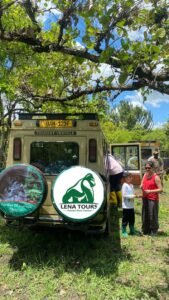
Average Cost of a Safari in Uganda
A useful starting point is to divide Uganda safaris into three broad categories: budget, mid-range, and luxury. SafariBookings currently gives general Uganda averages of around US$300 per person per day for a budget group safari, US$425 for a mid-range group safari, and US$700 for a luxury group safari. Private versions average more because vehicle and guiding expenses are shared among fewer travelers.
Budget Uganda Safari
A budget safari can generally cost from approximately US$250 to US$350 or more per person per day, depending on the itinerary. Travelers normally use clean but simple lodges, guesthouses, permanent tents, camps, or other reasonably priced accommodation. Transport usually involves a safari vehicle shared by two or more travelers, while meals, guiding services, park fees, and planned activities may be incorporated into the package.
Budget travel does not necessarily mean sacrificing wildlife experiences. A traveler staying in a simple lodge can see the same elephants, lions, giraffes, buffaloes, hippos, gorillas, and chimpanzees that luxury travelers see. The main difference usually concerns accommodation style, room size, location, meals, additional amenities, vehicle arrangements, and the level of exclusivity.
Camping sometimes reduces accommodation expenses further. However, travelers should compare what a low-cost package includes before making a decision. A surprisingly cheap quotation may exclude permits, park entrance charges, boat trips, drinking water, meals, airport transfers, or other expenses that eventually increase the actual trip cost.
SafariBookings estimates a typical budget Uganda safari from around US$300 per person per day, although actual packages vary significantly.
Mid-Range Uganda Safari
Mid-range safaris are among the most popular choices because they balance comfort, location, service, and price. Expect comfortable rooms, private bathrooms, attractive lodge settings, good meals, reliable service, and convenient access to Uganda’s major national parks.
A typical mid-range Uganda safari may fall between approximately US$350 and US$550 per person per day, although gorilla permits, domestic flights, private upgrades, and expensive lodges can push prices higher.
Travelers choosing this category often stay at established safari lodges overlooking forests, rivers, crater lakes, savannah plains, or national parks. Accommodation remains comfortable without reaching the exceptionally high prices charged by Uganda’s most exclusive properties.
For couples, small families, groups of friends, photographers, and first-time African safari travelers, mid-range accommodation often provides excellent value.
Luxury Uganda Safari
Luxury safaris commonly begin around US$600 to US$1,000 per person per day, with exclusive fly-in programs potentially exceeding that amount. SafariBookings gives a similar estimate for luxury Uganda travel and notes that remote locations, premium accommodation, private transportation, and flights can substantially influence the total.
Luxury does not only mean having an expensive room. Premium safaris frequently include exceptional locations, personalized service, stylish cottages or suites, gourmet meals, private guiding, scenic flights, spacious safari vehicles, special activities, spa treatments, private dining, laundry services, and carefully planned transfers.
Bwindi contains several exclusive forest lodges where guests can stay close to gorilla trekking trailheads. Queen Elizabeth National Park, Murchison Falls, Kibale, Lake Mburo, and Kidepo also provide premium accommodation options.
For honeymooners, photographers, anniversary travelers, families celebrating special occasions, or visitors who want a highly personalized holiday, luxury travel can transform the journey into a more private experience.
Why Uganda Safari Prices Vary
Two tourists can travel through the same national parks and still pay very different prices. Several elements determine the final safari cost.
Number of Days
Safari duration has an obvious effect on the total. A three-day safari costs considerably less overall than a 14-day journey because travelers need fewer nights of accommodation, meals, park visits, activities, and guide days.
Longer trips can nevertheless provide better value per day. Certain fixed expenses, especially airport transfers and vehicle positioning, become spread across more travel days. Visitors also avoid trying to cover large distances too quickly.
Uganda rewards slower travel. The country’s safari regions stretch from Murchison Falls in the northwest to Kidepo in the northeast and the gorilla forests in the southwest. Combining numerous locations requires enough time for road transfers and activities.
Number of Travelers
The number of travelers sharing a vehicle strongly affects the price per person. Fuel, driver-guide charges, vehicle rental, and several transport-related expenses remain almost the same whether two or four travelers occupy the safari vehicle.
Consequently, a couple traveling privately may pay more per person than four friends traveling together.
Solo travelers frequently have the highest per-person cost because they cannot divide vehicle expenses with companions. They may also pay single-room supplements at certain lodges.
Families and groups can often receive attractive overall rates because transportation expenses are distributed among more guests.
Gorilla Trekking and Its Effect on Safari Cost
Gorilla trekking is one of Uganda’s most celebrated tourism experiences, and it also has a major influence on the safari budget.
Uganda’s mountain gorillas live primarily in Bwindi Impenetrable National Park and Mgahinga Gorilla National Park. Visitors join trained guides and rangers before hiking through the forest in search of a habituated gorilla family.
Recent UWA tariffs priced a standard gorilla trekking permit for a foreign non-resident at US$800 per person. Uganda Wildlife Authority’s official website now also references tariff changes for 2026–2027, so travelers should always confirm the applicable permit price for their actual travel dates before completing payment.
The permit represents only one part of the gorilla safari price. Visitors also need transportation to Bwindi or Mgahinga, accommodation, meals, guide services, and sometimes porter services.
A three-day gorilla trekking package is therefore more expensive than a similar three-day savannah safari.
Nevertheless, many travelers consider gorilla trekking the highlight of their Uganda holiday. Standing quietly in the rainforest while a mountain gorilla family feeds, rests, plays, and interacts at close range creates an experience that conventional game viewing cannot replicate.
Chimpanzee Tracking Cost in Uganda
Chimpanzee tracking provides another important primate experience. Kibale National Park is Uganda’s best-known destination for chimpanzee encounters, although other opportunities exist in places such as Budongo Forest, Kalinzu, Kyambura Gorge, and several forest reserves.
Chimp tracking permits, transport, accommodation, guiding services, and park arrangements all contribute to the total price. When combined with gorilla trekking, chimpanzee tracking can noticeably increase a safari quotation.
However, including both species gives travelers a fascinating comparison between Uganda’s great apes. Gorillas tend to move calmly through dense vegetation, while chimpanzees can be energetic, vocal, and highly mobile.
A popular Uganda primate itinerary therefore combines Kibale National Park and Bwindi Impenetrable National Park, sometimes adding Queen Elizabeth National Park between them.
Accommodation and Uganda Safari Prices
Where you sleep each night can account for a large part of the total safari budget. Uganda has developed accommodation for many travel styles.
Budget Lodges
Budget accommodation usually provides the essentials: a comfortable bed, mosquito protection where required, a private or shared bathroom depending on the property, breakfast, and access to the destination.
Many inexpensive lodges are family-run businesses that offer warm Ugandan hospitality. Some occupy surprisingly beautiful locations.
Travelers should not assume every budget property is uncomfortable. Permanent tented camps and simple cottages can provide excellent stays while helping guests control costs.
Mid-Range Lodges
Mid-range safari lodges often provide spacious en-suite rooms, hot showers, restaurants, comfortable lounges, attractive gardens, balconies, and excellent views.
Locations close to national parks reduce morning transfer times and allow visitors to spend more hours enjoying activities instead of commuting.
Depending on the destination and season, a mid-range double room might cost considerably more than a budget room, but many travelers consider the comfort worthwhile.
Luxury Lodges
Luxury properties can become one of the largest components of a high-end safari price. Premium rooms, exceptional locations, highly personalized service, small guest numbers, swimming pools, fine dining, private terraces, fireplaces, spa treatments, and other features contribute to the cost.
Some luxury properties charge hundreds or even more than a thousand dollars per room per night during certain seasons.
For travelers who value experience and privacy over simply having somewhere to sleep, these lodges can become part of the safari attraction itself.
Transportation Costs
Uganda is a relatively compact East African country, but safari destinations remain separated by considerable distances. Transportation therefore plays an important role in the final budget.
Most private safaris use either a customized safari van or a 4×4 Land Cruiser. Land Cruisers usually cost more because purchasing, maintaining, insuring, and fueling them is expensive. Their strength and ground clearance make them particularly suitable for rough park roads and remote destinations.
Fuel costs also matter. A 10-day safari covering Entebbe, Murchison Falls, Kibale, Queen Elizabeth, Bwindi, and Lake Mburo may involve well over a thousand kilometers of driving.
Rather than viewing transfer days as lost time, travelers should remember that Uganda’s countryside forms part of the experience. Journeys pass through villages, tea plantations, wetlands, forests, crater landscapes, mountains, trading centers, and agricultural areas.
Domestic Flights
Travelers who want to reduce long road journeys can use domestic flights between Entebbe and selected safari regions.
Flying generally increases the cost but saves time.
For example, traveling by road from Entebbe to Bwindi can take most of a day depending on the sector, traffic, weather, and road conditions. A scheduled flight to a nearby airstrip dramatically shortens the journey, although a vehicle transfer is still required between the airstrip and lodge.
Luxury safari programs frequently combine scheduled or charter flights with private safari vehicles at each destination.
Park Entrance Fees
National park entrance fees form another component of safari pricing. Uganda Wildlife Authority manages many of the country’s major protected areas, including Murchison Falls, Queen Elizabeth, Bwindi, Mgahinga, Kibale, Kidepo, Lake Mburo, Rwenzori, Mount Elgon, and Semuliki.
Charges vary depending on visitor category, park, vehicle, activity, and sometimes length of stay.
Travelers should understand that park entrance and special activities may be charged separately. An entry fee does not automatically cover every game drive, boat cruise, primate permit, nature walk, or specialized wildlife activity.
Uganda Wildlife Authority also states that tariff fees may change, making it important to reconfirm applicable charges when booking a future safari.
Boat Safari Costs
Boat safaris provide a different perspective from traditional vehicle game drives.
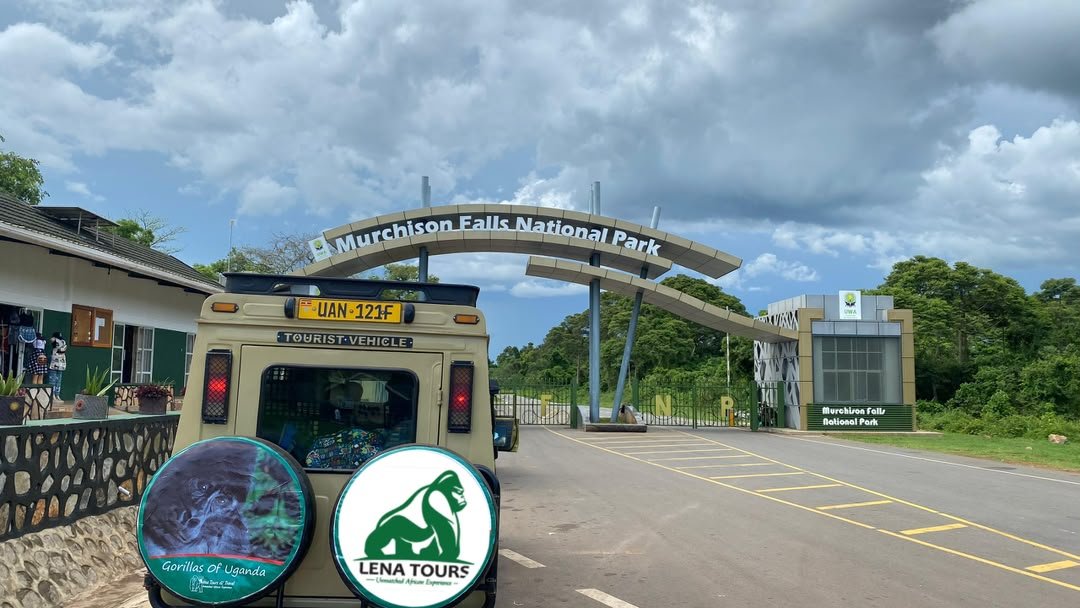
One of Uganda’s most famous boat experiences runs along the Nile in Murchison Falls National Park. Travelers commonly see hippos, Nile crocodiles, elephants, buffaloes, waterbucks, numerous water birds, and other wildlife before approaching the powerful waterfall.
Queen Elizabeth National Park offers another outstanding cruise along the Kazinga Channel, a natural waterway connecting Lake George and Lake Edward. Large numbers of hippos live in the channel, while elephants, buffaloes, monitor lizards, crocodiles, antelopes, and birdlife can often be seen along the shoreline.
Because boat trips require separate bookings and payments, they add to safari costs. Nevertheless, including them creates a more diverse wildlife experience.
Game Drive Costs
A Uganda safari would feel incomplete without game drives through open savannah.
During early morning or evening excursions, visitors search for lions, leopards, elephants, buffaloes, giraffes, antelopes, warthogs, hyenas, jackals, and other wildlife.
Game drive costs are usually built into a professionally organized safari quotation. Fuel, safari vehicle usage, guiding expenses, park entry charges, and sometimes ranger fees influence the amount.
A private safari provides greater flexibility because guests can spend longer photographing animals, request earlier departures, or focus on particular species.
Food and Meals
Meals also contribute to safari pricing.
Many Uganda safari lodges operate on a full-board basis, particularly inside or near national parks. Full board normally includes breakfast, lunch, and dinner.
Travelers may receive packed lunches on days involving long game drives, primate treks, or transfers.
Premium beverages, imported wines, spirits, special coffees, and snacks may not be included unless the lodge offers an all-inclusive plan.
Before booking, travelers should therefore check whether their safari price covers breakfast only, half board, full board, or all-inclusive meals.
Seasonal Differences
Uganda can be visited throughout the year, although travel seasons affect lodge availability and sometimes price.
The drier periods around June to August and December to February are particularly popular because road conditions can be easier and trekking trails generally less muddy. Demand often increases during these months.
Travel during wetter periods may occasionally provide lower accommodation rates, greener scenery, dramatic skies, excellent photography, fewer vehicles in some parks, and good birdwatching opportunities.
Rain should not automatically discourage visitors. Tropical showers can be brief, and wildlife activities generally continue unless conditions become unsafe.
Sample Uganda Safari Costs by Length
The following figures provide broad planning estimates rather than fixed Lena Tours quotations.
3-Day Wildlife Safari
A three-day safari to destinations such as Murchison Falls or Queen Elizabeth National Park may cost roughly US$800 to US$1,500+ per person, depending on accommodation and group size.
Current market listings show three-day mid-range Murchison itineraries around US$900 to US$1,200 per person in some cases, demonstrating how accommodation, operator, and inclusions influence the final total.
3-Day Gorilla Trekking Safari
A three-day gorilla safari may begin around US$1,200 to US$1,700+ per person for budget or modest mid-range arrangements and can rise above US$2,000 with premium accommodation, flights, or private upgrades.
The gorilla permit forms a substantial portion of the price.
5-Day Uganda Safari
A five-day itinerary might range from approximately US$1,500 to US$3,500+ per person, depending on whether gorilla trekking is included.
Combining Queen Elizabeth National Park with Bwindi is particularly popular.
7-Day Uganda Safari
Seven-day tours combining wildlife and primates frequently fall around US$2,400 to US$3,000 per person for budget-to-mid-range travel, according to current market benchmarks. Luxury versions can begin above US$4,500.
10-Day Uganda Safari
A comprehensive 10-day trip could cost roughly US$3,500 to US$7,500+ per person. Luxury packages using premium lodges and flights can exceed these figures.
14-Day Uganda Safari
Current Uganda market estimates indicate that budget two-week safaris can start around US$4,000 per person, with mid-range trips roughly around US$4,500 to US$5,000 and luxury itineraries often beginning above US$8,000. The exact amount depends heavily on permits, lodge selection, route, group size, and included activities.
Detailed Itinerary 1: 3-Day Murchison Falls Safari
Day 1: Entebbe or Kampala to Murchison Falls via Ziwa
Your Lena Tours driver-guide collects you from Entebbe or Kampala after breakfast and begins the journey toward northwestern Uganda. The landscape gradually changes as you leave the busy capital region and enter rural communities dominated by farms, wetlands, wooded grasslands, and small trading centers.
A stop can be arranged at Ziwa Rhino Sanctuary for rhino tracking. Accompanied by trained guides, you walk through the sanctuary while learning about rhino conservation. Seeing these enormous animals on foot provides an impressive beginning to the safari.
Following lunch, continue toward Murchison Falls National Park.
Depending on arrival time, travelers may proceed to the top of Murchison Falls. Here, the Nile forces its enormous volume of water through a narrow rocky gorge before exploding downstream in a dramatic display of power.
Dinner and overnight follow at the selected budget, mid-range, or luxury lodge.
Day 2: Game Drive and Nile Boat Safari
Wake before sunrise and enjoy breakfast before beginning an early morning game drive.
The northern savannah provides opportunities to see elephants, giraffes, buffaloes, Uganda kobs, hartebeests, oribis, waterbucks, warthogs, baboons, hyenas, and several other species. Lions may sometimes be found resting in the grass or hunting across the plains, while lucky visitors occasionally encounter leopards.
After several hours of wildlife viewing, return for lunch and some relaxation.
During the afternoon, board a boat on the Nile and cruise toward Murchison Falls.
Large pods of hippos occupy the river, Nile crocodiles rest along the banks, and elephants frequently approach the water to drink. Birdlife is extremely diverse, making the cruise rewarding even when large mammals remain away from the shoreline.
Return to your lodge before sunset for dinner.
Day 3: Return to Kampala or Entebbe
After breakfast, begin the drive south.
Depending on timing, additional wildlife can be seen while leaving the park.
The journey ends in Kampala or Entebbe, where your Lena Tours guide drops you at your hotel or Entebbe International Airport.
Estimated Price
A private three-day Murchison safari may start from roughly US$850–US$1,200 per person for two travelers using budget to mid-range accommodation, with higher prices applying to luxury lodging, private upgrades, premium rooms, or additional activities.
Detailed Itinerary 2: 3-Day Gorilla Trekking Safari in Bwindi
Day 1: Entebbe to Bwindi Impenetrable National Park
After an early breakfast, meet your Lena Tours driver-guide and begin the scenic drive toward southwestern Uganda.
The journey introduces travelers to Uganda’s beautiful countryside. Banana plantations, papyrus wetlands, cattle farms, rolling hills, roadside markets, and rural communities create constantly changing scenery.
Stop around the Uganda Equator for photographs and refreshments before continuing toward the highlands.
Lunch is taken en route.
By evening, arrive near Bwindi Impenetrable National Park and check into your selected lodge.
Dinner is served while you prepare for one of Africa’s great wildlife experiences.
Day 2: Gorilla Trekking
Wake early, eat a good breakfast, and transfer to the appropriate park headquarters.
Uganda Wildlife Authority rangers provide a briefing covering trekking procedures, expected behavior around gorillas, forest safety, and conservation rules.
Groups then enter the forest accompanied by professional trackers.
The hike can last anywhere from a relatively short period to several hours because gorillas move naturally through the forest.
Bwindi itself makes the trek memorable. Huge trees, tangled vines, ferns, butterflies, birds, monkeys, streams, and mist-covered slopes create a beautiful environment.
Eventually, your ranger signals that the gorillas are nearby.
Meeting mountain gorillas in their natural habitat often becomes one of the most emotional moments of an African holiday. Visitors may watch adults feed quietly, juveniles play, mothers care for infants, or a silverback rest near his family.
After completing the permitted viewing period, walk back through the forest and return to your lodge.
The rest of the day can be spent relaxing or joining an optional cultural experience.
Day 3: Bwindi to Entebbe
Enjoy breakfast before beginning the drive back toward Kampala or Entebbe.
Stop for lunch and photography during the journey.
Arrival normally occurs in the evening depending on road conditions and the Bwindi sector used.
Estimated Price
For two travelers, a three-day Uganda gorilla safari can commonly begin around US$1,300–US$1,800+ per person, depending on accommodation, transport, season, permit cost, and departure location.
Luxury properties or domestic flights can raise the package above US$2,000 or considerably higher.
Detailed Itinerary 3: 5-Day Queen Elizabeth and Bwindi Safari
Day 1: Entebbe to Queen Elizabeth National Park
Leave Entebbe after breakfast and travel west.
Pause at the Equator before continuing through Uganda’s changing countryside.
After lunch, continue toward Queen Elizabeth National Park.
The Rwenzori Mountains may appear in the distance on clear days, creating a spectacular backdrop.
Check into your lodge for dinner and overnight.
Day 2: Game Drive and Kazinga Channel
Begin early with a morning game drive across the Kasenyi Plains.
Uganda kobs gather in large numbers here, attracting predators.
Look for lions, elephants, buffaloes, warthogs, waterbucks, hyenas, and occasionally leopards.
Return for lunch before transferring to the Kazinga Channel.
The afternoon boat safari frequently provides close views of hippos, elephants, buffaloes, crocodiles, and water birds.
Dinner and overnight follow at your lodge.
Day 3: Ishasha and Transfer to Bwindi
After breakfast, drive south through Queen Elizabeth National Park toward Ishasha.
The sector is famous for lions that sometimes rest in large fig trees.
Search the plains and woodland for these unusual cats as well as topis, buffaloes, elephants, antelopes, and other animals.
After lunch, continue toward Bwindi.
Arrive before evening, check into your forest lodge, and prepare for gorilla trekking.
Day 4: Gorilla Trekking
Transfer to the trekking headquarters early.
Following the briefing, enter Bwindi with rangers and trackers.
Once your assigned gorilla family has been located, experience a remarkable encounter before hiking back to the starting point.
Return to the lodge and relax.
Day 5: Return to Entebbe
After breakfast, depart Bwindi and return to Entebbe.
Lunch and refreshment stops break up the long drive.
Arrival occurs in the evening.
Estimated Price
A five-day mid-range private safari for two travelers combining Queen Elizabeth National Park and gorilla trekking could broadly fall around US$2,000–US$3,000+ per person.
The exact Lena Tours quotation would depend on the chosen lodge category, gorilla permit rate, season, room arrangement, and included activities.
Detailed Itinerary 4: 7-Day Uganda Wildlife, Chimpanzee and Gorilla Safari
Day 1: Entebbe to Kibale National Park
Begin the adventure after breakfast with a drive west toward Fort Portal and Kibale.
The countryside becomes increasingly green as you approach Uganda’s tea-growing regions.
Stop for lunch before continuing to the lodge.
Spend the evening relaxing near the forest.
Day 2: Chimpanzee Tracking
After breakfast, proceed to the chimpanzee tracking briefing point.
Rangers explain forest regulations before leading visitors beneath Kibale’s tall canopy.
Chimpanzees can be heard long before they are seen. Their pant-hoots, screams, drumming sounds, and calls echo through the forest.
Once located, visitors observe the group according to park regulations.
After the trek, return to the lodge for lunch.
An optional Bigodi Wetland walk can be arranged during the afternoon.
Day 3: Kibale to Queen Elizabeth National Park
Leave Kibale after breakfast.
The route passes crater lakes and scenic countryside before descending toward Queen Elizabeth National Park.
Enjoy lunch, check into the lodge, and later join an evening game drive.
Day 4: Game Drive and Kazinga Channel
Rise early for wildlife viewing on the Kasenyi Plains.
Search for lions, elephants, buffaloes, Uganda kobs, waterbucks, warthogs, and other mammals.
After lunch, enjoy the Kazinga Channel boat safari.
Hundreds of hippos may be visible around the channel, while elephants and buffaloes often gather along the banks.
Day 5: Ishasha to Bwindi
Travel through the southern Ishasha section while searching for tree-climbing lions.
Continue into the green highlands surrounding Bwindi.
Settle into the lodge, enjoy dinner, and prepare for the following day’s trek.
Day 6: Gorilla Trekking
After an early breakfast, report to the park headquarters for your gorilla trekking briefing.
Enter the forest alongside guides.
The duration depends on where the gorillas have moved.
Once they are found, enjoy the regulated viewing time with the habituated family.
Later, return to the lodge and spend the evening relaxing.
Day 7: Return to Entebbe
Leave Bwindi after breakfast.
Travel through southwestern and central Uganda, stopping for lunch and photographs.
Your safari concludes in Entebbe or Kampala.
Estimated Cost
A seven-day Uganda safari combining chimpanzees, wildlife viewing, boat cruising, and gorilla trekking often falls around US$2,400–US$3,500+ per person for budget-to-mid-range arrangements. Existing market benchmarks put many seven-day budget-to-mid-range trips with gorilla and chimpanzee trekking in the region of US$2,400 to US$3,000 per traveler.
Detailed Itinerary 5: 10-Day Best of Uganda Safari
Day 1: Arrival in Entebbe
A Lena Tours representative welcomes you at Entebbe International Airport.
Transfer to your hotel and relax after the flight.
Depending on arrival time, an optional Entebbe excursion can be organized.
Day 2: Entebbe to Murchison Falls
Drive north toward Ziwa for rhino tracking.
Continue to Murchison Falls National Park after lunch.
Visit the top of the falls if time permits.
Overnight near or inside the park.
Day 3: Murchison Game Drive and Boat Cruise
Begin with an early morning game drive across the northern plains.
Look for lions, giraffes, elephants, buffaloes, hartebeests, Uganda kobs, oribis, and other animals.
After lunch, cruise along the Nile toward the falls.
Spend a second night at Murchison.
Day 4: Murchison to Kibale
Depart after breakfast and travel toward western Uganda.
This is a longer transfer day, but the beautiful countryside makes the journey rewarding.
Arrive at your Kibale lodge in the evening.
Day 5: Chimpanzee Tracking
Enter Kibale Forest for chimpanzee tracking.
Watch the apes as they feed, communicate, climb, groom, and move through the forest.
After lunch, relax or visit Bigodi Wetland.
Day 6: Kibale to Queen Elizabeth
Travel toward Queen Elizabeth National Park.
Enjoy an afternoon or evening game drive depending on arrival time.
Overnight near the park.
Day 7: Game Drive and Kazinga Channel
Start with an early Kasenyi game drive.
Return for lunch.
Spend the afternoon cruising along the Kazinga Channel.
Day 8: Ishasha to Bwindi
Travel through Ishasha in search of tree-climbing lions.
Continue to Bwindi.
Relax at the forest lodge in preparation for gorilla trekking.
Day 9: Gorilla Trekking
Enter Bwindi with professional UWA rangers.
Search for your allocated gorilla family before spending the regulated viewing period observing them.
Return to the lodge.
Day 10: Return to Entebbe
Depart the forest after breakfast and travel back toward Entebbe.
Stop at the Equator for photographs, refreshments, and souvenir shopping.
Continue to the airport or your hotel.
Estimated Cost
A 10-day trip of this nature can generally cost around US$3,500–US$5,500+ per person for budget to comfortable mid-range travel.
Luxury accommodation, private flights, upgraded vehicles, premium rooms, and additional activities can increase the total considerably.
Detailed Itinerary 6: 14-Day Ultimate Uganda Safari
Day 1: Arrival in Entebbe
Arrive at Entebbe International Airport, where your Lena Tours representative welcomes you.
Transfer to your hotel for dinner and rest.
Day 2: Ziwa and Murchison Falls
Leave Entebbe after breakfast and drive north.
Track rhinos at Ziwa before continuing to Murchison Falls.
Visit the top of the falls.
Day 3: Murchison Game Drive and Nile Cruise
Explore the northern savannah during an early game drive.
Return for lunch before taking an afternoon cruise on the Nile.
Day 4: Murchison to Kibale
Drive south toward Kibale National Park.
Enjoy Uganda’s rural scenery before arriving near the forest.
Day 5: Chimpanzee Tracking
Enter Kibale for a guided chimpanzee experience.
During the afternoon, visit Bigodi Wetland or relax.
Day 6: Queen Elizabeth National Park
Drive south toward Queen Elizabeth.
Enjoy an afternoon game drive.
Day 7: Kasenyi and Kazinga Channel
Search for wildlife during the morning.
Later, cruise along the Kazinga Channel.
Day 8: Ishasha Sector
Travel toward Ishasha and spend time searching for tree-climbing lions.
Overnight inside or near the sector.
Day 9: Bwindi Impenetrable National Park
Continue toward Bwindi.
Arrive at the lodge and enjoy the cool mountain atmosphere.
Day 10: Gorilla Trekking
Spend the morning or much of the day tracking mountain gorillas.
Return to the lodge after the trek.
Day 11: Bwindi to Lake Bunyonyi
Travel toward Lake Bunyonyi.
The lake’s islands and terraced hills make it one of southwestern Uganda’s most scenic places.
Spend the afternoon resting, canoeing, or enjoying the views.
Day 12: Lake Bunyonyi to Lake Mburo
Continue toward Lake Mburo National Park.
Join an evening game drive and search for zebras, impalas, elands, buffaloes, warthogs, topis, and other wildlife.
Day 13: Lake Mburo Safari
Take an early morning nature walk or game drive.
Depending on your program, additional activities may include horseback riding, cycling, or a boat trip.
Relax at your lodge during the afternoon.
Day 14: Lake Mburo to Entebbe
Leave after breakfast.
Stop at the Equator before continuing toward Entebbe.
Your Lena Tours guide transfers you to your hotel or the international airport.
Estimated Cost
Current market benchmarks suggest that a 14-day Uganda itinerary can start around US$4,000 per person for budget travel, with many mid-range options in the region of US$4,500–US$5,000, while high-end trips may start around US$8,000 or more.
How Much Does a Uganda Safari Cost for Two People?
Couples frequently ask whether traveling together dramatically reduces the safari price.
It often does.
Vehicle and guiding expenses can be divided between two guests instead of being paid entirely by one solo traveler. Double-room rates can also offer better value than single occupancy.
For two travelers, the approximate combined cost might look like this:
| Safari | Approximate Cost for 2 People |
|---|---|
| 3-day budget wildlife safari | US$1,600–US$2,200+ |
| 3-day mid-range wildlife safari | US$1,900–US$2,700+ |
| 3-day gorilla safari | US$2,600–US$3,600+ |
| 5-day wildlife and gorilla safari | US$4,000–US$6,000+ |
| 7-day primate and wildlife safari | US$4,800–US$7,000+ |
| 10-day complete Uganda safari | US$7,000–US$11,000+ |
| 14-day mid-range safari | US$9,000–US$12,000+ |
These ranges are for planning purposes. They should not be considered fixed Lena Tours quotations.
How Much Does a Luxury Uganda Safari Cost?
Luxury Uganda safaris can range from approximately US$600 to more than US$1,000 per traveler per day. Highly exclusive fly-in itineraries may exceed those figures.
The final amount depends on the properties chosen.
A luxury guest may stay in beautiful suites overlooking Bwindi Forest, enjoy private dining after gorilla trekking, fly between national parks, use a private Land Cruiser, request professional photographic guiding, arrange massage treatments, or add private cultural activities.
Someone spending US$10,000 on a Uganda holiday is therefore not necessarily undertaking a much longer journey than a traveler spending US$5,000. The difference could instead result from premium accommodation and transportation.
How Much Does a Budget Uganda Safari Cost?
For travelers determined to control costs, a budget safari can begin at roughly US$300 per person per day, according to current general industry estimates.
Several strategies can help keep the total manageable.
Travel with another person or a small group, so transport expenses can be shared. Choose simple but reputable lodges rather than premium accommodation. Limit unnecessary domestic flights. Focus on a smaller geographical area rather than trying to visit every national park. Consider traveling outside the busiest months if suitable accommodation discounts become available.
Never try to save money by booking wildlife activities through unauthorized channels. Gorilla and chimpanzee permits should always be handled through legitimate arrangements.
How Much Does a Uganda Safari Cost for a Solo Traveler?
Solo safaris normally carry a higher per-person cost.
A single traveler still requires a vehicle, fuel, and driver-guide. No companion exists to divide those costs.
Accommodation providers may also charge a single supplement.
However, solo safaris have major advantages. You control the pace of the journey, choose how long to remain at wildlife sightings, determine photography priorities, and enjoy more flexibility.
Lena Tours can also suggest itineraries where transport and lodging choices keep the supplement reasonable.
How Much Does a Uganda Family Safari Cost?
Family safari pricing depends strongly on children’s ages, room arrangements, activities, and national park regulations.
Certain lodges provide family cottages or interconnected rooms. Some may offer reduced children’s accommodation rates.
Parents should remember that minimum ages apply to certain primate experiences. Consequently, families with younger children may focus more heavily on savannah wildlife, boat safaris, cultural visits, nature walks, and family-friendly lodge activities.
Murchison Falls, Queen Elizabeth, Lake Mburo, and Jinja can work particularly well within family programs.
Gorilla Trekking Versus Wildlife Safari Cost
A traditional wildlife safari generally costs less than a gorilla safari of the same length.
The primary reason is the gorilla permit.
For example, a three-day Murchison Falls safari may potentially be arranged for below US$1,200 per person depending on the accommodation and group size, whereas a three-day gorilla safari must incorporate the gorilla permit before transport, food, accommodation, and guiding costs are calculated.
Travelers with limited budgets can decide whether gorillas are essential to their trip. Those who have always dreamed about seeing mountain gorillas may prefer to spend more on the permit and economize on accommodation.
Uganda Versus Rwanda Gorilla Safari Costs
Uganda and Rwanda both offer mountain gorilla trekking.
The countries differ in permit pricing, accommodation markets, driving distances, and safari combinations.
Uganda allows visitors to connect gorilla trekking with major savannah parks such as Queen Elizabeth, Murchison Falls, and Lake Mburo, along with chimpanzee trekking in Kibale.
This makes Uganda particularly suitable for travelers who want to combine great apes and traditional wildlife within one country.
A comparison should therefore consider the complete itinerary rather than only the gorilla permit.
Uganda Versus Kenya and Tanzania Safari Costs
Kenya and Tanzania remain famous for classic savannah safaris, while Uganda combines savannah wildlife with exceptional primate experiences.
Direct price comparisons can be misleading because itineraries differ.
A Uganda safari containing gorilla and chimpanzee permits may appear more expensive than a conventional wildlife package elsewhere. At the same time, travelers receive experiences that are difficult or impossible to replicate in many other African destinations.
Uganda can also be combined with Kenya, Tanzania, or Rwanda for visitors with additional time and budget.
What Is Usually Included in a Uganda Safari Price?
Lena Tours packages can be customized, but a typical safari quotation may include:
- Professional English-speaking driver-guide.
- Safari vehicle and fuel.
- Airport transfers.
- Accommodation.
- Meals according to the itinerary.
- National park entrance charges.
- Scheduled game drives.
- Boat safaris where listed.
- Gorilla permit when explicitly included.
- Chimpanzee permit when explicitly included.
- Drinking water during road transfers.
- Selected cultural or nature activities.
- Government taxes connected with included services.
Travelers should carefully read their quotation because inclusions vary according to the itinerary.
What Is Normally Excluded?
Common exclusions may include international flights, Uganda entry visas where applicable, personal travel insurance, optional activities, alcoholic beverages, laundry at properties where it is charged separately, souvenirs, telephone calls, tips, personal shopping, excess luggage fees, additional hotel nights caused by flight changes, and any service that the itinerary does not specifically mention.
Knowing these exclusions before travel helps guests prepare an accurate overall budget.
Tipping on Safari
Tips are usually not included in the published safari package.
Travelers often tip driver-guides, lodge staff, trekking rangers, porters, and boat crews when satisfied with the service.
SafariBookings suggests approximately US$10 to US$15 per person per day as one general guide for safari guiding tips, although tipping remains discretionary and can vary according to service and group size.
Carrying smaller US-dollar notes or Uganda shillings can make tipping easier.
Travel Insurance
Travel insurance is an important safari expense that visitors should arrange independently.
A suitable policy may cover medical emergencies, cancellation, missed connections, evacuation, lost luggage, and other unexpected problems.
Travelers participating in trekking or adventure activities should check whether their policy covers those specific experiences.
Insurance pricing varies according to nationality, age, trip length, medical situation, and coverage.
International Flights to Uganda
International airfare is generally excluded from Uganda safari quotations unless clearly stated otherwise.
Most international visitors arrive through Entebbe International Airport.
Ticket prices depend on the country of departure, airline, travel season, booking date, cabin class, baggage rules, and connections.
Booking international flights early can sometimes reduce the total cost, especially for travel during popular holiday periods.
How to Reduce the Cost of a Uganda Safari
Travelers do not necessarily need to eliminate major experiences to reduce their safari expenses.
Travel as a Couple or Group
Sharing a safari vehicle is one of the simplest ways to lower the per-person cost.
Two travelers divide transportation costs, while four travelers spread them even further.
Select Mid-Range Rather Than Luxury Lodges
A well-chosen mid-range property can provide excellent comfort without the premium charged by highly exclusive lodges.
Spending less on accommodation may free money for gorilla trekking, chimpanzee tracking, or another safari day.
Avoid Too Many Domestic Flights
Road travel takes longer, but it generally costs less than flying.
Driving also allows visitors to experience Uganda beyond the national parks.
Choose a Logical Route
A well-designed route reduces unnecessary fuel use and transfer time.
For example, Kibale, Queen Elizabeth, Bwindi, and Lake Mburo can be linked naturally while traveling through western and southwestern Uganda.
Stay Longer in Fewer Places
Trying to include every national park within a short trip creates rushed transfers and additional transport costs.
Spending two or three nights in selected destinations can produce a more relaxed safari.
Book Early
Gorilla permits and popular lodges may sell out during busy periods.
Early planning provides more choices across different accommodation categories.
When Is the Cheapest Time to Visit Uganda?
Uganda operates year-round tourism.
Demand is often strongest during the drier periods from roughly June to August and December to February.
Some lodges occasionally introduce lower rates during wetter seasons, particularly around March to May or selected periods later in the year.
Savings vary substantially, and not every property reduces prices.
Travelers attracted by lower-season travel should also consider weather. Rain can make forest trails muddy, although the landscape becomes beautifully green.
Photography can be excellent during these months because cloud formations and fresh vegetation produce dramatic scenes.
Is Uganda Expensive for Tourists?
Uganda can be affordable or expensive depending on how someone chooses to travel.
Public transport, local hotels, and inexpensive restaurants make independent travel relatively economical.
Organized wildlife safaris cost more because they require specialized vehicles, fuel, professional guides, national park charges, conservation permits, accommodation near remote wildlife areas, and logistical coordination.
Consequently, safari prices should not be compared with ordinary urban travel costs.
A four-wheel-drive vehicle operating for ten days across remote regions incurs substantial fuel and maintenance expenses.
Gorilla and chimpanzee permits also support controlled tourism and conservation programs.
Is a Uganda Safari Worth the Cost?
Value depends on what a traveler wants from Africa.
Uganda offers an exceptional concentration of experiences within one country. A visitor can watch rhinos on foot, photograph giraffes beside the Nile, search for lions on open savannah, listen to chimpanzees calling through tropical forest, cruise among hippos, trek mountain gorillas, watch the sunset across volcanic hills, and meet local communities during one itinerary.
Few destinations combine these experiences so naturally.
Rather than simply asking whether a safari is expensive, travelers should consider what the package contains.
A quotation that includes a private guide, quality vehicle, permits, national parks, meals, accommodation, airport transfers, boat trips, and several days of wildlife activities represents far more than hotel accommodation.
Choosing the Right Safari Budget
Before requesting a quotation, decide which experiences matter most.
A traveler who dreams about mountain gorillas should place the gorilla permit at the center of the budget.
Someone primarily interested in lions, elephants, giraffes, and boat safaris might allocate more days to Murchison Falls or Queen Elizabeth.
Birdwatchers may prefer specialized guides and longer stays.
Luxury travelers may prioritize exceptional lodges and private flights.
Photographers often prefer private vehicles because they need additional time at sightings.
Families may focus on spacious rooms, shorter transfers, and activities suitable for children.
There is no single correct safari budget.
Why Very Cheap Uganda Safari Quotes Require Careful Checking
Finding a very low quotation online can seem attractive, but travelers should compare inclusions carefully.
Ask whether gorilla permits are included.
Confirm whether park fees form part of the price.
Check if the vehicle is private or shared.
Find out which lodges are actually included rather than accepting descriptions such as “similar accommodation.”
Determine whether meals, drinking water, airport transfers, boat trips, and chimpanzee permits are covered.
A lower initial quote can become more expensive when you add major items later.
Transparent pricing allows travelers to compare genuine value rather than headline numbers.
Why Book Your Uganda Safari With Lena Tours?
Planning a Uganda safari involves much more than reserving hotels.
Routes need to make geographical sense. Gorilla and chimpanzee permits require coordination. Lodges must suit the traveler’s preferred standard. Transfer times need realistic planning. Vehicles should match road conditions, and activities need to fit together without creating an exhausting schedule.
Lena Tours creates customized Uganda safaris according to each guest’s time, interests, group size, accommodation preference, and budget.
Whether you want to spend three days tracking gorillas or two weeks exploring Uganda’s national parks, we can adjust the itinerary around your priorities.
We can combine wildlife safaris, gorilla trekking, chimpanzee experiences, birdwatching, boat cruises, nature walks, cultural activities, honeymoon experiences, family holidays, and scenic journeys.
Frequently Asked Questions About Uganda Safari Costs
How much money do I need for a safari in Uganda?
A realistic starting estimate is approximately US$300 per person per day for budget safari travel, around US$425 for typical mid-range group travel, and US$700 or more for luxury travel. Gorilla trekking, private travel, flights, high-end lodges, and specialized activities can raise these figures.
How much does a 3-day Uganda safari cost?
A three-day wildlife safari might cost around US$800–US$1,500+ per person, depending on destination, accommodation, group size, and activities.
Adding gorilla trekking increases the total.
How much does a gorilla safari in Uganda cost?
A short three-day gorilla safari may commonly fall around US$1,300–US$1,800+ per person, while luxury or fly-in versions can cost substantially more.
How much does a 7-day Uganda safari cost?
Budget-to-mid-range itineraries combining primates and wildlife can often fall around US$2,400–US$3,500+ per person. Current market estimates place many seven-day gorilla and chimpanzee safaris around US$2,400 to US$3,000 before premium upgrades.
How much does a 14-day Uganda safari cost?
Budget two-week safaris may begin around US$4,000 per person, while mid-range tours can fall around US$4,500–US$5,000. Luxury itineraries frequently begin around US$8,000 or higher.
Are gorilla permits included in safari prices?
They are included only when the quotation specifically states this.
Always confirm before paying a deposit.
Are international flights included?
Usually not.
Most Uganda safari packages begin after arrival at Entebbe International Airport.
Is Uganda cheaper than Rwanda for gorilla trekking?
The total depends on permits, accommodation, transport, and itinerary length. Uganda also makes it easy to combine gorilla trekking with chimpanzees and classic savannah wildlife, so comparing entire packages rather than one individual fee provides a clearer picture.
Can I do Uganda on a small budget?
Yes.
Choose budget accommodation, share transport, limit premium activities, travel overland, follow a geographically efficient itinerary, and concentrate on fewer destinations.
Is it cheaper to join a group?
Usually yes, because transport and guiding expenses are distributed among several travelers.
Can Lena Tours customize my trip?
Yes.
Lena Tours can adjust safari length, accommodation category, activities, destinations, and transport arrangements according to your requirements.
Final Thoughts: How Much Does a Safari in Uganda Cost?
There is no single price for a Uganda safari because every traveler creates a different journey.
A relatively simple wildlife safari might cost around US$300 per person per day, while a comfortable mid-range experience can average closer to US$425 or more. Luxury travel may begin around US$700 per person per day and rise beyond US$1,000 depending on accommodation and transportation choices.
Adding mountain gorilla trekking increases the budget, but it also introduces one of the world’s most remarkable wildlife experiences. Chimpanzee tracking, boat cruises, rhino tracking, cultural encounters, domestic flights, premium accommodation, private guiding, and specialized photography safaris can increase the total further.
Visitors planning a Uganda holiday should therefore begin by identifying their priorities rather than choosing a package based solely on its headline price.
A guest who values wildlife may spend more time in Murchison Falls, Queen Elizabeth, and Kidepo.
Someone fascinated by primates can combine Kibale, Bwindi, and Mgahinga.
Couples celebrating a honeymoon might prioritize beautiful lodges and private experiences.
Families can select destinations with shorter transfers and flexible activities.
Photographers may invest in private vehicles and longer stays.
Uganda offers enough diversity to accommodate all these travel styles.
Most importantly, a well-designed safari should provide value, comfort, realistic travel times, reliable logistics, experienced guiding, and memorable encounters with Uganda’s landscapes, wildlife, and people.
Lena Tours can create a personalized itinerary based on your travel dates, group size, preferred accommodation standard, number of days, and chosen activities.
From the thundering Nile at Murchison Falls to the gorilla forests of Bwindi, the chimpanzees of Kibale, the wildlife-filled Kazinga Channel, the tree-climbing lions of Ishasha, and the peaceful savannah of Lake Mburo, Uganda offers extraordinary variety within a single safari destination.
The cost ultimately depends on how you want to experience it.
Plan your Uganda safari with Lena Tours and discover the Pearl of Africa at a pace and budget designed around you.
Plan Your Safari with Lena Tours
Complete the enquiry form below and our safari specialists will prepare a personalised itinerary and quotation for your journey.