What to Pack for a Uganda Safari After It Is Confirmed
Confirming your Uganda safari is an exciting moment. Your travel dates are selected, accommodation is booked, the safari vehicle is arranged, activities are planned, and perhaps your gorilla or chimpanzee permits have already been secured. At this stage, attention usually shifts from planning where to go toward a much more practical question: what should you pack for a Uganda safari after it is confirmed?
Packing correctly can make a major difference to your safari experience. Uganda offers tropical forests, open savannah, mountain landscapes, wetlands, lakes, rivers, warm afternoons, cool mornings, dusty roads, and occasional rain. A traveler who visits several national parks during one journey may experience very different conditions within a few days. For that reason, packing for Uganda requires balance. You need enough clothing and equipment to stay comfortable without bringing a suitcase full of items that you may never use.
A good Uganda safari packing list should focus on practicality rather than fashion. Lightweight clothes, comfortable shoes, rain protection, sun protection, insect repellent, travel documents, medications, binoculars, a camera, and a reliable daypack are far more important than expensive outfits. Gorilla trekking requires slightly different clothing from a game drive, while mountain hiking demands additional preparation. Travelers who understand these differences before leaving home tend to enjoy their holiday with fewer inconveniences.
At Lena Tours, we encourage travelers to begin packing several days before departure instead of waiting until the final evening. Early preparation gives you time to identify missing items, confirm airline baggage allowances, organize travel documents, check medications, charge electronics, and reduce unnecessary luggage.
This complete guide explains what to pack for a Uganda safari, what to wear during different activities, what to carry in your hand luggage, what belongs in your daypack, and what should probably remain at home.
Start Packing as Soon as Your Uganda Safari Is Confirmed
Many travelers postpone packing because the trip still feels far away. However, some safari items may require more preparation than ordinary holiday clothing.
Good trekking boots, for example, should ideally be worn several times before gorilla trekking. Arriving in Uganda with brand-new hiking boots may lead to painful blisters. A camera may need additional memory cards or batteries. Prescription medication may require a doctor’s visit. Travel insurance documents need to be organized, while certain luggage restrictions may apply if domestic flights form part of your itinerary.
Starting early also reduces the temptation to overpack.
Place essential items on a bed or table before adding them to your suitcase. Separate them into categories such as clothing, footwear, documents, medical items, electronics, toiletries, trekking equipment, and photography gear.
Once everything is visible, it becomes much easier to remove unnecessary duplicates.
A Uganda safari does not require a completely new wardrobe. Most travelers already own several useful items such as comfortable trousers, lightweight shirts, a sweater, sunglasses, and sports shoes.
Invest mainly in equipment that genuinely improves comfort.
Understanding Uganda’s Safari Climate Before Packing
Uganda lies close to the equator, but its climate varies considerably because of altitude and geography.
Entebbe and areas around Lake Victoria can feel warm and humid. Murchison Falls National Park often experiences warmer daytime conditions, particularly in open savannah areas. Kibale and Bwindi contain tropical forests where mornings can be cool and rainfall may occur unexpectedly. Southwestern highlands around Bwindi, Mgahinga, Kabale, and Lake Bunyonyi can become noticeably cooler during early mornings and evenings.
Visitors should therefore avoid packing only for hot weather.
Layering works much better.
A lightweight shirt can be worn during a warm afternoon, while a fleece or light sweater becomes useful during an early game drive. A waterproof jacket can be added when rain begins.
Because weather patterns can change, flexibility matters more than attempting to predict every day perfectly.
Uganda can receive rain throughout the year. Even traditionally drier months may have occasional showers, especially around forests and highlands.
Never leave your rain jacket behind simply because you are visiting during a dry season.
Choose Lightweight Safari Clothing
Safari clothing should be comfortable, breathable, durable, and easy to wash.
Lightweight fabrics work well because they dry quickly after washing or rain.
Cotton can be comfortable during warm conditions, although some travelers prefer quick-drying synthetic materials for trekking and active days.
Neutral colors such as beige, brown, khaki, olive, grey, and other natural shades are popular on safari.
These colors do not show dust as quickly as bright white clothing.
They also blend naturally with outdoor environments.
There is no need to dress entirely in traditional safari colors, but extremely bright clothing is usually less practical.
Avoid packing too many outfits.
Most safari guests are comfortable repeating trousers, shirts, and jackets throughout their trip.
Many lodges provide laundry services, although turnaround time and policies vary.
A carefully selected small wardrobe can therefore support a safari lasting one or two weeks.
How Many Safari Shirts Should You Pack?
For a typical seven-to-ten-day Uganda safari, four or five comfortable shirts may be sufficient if laundry is available.
Choose a mixture of short-sleeved and long-sleeved options.
Short sleeves feel comfortable during warm daytime conditions.
Long sleeves provide protection from sun, insects, and vegetation.
Travelers planning gorilla trekking, chimpanzee tracking, forest walks, or hiking should definitely pack at least two lightweight long-sleeved shirts.
A collared safari-style shirt can provide additional neck protection during sunny game drives.
Avoid thick materials that take a long time to dry.
Instead, choose fabrics that remain comfortable during active days.
Long Trousers Are Essential
Long trousers are among the most useful items you can pack for Uganda.
They protect your legs during forest trekking, community walks, nature trails, and evening activities.
Lightweight hiking trousers work particularly well.
Some designs include zip-off lower sections, allowing them to convert into shorts.
That flexibility can be useful when moving between cooler forests and warmer savannah environments.
For gorilla trekking, long trousers are strongly recommended because vegetation can be thick.
Stinging plants, insects, mud, branches, and rough terrain make shorts less suitable inside tropical forests.
Packing at least two or three pairs of comfortable long trousers gives you enough options throughout the journey.
Should You Pack Shorts?
Yes, one or two pairs can be useful.
Shorts work well around lodges, swimming pools, warmer towns, or relaxed afternoons.
However, they are not ideal for every activity.
Forest trekking and bush walks generally require better leg protection.
Travelers visiting communities or culturally conservative areas may also feel more comfortable wearing clothing that covers the knees.
Use shorts selectively rather than making them your main safari clothing.
What to Wear on Game Drives
Game drives are relatively easy to dress for because most of the experience takes place inside a safari vehicle.
Early mornings can feel cold, particularly when the vehicle roof is open or windows allow strong airflow.
Wear layers.
A T-shirt or lightweight shirt can serve as the base layer.
Add a fleece, light sweater, or jacket during the first hour.
Once the sun rises, the additional layer can be removed.
Long trousers usually provide the greatest comfort.
Closed shoes or comfortable trainers are suitable because you may occasionally step outside the vehicle at designated locations.
Bring a hat and sunglasses once the day warms.
A light scarf can also help protect your face and neck from dust on dry roads.
Clothing for Evening Game Drives
Evening temperatures can change quickly after sunset.
Bring a sweater or lightweight jacket even if the afternoon feels hot.
Insect activity may also increase around dusk.
Long sleeves and long trousers provide useful coverage.
Applying insect repellent before the activity is sensible.
If your safari includes a night drive where officially available, a warmer layer becomes even more important.
The combination of darkness, open vehicle windows, and moving air can make temperatures feel cooler than expected.
What to Pack for Gorilla Trekking in Uganda
Gorilla trekking requires more specialized packing than a normal safari game drive.
Bwindi Impenetrable National Park and Mgahinga Gorilla National Park contain mountainous forest environments where trails may be steep, wet, muddy, and covered with vegetation.
The correct equipment improves comfort significantly.
Your essential gorilla trekking clothing should include sturdy hiking boots, long trousers, a long-sleeved shirt, a rain jacket, gloves, long socks, a hat, and a comfortable daypack.
Carry enough drinking water and any food supplied for the trek.
A camera can be packed carefully in a waterproof or protective bag.
The most important principle is to remain comfortable while keeping your hands free.
Avoid carrying unnecessary weight.
A local porter can help with your backpack and provide assistance on difficult terrain.
Hiking Boots for Gorilla Trekking
Hiking boots are one of the most important items for gorilla trekking.
Choose footwear with good traction.
The forest floor can become slippery after rain.
Steep slopes, tree roots, loose soil, and muddy sections demand stronger grip than ordinary fashion shoes provide.
Water-resistant or waterproof boots can be particularly useful.
However, comfort matters more than buying the most expensive model.
Wear your boots before traveling.
Walk in them several times so your feet become accustomed to their shape.
New shoes should never make their first major outing during a long gorilla trek.
Pack quality hiking socks as well.
Thicker socks reduce friction and improve comfort.
Why Long Socks Help During Gorilla Trekking
Many experienced travelers tuck their trousers into long socks while walking through the forest.
This simple technique can reduce the chance of insects entering trouser legs.
It also helps keep mud and vegetation away from the ankles.
Choose comfortable socks that remain securely in place.
Carry an additional pair inside your main luggage so that wet socks can be changed after the trek.
Dry feet feel much better during the evening.
Should You Pack Gardening Gloves for Gorilla Trekking?
Light gardening or trekking gloves can be surprisingly useful.
Forest paths may require you to hold branches, vines, or vegetation for balance.
Some plants can irritate the skin.
Gloves protect your hands while allowing you to move more confidently through uneven terrain.
You do not need heavy construction gloves.
A lightweight pair that provides grip is usually enough.
Once the trek finishes, clean and dry them before packing.
Rain Jacket for Bwindi and Kibale
A reliable lightweight rain jacket belongs on every Uganda safari packing list.
This is especially important if you plan to visit Bwindi, Mgahinga, or Kibale.
Tropical forests can receive rain unexpectedly.
A jacket that folds into a small pouch is ideal because it takes very little space inside a daypack.
Ponchos can also work, although some travelers find them uncomfortable when walking through thick vegetation.
Whichever option you choose, make sure it covers enough of your upper body to keep clothing relatively dry.
A Daypack for Trekking and Safari Activities
Bring a small, comfortable backpack.
It should be large enough to carry water, a camera, sunscreen, insect repellent, a rain jacket, snacks, documents when required, and a few personal items.
Avoid oversized hiking backpacks unless your itinerary includes multi-day trekking.
For ordinary gorilla tracking, chimpanzee trekking, game drives, and boat safaris, a compact daypack works well.
Water-resistant material adds extra protection.
You can also use a lightweight waterproof liner or zip-lock bags to protect electronics and documents.
Hiring a Porter for Gorilla Trekking
Even travelers who are physically fit should consider hiring a local porter.
A porter carries your daypack, leaving you free to concentrate on difficult terrain.
During steep sections, that support can make the trek considerably more comfortable.
Hiring local porters also allows tourism income to benefit households living around protected areas.
Some visitors feel they should carry everything themselves because their backpack seems light at the beginning.
Several hours later, even a few kilograms can become tiring.
Using a porter is practical rather than unnecessary luxury.
What to Pack for Chimpanzee Tracking
Chimpanzee tracking in Kibale Forest has similar requirements to gorilla trekking, although terrain and duration can differ.
Wear long trousers and comfortable walking shoes.
A lightweight long-sleeved shirt protects your arms from vegetation and insects.
Carry drinking water, insect repellent, rain protection, and a camera.
Binoculars can be useful because chimpanzees sometimes remain high in the trees.
Keep equipment manageable because chimpanzees may move quickly through the forest.
Heavy camera bags can become inconvenient when guides need to follow active animals.
Packing for Boat Safaris
Uganda offers excellent boat safaris on the Nile, Kazinga Channel, and other waterways.
These activities often involve strong sunlight.
Bring sunglasses, a hat, sunscreen, and drinking water.
Binoculars greatly improve bird and wildlife viewing.
A camera with a moderate zoom lens works well because animals frequently appear along the riverbanks.
Protect electronic equipment against spray or unexpected rain.
A lightweight waterproof camera cover or sealed bag can prevent unnecessary damage.
During early morning or evening cruises, pack an extra layer because moving air across the water may feel cool.
Binoculars Are Worth Packing
Binoculars transform many safari experiences.
Wildlife will not always stand beside your vehicle.
Lions may rest at a distance.
Leopards might hide in trees.
Birds often appear across wetlands or high in the canopy.
With binoculars, you can observe details that would otherwise be impossible to see.
Choose a lightweight pair that feels comfortable in your hands.
Large professional binoculars can offer excellent image quality but may become heavy after several hours.
A compact model is often sufficient for general safari travel.
Birdwatchers may prefer higher-quality optics.
Camera Equipment for a Uganda Safari
Uganda is exceptionally photogenic.
From mountain gorillas and tree-climbing lions to elephants, giraffes, chimpanzees, crater lakes, waterfalls, birds, and community experiences, photographers encounter countless subjects.
Choose camera equipment based on your interest level.
A smartphone can produce excellent travel photographs for many visitors.
More serious photographers may pack a digital camera with interchangeable lenses.
A zoom lens is useful during wildlife drives.
Something within the medium-to-long telephoto range allows you to photograph animals without needing to approach closely.
Forest photography can require wider apertures because light beneath the canopy may be limited.
Always carry spare batteries.
Long game drives and cold early mornings can reduce battery life.
Memory cards are equally important.
Running out of storage during a gorilla encounter would be extremely frustrating.
Protect Your Camera From Dust
Dust occurs on many safari roads during dry periods.
Keep camera bags closed when not accessing equipment.
A lens-cleaning cloth and small blower can remove particles safely.
Avoid changing lenses frequently while the vehicle is moving on dusty tracks.
If you carry several lenses, plan which one is most useful before beginning the game drive.
A protective camera wrap or padded bag prevents damage during rough-road travel.
Protect Electronics From Rain
Rain can begin quickly in forest environments.
Use waterproof pouches, dry bags, or sealed plastic bags for phones, batteries, passports, and electronic accessories.
Even a good daypack may not remain fully waterproof during heavy rain.
Individual protection provides additional security.
Keep spare memory cards in a separate waterproof location.
That way, a single accident will not destroy every photograph from your trip.
Smartphone Packing Essentials
Your smartphone will probably serve several purposes.
It can act as a camera, alarm clock, travel document holder, map, notebook, calculator, entertainment device, and communication tool.
Before departure, ensure you have enough storage.
Delete unnecessary files or back them up.
Download any travel documents that you may need offline.
Bring a strong protective case.
A portable power bank can be helpful during long drives or trekking days.
Remember that network coverage may be limited in remote areas, so avoid depending completely on cloud-based documents.
Travel Adapter for Uganda
Uganda commonly uses the British-style Type G electrical plug.
International travelers should pack a suitable adapter if their devices use another plug style.
A universal travel adapter can be particularly useful if your journey includes more than one country.
Check voltage compatibility for sensitive equipment.
Most modern phone, camera, and laptop chargers work across a wide voltage range, but verify the information printed on the charger.
A small multi-port USB charger can reduce the number of adapters required.
Portable Power Bank
A reliable power bank is useful during safari travel.
Some lodges use solar power or operate electricity at scheduled times.
Although many properties provide charging facilities, you may not always have access when you need it.
A charged power bank allows you to keep your phone working during long transfers and full-day activities.
Airlines normally require lithium battery power banks to travel in hand luggage rather than checked baggage.
Confirm your airline’s current restrictions before departure.
Flashlight or Headlamp
A small flashlight or headlamp is surprisingly useful.
Certain safari lodges have outdoor paths between guest rooms, restaurants, and reception areas.
Lighting may be intentionally limited to preserve the wilderness atmosphere.
A headlamp leaves both hands free and works well when organizing luggage in dim conditions.
Choose a compact model rather than a large camping lantern.
Your phone flashlight can help temporarily, but a dedicated light saves phone battery.
What Documents Should You Pack?
Travel documents should be treated as some of the most important items in your luggage.
Your passport needs to remain easily accessible during international travel.
Check that it has sufficient validity for your journey.
Carry your visa approval documentation if your nationality requires a Uganda visa.
Keep flight confirmations, travel insurance information, tour confirmation, emergency contacts, accommodation details, and any relevant permit information.
Electronic copies are useful, but printed backups remain valuable.
Store copies separately from originals.
A damaged or lost phone should not leave you without access to essential information.
Passport Copies
Make at least two copies of your passport identification page.
Keep one inside your main luggage and another in your hand luggage.
A secure digital copy can also be stored online.
Passport copies do not replace the original document but can simplify communication if the original is lost or damaged.
Consider leaving another copy with a trusted family member or friend at home.
Keep Safari Confirmation Details Accessible
Once Lena Tours has confirmed your safari, save the itinerary where you can reach it quickly.
Important information may include arrival date, airport transfer details, safari starting time, accommodation, emergency contacts, gorilla trekking sector, and departure arrangements.
A printed itinerary is useful during travel.
Your guide will also have the necessary program, but keeping your own copy helps you understand each day’s schedule.
Travel Insurance Documents
Travel insurance is strongly recommended for international safari travel.
Carry the insurer’s emergency contact details.
Save the policy number somewhere accessible.
If your coverage includes medical evacuation, luggage, cancellations, trekking, or adventure activities, know how to contact the provider.
Avoid placing every copy inside checked luggage.
You may need access to insurance details while your suitcase is unavailable.
Medical Packing for Uganda
Health preparation should begin before packing your suitcase.
Travelers should discuss Uganda with a qualified doctor or travel health professional, particularly when considering malaria prevention, routine vaccinations, prescription medication, allergies, or existing medical conditions.
Pack enough prescription medication for the entire trip.
Carrying a small additional supply may help if flights are delayed.
Medication should generally remain in clearly labeled original packaging.
A doctor’s note may be useful for certain prescription medicines.
Keep essential medication in your hand luggage.
Never place something medically critical only inside checked baggage.
Personal First-Aid Kit
Safari companies and lodges may carry basic first-aid supplies, but travelers should still pack a small personal kit.
Useful items can include plasters, antiseptic wipes, blister treatment, pain relief medicine, antihistamines, oral rehydration salts, medication for digestive discomfort, and any products recommended by your medical professional.
Your kit does not need to resemble a hospital pharmacy.
Pack items that address common minor problems and your personal needs.
More serious medical decisions should remain with qualified healthcare professionals.
Malaria Prevention Items
Malaria occurs in Uganda, so travelers should discuss appropriate preventive medication with a medical professional before travel.
Packing insect repellent is important.
Long sleeves and trousers can provide additional protection, particularly around dawn and dusk.
Many safari lodges supply mosquito nets or have rooms designed to reduce insect entry.
Follow accommodation instructions carefully.
Do not assume that one method alone provides complete protection.
Combining appropriate medical advice, repellent, clothing, and room protection is more sensible.
Yellow Fever and Current Entry Information
Travel requirements can change, sometimes shortly before a holiday.
Uganda Immigration announced on October 2, 2026, that a yellow fever vaccination certificate is no longer mandatory for entry into the country.
However, vaccination recommendations for personal health may differ from immigration requirements.
Travelers should therefore speak with a medical professional and check official information shortly before departure.
Those visiting several African countries should also confirm the entry rules of every country on the itinerary.
A requirement removed by Uganda may still apply elsewhere.
Insect Repellent
Pack a reliable insect repellent appropriate for tropical travel.
Follow the manufacturer’s application instructions.
Apply it particularly when spending time outdoors during early mornings and evenings.
Forest trekking, wetlands, lakeside areas, and safari camps may all have insects.
A small bottle can remain inside your daypack, while a larger supply stays with your main luggage.
Avoid placing liquids larger than your airline’s permitted size inside hand luggage.
Sunscreen
Uganda’s equatorial location means strong sunlight can affect travelers quickly.
Even cloudy days may expose skin to significant ultraviolet radiation.
Bring sunscreen with an appropriate protection level.
Apply it to your face, neck, arms, hands, and other exposed skin.
Reapply during long outdoor activities.
Game drives, boat cruises, hiking, and open-air lunches can all involve extended sun exposure.
Do not wait until you feel sunburn before using protection.
Hat or Safari Cap
A wide-brimmed hat provides excellent protection for the face and neck.
A simple baseball cap also works, particularly if you already use sunscreen on exposed areas.
Choose a hat that stays secure in windy conditions.
Open safari vehicles can create strong airflow.
An adjustable strap or close fit helps prevent your hat from disappearing along a game-drive track.
Sunglasses
Good sunglasses reduce glare and protect your eyes from strong sunlight.
They become particularly useful on open savannah, around lakes, and during boat cruises.
A durable case prevents damage inside your bag.
Travelers who use prescription glasses should consider carrying a spare pair.
Losing essential eyewear during a long safari could become a significant inconvenience.
Toiletries to Pack
Safari lodges generally provide basic bathroom amenities, although the exact products vary.
Pack personal toiletries that you prefer or medically require.
A compact toiletry bag may contain toothbrush, toothpaste, deodorant, moisturizer, lip balm, hair products, shaving supplies, menstrual products, and other personal items.
Travel-sized containers reduce weight.
Avoid carrying large bottles when smaller quantities will cover the entire holiday.
Biodegradable or environmentally considerate products can be valuable in remote destinations where waste management is more difficult.
Lip Balm
Dry air, wind, sun, and long drives can cause uncomfortable lips.
Pack a lip balm, preferably with sun protection.
It weighs almost nothing and can become one of the most frequently used items on safari.
Store one inside your daypack rather than burying it in your main suitcase.
Hand Sanitizer and Wet Wipes
A small bottle of hand sanitizer is useful during road transfers, forest activities, and picnic lunches.
Wet wipes may also help, particularly on dusty game drives.
Use disposable products responsibly.
Never throw wipes or other rubbish into national parks.
Keep a small waste bag inside your backpack or safari vehicle until you reach a suitable disposal point.
Refillable Water Bottle
Hydration matters during safari travel.
Bring a reusable bottle that can be refilled with safe drinking water supplied by your lodge or safari operator.
Using a reusable bottle can reduce reliance on single-use plastics.
Choose a bottle that seals securely and fits comfortably inside your daypack.
During gorilla trekking and long walks, sufficient drinking water is especially important.
Small Dry Bag
A small dry bag can protect important items during rainy weather.
Store electronics, documents, or a change of clothing inside it.
This becomes useful around Bwindi, Kibale, Lake Bunyonyi, boat activities, or any location where water exposure is possible.
Even if your main backpack claims to resist water, an internal dry bag provides additional protection.
Zip-Lock Bags
Simple reusable sealable bags solve many packing problems.
They can separate wet clothing, protect charging cables, store medicines, organize memory cards, or keep travel documents dry.
Bring several sizes.
Avoid leaving plastic waste in Uganda.
Take damaged bags with you until they can be disposed of properly.
Laundry Considerations
Many safari lodges provide laundry services.
This means you do not need enough clothing for every day of a two-week trip.
However, laundry may require time to dry, especially during rainy weather.
Some lodges also have restrictions on washing certain personal garments.
Packing a small amount of travel detergent can be useful if you want to hand-wash socks or shirts yourself.
Quick-drying fabrics make this easier.
Underwear and Socks
Pack enough comfortable underwear for several days between laundry opportunities.
Moisture-wicking materials may be useful during hot weather and trekking.
Bring several pairs of socks.
At least two pairs should be suitable for hiking if gorilla or chimpanzee trekking is included.
Fresh socks after a wet trek feel extremely comfortable.
A spare pair can also remain inside your daypack during longer forest activities.
Sleepwear
Safari lodges generally provide private rooms, cottages, or tents, depending on your package.
Pack comfortable sleepwear suitable for variable temperatures.
Highland destinations can become cooler at night.
A light long-sleeved sleeping top or comfortable trousers may be useful around Bwindi, Mgahinga, and Kabale.
Heavy winter clothing is normally unnecessary unless your itinerary includes high-altitude mountain trekking.
Swimsuit
Several lodges have swimming pools.
Pack a swimsuit if swimming or relaxing beside the pool appeals to you.
A swimsuit takes little space and can provide welcome relaxation after long drives.
Not every lodge offers swimming facilities, so check your itinerary before packing pool-related items.
Sandals or Comfortable Evening Shoes
After spending hours inside hiking boots or safari shoes, changing into sandals can feel wonderful.
Pack a lightweight pair for lodge use.
Flip-flops are useful around bathrooms and swimming pools.
They should not replace closed shoes during trekking or nature walks.
One pair of casual sandals is usually enough.
Warm Layer for Early Mornings
Even in a tropical country, early mornings can feel surprisingly cool.
This is especially true in higher-altitude areas and inside moving safari vehicles.
Pack a fleece, sweatshirt, or lightweight insulated jacket.
It should fit easily over your normal shirt.
Choose something that can be removed and stored once the day becomes warmer.
Bulky winter coats usually occupy unnecessary suitcase space.
Light Scarf or Buff
A scarf or buff is one of the most versatile safari accessories.
It can protect your neck from sun.
During dusty drives, it may cover your mouth and nose.
Cool mornings may require additional warmth around the neck.
A buff can also function as a head covering.
Choose a lightweight material that dries quickly.
Packing for Murchison Falls National Park
Murchison Falls generally calls for lightweight safari clothing.
Expect game drives, Nile cruises, warm afternoons, and sometimes dusty roads.
Bring a hat, sunglasses, sunscreen, binoculars, camera, insect repellent, lightweight trousers, breathable shirts, and an extra layer for early morning drives.
A rain jacket should still remain available.
Boat activities make waterproof protection useful for electronics.
Comfortable footwear is sufficient for most standard safari activities.
Packing for Queen Elizabeth National Park
Queen Elizabeth National Park offers game drives and boat safaris, making its packing requirements similar to Murchison.
Neutral lightweight clothing works well.
Bring binoculars for lions, elephants, antelopes, and abundant birdlife.
Sun protection is essential during the Kazinga Channel cruise.
Morning game drives may begin before the day becomes warm, so carry a light jacket.
Photography equipment should remain easily accessible because wildlife sightings can occur suddenly.
Packing for Kibale National Park
Kibale requires better walking equipment.
Long trousers, a lightweight long-sleeved shirt, comfortable trekking shoes, rain protection, insect repellent, drinking water, and a small daypack should be ready before chimpanzee tracking.
Because chimpanzees may remain above you in the canopy, binoculars can help.
Camera settings may need adjustment for low forest light.
A spare battery is useful because photographers often take many images while trying to capture fast-moving chimpanzees.
Packing for Bwindi Impenetrable National Park
Bwindi deserves the most careful preparation.
Pack hiking boots, long trousers, strong socks, gloves, rain protection, a long-sleeved shirt, daypack, water bottle, camera protection, and comfortable clothing for the lodge afterward.
Temperatures can feel cooler than in the savannah.
Bring a fleece for evenings.
Walking conditions may become muddy after rain.
A second pair of casual shoes allows wet hiking boots to dry while you relax at the lodge.
Packing for Mgahinga Gorilla National Park
Mgahinga’s mountainous setting means visitors should prepare for active outdoor experiences.
Gorilla trekking, golden monkey tracking, and mountain hikes all benefit from strong footwear.
Layered clothing works well because temperatures can change with elevation.
Rain protection remains essential.
Travelers climbing volcanic peaks should discuss additional equipment requirements with Lena Tours before departure.
A normal game-drive packing list may not be sufficient for demanding mountain hikes.
Packing for Lake Bunyonyi
Lake Bunyonyi is often cooler than visitors expect.
Pack a light sweater or fleece for mornings and evenings.
Casual clothing works well during relaxation days.
Comfortable walking shoes are suitable for community walks and hill trails.
A swimsuit can be useful depending on your lodge and planned activities.
Bring a camera because misty mornings and island views can produce beautiful landscape photographs.
Packing for Lake Mburo National Park
Lake Mburo can involve game drives, walking safaris, cycling, boat activities, or horseback experiences depending on your itinerary.
Comfortable closed shoes are important for walking.
Lightweight safari clothing works well during game drives.
Bring binoculars because the park supports excellent birdlife.
A hat and sunscreen are useful during open activities.
Long trousers provide added protection during bush walks.
Packing for Kidepo Valley National Park
Kidepo’s remote environment deserves careful preparation.
Daytime conditions can be warm and dry.
Lightweight clothing, strong sun protection, sunglasses, and adequate hydration are important.
Dust protection for cameras becomes particularly useful.
Because reaching shops may require considerable travel, bring essential personal medication and toiletries with you.
Photographers should carry enough batteries and memory cards.
The dramatic landscapes make it easy to take far more photographs than expected.
Packing for Jinja Adventures
If your itinerary includes rafting, kayaking, cycling, or other activities around Jinja, pack suitable active clothing.
Quick-drying sportswear can be useful.
Follow the operator’s instructions for activity-specific equipment because helmets, life jackets, or specialist gear may be supplied locally.
Sandals with secure straps may work better than loose flip-flops near water.
A dry bag protects phones and other valuables.
Packing for the Rwenzori Mountains
A Rwenzori trek requires a specialized packing list that goes well beyond a normal Uganda safari.
High-altitude conditions can involve cold temperatures, rain, mud, and demanding terrain.
Travelers need suitable hiking boots, thermal layers, waterproof outerwear, gloves, hats, trekking trousers, sleeping equipment where required, and other mountain gear.
Do not rely solely on a general safari checklist.
Ask Lena Tours for an activity-specific equipment list if Rwenzori trekking is included in your confirmed itinerary.
Preparation becomes especially important for multi-day expeditions.
What to Carry in Your Hand Luggage
Your hand luggage should contain everything you would struggle to replace immediately.
Keep your passport, wallet, phone, travel documents, medications, camera, essential electronics, chargers, and valuables with you.
Add one lightweight change of clothes if space allows.
If checked luggage is delayed, a fresh shirt and underwear can make the first day much more comfortable.
Do not place essential gorilla permits or irreplaceable medication only inside checked baggage.
International airline liquid restrictions should also be considered when organizing toiletries.
What to Put in Your Checked Luggage
Checked luggage can contain most clothing, shoes, larger toiletry containers, trekking gloves, spare accessories, and non-essential items.
Protect liquids carefully to avoid spills.
Use packing cubes if you like organized luggage.
Avoid packing fragile expensive electronics in checked bags whenever possible.
International airlines and domestic safari flights may have very different baggage rules.
Always pack according to the strictest flight allowance on your itinerary.
Soft-Sided Bag Versus Hard Suitcase
A soft-sided travel bag can be more practical during safaris, particularly when domestic light-aircraft flights are involved.
Soft bags fit more easily into small luggage compartments.
Large hard-shell suitcases may be difficult to accommodate on certain aircraft or safari vehicles.
If your journey travels entirely by road, a normal suitcase may still work.
Check the specific requirements before departure.
Lena Tours can advise you when your itinerary includes domestic flights.
Avoid Overpacking
Overpacking is one of the most common safari mistakes.
Travelers often imagine they need a different outfit every day.
Safari environments are informal.
Nobody expects evening formalwear after a dusty game drive.
Comfort and practicality matter far more.
A smaller bag is easier to carry, unpack, repack, and fit inside safari vehicles.
Reducing luggage also leaves room for souvenirs.
Before closing your suitcase, remove items included only because you “might” need them.
If something has no clear purpose, it probably does not belong.
Jewelry and Expensive Accessories
Leave unnecessary expensive jewelry at home.
Safari travel does not require luxury watches, valuable necklaces, or large collections of accessories.
Simple pieces are easier to manage.
Reducing valuables also lowers the stress of constantly checking whether they are safe.
If you bring expensive photography equipment, keep it secure and insured where appropriate.
Formal Clothes
Uganda safari lodges generally have relaxed dress codes.
One smart-casual outfit may be useful if you plan to stay at a luxury city hotel or enjoy a special dinner.
Otherwise, formal clothing takes unnecessary space.
High heels are particularly impractical at safari lodges where paths may be uneven.
Comfortable sandals or simple closed shoes work much better.
Too Many Shoes
Shoes are heavy and consume large amounts of luggage space.
Most travelers need only three categories: trekking or sturdy walking shoes, comfortable casual shoes, and sandals.
If your itinerary does not include gorilla trekking or serious hiking, ordinary comfortable closed shoes may replace hiking boots.
Match your footwear to confirmed activities rather than packing for adventures that are not on the program.
Drone Equipment
Do not assume that drones can be flown freely inside Uganda’s national parks or around wildlife.
Drone operation is subject to regulations, permissions, security considerations, and protected-area rules.
Travelers should never bring drone equipment expecting automatic permission to use it.
Discuss professional filming requirements well before arrival.
In many safari situations, traditional photography is simpler and more appropriate.
Excessive Food
You generally do not need to bring large quantities of food on a professionally organized safari.
Meals are normally included according to the package and lodge meal plan.
A few favorite energy bars or snacks can be useful during transfers or trekking.
Travelers with serious allergies or highly specialized dietary needs should discuss arrangements in advance.
Packing an entire suitcase of food is rarely necessary.
Books and Entertainment
Long road transfers provide time for reading or listening to music.
A small book or e-reader can be enjoyable.
Downloaded podcasts and music work well because internet access may be limited.
Headphones are useful during flights.
However, try not to spend the entire safari looking at a screen.
Road journeys reveal landscapes, markets, villages, farms, wildlife, and everyday life.
Part of the experience happens between national parks.
Notebook and Pen
A small notebook takes very little space.
Use it to record wildlife sightings, names of places, bird species, memorable conversations, and thoughts from the journey.
Safari days often contain so many experiences that details become difficult to remember afterward.
A pen is also useful when completing forms or taking contact information.
Digital notes work equally well, but handwriting does not depend on battery life.
Pack a Sense of Flexibility
Not everything worth packing fits inside a suitcase.
Bring realistic expectations.
Wildlife is unpredictable.
A lion may appear immediately, or several hours of searching may be needed.
Rain might begin during a forest trek.
Road traffic can slow down a transfer.
An elephant might block a safari track.
These moments are part of African travel.
A flexible traveler often enjoys the safari more than someone who expects every day to follow an exact minute-by-minute schedule.
Packing for Photography Enthusiasts
Serious photographers should think carefully about weight.
A long telephoto lens is excellent for game drives but may become tiring during gorilla trekking.
Consider using different camera setups for different activities.
A monopod or bean bag can provide support inside a vehicle.
Tripods are less useful during many wildlife drives because space and speed matter.
Forest photography benefits from equipment that performs well in lower light.
Bring lens cleaning materials and moisture protection.
Back up photographs regularly when possible.
Backing Up Safari Photographs
Losing photographs after an unforgettable gorilla encounter would be heartbreaking.
Carry enough memory cards so you do not need to erase images during the trip.
If traveling with a laptop, tablet, or portable storage device, create backups every few days.
Cloud backup may work when internet connections are strong enough.
Do not depend solely on it.
Keeping photographs on several memory cards spreads the risk.
Packing for Birdwatchers
Birdwatchers may want higher-quality binoculars, a bird guidebook or mobile identification app, notebook, camera with a long lens, and comfortable walking shoes.
Uganda supports extraordinary bird diversity.
Your itinerary may involve wetlands, forests, savannah, lakes, and mountain environments.
A lightweight waterproof notebook can be useful during humid or rainy conditions.
Downloading bird identification resources before reaching remote parks avoids dependence on mobile networks.
Clothing for Community Visits
Dress comfortably and respectfully.
Uganda is culturally diverse, and standards differ from place to place.
Simple trousers, skirts, dresses, or shirts usually work well.
Extremely revealing clothing may feel inappropriate in certain rural settings.
Ask your guide when unsure.
Community visits are opportunities for genuine interaction rather than fashion displays.
Comfortable walking shoes remain useful because paths may be uneven.
What Women Should Pack
Women can follow the same general safari packing principles while adding personal items according to their needs.
Comfortable sports bras can be particularly useful during rough road transfers.
Pack sufficient menstrual products because your preferred brand may not be easily available in remote safari areas.
A light scarf offers flexibility during community visits.
Comfortable walking trousers, long-sleeved shirts, a fleece, rain jacket, strong shoes, sandals, swimsuit, sun protection, and toiletries cover most needs.
There is no requirement to buy a special “female safari wardrobe.”
Use clothing that is comfortable and practical.
What Men Should Pack
Men should focus on lightweight trousers, breathable shirts, comfortable walking shoes, trekking boots when required, a sweater, rain protection, sun protection, and personal toiletries.
One pair of shorts can be useful for lodge relaxation.
Avoid heavy jeans for trekking because they can become uncomfortable when wet and take a long time to dry.
Quick-drying trousers are more practical.
Packing for Children on a Family Safari
Families traveling with children should pack additional clothing because young travelers can get dirty quickly.
Sun hats, sunscreen, insect protection, familiar snacks, refillable bottles, entertainment for transfers, comfortable shoes, and any necessary medications become important.
Bring one or two favorite small comfort items for younger children.
Avoid carrying excessive toys.
Wildlife, swimming pools, lodge environments, and family activities usually provide enough entertainment.
Parents should also remember that some wildlife activities have minimum age requirements.
Gorilla tracking, for example, is restricted by Uganda Wildlife Authority rules to participants aged 15 years and above.
Packing for Older Travelers
Older safari guests should prioritize comfort.
Bring familiar supportive footwear, prescription medication, reading glasses, hearing aid batteries if needed, and any personal mobility aids.
A lightweight walking pole may help during trekking, although local walking sticks can sometimes be arranged.
Discuss mobility concerns before arrival.
Lena Tours can design itineraries with shorter walking distances, suitable accommodation, and less demanding activities when required.
Age alone does not prevent a rewarding Uganda safari.
Preparation matters more.
Safari Packing During the Rainy Season
Travelers visiting during wetter periods should strengthen their rain preparation.
A proper waterproof jacket becomes essential.
Pack an additional pair of walking shoes if possible.
Quick-drying clothing is better than heavy fabric.
Waterproof bags or internal pack liners protect electronics.
Gaiters can help keep mud away from trousers and boots.
Do not let rain discourage you.
Wet-season landscapes can be incredibly green and photogenic.
Clouds may also create beautiful soft lighting for photography.
Safari Packing During Drier Months
Dry conditions often mean more dust and stronger daytime sun.
Pack sunscreen, sunglasses, a hat, lip balm, and a buff or scarf.
Camera cleaning equipment becomes especially important.
Moisturizer may help if your skin reacts to dry air.
Continue carrying rain protection because tropical weather remains unpredictable.
Cool mornings can still occur, particularly in elevated destinations.
A Simple Packing List for a 7-Day Uganda Safari
For a one-week safari, a practical clothing selection might include three or four safari shirts, two long-sleeved shirts, two or three pairs of trousers, one pair of shorts, one fleece, one rain jacket, sufficient underwear, several pairs of socks, hiking boots if trekking, comfortable casual shoes, and sandals.
Add a hat, sunglasses, toiletries, sunscreen, insect repellent, medicines, camera, binoculars, power bank, travel adapter, documents, and a small daypack.
The exact list should depend on your confirmed itinerary.
A traveler spending seven days only in savannah parks does not need exactly the same gear as someone trekking gorillas and chimpanzees.
Packing for a 10-Day Uganda Safari
A ten-day journey does not require dramatically more clothing if laundry is available.
Add perhaps one extra shirt and additional underwear.
Keep the same core equipment.
The main difference involves planning for a broader range of destinations.
A typical ten-day circuit might combine Murchison Falls, Kibale, Queen Elizabeth National Park, and Bwindi.
That means you need both warm-weather safari clothing and forest trekking equipment.
Layering solves most climate changes.
Packing for a 14-Day Uganda Safari
Two weeks in Uganda can still be completed with a moderately sized bag.
Use lodge laundry rather than carrying fourteen separate outfits.
Four or five shirts, three pairs of trousers, trekking gear, one pair of shorts, one fleece, one rain jacket, footwear, underwear, socks, and personal items may be enough.
Carry several camera batteries and memory cards if photography is important.
The longer your safari, the more valuable organized packing becomes.
Packing cubes help separate clean clothing, trekking gear, electronics, and laundry.
Night Before Departure Checklist
The evening before flying to Uganda, complete a final check.
Confirm that your passport is inside your hand luggage.
Verify flight times.
Keep your phone charger accessible.
Place medications where they cannot be forgotten.
Check wallet, travel cards, insurance documents, safari confirmation, and visa approval if applicable.
Charge your phone, camera batteries, and power bank.
Weigh your luggage if airline limits concern you.
Set aside the clothes you will wear while traveling.
Once these essentials are confirmed, avoid repeatedly unpacking everything.
What to Wear on the Flight to Uganda
Choose comfortable layers.
Long international flights can become cold despite your destination’s tropical climate.
Comfortable trousers, a T-shirt, sweater, socks, and walking shoes work well.
Wearing your heaviest footwear on the flight can also reduce checked luggage weight.
Avoid extremely restrictive clothing.
Bring a lightweight jacket or scarf inside your cabin bag.
Upon arrival, you can remove warmer layers.
What to Keep Ready When Arriving in Entebbe
Before landing, place your passport and relevant entry documents where you can access them easily.
Do not bury them underneath camera equipment.
Once immigration and baggage procedures are complete, follow your confirmed Lena Tours arrival arrangements.
Keep your phone charged so communication remains easy.
If an airport transfer is included, you should already know where and how you will meet your representative.
First Safari Morning Packing Routine
On your first safari morning, prepare your daypack rather than carrying the entire suitcase into the vehicle cabin.
Bring water, camera, binoculars, sunscreen, insect repellent, sunglasses, hat, light jacket, rain protection, and any medication required during the day.
Keep your passport secured unless it is needed for a particular activity.
Ask your driver-guide whether lunch, water, or special equipment is already supplied.
A small organized daypack makes every game drive more comfortable.
Packing Before Gorilla Trekking Morning
Prepare the night before.
Lay out trousers, long-sleeved shirt, socks, hiking boots, gloves, and rain jacket.
Charge your camera.
Empty unnecessary photographs if storage is running low.
Pack water and any supplied lunch.
Place rain protection around electronics.
Confirm that your daypack is not unnecessarily heavy.
Eat breakfast before leaving because trekking can require considerable energy.
Your guide will transfer you to the designated briefing point.
Keep Your Luggage Organized Throughout the Safari
Constantly searching for small items becomes frustrating.
Use separate bags or packing cubes for clothing, medication, electronics, and laundry.
Return objects to the same place after use.
Keep daily essentials inside the daypack.
Leave rarely used items in your main bag.
Organization becomes particularly valuable when the itinerary changes lodge every one or two nights.
Efficient packing means you spend less time searching and more time enjoying Uganda.
Respect Uganda Wildlife Authority Rules
Packing correctly also means understanding what behavior is appropriate around wildlife.
Uganda Wildlife Authority rules prohibit littering, disturbing wildlife, leaving designated tracks without authorization, and other harmful actions inside protected areas.
Gorilla tracking also involves specific rules designed to protect both visitors and gorillas.
Follow ranger instructions at all times.
No item in your luggage is more important than responsible behavior.
Avoid Single-Use Waste Where Possible
Responsible packing reduces environmental impact.
Bring a refillable bottle.
Use durable toiletry containers.
Carry reusable bags.
Avoid bringing unnecessary plastic packaging.
Never leave batteries, wipes, snack wrappers, or damaged equipment in national parks.
Safari destinations remain beautiful because conservation organizations, tourism operators, communities, and visitors work together to protect them.
Buying Forgotten Items in Uganda
Forgetting one ordinary item does not automatically ruin a safari.
Entebbe and Kampala have supermarkets, pharmacies, clothing stores, and shopping centers where many basic products are available.
Larger regional towns also provide everyday supplies.
Remote national parks have fewer options.
Specialist hiking equipment, unusual camera accessories, particular medications, or preferred personal products may be harder to replace.
For that reason, prioritize specialized and medically important items while worrying less about ordinary toiletries.
Ask Lena Tours Before Packing Specialized Equipment
If your confirmed trip includes unusual activities, ask before buying equipment.
Mountain climbing, long-distance hiking, rafting, cycling, bird photography, professional filming, or domestic flights may introduce additional requirements.
Some equipment may be supplied locally.
Purchasing or carrying something unnecessarily creates extra cost and luggage weight.
Your final packing list should always reflect your real itinerary.
The Most Important Things to Pack for Uganda
If you want the shortest possible summary, concentrate on these essentials: passport, travel documents, medication, comfortable clothing, long trousers, long-sleeved shirts, hiking boots for trekking, lightweight rain jacket, fleece, hat, sunscreen, insect repellent, binoculars, camera, spare batteries, travel adapter, power bank, daypack, refillable water bottle, and a positive attitude.
Everything else depends on your individual journey.
Common Uganda Safari Packing Mistakes
The first common mistake is bringing too many clothes.
Another is arriving with brand-new hiking boots.
Some travelers forget rain protection because they booked a trip during a dry month.
Others pack expensive formal outfits but fail to bring a practical sweater.
Camera users sometimes forget extra batteries or memory cards.
Visitors may also leave essential medicine inside checked luggage.
Avoiding these mistakes makes travel considerably easier.
Do Not Pack Based Only on Social Media Photographs
Safari advertising often shows travelers wearing perfectly coordinated outfits in constant sunshine.
Real safari conditions are more varied.
Dust settles on clothes.
Rain can arrive unexpectedly.
Boots become muddy.
Early mornings can feel cold.
Long drives make comfortable clothing more important than fashionable clothing.
Pack for the actual experience rather than for one photograph.
You can still look good without sacrificing practicality.
Why Comfort Matters More Than Fashion
A safari day can last many hours.
You may begin before sunrise, spend the morning on rough roads, stop for lunch, continue to a boat cruise, and return to the lodge after sunset.
Uncomfortable shoes or restrictive clothing become increasingly irritating as the hours pass.
Choose fabrics and designs you have already worn successfully.
If an outfit feels uncomfortable during a normal day at home, it probably will not improve on safari.
Packing Light Makes Safari Travel Easier
Smaller luggage offers several advantages.
It fits more easily inside vehicles.
Domestic flight limits become easier to manage.
Changing lodges requires less effort.
Laundry organization improves.
Airport movement becomes simpler.
Packing and unpacking take less time.
The goal is not to travel with the smallest possible bag.
Instead, carry enough to remain comfortable without bringing unnecessary weight.
Your Uganda Safari Is About Experiences, Not Luggage
The most memorable parts of your journey will not be the number of shirts in your suitcase.
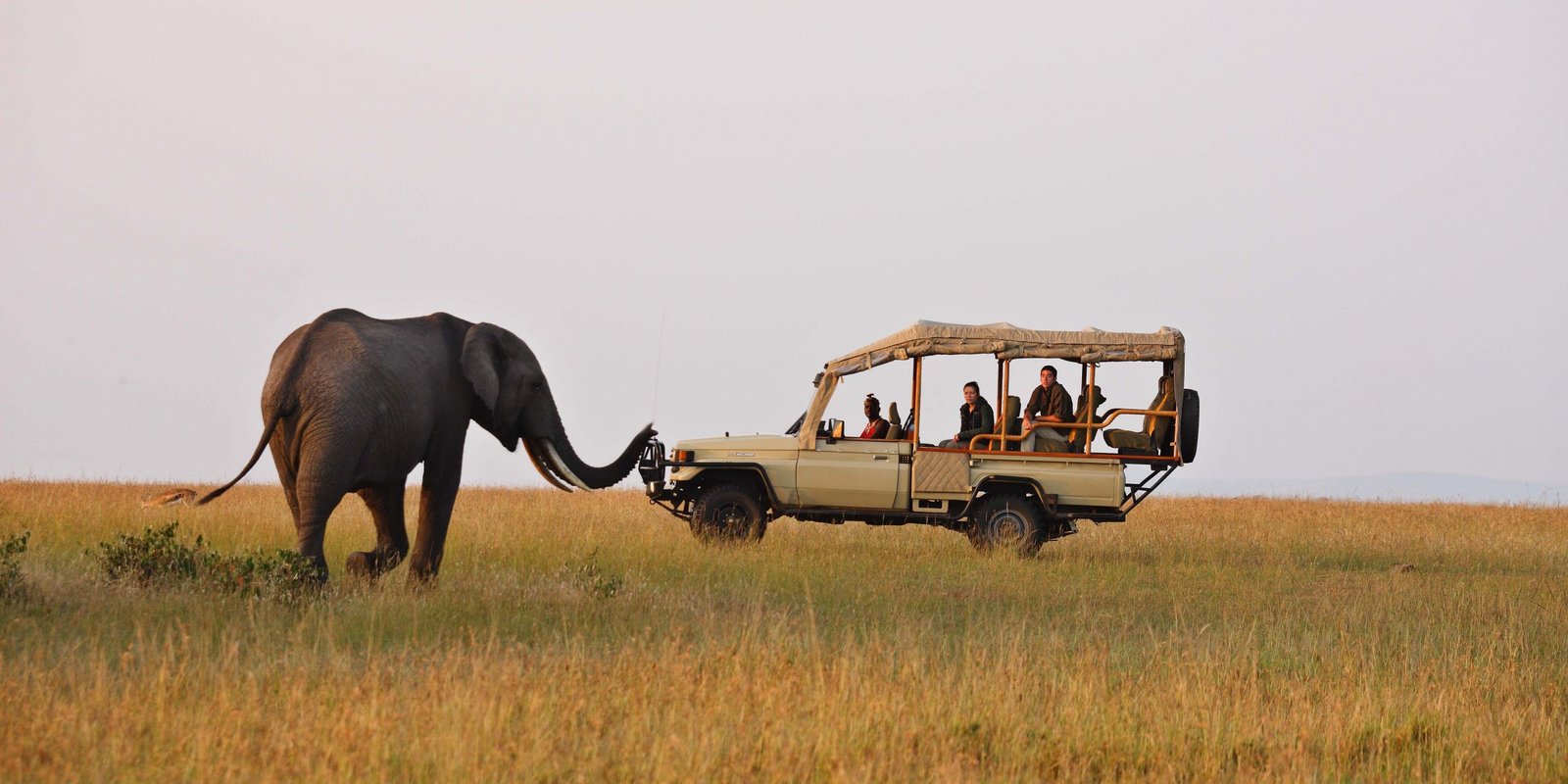
You will remember the first elephant appearing beside your safari vehicle.
You may remember watching the Nile flow through Murchison Falls National Park.
Chimpanzee calls echoing through Kibale Forest may stay in your memory.
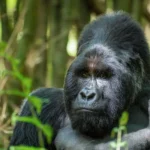
The moment a mountain gorilla appears through the vegetation of Bwindi can become unforgettable.
Good packing simply removes distractions so you can focus on these experiences.
Final Uganda Safari Packing Checklist
Before closing your suitcase, make sure you have considered the following:
- Passport and required travel documentation
- Safari confirmation and itinerary
- Travel insurance details
- Prescription medication
- Personal first-aid items
- Lightweight safari shirts
- Long-sleeved shirts
- Comfortable long trousers
- Shorts for suitable occasions
- Underwear and socks
- Hiking socks
- Strong trekking boots where required
- Casual closed shoes
- Sandals or flip-flops
- Lightweight fleece or sweater
- Waterproof rain jacket
- Gardening or trekking gloves for gorilla trekking
- Hat
- Sunglasses
- Sunscreen
- Insect repellent
- Toiletries
- Lip balm
- Hand sanitizer
- Refillable water bottle
- Small daypack
- Waterproof bags
- Camera and lenses
- Spare batteries
- Memory cards
- Binoculars
- Smartphone
- Travel adapter
- Charging cables
- Power bank
- Flashlight or headlamp
- Notebook and pen
- Small snacks if desired
- Swimwear where useful
- Copies of important documents
- Emergency contact information
Once these essentials are organized, your luggage should be ready for Uganda.
Why Pack With Your Itinerary in Mind?
No two Uganda safaris are exactly the same.
A traveler spending three days in Bwindi needs a different packing emphasis from a guest doing fourteen days across Murchison Falls, Kibale, Queen Elizabeth National Park, Bwindi, and Lake Mburo.
Someone visiting Kidepo should prepare for warmer and more remote conditions.
A Rwenzori climber needs specialized mountain equipment.
A luxury fly-in visitor must consider small-aircraft baggage limits.
The itinerary therefore determines the packing list.
Once your Lena Tours safari is confirmed, read through every day of the program.
Write the expected activity beside each destination.
Then confirm that your luggage supports those activities.
This simple method prevents both underpacking and unnecessary shopping.
Packing for a Gorilla and Wildlife Combination Safari
Many Lena Tours clients combine savannah wildlife with gorilla trekking.
This is one of Uganda’s best safari combinations because it offers completely different experiences within the same journey.
For wildlife parks, you need comfortable safari clothing, sun protection, camera equipment, binoculars, and a warm layer for game drives.
For Bwindi, add strong hiking footwear, long trousers, gloves, waterproof protection, and suitable trekking clothing.
You do not need two completely different wardrobes.
The same trousers and shirts can work across destinations when selected carefully.
Packing for a Chimpanzee and Gorilla Safari
Travelers visiting both Kibale and Bwindi should prioritize forest-friendly clothing.
At least two pairs of long trousers are advisable.
Bring sturdy footwear that can handle mud.
Long-sleeved shirts protect your arms.
Rain protection should remain easily accessible.
Insect repellent is especially useful.
A camera suitable for lower light conditions can improve forest photography.
Binoculars help when primates remain above the trail.
This safari style demands more walking than a conventional game-drive itinerary, so comfort becomes essential.
Packing for Wildlife Photography Safaris
Photographers often face the greatest temptation to overpack.
Multiple camera bodies, several lenses, tripod systems, laptop computers, batteries, chargers, hard drives, and accessories can become extremely heavy.
Prioritize what you will actually use.
A versatile zoom lens often provides more value than several overlapping lenses.
A second camera body can reduce lens changes in dusty environments.
Large telephoto lenses are ideal for wildlife but may require support.
Discuss vehicle space with Lena Tours before arrival if carrying professional equipment.
Packing for Honeymoon Safaris
Honeymoon travelers may want one or two attractive evening outfits alongside practical safari clothing.
Luxury lodges often provide beautiful environments for private dinners, photography, and special celebrations.
Keep formalwear lightweight.
Comfortable smart-casual clothing is normally sufficient.
Add swimwear if your lodge has a pool.
Couples should split a few essential items between suitcases.
If one bag is delayed, both travelers will still have access to basic clothing and toiletries.
Packing for Solo Travelers
Solo travelers should be particularly careful with essential backups.
There is no travel companion carrying another charger, adapter, medicine supply, or spare copy of a document.
Pack important items methodically.
Carry duplicate copies of essential travel information.
Keep emergency contacts accessible.
A small power bank, spare charging cable, extra memory card, and backup payment method provide useful security.
Traveling alone can be extremely rewarding, and thoughtful packing helps maintain independence.
Packing for Business Travelers Adding a Safari
Some visitors combine conferences or meetings in Kampala with a wildlife safari.
In that situation, separate business clothing from safari wear.
One professional outfit may be enough for meetings, while practical clothing covers the safari section.
Avoid carrying several heavy formal shoes.
Hotels in Kampala generally provide suitable laundry and ironing services.
Plan luggage efficiently so business requirements do not overwhelm the outdoor part of the journey.
Packing Souvenirs on the Return Journey
Leave a small amount of extra luggage space when traveling to Uganda.
You may want to purchase coffee, crafts, clothing, baskets, jewelry, artwork, or other locally made products.
Soft items can fit between clothing.
Fragile crafts require more careful protection.
Check airline weight limits before buying heavy souvenirs.
Travelers should also respect customs regulations regarding wildlife products, plants, food, or other controlled items.
Avoid buying anything made from protected species.
Before Leaving Each Lodge
Create a simple routine.
Check bathroom shelves.
Look inside wardrobes.
Search under the bed.
Inspect electrical sockets for chargers.
Check bedside tables for phones or glasses.
Look inside the safe if one was used.
Make sure passports and wallets remain secure.
Photographers should count batteries and memory cards.
This habit prevents items from being left behind as the safari moves between destinations.
The Importance of a Final Packing Review
Two days before departure, review everything again.
Do not simply ask whether you packed enough.
Ask whether every item has a reason to be there.
Remove unnecessary duplicates.
Check weather conditions for your travel period.
Confirm airline baggage allowances.
Review any special Lena Tours instructions.
Ensure your boots still fit comfortably.
Charge electronics.
Download travel information.
A calm final review prevents last-minute panic.
Why Lena Tours Helps With Safari Preparation
Booking your Uganda safari should provide more than transport and hotel reservations.
Good safari planning includes preparing travelers for what happens after confirmation.
Lena Tours can advise guests about clothing, luggage, gorilla trekking requirements, expected road conditions, lodge arrangements, domestic flight limitations, activities, weather considerations, and destination-specific needs.
This support helps clients arrive prepared instead of learning everything through trial and error.
A traveler who packs correctly starts the safari with confidence.
What to Pack for a Uganda Safari: Final Thoughts
Knowing what to pack for a Uganda safari after it is confirmed should make you feel excited rather than overwhelmed.
Focus first on essential documents, personal medication, comfortable clothing, suitable footwear, sun and rain protection, insect repellent, electronics, binoculars, and a practical daypack.
Then adjust the list according to your confirmed activities.
Gorilla trekking requires hiking boots, long trousers, gloves, and strong rain protection.
Savannah game drives demand sun protection, layered clothing, binoculars, and camera equipment.
Chimpanzee tracking needs comfortable walking gear.
Boat safaris call for hats, sunscreen, and protection for electronics.
Highland areas require warmer layers.
Long-distance road safaris benefit from comfortable clothes, snacks, entertainment, and organized luggage.
Avoid filling your suitcase with items you may never use.
Uganda safari travel is generally informal.
Comfort, flexibility, and practicality matter far more than fashion.
Bring enough to handle changing conditions while keeping luggage manageable.
Most importantly, remember why you are packing.
You are preparing to explore the Pearl of Africa.
Soon, early morning game drives may take you across open savannah while giraffes appear against the sunrise.
A boat could carry you along the Nile beside hippos, crocodiles, elephants, and countless birds.
Chimpanzees may call through Kibale Forest.
A quiet trail in Bwindi may eventually lead you toward a mountain gorilla family.
These are the experiences that matter.
Pack wisely, travel comfortably, respect Uganda’s wildlife and communities, and allow Lena Tours to help turn your confirmed safari into an unforgettable African journey.
Lena Tours – Pack Smart, Travel Ready, Explore Uganda.
Plan Your Safari with Lena Tours
Complete the enquiry form below and our safari specialists will prepare a personalised itinerary and quotation for your journey.