How Much Money Do I Need for a Uganda Safari?
A Complete Uganda Safari Cost Guide by Lena Tours
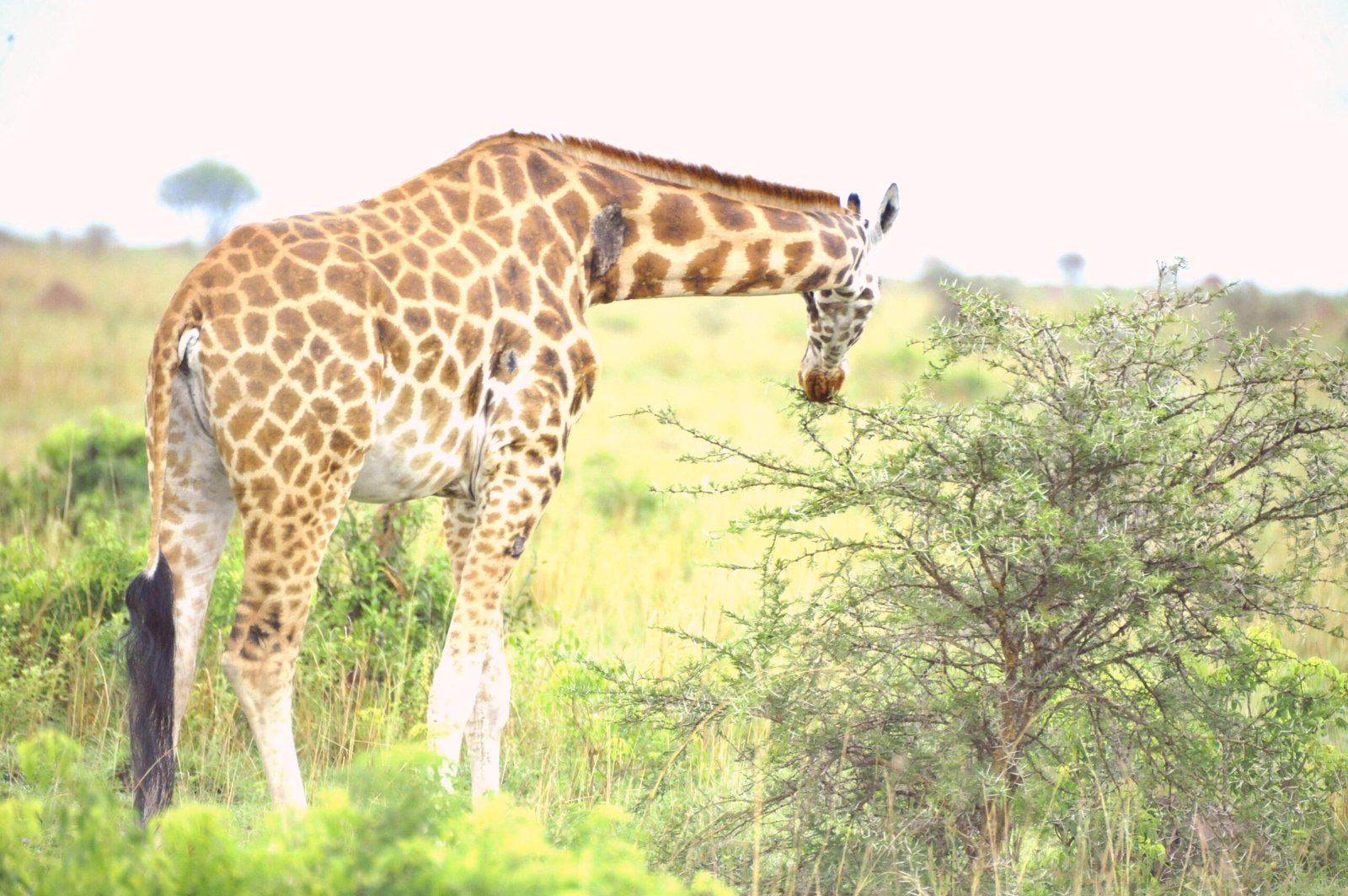
Uganda offers remarkable variety within one country. A visitor can trek mountain gorillas through the forests of Bwindi, search for chimpanzees in Kibale, watch lions across the plains of Queen Elizabeth National Park, cruise beside elephants and hippos on the Nile, photograph giraffes in Murchison Falls National Park, walk near zebras in Lake Mburo, explore the remote wilderness of Kidepo Valley, or relax beside Lake Bunyonyi. Because these experiences differ greatly in price, there is no single figure that applies to every traveler.
A short wildlife holiday may cost considerably less than an extended journey combining gorilla trekking, chimpanzee tracking, premium lodges, private transportation, boat cruises, and several national parks. Likewise, two people sharing a safari vehicle and a double room often spend less per person than a solo visitor because transportation and some accommodation expenses can be divided.
For travelers planning with Lena Tours, the most practical approach is to first decide what kind of experience you want. Once your preferred destinations, travel dates, activities, room type, and comfort level are clear, the budget becomes much easier to calculate.
This detailed guide explains the major expenses involved, gives realistic safari budget ranges, shows how different itineraries affect the final amount, and highlights several ways of enjoying Uganda without spending unnecessarily.
Understanding the Real Cost of a Uganda Safari
A Uganda safari price normally combines several elements rather than one single expense. Transportation can take a large portion of the budget because many national parks lie several hours apart. Accommodation creates another important part of the total, while wildlife permits can substantially increase the amount when gorilla or chimpanzee trekking is included.
Park entrance charges, ranger services, boat safaris, meals, airport transfers, bottled drinking water, cultural activities, and administration may also be included in an organized package. International flights, visas, personal shopping, optional activities, travel insurance, alcoholic drinks, gratuities, and personal medical expenses are commonly treated separately unless a quotation specifically states otherwise.
Consequently, a traveler should never compare safari prices by looking only at the final number. Two seven-day itineraries can have very different prices because one might include gorilla trekking, better accommodation, a private vehicle, all meals, several boat trips, and airport transfers, while another may provide simpler lodging and fewer activities.
When requesting a quotation from Lena Tours, travelers should consider what is included alongside the overall figure. A properly planned package gives a much clearer picture of the actual travel budget.
How Much Should I Budget for a Uganda Safari?
As a broad planning estimate, an international traveler could consider the following approximate ranges before international airfare:
These figures are planning estimates rather than fixed Lena Tours rates. Gorilla permits, private charter flights, premium suites, single-room supplements, seasonal lodge pricing, and specialized experiences can move the cost significantly higher.
For example, a visitor traveling for five days without gorilla trekking could spend much less than someone taking a five-day itinerary that includes Bwindi. Likewise, a ten-day journey combining Murchison Falls, Kibale, Queen Elizabeth National Park, Bwindi, and Lake Mburo will usually cost more because transportation distances, accommodation nights, protected-area fees, and activities accumulate.
For the most accurate figure, the holiday should be priced according to the actual travel dates and itinerary.
Gorilla Trekking Has a Major Effect on the Safari Budget
For many international travelers, seeing mountain gorillas is the highlight of visiting Uganda. The experience is extraordinary, although the permit represents one of the largest individual safari expenses.
Uganda Wildlife Authority’s published tariff information lists the standard gorilla tracking permit for foreign non-residents at US$800. A special UWA notice issued in February 2026 introduced discounted low-season permits for April, May, and November, with gorilla tracking priced at US$600 for foreign non-residents and US$500 for foreign residents during those months. The same notice states that further tariff adjustments will take effect from 1 January 2027; ordinary gorilla tracking for foreign non-residents remains listed at US$800 under that revised structure, while some other activities change.
That means someone preparing a safari budget cannot simply calculate hotel and transportation costs. If gorilla trekking is part of the itinerary, the permit must be included from the beginning.
For a couple, two standard foreign non-resident permits represent a substantial combined amount before accommodation, transportation, meals, or additional sightseeing is added.
However, the permit covers far more than walking into the forest. Under UWA’s published tariff, the gorilla tracking charge includes the guiding component, park entrance for that day, and a community development contribution.
Travelers who consider gorilla trekking the main reason for visiting Uganda may find this expense worthwhile because very few destinations in the world provide an opportunity to encounter wild mountain gorillas in their natural environment.
Why Gorilla Permits Should Be Booked Early
Permit availability can determine the entire safari itinerary. Bwindi Impenetrable National Park has different trekking sectors, and travelers normally need accommodation that matches the assigned sector. Consequently, securing a permit before finalizing certain lodge arrangements can prevent long and inconvenient transfers on trekking morning.
Uganda Wildlife Authority announced that, effective 1 March 2026, the previous seven-day unpaid reservation window was suspended. The notice explains that operators now secure permits through full payment at the time of booking.
This makes early confirmation especially important for travelers whose safari dates are fixed.
Visitors hoping to travel during popular holiday periods should therefore avoid waiting until the final weeks before departure. Once the safari dates are agreed upon, confirming the primate permits can become one of the first important steps.
Chimpanzee Tracking Costs
Gorillas are not Uganda’s only famous primates. Kibale National Park attracts travelers from around the world because of its chimpanzee experiences and exceptional primate diversity.
The UWA 2024–2026 published conservation tariff listed chimpanzee tracking at Kibale National Park at US$250 for foreign non-residents, while chimpanzee habituation was US$300.
UWA’s February 2026 update introduced an immediate low-season foreign non-resident chimpanzee rate of US$200 during April, May, and November. The same notice states that from 1 January 2027, standard Kibale chimpanzee tracking for foreign non-residents will become US$300, with chimpanzee habituation listed at US$400.
Therefore, travelers planning for late 2026 and those arranging trips for 2027 should pay attention to the applicable travel date.
Adding chimpanzee tracking to a longer safari naturally raises the total price, yet Kibale combines conveniently with several western Uganda attractions. Many itineraries continue from Kibale to Queen Elizabeth National Park and later to Bwindi, creating a logical wildlife and primate circuit.
Transportation Is One of the Biggest Safari Expenses
Uganda is a beautiful country to explore by road, although safari destinations can be separated by significant distances. A professional safari vehicle, fuel, driver-guide, vehicle maintenance, insurance, and operational expenses therefore form an important part of a package.
Most private safaris use a 4×4 vehicle suitable for both highways and national park tracks. Depending on the itinerary, travelers may use a customized Toyota Land Cruiser or another appropriate safari vehicle.
The benefit of private transportation is flexibility. Guests can stop for photography, scenery, refreshments, roadside markets, landscapes, and other interesting moments along the route. During wildlife drives, a suitable safari vehicle also improves visibility and comfort.
A visitor calculating only fuel will underestimate the real transportation expense. Safari vehicles operate in demanding environments where rough park roads, mud, dust, and long-distance travel increase running and maintenance costs. Professional guiding is another essential part of the service.
For this reason, transportation may appear expensive when viewed separately, but it provides both mobility and the safari experience itself.
Does Traveling With More People Reduce the Cost?
In many situations, yes.
Imagine one traveler hiring a private safari vehicle for seven days. That person carries nearly the entire transportation expense. If two people travel together, they divide that cost between them. Four guests sharing the same vehicle can reduce the transport component per person even further.
Accommodation works somewhat differently. Two guests occupying one double or twin room often pay less per person than two people requesting separate rooms. A solo traveler may therefore encounter a single supplement, particularly at properties where pricing is structured around two guests sharing.
Families and small groups may obtain particularly good value because transport expenses are spread across several participants.
Nevertheless, the lowest possible number of dollars should not be the only consideration. An overcrowded vehicle reduces comfort, photography opportunities, and personal space. Lena Tours can structure the group size in a way that balances value with a comfortable safari experience.
Accommodation Can Change the Price Dramatically
Uganda offers accommodation for many budgets. Travelers can stay in simple guesthouses, comfortable safari lodges, stylish tented camps, boutique properties, luxury forest lodges, or high-end retreats overlooking spectacular landscapes.
Accommodation is usually divided into three broad categories.
Budget Accommodation
Budget safari properties focus on practical comfort. Rooms may be simple, but reputable options normally provide a private or shared sleeping space, mosquito protection where necessary, basic bathroom facilities, and meals depending on the package.
Travelers who spend most of the day exploring may find budget accommodation perfectly suitable. It allows more money to go toward activities instead of expensive rooms.
Someone taking a long safari can save hundreds or even thousands of dollars by using budget properties throughout the trip.
Yet “budget” should not automatically mean uncomfortable. Uganda has many smaller lodges and guesthouses that offer welcoming service, attractive surroundings, and enjoyable local character without luxury pricing.
Mid-Range Safari Lodges
Mid-range accommodation is one of the most popular choices for international travelers. It usually combines private rooms, good meals, attractive surroundings, reliable service, and a comfortable level of quality without reaching premium luxury prices.
Many mid-range lodges are positioned near national parks or overlooking beautiful landscapes. Some feature cottages, permanent safari tents, private balconies, gardens, fireplaces, swimming pools, or panoramic views.
For couples, photographers, honeymooners who are watching their budget, families, and first-time visitors, this category often provides a strong balance between comfort and price.
A typical Lena Tours itinerary can also mix accommodation standards. For instance, travelers might stay in mid-range properties during most of the journey, then upgrade to a luxury lodge in Bwindi or Queen Elizabeth National Park for one or two nights.
Luxury Accommodation
Luxury safari lodges can transform the experience. Premium properties may offer exceptional locations, spacious suites, personalized service, gourmet meals, fireplaces, private verandas, spa treatments, plunge pools, laundry, elegant interiors, and attentive staff.
In remote wildlife destinations, operating a high-quality lodge is costly. Food, staff, equipment, power, water, maintenance, and supplies may need to travel considerable distances. This helps explain why luxury accommodation commands higher prices.
A traveler choosing premium properties throughout a ten-day itinerary can easily spend several thousand dollars more than somebody following exactly the same route using comfortable mid-range accommodation.
Therefore, accommodation choice is one of the easiest ways to increase or reduce a safari budget.
How Much Does a 3-Day Uganda Safari Cost?
Short safaris appeal to travelers with limited time or visitors who are in Uganda for business and want to add a wildlife experience.
A three-day itinerary may focus on Murchison Falls, Queen Elizabeth National Park, Bwindi, Lake Mburo, or another single destination.
Approximate planning ranges might look like this:
The largest variation occurs with gorilla trekking because the permit immediately adds a major fixed expense.
Travelers should also remember that long transfers during a three-day itinerary may make transportation proportionally expensive. Extending a trip by one or two nights can sometimes produce better value because guests experience more attractions without repeatedly returning to Kampala or Entebbe.
Example: 3-Day Murchison Falls Safari
A short Murchison Falls adventure might begin with departure from Kampala or Entebbe toward northwestern Uganda. Depending on the final itinerary, guests may stop for an additional wildlife experience along the route before proceeding to the national park.
After reaching Murchison, travelers can visit the top of the falls, where the Nile forces its way through a narrow rocky passage before dropping powerfully below. An evening at the lodge gives guests time to relax before the next day’s activities.
The second day could include an early game drive across the northern sector. Elephants, giraffes, buffaloes, antelopes, lions, warthogs, and many bird species may be encountered depending on wildlife movements. Later, a boat safari along the Nile offers another perspective, with hippos, crocodiles, aquatic birds, and animals approaching the riverbanks.
On the final morning, guests can enjoy breakfast and possibly an additional activity before beginning the return journey.
Such a trip costs less than many primate safaris because it does not require a gorilla permit. However, park entrance, vehicle expenses, accommodation, meals, guiding, and boat activities still need to be covered.
How Much Does a 5-Day Uganda Safari Cost?
Five days give visitors more flexibility. A safari of this length can combine two nearby destinations or focus on one wildlife region plus gorilla trekking.
A reasonable planning framework might be:
Including gorilla tracking can push these figures upward, especially for solo travelers or guests choosing high-end accommodation.
One popular arrangement combines Queen Elizabeth National Park and Bwindi. Another option links Kibale and Queen Elizabeth, creating a primate and wildlife experience without mountain gorillas.
A well-designed five-day program can feel surprisingly complete if driving distances are managed efficiently.
How Much Does a 7-Day Uganda Safari Cost?
A week is enough time to explore several major attractions without making the itinerary excessively rushed.
As a broad guide:
When both gorilla and chimpanzee tracking are included, permit costs become particularly important.
A classic seven-day safari could travel through Kibale National Park, Queen Elizabeth National Park, and Bwindi Impenetrable National Park. Guests experience rainforest, savannah, crater landscapes, the Kazinga Channel, and mountain gorilla habitat within one journey.
Compared with taking several separate short tours, one continuous itinerary may also use transportation more efficiently.
A Sample 7-Day Uganda Safari Budget Experience
Day 1: Entebbe to Kibale
After breakfast, your Lena Tours guide can begin the journey west toward Kibale. The drive introduces Uganda’s countryside, small towns, farms, rolling hills, and tropical landscapes. Depending on timing, travelers may stop for lunch before continuing toward the forest.
Accommodation near Kibale varies from affordable guesthouses to premium lodges overlooking crater lakes or forest landscapes.
Day 2: Chimpanzee Tracking
An early breakfast prepares visitors for the chimpanzee experience. After briefing, trained guides lead participants into the forest.
Kibale contains extraordinary biodiversity, and the trek itself gives visitors a chance to appreciate the rainforest ecosystem rather than focusing solely on chimpanzees.
After tracking, guests may relax or add an optional wetland or community activity.
Because chimp permits represent a fixed cost, this day is normally more expensive than a simple transfer or game-drive day.
Day 3: Transfer to Queen Elizabeth National Park
Travel continues toward Queen Elizabeth National Park.
Depending on the route and timing, visitors may explore crater landscapes before arriving at their accommodation.
An afternoon or evening game drive can introduce Uganda kob, buffaloes, elephants, warthogs, and other wildlife. Predators such as lions and leopards are also present, although sightings always depend on natural movement and luck.
Day 4: Game Drive and Kazinga Channel
Morning is an excellent time to explore the savannah.
Later, a boat cruise on the Kazinga Channel provides another memorable experience. Hippos gather in the water while buffaloes and elephants may appear along the shoreline. Numerous bird species add constant activity.
Boat excursions increase the package price slightly, yet they offer a completely different view of the ecosystem and are usually considered worthwhile.
Day 5: Ishasha and Bwindi
Travelers can pass through the Ishasha region, famous for its tree-climbing lions, before continuing toward Bwindi.
Wildlife does not perform on command, so no particular sighting can be guaranteed. Nevertheless, exploring Ishasha adds variety to the journey.
The scenery gradually changes as the safari approaches the forested mountains of southwestern Uganda.
Day 6: Gorilla Trekking
This is often the most anticipated morning of the holiday.
Visitors attend a briefing before entering Bwindi with professional guides and trackers. Trekking time varies according to the gorillas’ location, terrain, vegetation, and movement.
Once the assigned gorilla family is found, standard tracking allows a maximum viewing period defined by UWA regulations. UWA guidelines state that normal gorilla and chimpanzee tracking permits provide a maximum of one hour of viewing after the encounter, whereas habituation experiences allow longer viewing periods.
The physical challenge, rainforest surroundings, anticipation, and eventual encounter create an experience that many travelers remember for the rest of their lives.
Day 7: Return Journey
After breakfast, the safari begins its journey back toward Kampala or Entebbe.
Although this is primarily a transfer day, Uganda’s scenery continues to provide interesting views throughout the drive.
A seven-day program of this type combines several premium activities, explaining why it costs more than a simple wildlife-only tour.
How Much Does a 10-Day Uganda Safari Cost?
Ten days give visitors much greater freedom.
An approximate planning range could be:
Premium private safaris can exceed these figures, especially when they include fly-in transfers, exclusive lodges, multiple gorilla treks, private boat charters, or upgraded suites.
Ten days can comfortably combine several of Uganda’s best-known safari areas. A route may begin at Murchison Falls, continue through Kibale and Queen Elizabeth National Park, then reach Bwindi before finishing around Lake Mburo.
Because the attractions form a broad circuit, travelers experience dramatic landscape changes throughout the journey.
Why a Longer Safari Can Offer Better Value
At first glance, a longer holiday naturally costs more. However, the average daily cost can sometimes decrease.
Airport transfers happen once. The same vehicle may remain with the guests throughout the itinerary. Long international flights become more worthwhile when travelers spend additional days exploring the destination.
A three-day gorilla trip, for example, contains a relatively expensive permit and considerable driving within a short period. Adding several wildlife days distributes the overall travel expense across more experiences.
Visitors arriving from Europe, North America, Asia, Australia, or the Middle East often find that seven to fourteen days allow them to gain more value from the international journey.
What Does a 14-Day Uganda Safari Cost?
A two-week Uganda adventure can include most of the country’s major western safari circuit and possibly additional destinations.
Broad planning estimates might fall around:
These are not fixed quotations. Two travelers following the same fourteen-day route could have dramatically different final bills based on their lodges, rooms, transport preferences, and activities.
High-end travelers might add domestic flights to reduce long road journeys. Others may prefer driving because it allows them to see more countryside.
A longer safari can also include rest periods, which reduce fatigue and create a more relaxed holiday.
National Park Entrance Fees
Protected-area entrance charges represent another part of safari pricing.
The exact amount varies according to the park, visitor residency category, vehicle classification, and applicable UWA tariff. Since official conservation tariffs can change, travelers should use current rates at the time of booking rather than relying on old blogs or screenshots.
The Uganda Wildlife Authority currently provides its official tariffs through its rates page and has published a specific 2026–2027 update.
When Lena Tours prepares an organized itinerary, applicable park charges can be incorporated into the package so visitors do not need to calculate every protected-area payment independently.
Game Drives and Ranger Services
Wildlife viewing from a safari vehicle is included in many Uganda programs, although additional ranger or specialized experiences may involve separate charges.
A morning game drive might last several hours, while another outing can take place in the afternoon or evening depending on park rules and the itinerary.
Professional guides improve the experience because they understand animal behavior, habitats, likely wildlife areas, road networks, and important conservation information.
Specialized experiences, such as experiential predator tracking where available, may be priced separately.
Therefore, guests should carefully examine whether their quotation contains ordinary game drives only or includes additional ranger-led activities.
Boat Safari Expenses
Uganda offers exceptional wildlife viewing from the water.
Murchison Falls National Park provides boat trips along the Nile, while Queen Elizabeth National Park is famous for cruises on the Kazinga Channel.
These excursions are especially valuable for visitors interested in hippos, crocodiles, elephants, buffaloes, waterbirds, and photography.
Boat costs differ according to whether travelers join scheduled departures, use private arrangements, or choose specialized experiences.
Including a boat trip naturally increases the final budget, although many travelers regard it as one of the strongest additions to a wildlife itinerary.
Food Costs During a Uganda Safari
Most organized safari packages use accommodation on a meal plan.
Common arrangements include:
Bed and breakfast – breakfast is included, while other meals are purchased separately.
Half board – normally breakfast and dinner are provided.
Full board – breakfast, lunch, and dinner are included.
On a remote safari, full board is often convenient because restaurants outside the lodge may not be readily available.
Some premium properties include snacks, selected drinks, or additional refreshments. Others charge beverages separately.
Travelers should therefore check the meal plan before comparing prices.
Lena Tours can structure an itinerary where most meals are already covered, making it easier for guests to estimate how much spending money they need after arrival.
How Much Spending Money Should I Bring?
Even when the main safari package has been prepaid, carrying some personal spending money is useful.
Additional funds may be needed for souvenirs, gratuities, alcoholic beverages, extra snacks, optional excursions, laundry at properties where it is not included, personal shopping, or unexpected expenses.
A visitor whose package covers accommodation, transportation, permits, park charges, meals, water, and scheduled activities may only require a relatively modest personal allowance.
For many travelers, keeping approximately $20–$50 per person per day for extras can provide useful flexibility. Guests who enjoy shopping, premium drinks, frequent tipping, spa treatments, or additional activities may wish to budget considerably more.
Travel habits vary, so personal spending money should be planned individually.
Should I Carry US Dollars or Uganda Shillings?
Uganda’s local currency is the Uganda shilling (UGX).
Foreign visitors often bring some US dollars for tourism-related payments while using Uganda shillings for smaller local transactions.
It can be useful to have local currency for refreshments, tips, markets, minor purchases, and locations where card facilities are limited.
Major hotels and established tourism businesses may accept cards, but visitors should never assume that electronic payment will be available everywhere. Network interruptions and remote locations can make cash valuable.
A combination of payment methods provides the greatest flexibility.
Safari Costs for Solo Travelers
Solo travel offers freedom and privacy, but it can cost more per person.
The biggest reason is transportation. One guest using a private 4×4 carries the cost alone rather than sharing it with companions.
Accommodation can also involve a single-room supplement.
Imagine that two guests share one room and one vehicle. Their individual cost for those components may be lower than that of a lone traveler using the same level of service.
Solo visitors can still manage expenses by selecting budget or mid-range accommodation, joining compatible departures when available, keeping the itinerary geographically efficient, or choosing fewer premium activities.
Traveling alone should not discourage someone from experiencing Uganda. It simply requires slightly different budgeting.
Uganda Safari Cost for Couples
Couples can often obtain good value because they share accommodation and transportation.
A honeymoon pair might choose a private vehicle, one double room, and a mix of mid-range and luxury properties.
For example, a couple could save money by using comfortable mid-range lodges for most nights, then upgrade to a premium forest lodge around their gorilla trekking experience.
This approach creates a special holiday without applying luxury pricing to every single night.
Anniversary travelers can use the same strategy.
Safari Expenses for Families
Family safari budgets depend heavily on the children’s ages and activities.
Some wildlife experiences have minimum age requirements, particularly primate tracking. Families should therefore confirm which activities each child can join before paying deposits.
Accommodation also affects pricing because families may require interconnected rooms, triples, family cottages, or several separate units.
Transport can provide better value because several people share one vehicle.
A family-friendly itinerary should avoid excessively long transfers where possible. Adding rest periods, swimming pools, shorter wildlife drives, and varied activities can make the journey more enjoyable for younger travelers.
Group Safari Costs
Small groups may reduce per-person costs considerably.
Friends traveling together can divide transport expenses, while twin or double room sharing can keep accommodation affordable.
However, group organization requires planning. Rooming arrangements, dietary requirements, fitness levels, activity preferences, and arrival schedules should be communicated in advance.
One traveler may prefer luxury accommodation while another wants a strict budget. Agreeing on the overall safari style before requesting the final quotation prevents misunderstandings.
Lena Tours can calculate the package using the actual number of guests so everyone understands the amount before confirmation.
Does the Time of Year Affect Uganda Safari Prices?
Yes, although the effect varies across different elements of the trip.
Accommodation rates can change according to demand. Some lodges offer different seasonal prices, while others maintain relatively stable rates.
Holiday periods may become particularly busy. Gorilla permits and popular accommodation can sell quickly.
Low-season travel can sometimes present attractive opportunities.
Most notably, UWA’s February 2026 notice introduced discounted gorilla and chimpanzee permits for April, May, and November. Foreign non-residents pay US$600 for gorilla tracking and US$200 for chimpanzee tracking under those low-season rates, according to the official notice.
For a traveler combining both primate activities, those official discounts can make a meaningful difference to the total budget.
Is Uganda Cheaper During the Rainy Season?
Potentially, but not automatically.
April and May fall within one of the wetter periods in many areas, and November can also receive significant rainfall. Some lodges may promote lower rates during quieter months.
However, Uganda remains a year-round destination.
Forest trekking may become muddier after heavy rain, while some unpaved roads can be more demanding. On the positive side, landscapes are beautifully green, crowds may be smaller, and photographers can enjoy dramatic skies.
Travelers who prioritize savings should compare seasonal options rather than assuming that only the driest months are suitable.
International Flights Should Be Budgeted Separately
Safari quotations normally begin after arrival in Uganda unless otherwise specified.
International airfare depends on departure country, airline, travel season, booking date, connection city, baggage allowance, and ticket class.
Someone traveling from London will have a different flight budget from a visitor arriving from New York, Beijing, Tel Aviv, Berlin, Sydney, or Dubai.
Because airfare fluctuates continuously, including it in a general safari cost article would give readers a misleading fixed figure.
Travelers should therefore calculate:
international flight + Uganda safari package + visa/entry expenses + insurance + personal spending
rather than considering the safari quotation as the entire holiday cost.
Domestic Flights Can Increase Comfort and Price
Uganda’s road journeys reveal beautiful scenery and local life, yet certain routes take many hours.
Travelers who want to reduce driving can use scheduled or charter domestic flights on suitable routes.
Flying to areas near Bwindi, Queen Elizabeth National Park, or other distant destinations can save time.
However, aviation adds considerably to the budget.
Luxury travelers often combine road and air transportation. They may fly to a distant region, use a safari vehicle locally, then continue by air rather than spending a full day on the road.
Visitors with enough time can usually reduce the trip cost by driving.
How Much Does Accommodation Cost Per Night?
Prices vary so widely that one figure cannot describe Uganda’s accommodation market.
As a general planning guide, rooms may fall into ranges such as:
These ranges are illustrative and may be quoted per room, per person, or according to meal plan depending on the property.
Premium safari lodges can exceed the figures shown, particularly when rates include meals, drinks, activities, laundry, or personalized services.
Always compare what the room price includes.
Bwindi Accommodation and Safari Budget
Accommodation around Bwindi deserves special consideration because the national park has several trekking sectors.
Visitors should not simply choose the cheapest lodge they find online without checking where their permit is assigned.
A room located far from the correct briefing point could create a difficult early-morning transfer.
This is one reason booking a complete gorilla package through an experienced local operator can simplify planning.
Lena Tours can coordinate the trekking sector, accommodation location, road transfers, permit arrangements, meals, and surrounding activities as one journey.
Budget properties keep the trip affordable, while luxury forest lodges can become one of the most memorable parts of the safari.
Queen Elizabeth National Park Costs
Queen Elizabeth National Park works well for many budgets because visitors can choose from a broad range of lodges.
Core expenses may include transportation, accommodation, park entry, game drives, and a Kazinga Channel cruise.
Travelers adding specialized experiences or staying at premium lodges will naturally spend more.
The park also combines well geographically with Kibale and Bwindi. This allows Lena Tours to build efficient itineraries where guests move progressively through western Uganda instead of repeatedly returning to Kampala.
Efficient routing can save both time and unnecessary fuel.
Murchison Falls Safari Costs
Murchison Falls is another destination where accommodation selection heavily affects the final price.
Budget travelers can choose simpler properties, while luxury visitors can stay at premium lodges with river views, swimming pools, refined dining, and spacious rooms.
A typical program combines morning game viewing with a Nile cruise and a visit to the falls.
Guests can also add other experiences depending on the route and available time.
Because Murchison lies north of Kampala, it is often paired with attractions along the journey before visitors continue toward western Uganda or return to Entebbe.
Kibale National Park Expenses
Kibale is primarily associated with chimpanzees, so permits form a notable component of the budget.
Accommodation ranges from modest guesthouses to beautiful crater-region and forest lodges.
Visitors sometimes add Bigodi Wetland or community experiences, increasing both activity variety and local engagement.
Kibale fits conveniently into longer western Uganda safaris because Queen Elizabeth National Park can be reached afterward without returning to the capital.
This geographical connection makes it easier to design multi-park journeys.
Lake Mburo as a Cost-Efficient Safari Addition
Lake Mburo National Park is relatively convenient for many road itineraries between Kampala and southwestern Uganda.
It can therefore serve as a first safari stop or a final wildlife destination before returning to Entebbe.
The park is known for zebras, impalas, elands, buffaloes, giraffes, and other wildlife.
Depending on current park offerings and arrangements, visitors may enjoy game drives, walking experiences, or other outdoor activities.
Because of its location, Lake Mburo can add another national park without requiring an extremely long diversion from certain southwestern routes.
Kidepo Valley Safari Budget
Kidepo Valley National Park offers one of Uganda’s most remote wilderness experiences.
Its distance from Kampala makes transportation an important part of the budget.
Visitors can drive, turning the journey into a broader northern Uganda adventure, or use air transport where available.
The park’s dramatic scenery, open plains, mountains, and remote atmosphere attract travelers who want something beyond the popular western circuit.
Because reaching Kidepo requires additional travel time, including it in a short itinerary can be costly. It works particularly well for longer journeys where enough days have been allocated to enjoy the region properly.
Why Safari Vehicles Cost More Than Ordinary Cars
Travelers occasionally compare safari vehicle rates with ordinary urban car hire.
The two services are not equivalent.
A safari vehicle travels long distances, enters rough national park tracks, carries luggage, handles dust and mud, and may operate for ten or more consecutive days.
Custom modifications can include stronger suspension, viewing roof systems, charging facilities, refrigeration, additional storage, and comfortable seating.
Maintenance costs are also high because wildlife roads place greater stress on tires, brakes, suspension, and other components.
A reliable vehicle becomes particularly important in remote areas where mechanical trouble can disrupt an itinerary.
Therefore, allocating enough budget for safe and suitable transport improves the entire journey.
The Value of a Professional Safari Guide
A knowledgeable guide does far more than drive.
Guides interpret wildlife behavior, identify birds and animals, explain landscapes, coordinate lodge arrivals, communicate with park personnel, organize timing, solve logistical problems, and adapt plans when circumstances change.
They understand how long routes take and where guests should stop.
During wildlife drives, experience can make the difference between simply passing through a national park and understanding what is happening around you.
For international travelers visiting Uganda for the first time, having one professional guide throughout the journey also adds continuity and confidence.
This service forms part of the package cost, but it contributes greatly to the quality of the holiday.
Cultural Experiences and Community Visits
Not every meaningful safari experience happens inside a national park.
Uganda’s communities, traditional lifestyles, food, music, crafts, agricultural landscapes, and local stories add depth to a journey.
Depending on the itinerary, visitors can participate in community walks, cultural performances, coffee experiences, village activities, craft visits, or other locally organized programs.
These excursions are often less expensive than major wildlife permits.
They also diversify the holiday by allowing travelers to understand more about life beyond protected areas.
Adding one or two community experiences generally has a relatively modest effect on the total safari cost.
Optional Activities Can Increase the Budget
Uganda offers far more than vehicle-based wildlife viewing.
Travelers may add activities such as:
- Golden monkey tracking
- Nature walks
- Birding excursions
- Boat cruises
- Hiking
- Community experiences
- Canoe trips
- Source of the Nile visits
- White-water rafting
- Coffee tours
- Mountain adventures
- Wetland excursions
- Cycling in suitable destinations
- Additional primate experiences
Each addition affects the overall figure.
Visitors working with a fixed budget should identify their top priorities first. Once essential experiences are confirmed, optional activities can be added according to the remaining amount.
Golden Monkey Tracking and Mgahinga
Mgahinga Gorilla National Park provides another fascinating primate destination.
The 2024–2026 UWA published tariff listed golden monkey tracking at US$60 for foreign non-residents, with the habituation experience at US$100, excluding park entrance.
Visitors staying around Kisoro can combine golden monkeys with gorilla trekking or scenic exploration.
Adding Mgahinga may increase accommodation and transport expenses slightly, but it creates a richer southwestern Uganda itinerary.
Hidden Safari Costs Travelers Sometimes Forget
When preparing their budget, visitors frequently remember hotels, vehicles, and major permits while overlooking smaller expenses.
These can include:
- Tips
- Laundry
- Extra drinks
- Souvenirs
- Snacks
- Bank charges
- Card-processing costs
- SIM cards or data
- Optional excursions
- Additional hotel nights
- Airport meals
- Travel insurance
- Personal medications
- Excess baggage
- Porter services during trekking
- Unexpected itinerary changes
None of these expenses has to become extremely large. Nevertheless, setting aside a contingency amount avoids stress.
A useful approach is to keep around 5–10% above the planned holiday budget available for unexpected or personal expenses.
Do I Need a Porter for Gorilla Trekking?
Hiring a porter can be extremely helpful.
Bwindi’s trails may involve steep slopes, slippery ground, dense vegetation, and changing weather conditions.
A porter can carry a daypack, water, camera accessories, rain gear, or other personal items.
Beyond physical assistance, using local porter services directly supports people living around the protected area.
The exact arrangement and fee should be confirmed locally.
Visitors who are unsure about their fitness often find that a porter makes the trek considerably more comfortable.
It is better to budget a little extra than struggle unnecessarily with a heavy bag.
Tipping on a Uganda Safari
Tipping is generally discretionary rather than something that should overshadow the holiday budget.
Travelers may choose to tip guides, lodge staff, trackers, porters, boat crews, or other service providers when they feel service has been excellent.
There is no single amount suitable for every guest.
Group size, service length, quality, and personal preferences all matter.
Instead of worrying about an exact figure months in advance, travelers can create a general gratuity allowance and decide how to distribute it during the trip.
Travel Insurance Should Be Part of the Budget
Safari travelers should consider comprehensive travel insurance.
A good policy may provide protection for medical emergencies, trip cancellation, delayed baggage, interruptions, and other eligible events according to its terms.
Adventure activities may require specific coverage.
Gorilla trekking involves hiking through natural forest terrain, while rafting, climbing, or mountain excursions introduce different risks.
Visitors should read their policy carefully rather than assuming every activity is automatically included.
Insurance may seem like an extra expense, but it can protect a much larger investment.
Medical Preparation Costs
Travel preparation can include consultations, vaccinations, prescription medication where recommended, insect repellent, sunscreen, first-aid supplies, and suitable clothing.
Health requirements vary according to the traveler’s country, medical history, itinerary, and current regulations.
Visitors should obtain advice from qualified travel-health professionals.
These expenses normally sit outside the safari quotation.
Preparing them early prevents last-minute costs before departure.
Safari Clothing Does Not Need to Be Expensive
Travelers sometimes believe they need an entirely new wardrobe for Africa.
Usually, they do not.
Comfortable neutral-colored clothes, good walking shoes, a rain jacket, a hat, light layers, and practical trousers can cover most safari requirements.
Gorilla trekking may require stronger footwear, long trousers, gloves for vegetation, and rain protection.
Expensive specialist clothing is optional rather than compulsory.
Using suitable items you already own is one of the easiest ways to reduce pre-trip spending.
Camera Equipment and Photography Costs
Photography can become an additional budget category for enthusiastic travelers.
A smartphone may be enough for casual memories, while wildlife photographers often bring telephoto lenses, spare batteries, memory cards, beanbags, power banks, and other equipment.
Renting or buying cameras before departure can increase the overall holiday expense substantially.
Travelers should also consider baggage allowances because heavy photographic equipment may create additional airline charges.
Safari vehicles generally provide excellent wildlife viewing, so expensive new equipment is not necessary unless photography is an important personal interest.
Is a Private Safari Worth the Extra Money?
For many travelers, yes.
Private safaris offer flexibility over departure times, stops, photography, pacing, and daily routines.
Couples and families can spend longer at wildlife sightings they find interesting rather than following the preferences of strangers.
The guide can also adjust the experience around the guests’ interests.
Someone particularly interested in birds may appreciate slower wildlife drives. Photographers might want additional time at sunrise or sunset. Families may need more frequent breaks.
Private safaris generally cost more for one or two travelers than larger shared tours, but the added flexibility can significantly improve the experience.
How to Save Money Without Ruining Your Safari
Saving money does not require removing every memorable activity.
The smartest method is to reduce expenses that matter less to you.
For example, a traveler whose dream is gorilla trekking should keep the permit but select moderate accommodation.
Another guest may care deeply about luxury lodges and be happy to reduce optional excursions.
Good budgeting means protecting the experiences that motivated you to visit Uganda.
Travel With Another Person
Sharing a vehicle and room often lowers the individual price.
Couples, friends, and family members can benefit considerably.
Choose Mid-Range Rather Than Luxury Lodges
Mid-range properties can provide excellent comfort while costing substantially less than premium accommodation.
You still enjoy private rooms, meals, pleasant surroundings, and good service.
Consider Low-Season Travel
April, May, and November can provide valuable opportunities, particularly because UWA’s 2026 notice introduced discounted gorilla and chimpanzee tracking permits for those months.
Rain is possible, so travelers should prepare properly.
Avoid Unnecessary Domestic Flights
Road travel takes longer but usually costs less than flying.
Guests with sufficient time can save money while seeing more of Uganda’s countryside.
Build a Logical Route
Poor routing wastes fuel and time.
An experienced operator can connect destinations efficiently.
For example, Kibale, Queen Elizabeth, Bwindi, and Lake Mburo can form a logical progression.
Limit Expensive Add-On Activities
Choose the experiences that matter most.
Gorilla trekking, chimpanzees, game drives, and one or two boat trips may already create a highly satisfying safari.
Not every optional excursion has to be included.
Book Early
Early planning provides a better chance of securing preferred permits and accommodation before popular options fill.
Last-minute booking may force travelers into more expensive alternatives.
Why the Cheapest Uganda Safari Is Not Always the Best Deal
A very low quotation can appear attractive, but travelers should examine what has been removed to reach that number.
Does the price include gorilla permits?
Are park entry charges covered?
Is the safari vehicle private?
What standard of accommodation is provided?
Are meals included?
Which boat trips appear in the program?
Does the quote include airport transfers?
Who pays for the driver’s accommodation and meals?
Are there extra charges after arrival?
A cheaper headline price can become expensive if important items are excluded.
Transparency matters more than simply choosing the smallest figure.
Questions to Ask Before Paying for a Uganda Safari
Before confirming a booking, travelers should understand exactly what they are purchasing.
Ask for information about accommodation, room category, meal plan, transportation, permits, park fees, included activities, excluded expenses, payment conditions, and cancellation terms.
Confirm whether the quotation is per person, per couple, or for the entire group.
Check if a single supplement applies.
Make sure the itinerary shows the number of nights and destinations clearly.
For gorilla or chimpanzee trips, establish whether permits are already included in the total.
These simple questions can prevent confusion later.
Budget Uganda Safari Example
A budget traveler does not need to sacrifice the essential Uganda experience.
Imagine a seven-day trip using simple but comfortable accommodation.
The journey might include Kibale, Queen Elizabeth National Park, and Bwindi.
Travelers share transportation, choose standard activities, avoid luxury upgrades, and keep optional excursions limited.
The largest fixed costs would still include chimpanzee and gorilla permits.
Accommodation savings could then make the entire itinerary significantly more affordable.
A budget safari might not provide infinity pools, premium wines, or oversized suites, but it can deliver the same national parks, forests, wildlife, and primate encounters.
Mid-Range Uganda Safari Example
Mid-range travel offers greater comfort while remaining far below the cost of a full luxury itinerary.
Guests might use well-located lodges with private bathrooms, attractive views, full-board meals, and comfortable beds.
A ten-day route could include Murchison Falls, Kibale, Queen Elizabeth National Park, and Bwindi.
Activities might cover:
- Game drives
- Nile boat safari
- Chimpanzee tracking
- Kazinga Channel cruise
- Gorilla trekking
- Scenic transfers
For many visitors, this category provides an excellent balance between affordability and comfort.
Luxury Uganda Safari Example
A luxury traveler may choose premium lodges throughout the journey, private transportation, upgraded rooms, charter or scheduled flights, personalized services, private excursions where available, and additional activities.
The route could remain almost identical to a mid-range itinerary.
What changes is the level of comfort, exclusivity, logistics, dining, room size, and service.
Luxury pricing therefore does not necessarily mean visiting twice as many parks.
Instead, travelers pay for a more refined way of experiencing them.
Ultra-Luxury and Fly-In Safaris
At the highest level, Uganda can provide exclusive travel experiences with premium forest lodges, high-end suites, private guides, charter aviation, personalized dining, private transfers, and highly tailored scheduling.
A safari of this nature can exceed $1,000 per person per day.
Travelers selecting this style usually prioritize privacy, convenience, and exceptional accommodation rather than minimizing expenses.
For special occasions such as honeymoons, major anniversaries, private family celebrations, or photography journeys, such arrangements may be appropriate.
How Much Money Should Two People Budget?
Couples frequently ask for a simple total.
The answer depends on safari length, but broad examples help.
For a seven-day mid-range trip, two travelers might consider a combined safari budget of approximately $4,600–$8,000+, depending on activities.
A ten-day mid-range program could potentially fall around $7,000–$12,000+ for two, again depending heavily on gorilla trekking, accommodation, transportation, and additional experiences.
Luxury travel can move the amount much higher.
These numbers should be treated as planning ranges, not Lena Tours quotations.
The actual price can only be calculated after travel dates and preferences are known.
How Much Should a Solo Traveler Budget?
Solo visitors should allow more money per person.
A seven-day private mid-range safari might cost substantially more than half the price paid by a couple because the vehicle is not being shared.
Single supplements may also apply.
Joining another departure can occasionally lower expenses, although this depends on availability and whether the travelers have compatible routes.
For guests who value complete independence, paying extra for a private journey may be worthwhile.
Can I Visit Uganda on a Small Budget?
Yes, particularly if you are flexible.
Choose simpler accommodation.
Travel with companions.
Keep the itinerary geographically efficient.
Avoid premium flights.
Limit expensive activities.
Visit fewer parks but explore them properly.
Travel during a quieter period if suitable.
However, travelers whose primary goal is gorilla trekking need to account for the permit from the beginning.
That fixed expense means a gorilla safari will generally cost more than a simple road trip or wildlife-only excursion.
Is Gorilla Trekking Worth the Cost?
Value is personal, but mountain gorilla encounters are the main reason many travelers choose Uganda.
The experience involves entering a natural rainforest environment and searching for one of the world’s most extraordinary primates under controlled conservation rules.
The trek itself can be as meaningful as the final encounter.
Visitors move through dense vegetation, mountain terrain, forest sounds, and changing weather before reaching the gorillas.
For travelers interested in wildlife, conservation, photography, or primates, this experience often becomes the centerpiece of the safari.
Anyone working within a limited budget can prioritize gorilla trekking and reduce expenses elsewhere.
Can I Combine Gorillas and Wildlife Without Spending Too Much?
Absolutely.
A carefully planned itinerary can combine Bwindi with Queen Elizabeth National Park.
This allows travelers to experience both gorilla trekking and classic savannah wildlife without visiting every national park.
Adding Lake Mburo can create another wildlife stop on the route.
Guests with a larger budget can extend toward Kibale for chimpanzees.
The key is choosing a route based on priorities rather than adding destinations simply because they appear on a map.
Is a 3-Day Gorilla Safari Enough?
A three-day program can work for travelers with limited time.
Day one
Usually involves travel toward Bwindi.
Day two
Centers on gorilla trekking.
Day three
Returns toward Kampala or Entebbe.
The disadvantage is that two of the three days involve considerable road travel.
A longer trip can feel more relaxed and allows visitors to combine the gorilla experience with other areas.
However, for business travelers, regional visitors, or anyone with a tight schedule, three days can still provide access to Uganda’s mountain gorillas.
What Is the Best-Length Uganda Safari for the Money?
For many first-time travelers, 7–10 days provides a strong balance.
This duration allows several major destinations without making every day a transfer.
Seven days can include primates and wildlife.
Ten days provides more breathing room and may add Murchison Falls or Lake Mburo.
Travelers who want Kidepo, Jinja, Mgahinga, or additional rest days may prefer two weeks or longer.
Rather than asking only how many days are cheapest, think about how much you want to see comfortably.
How Far in Advance Should I Book?
Travelers including gorilla or chimpanzee tracking should consider planning well ahead, particularly when dates are inflexible.
Popular lodges can also fill during busy periods.
UWA’s current permit arrangements make confirmed payment especially significant because its February 2026 notice suspended the previous seven-day unpaid permit reservation window effective 1 March 2026.
Planning early therefore gives Lena Tours a better chance of matching permits, accommodation, and routing successfully.
Where Does Your Safari Money Go?
A safari package supports a wide network of services.
Your payment can contribute toward wildlife permits, park fees, accommodation staff, guides, drivers, fuel suppliers, farmers providing lodge food, boat operators, craftspeople, community activities, vehicle maintenance, administration, and conservation-related services.
Tourism is therefore connected to far more people than those a visitor meets directly.
Booking legitimate operators and authorized services is important.
UWA specifically advises foreign non-resident clients to obtain gorilla and chimpanzee permits through licensed tour operators.
Why Uganda Gives Travelers Strong Safari Variety
One reason Uganda delivers excellent value is the diversity available within a single country.
A visitor can experience mountain gorillas, chimpanzees, lions, elephants, buffaloes, giraffes, hippos, crocodiles, zebras, monkeys, antelopes, wetlands, tropical forests, mountains, lakes, rivers, waterfalls, and remarkable birdlife.
Combining such varied ecosystems reduces the need to travel between several countries when a visitor wants both primate encounters and conventional safari experiences.
This range is especially attractive for travelers undertaking one major African holiday.
Example 10-Day Lena Tours Safari Concept
A well-balanced ten-day journey could follow a route such as:
Day 1: Arrival in Uganda
A Lena Tours representative welcomes guests at Entebbe International Airport and transfers them to their accommodation.
This first evening gives travelers time to rest after their international flight.
Day 2: Travel to Murchison Falls
The safari heads north.
The journey reveals Uganda’s changing countryside before arriving in the Murchison region.
Depending on timing and the final itinerary, guests may visit the top of the falls or enjoy another scheduled experience.
Day 3: Wildlife and Nile Cruise
Early morning game viewing introduces the savannah.
Later, a boat trip along the Nile provides opportunities to observe aquatic wildlife and animals coming toward the water.
This day combines two very different safari perspectives.
Day 4: Transfer Toward Kibale
Guests leave Murchison and continue toward western Uganda.
Long transfer days become part of the adventure because scenery changes considerably across the country.
Arrival at Kibale brings visitors into one of Uganda’s most important primate regions.
Day 5: Chimpanzee Experience
Chimpanzee tracking becomes the day’s main attraction.
After the forest activity, travelers may relax or add a community or wetland visit.
Day 6: Queen Elizabeth National Park
Continue south toward Queen Elizabeth National Park.
An afternoon wildlife drive can introduce the open plains and volcanic landscapes.
Day 7: Game Drive and Boat Cruise
Morning game viewing is followed by a Kazinga Channel cruise.
The combination provides outstanding variety for wildlife watchers and photographers.
Day 8: Continue to Bwindi
Pass through southern landscapes toward Bwindi.
Depending on routing, the journey may explore the Ishasha region before reaching the forest.
Day 9: Gorilla Trekking
After briefing, enter Bwindi for the mountain gorilla adventure.
Return to the lodge later for relaxation and reflection after one of Uganda’s most memorable wildlife experiences.
Day 10: Return
Travel back toward Entebbe, where the main safari ends.
Such an itinerary contains several major fee-based experiences, yet it also gives visitors a comprehensive understanding of Uganda’s wildlife diversity.
What Could a Lena Tours Safari Package Include?
Depending on the quotation, a package may include:
- Airport transfers
- Private safari transport
- Professional English-speaking driver-guide
- Accommodation
- Meals according to the program
- Park entrance charges
- Gorilla permit when specified
- Chimpanzee permit when specified
- Game drives
- Boat excursions listed in the itinerary
- Drinking water during transfers
- Ranger services where indicated
- Selected cultural experiences
- Government taxes applicable to included services
Every quotation should be checked carefully because inclusions differ according to the requested program.
What May Be Excluded?
Common exclusions can include:
- International flights
- Visa charges
- Travel insurance
- Alcoholic beverages
- Personal purchases
- Tips
- Laundry unless specified
- Optional excursions
- Additional meals outside the program
- Medical expenses
- Extra accommodation caused by changed flights
- Activities not listed in the itinerary
- Personal camera equipment
- Passport costs
Knowing exclusions makes it easier to calculate the real amount of money needed.
How to Set Your Uganda Safari Budget Step by Step
Instead of choosing an arbitrary dollar figure, use a structured approach.
First, decide your trip length.
Next, identify your essential destinations.
Then determine whether gorilla and chimpanzee tracking are priorities.
Choose your preferred accommodation category.
Decide whether you want road travel, domestic flights, or a combination.
List optional experiences afterward.
Finally, add international flights, insurance, visas, personal purchases, and emergency funds.
This method creates a much more realistic total.
Example Budget Calculation for One Traveler
Imagine a visitor wants a seven-day mid-range safari.
The traveler chooses:
- Private road transportation
- Six nights of comfortable accommodation
- Gorilla trekking
- Chimpanzee tracking
- Queen Elizabeth game drives
- Kazinga Channel boat safari
- Full-board meals
- Airport transfers
The gorilla and chimpanzee permits alone represent a significant portion of the trip.
Transportation, six hotel nights, meals, national park charges, guiding, and activities then build the rest of the price.
A person traveling alone will pay more than someone sharing these services.
Therefore, a quotation must consider the exact group size.
Example Budget for Two People
Now imagine a couple following exactly the same program.
They share one vehicle.
They occupy one double room.
Fuel and guide expenses are divided between two guests.
Their permits remain individual because each person needs their own.
Consequently, the overall price doubles in some areas but not in others.
This is why a safari for two does not simply cost twice the price of a solo safari.
Why Online Safari Prices Differ So Much
Travelers searching online may see confusing differences.
One website advertises a seven-day safari for a surprisingly small amount, while another asks several thousand dollars more.
Possible reasons include:
different accommodation,
shared versus private vehicles,
permit inclusion,
park fee inclusion,
number of activities,
meal plans,
vehicle quality,
guide services,
season,
room type,
group size,
domestic flights,
or different profit margins.
The itinerary details matter more than the headline number.
Always compare like with like.
Beware of Prices That Exclude Gorilla Permits
A safari may be advertised at an attractive price while the gorilla permit is listed separately.
That distinction makes a major difference.
For a foreign non-resident, a standard UWA permit has been listed at US$800, while the special 2026 low-season rate is US$600 in April, May, and November.
A couple could therefore discover a large additional expense if permits were not included in the original package.
Check this detail before paying.
Can Uganda Be a Luxury Honeymoon Destination?
Certainly.
Couples can stay in intimate forest lodges, enjoy private game drives, arrange scenic meals, combine gorillas with relaxing accommodation, and use domestic flights to reduce transfer times.
A honeymoon does not require luxury every night.
One effective strategy is to spend several nights in mid-range accommodation and upgrade around key locations such as Bwindi.
That creates moments of indulgence while keeping the overall price manageable.
Safari Costs for Photographers
Wildlife photographers often require different arrangements.
They may prefer fewer people inside the vehicle, longer game drives, sunrise departures, flexible lunch times, and enough room for camera equipment.
Private transport therefore becomes particularly valuable.
Extra baggage, large lenses, specialized beanbags, chargers, and batteries may create additional expenses.
Photographers should explain their needs before booking so that the vehicle and itinerary can be arranged appropriately.
Birding Safari Costs
Uganda is an outstanding destination for bird enthusiasts.
Specialist birding trips may cost more than conventional wildlife safaris because they often require expert guides, longer field days, remote locations, and more specialized routing.
However, visitors with a general interest in birds can still enjoy extraordinary sightings during a standard safari without purchasing a dedicated birding program.
Wetlands, forests, savannahs, lakes, and river habitats create impressive diversity across the country.
Should I Book Everything Separately?
Independent booking may appear cheaper at first.
However, coordinating permits, park sectors, accommodation, vehicles, drivers, boat schedules, national park entry, meals, transfers, and route timing can become complicated.
One mistake can create new expenses.
For example, booking accommodation in the wrong Bwindi sector could result in a difficult transfer on trekking day.
Working with Lena Tours allows these components to be coordinated under one itinerary.
For travelers unfamiliar with Uganda, convenience and logistical reliability can be valuable parts of the package.
Why Customized Safaris Are Better for Budget Control
A fixed package may contain activities you do not care about.
Customized planning allows the budget to focus on your interests.
A wildlife enthusiast can prioritize national parks.
A primate lover might concentrate on Bwindi, Kibale, and Mgahinga.
A photographer may choose fewer destinations but spend more time in each.
A family might select shorter driving distances.
Luxury guests can upgrade specific lodges.
Budget travelers can choose simpler accommodation while keeping premium wildlife experiences.
Personalization therefore helps guests spend money where it matters most.
Frequently Asked Questions About Uganda Safari Costs
How much money do I need for a one-week Uganda safari?
A broad planning range might start around $1,500–$2,500+ per person for budget travel, approximately $2,300–$4,000+ for many mid-range arrangements, and $4,000–$7,000+ for luxury travel.
Gorilla permits, solo travel, premium lodging, and domestic flights can raise those figures.
Is $2,000 enough for a Uganda safari?
Potentially, depending on duration and activities.
A shorter budget or mid-range wildlife trip can fit within that amount.
A longer safari combining gorillas, chimpanzees, luxury lodges, and several parks is unlikely to fit comfortably within the same figure.
Is $3,000 enough for a Uganda safari?
For many travelers, $3,000 can provide a very enjoyable safari if the itinerary is designed carefully.
A shorter or mid-length program using budget or selected mid-range lodges may include significant wildlife experiences.
Gorilla trekking can also be possible if other costs are controlled.
Can I do a Uganda safari for under $1,000?
Short safaris without expensive primate permits can sometimes approach that budget, especially when travelers share transportation and use affordable accommodation.
A standard international gorilla trekking package is much harder to fit below $1,000 because the permit alone represents a major expense.
How expensive is gorilla trekking in Uganda?
For foreign non-residents, the standard UWA gorilla permit has been US$800. UWA introduced a US$600 low-season foreign non-resident rate for April, May, and November in its February 2026 notice.
Transportation and accommodation must then be added.
How much is chimpanzee trekking?
The UWA 2024–2026 tariff listed Kibale chimpanzee tracking for foreign non-residents at US$250. UWA’s 2026 update introduced a US$200 low-season price in April, May, and November, while a revised foreign non-resident standard price of US$300 is listed to take effect on 1 January 2027.
Is food expensive during a Uganda safari?
Food does not need to become a major extra expense when the package uses full-board accommodation.
Travelers should confirm the meal plan before departure.
Alcoholic drinks and premium beverages are frequently separate.
Do I need cash?
Having some cash is useful, particularly for tips, souvenirs, small purchases, and remote areas.
A combination of Uganda shillings, suitable foreign currency, and cards offers greater flexibility.
Are safaris cheaper for groups?
Usually.
Vehicle expenses can be distributed among several guests, reducing the cost per person.
Room sharing may also improve value.
Is Uganda expensive compared with other African safari destinations?
The answer depends on the itinerary.
Uganda’s primate permits add significant costs, yet the country offers mountain gorillas, chimpanzees, classic wildlife, river safaris, birding, mountains, and cultural experiences within one destination.
A fair comparison should consider what each package includes.
How Much Emergency Money Should I Keep?
Even with a prepaid itinerary, retaining additional funds is sensible.
An emergency reserve can help with flight changes, extra hotel nights, medical needs, unexpected personal purchases, or other unforeseen circumstances.
Rather than carrying everything as cash, travelers may spread their funds across cards and accessible reserves.
Having around 5–10% of the total travel budget available as contingency money reassures many visitors.
The Best Budget Is the One Built Around Your Priorities
There is no universal “correct” amount for Uganda.
Someone staying three nights and visiting one national park may spend relatively little.
Another traveler could spend two weeks using luxury lodges, private aircraft, multiple primate permits, and premium services.
Both visitors are taking a Uganda safari, yet their budgets are completely different.
Instead of asking only, “What is the cheapest Uganda safari?” ask:
What experiences are most important to me?
Once that answer becomes clear, the money can be allocated much more effectively.
Why Book Your Uganda Safari With Lena Tours?
Planning a safari requires coordination between transportation, accommodation, protected areas, guides, permits, activities, and timing.
Lena Tours can help build an itinerary according to your preferred budget rather than forcing every traveler into the same program.
Whether you want a budget gorilla trek, comfortable mid-range wildlife safari, romantic luxury journey, family holiday, photographic expedition, or extended Uganda adventure, the route can be adjusted around your priorities.
The objective is not simply to add more activities. Good safari planning balances experience, travel time, comfort, and price.
Visitors who clearly communicate their budget from the beginning make this process even easier.
If you tell Lena Tours approximately how much you would like to spend, the itinerary can be designed around that amount.
How to Request an Accurate Uganda Safari Quote
When contacting Lena Tours, provide several details:
- Your expected travel dates
- Number of travelers
- Number of adults and children
- Preferred safari duration
- Accommodation level
- Whether you want gorilla trekking
- Whether you want chimpanzee tracking
- National parks you would like to visit
- Whether you prefer road or air transfers
- Room arrangement
- Any special interests
- Approximate budget
These details allow the team to prepare a realistic itinerary much faster.
A message such as, “We are two people traveling for ten days in July. We want mid-range accommodation, gorilla trekking, chimpanzees, Murchison Falls, Queen Elizabeth National Park and Bwindi, with a budget of approximately $4,500 per person,” provides enough information to begin shaping the journey.
Final Answer: How Much Money Do I Really Need for a Uganda Safari?
For most international travelers, a practical starting point is approximately $180–$300 or more per person per day for a budget safari, $300–$550 or more for mid-range travel, and $550–$1,000 or more for luxury arrangements.
However, primate permits need special consideration.
Gorilla trekking represents one of the largest single expenses. For foreign non-residents, the standard permit has been US$800, while Uganda Wildlife Authority’s February 2026 update introduced a discounted US$600 rate during April, May, and November. Chimpanzee tracking in Kibale also has specific permit charges, with UWA introducing a US$200 low-season foreign non-resident rate during those same months.
A short Uganda wildlife safari could therefore cost below $1,500 per person, while a well-planned one-week journey might range from roughly $1,500 to $7,000 or more depending on comfort level. Ten- or fourteen-day luxury adventures can rise considerably beyond those figures.
The best way to calculate your actual requirement is to identify your travel dates, group size, accommodation category, preferred parks, and must-do activities.
Uganda does not require every traveler to have an enormous budget. What matters is using the available money intelligently. Comfortable mid-range lodges, logical routing, shared transport, carefully selected activities, and seasonal opportunities can create an outstanding journey without unnecessary expenses.
At the same time, visitors who want premium accommodation, private flights, exclusive services, or highly personalized arrangements can experience Uganda at an exceptional luxury level.
From the mist-covered slopes of Bwindi to the chimpanzee forests of Kibale, the wildlife-rich plains of Queen Elizabeth National Park, the powerful Nile at Murchison Falls, the zebras of Lake Mburo, and the remote landscapes of Kidepo, Uganda rewards travelers with extraordinary variety.
The question is therefore not simply “How much money do I need for a Uganda safari?”
A better question is:
“What kind of Uganda safari do I want my budget to create?”
With careful planning, Lena Tours can help turn that budget into a journey filled with wildlife, landscapes, primates, culture, adventure, and lasting memories.
Plan your Uganda safari with Lena Tours and let us build the experience around your budget, travel style, and dream destinations.
Plan Your Safari with Lena Tours
Complete the enquiry form below and our safari specialists will prepare a personalised itinerary and quotation for your journey.