Is Uganda Expensive for Tourists? A Complete Uganda Travel Cost Guide with Lena Tours
Uganda is one of Africa’s most rewarding destinations for travelers who want wildlife, mountain gorillas, chimpanzees, beautiful landscapes, welcoming communities, rich culture, and memorable safari experiences. However, one question appears repeatedly when people begin planning a journey to the Pearl of Africa: Is Uganda expensive for tourists? The answer depends greatly on how you travel, the places you visit, the accommodation you select, the number of days you spend in the country, and the activities you include in your itinerary. Uganda can offer relatively affordable holidays, comfortable mid-range safaris, and exceptional luxury journeys. Therefore, it would be misleading to describe Uganda simply as either cheap or expensive.
Travelers who visit Uganda mainly for city experiences, cultural tours, hiking, local food, community visits, or shorter wildlife safaris can control their spending considerably. On the other hand, a safari that includes mountain gorilla trekking, chimpanzee tracking, private transportation, exclusive lodges, domestic flights, and several national parks will naturally cost more. Primate permits form an important part of the total safari price because Uganda Wildlife Authority sets official fees for experiences such as gorilla and chimpanzee tracking. Accommodation standards also range from simple guesthouses to some of Africa’s most attractive wilderness lodges.
At Lena Tours, we believe that understanding where your money goes makes safari planning easier. Instead of asking only whether Uganda is expensive, travelers should consider what kind of experience they want and what level of comfort they expect. A carefully designed itinerary can deliver excellent value without removing the experiences that make Uganda special.
This detailed guide explains the main expenses tourists should expect, including visas, gorilla permits, chimpanzee tracking, park fees, accommodation, safari vehicles, meals, flights, tipping, souvenirs, city stays, and longer safari itineraries. It also offers practical ideas for reducing unnecessary costs while maintaining a comfortable and memorable Uganda holiday.
Is Uganda an Expensive Country to Visit?
Uganda can be surprisingly affordable for everyday travel, yet some of its signature tourism experiences are premium activities. This difference explains why tourists sometimes receive very different answers when researching the cost of visiting Uganda. Someone staying in Kampala, eating local meals, taking short excursions, and using modest accommodation may spend relatively little. Another traveler booking a private ten-day safari with gorilla trekking, chimpanzee tracking, luxury lodges, boat safaris, domestic flights, and a professional driver-guide will have a much larger budget.
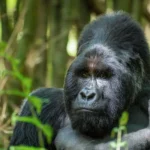
The most expensive component of many Uganda holidays is not ordinary daily living. Instead, specialized wildlife activities and safari logistics usually account for much of the price. Gorilla trekking provides a good example. A traveler does not simply enter Bwindi Impenetrable National Park and walk into the forest independently. Gorilla visits operate under a controlled permit system designed to manage tourism and protect the gorillas. Uganda Wildlife Authority currently lists gorilla tracking at US$800 for foreign non-residents outside applicable discounted periods. UWA introduced low-season gorilla permit rates of US$600 for foreign non-residents during April, May, and November, with the discounted rates taking immediate effect in 2026.
That means a traveler building a Uganda safari around gorilla trekking already has a significant fixed activity cost before considering transport, accommodation, meals, or additional attractions. Nevertheless, many visitors consider the experience worthwhile because Uganda offers the opportunity to encounter mountain gorillas in their natural forest environment.
Safari travel should therefore be compared with similar wildlife journeys rather than with an ordinary city holiday. Once this distinction becomes clear, Uganda often represents strong value for people seeking several major African experiences within one country.
Why Uganda Safari Prices Vary So Much
Two travelers can visit Uganda for the same number of days and pay completely different prices. Several factors explain this variation. Accommodation may be the biggest difference. One visitor might stay at a simple but comfortable lodge, while another chooses a luxury property overlooking a national park. Their rooms, meals, service levels, locations, facilities, and overall atmosphere will differ substantially.
Transportation creates another important difference. Uganda’s major attractions are spread across different regions. Bwindi lies in southwestern Uganda, Murchison Falls is farther northwest, Kidepo Valley sits in the remote northeast, Kibale occupies western Uganda, and Queen Elizabeth National Park stretches across the western Rift Valley area. Covering these destinations involves significant driving distances. A private safari vehicle needs fuel, maintenance, insurance, a knowledgeable driver-guide, and sometimes special equipment for difficult roads.
Activities also affect the final price. A visitor who takes game drives in Queen Elizabeth National Park will have a different budget from someone who combines game drives with gorilla trekking, chimpanzee tracking, golden monkey tracking, boat cruises, lion-tracking experiences, nature walks, community activities, and birding excursions. Each experience can carry separate fees.
Group size matters as well. When two people travel privately, they normally share the vehicle cost between them. Four or six travelers can divide some transportation expenses across a larger group. Consequently, the price per person can decrease as the group becomes larger, although accommodation and permits continue to apply individually.
Travel season influences accommodation availability and occasionally activity pricing. Uganda can be visited throughout the year, but certain months attract more tourists because of weather patterns and international holiday seasons. Booking early becomes especially important for gorilla permits and popular lodges.
Uganda Tourist Visa Cost
Entry expenses form one of the first costs international travelers should consider. Uganda’s Directorate of Citizenship and Immigration Control currently states that the single-entry Uganda tourist visa costs US$50. The visa is available through Uganda’s official online immigration system, and applicants should use the government portal rather than unofficial third-party websites that may charge additional fees.
Travelers planning to combine Uganda with Kenya and Rwanda may consider the East African Tourist Visa, which currently costs US$100 and allows qualifying visitors to travel among Uganda, Kenya, and Rwanda for tourism purposes during its validity. The issuing country should be the visitor’s first entry point under the official guidelines.
Compared with the overall price of an international safari, visa charges normally represent a relatively small part of the holiday budget. Nevertheless, visitors should include them when calculating their total trip cost. They should also check current entry requirements before departure because regulations can change.
A reliable safari company can help travelers understand practical arrival requirements, although visa applications and immigration approval remain under government authority.
How Much Does Gorilla Trekking Cost in Uganda?
Gorilla trekking is one of Uganda’s best-known tourism activities, and the permit price is one reason some visitors describe a Ugandan safari as expensive. However, the permit should be viewed as an experience cost rather than simply an entrance ticket. Gorilla tourism is carefully managed because mountain gorillas live in sensitive forest habitats and require strict protection.
Uganda Wildlife Authority has published standard and low-season permit arrangements. The published 2026 update introduced low-season gorilla tracking at US$600 for foreign non-residents and US$500 for foreign residents during April, May, and November. The same notice shows the regular foreign non-resident gorilla tracking tariff remaining at US$800, while additional tariff revisions are scheduled to take effect from January 2027.
For many overseas visitors, this permit becomes one of the largest single safari expenses. Nevertheless, travelers should remember that the cost is tied to a highly controlled conservation experience. Normal gorilla tracking allows visitors to spend a maximum of one hour observing the gorillas after locating them, according to UWA’s tracking guidelines.
A complete gorilla safari costs more than the permit alone. Travelers must reach Bwindi Impenetrable National Park or Mgahinga Gorilla National Park, stay near the correct trekking sector, eat meals, and arrange transport. Depending on the itinerary, visitors might travel by road from Kampala or Entebbe, enter from Rwanda, or use a domestic flight to southwestern Uganda.
For that reason, a traveler should never assume that an advertised gorilla permit price represents the cost of an entire gorilla trip. The total package includes several other services.
Why Gorilla Trekking Can Still Offer Excellent Value
Calling gorilla trekking expensive does not fully describe what travelers receive. Few wildlife encounters are comparable to walking through a tropical mountain forest and finally reaching a habituated gorilla family. Visitors often spend months preparing for the journey because this is not an experience available in many countries.
Uganda’s gorilla tourism also takes place inside extraordinary landscapes. Bwindi Impenetrable National Park contains dense forests, steep valleys, misty hills, birdlife, primates, and communities with deep connections to the region. The destination therefore offers much more than a single wildlife sighting.
Visitors may combine the trek with community activities, nature walks, birding, cultural experiences, scenic drives, or nearby parks. Travelers who continue to Queen Elizabeth National Park can search for lions, elephants, buffaloes, hippos, leopards, antelopes, and many bird species. Others can proceed to Mgahinga for golden monkeys or continue toward Lake Bunyonyi for relaxation.
The important question is not simply, “Is US$800 expensive?” A better question is whether the overall experience matches your priorities. People who have dreamed of seeing mountain gorillas often place this activity at the center of their Uganda journey and adjust other sections of the itinerary according to their available budget.
Low-Season Gorilla Permits Can Reduce Safari Costs
Travelers looking for ways to reduce their Uganda safari cost should pay attention to the low-season permit policy introduced by Uganda Wildlife Authority in 2026. UWA announced discounted gorilla tracking rates for April, May, and November, with foreign non-resident permits priced at US$600 during those months. Chimpanzee tracking also received discounted low-season pricing under the same announcement.
This can make a meaningful difference for couples or families. Two foreign non-resident travelers trekking during an eligible low-season period could potentially save hundreds of dollars on gorilla permit costs compared with the standard rate. A group saves even more collectively.
Low-season travel also appeals to photographers and nature lovers who appreciate greener landscapes. Rain can occur more frequently, and forest trails may become muddy, but Uganda remains beautiful. The vegetation becomes lush, clouds move dramatically across the hills, and safari destinations can feel quieter.
Lena Tours can design a journey around the travel period while considering road conditions, trekking sectors, lodge locations, and other activities. The cheapest date is not always automatically the best choice, so itinerary planning should still consider comfort and personal interests.
How Much Does Chimpanzee Tracking Cost?
Chimpanzee tracking is another premium activity that influences Uganda safari prices. Kibale National Park is one of the country’s most famous primate destinations and provides visitors with the opportunity to search for habituated chimpanzees with trained guides.
UWA’s 2026 tariff notice introduced a low-season chimpanzee tracking rate of US$200 for foreign non-residents and US$150 for foreign residents in April, May, and November. The notice also states that, from 1 January 2027, the foreign non-resident chimpanzee tracking tariff in Kibale National Park will be US$300.
For normal chimpanzee tracking, UWA guidelines allow a maximum viewing period of one hour after tourists encounter the chimpanzees. Habituation experiences permit a longer observation period under specific arrangements.
Travelers who combine chimpanzee tracking and gorilla trekking will therefore need a larger activity budget than visitors concentrating only on savannah wildlife. Yet the combination is one of Uganda’s greatest strengths. Few destinations allow travelers to experience great apes, traditional game drives, boat safaris, mountain scenery, wetlands, and cultural attractions within one country.
National Park Entrance Fees in Uganda
Park entrance fees are another element of safari budgeting. Uganda Wildlife Authority publishes tariffs according to visitor category and park. Foreign non-residents generally pay in US dollars, while East African citizens have different rates.
Under UWA’s published tariff structure, major parks such as Murchison Falls and Queen Elizabeth National Park have separate entrance charges, while additional activities such as game drives, boat trips, nature walks, or specialized wildlife experiences can carry their own fees. For example, the 2024–2026 UWA tariff listed foreign non-resident entrance to Murchison Falls National Park at US$45 and Queen Elizabeth National Park at US$40.
Visitors should always confirm applicable tariffs for their actual travel dates because UWA has announced revisions affecting parts of its fee structure from January 2027. The authority’s current rates page specifically links to its 2026–2027 tariff changes.
Park entrance costs usually represent only one element of a full safari quotation. A tour package may also include the safari vehicle, fuel, driver-guide, accommodation, meals, permits, boat trips, airport transfers, and other services.
When comparing safari offers, tourists should therefore ask what the quoted price includes rather than comparing only the final figure.
Accommodation Prices in Uganda
Uganda has accommodation for many different budgets. In Kampala and Entebbe, travelers can find hostels, guesthouses, business hotels, boutique hotels, international hotel brands, apartments, and high-end properties. Safari destinations also offer budget camps, mid-range lodges, comfortable tented camps, boutique properties, and luxury wilderness lodges.
Budget accommodation usually focuses on the essentials: a clean room, comfortable bed, private or shared bathroom depending on the property, basic meals, and a convenient location. These options can significantly reduce the cost of a Uganda holiday.
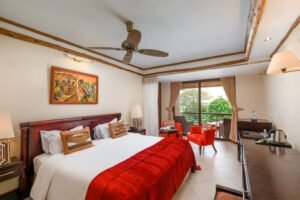
Mid-range lodges are popular with travelers who want comfort without paying luxury prices. Many provide private en-suite rooms, attractive views, restaurants, gardens, attentive service, and locations close to national parks. For many Lena Tours clients, this category provides a strong balance between cost and comfort.
Luxury properties may feature spacious cottages, premium meals, private balconies, excellent views, swimming pools, personalized service, fireplaces, exclusive locations, spa facilities, or beautifully designed rooms. Some are built in remote wilderness areas where delivering food, fuel, staff, maintenance supplies, and guest services involves significant logistical costs. Their prices therefore reflect more than the physical room.
Travelers should also remember that safari lodges often include meals. A room rate that looks higher than a city hotel may include breakfast, lunch, dinner, and sometimes additional services. Comparing prices without considering inclusions can create the wrong impression.
Budget Accommodation Does Not Mean a Bad Safari
Some travelers assume they need luxury accommodation to enjoy Uganda properly. That is not true. A well-designed budget or affordable safari can still include exceptional wildlife encounters, beautiful scenery, knowledgeable guides, comfortable nights, and memorable activities.
When the main priorities are gorilla trekking, chimpanzee tracking, game drives, and nature, spending less on accommodation can free money for experiences. A traveler might choose a simple lodge outside Bwindi while still joining exactly the same gorilla trekking activity as someone staying at a high-end property nearby.
The gorillas do not change according to your hotel category. Wildlife in Queen Elizabeth National Park does not appear only to guests from luxury lodges. Murchison Falls remains dramatic regardless of whether a visitor sleeps in a basic camp or an expensive riverside property.
Differences are mainly found in comfort, privacy, service, dining, room design, location, facilities, and atmosphere. Travelers should choose accommodation that matches both their budget and personal expectations.
Lena Tours can mix categories when appropriate. For example, a client might use comfortable mid-range lodges during most of the safari and choose a luxury property for a special night in Bwindi. Flexible planning often creates better value than applying the same accommodation level throughout the entire journey.
Luxury Uganda Safaris
Uganda can also be an expensive destination for travelers who intentionally choose luxury. Premium lodges around Bwindi, Queen Elizabeth National Park, Kibale, Murchison Falls, and other destinations can transform a safari into a highly comfortable wilderness holiday.
Luxury travelers may select private suites, boutique lodges, exceptional views, gourmet dining, personalized service, private guides, upgraded safari vehicles, domestic flights, special celebrations, and exclusive activities. Couples on honeymoons frequently prioritize privacy and atmosphere. Families may prefer larger rooms and carefully coordinated logistics. Older travelers sometimes choose fly-in safaris to reduce long road journeys.
A luxury Uganda safari can therefore cost several times more than a budget version covering similar destinations. That difference should not be interpreted as overpricing automatically. The two trips serve different travel preferences.
Uganda’s strongest advantage is that it accommodates both approaches. Travelers can experience the country on different budgets without losing access to its central attractions, provided they plan carefully and reserve essential permits early.
Mid-Range Uganda Safaris
Mid-range safari travel is one of the most practical ways to explore Uganda. It allows visitors to enjoy reliable accommodation, private transportation, good meals, professional guiding, and the main wildlife experiences without moving into the highest luxury price category.
A typical mid-range itinerary might include Entebbe, Murchison Falls National Park, Kibale National Park, Queen Elizabeth National Park, Bwindi Impenetrable National Park, and Lake Mburo National Park. The traveler may stay in attractive lodges near each destination, travel in a safari vehicle with a driver-guide, join a boat safari, track chimpanzees, trek gorillas, and enjoy several game drives.
Such an itinerary is not cheap in the same way as backpacking through a city. However, it includes numerous services and experiences that would cost substantially more if booked separately without careful coordination.
Travelers should request detailed quotations showing what the package covers. A slightly higher quotation might include permits, meals, park entrances, quality accommodation, bottled drinking water, airport transfers, and an experienced guide, while a cheaper offer may exclude several of those items.
Examining the inclusions gives a much clearer picture of value.
Cost of Safari Transportation in Uganda
Road transportation is a major component of Uganda safari pricing. International travelers sometimes underestimate how much work a safari vehicle performs during a multi-day journey. A typical itinerary may cover hundreds or even thousands of kilometers while moving between Entebbe, national parks, forests, lakes, towns, and remote lodges.
A dependable safari vehicle requires fuel, regular servicing, tyres, insurance, licensing, repairs, cleaning, and experienced drivers. Fuel costs become significant on long itineraries. Roads leading to wildlife areas may also be rough, dusty, muddy, or steep depending on the region and season.
Professional driver-guides contribute much more than transportation. They understand routes, wildlife areas, park procedures, accommodation locations, border requirements, cultural customs, and general safari logistics. During game drives, an experienced guide can identify animals, interpret behavior, locate wildlife areas, communicate with other guides, and improve the visitor’s overall experience.
Choosing the cheapest available transportation without considering reliability can create problems. A breakdown in a remote safari area may affect park activities, lodge arrival times, or even permit-based experiences that operate on fixed schedules.
For this reason, Lena Tours treats transportation as an important part of the safari rather than simply a vehicle moving passengers from one point to another.
Does Traveling as a Couple Cost Less?
Couples can often reduce the per-person cost of a private safari because they share several expenses. Transportation provides the easiest example. One traveler using a private safari vehicle carries nearly the same vehicle and fuel cost as two travelers using that vehicle. With two guests, the shared transport portion becomes lower per person.
Accommodation pricing also favors couples in some cases because two people can share a double or twin room. A solo traveler may need a single room, and hotels frequently apply a single supplement because the room still has fixed operating costs.
Permits, however, remain individual. Each traveler requires their own gorilla permit, chimpanzee permit, and other personal activity tickets. Food is normally calculated individually as well.
This explains why a solo Uganda safari often costs more per person than the same itinerary for a couple. Joining a small group departure can provide an alternative for individual travelers who want to spread transportation expenses across several participants.
Is Uganda Expensive for Solo Travelers?
Solo travel in Uganda offers privacy and flexibility, but it can cost more on a per-person basis when organized as a private safari. The vehicle, fuel, driver-guide, airport transfers, and many logistical expenses cannot be divided between several paying travelers.
Accommodation may also cost more because single occupancy can attract supplements. Lodges set prices differently, but a single guest cannot always expect to pay exactly half the price of two people sharing a room.
Despite this, solo Uganda travel remains popular. Photographers, birders, primate enthusiasts, researchers, and travelers with very specific interests often appreciate having a private guide and flexible schedule.
A good way to control expenses is to concentrate on fewer destinations. Instead of rushing through six national parks in ten days, a solo traveler could choose three major areas and spend more meaningful time in each. This reduces fuel costs and long transfer days.
Another option is a scheduled group safari when available. Shared departures can lower transportation expenses while still providing access to the same attractions.
Is Uganda Expensive for Families?
Family safari costs depend heavily on the children’s ages, room arrangements, chosen activities, and number of travelers. Families may need larger rooms, family cottages, interconnected accommodation, or extra beds.
Gorilla trekking also has age requirements, which means younger children cannot participate in the standard experience. Families traveling with children should therefore design the itinerary around activities suitable for everyone.
Uganda has many family-friendly experiences beyond primate trekking. Boat cruises, game drives, nature walks, cultural encounters, waterfalls, wildlife education visits, city tours, community experiences, and scenic destinations can create an excellent holiday.
Transport can become good value for larger families because several people share one safari vehicle. A private vehicle also provides flexibility for rest stops, meal breaks, photography, and changing daily needs.
Parents should discuss children’s ages and interests with Lena Tours during the planning stage. Building the right itinerary from the beginning often avoids paying for unsuitable activities later.
Food Prices for Tourists in Uganda
Food is one area where Uganda can suit almost any budget. Local restaurants and cafes can be relatively affordable, particularly away from luxury hotels and major tourist establishments. Travelers can enjoy Ugandan dishes such as matooke, rice, beans, groundnut sauce, vegetables, chicken, beef, fish, chapati, rolex, cassava, sweet potatoes, and fresh tropical fruits.
International restaurants in Kampala and Entebbe offer everything from Indian and Italian cuisine to burgers, coffee, pizza, Asian dishes, and fine dining. Prices vary according to location and style.
Safari lodges normally operate differently because many are located far from towns. They often provide full-board accommodation, meaning breakfast, lunch, and dinner are included. Supplying a remote lodge can be costly because food and equipment must travel long distances. Kitchens may also need generators, solar systems, refrigeration, water treatment, and trained staff.
Travelers should therefore check whether meals are included in their tour package. Lena Tours itineraries normally make meal arrangements clear so clients understand which expenses remain personal.
Alcoholic drinks, premium wines, specialty coffees, imported beverages, and certain snacks may be excluded even when meals are included.
Drinking Water and Everyday Expenses
Visitors generally spend relatively little on ordinary personal items compared with major safari expenses. Bottled drinking water, soft drinks, snacks, toiletries, and small purchases are widely available in towns and tourism centers.
A well-organized safari may include drinking water inside the vehicle. Travelers should still check this before departure because package policies differ.
Daily spending money becomes useful for beverages, laundry, souvenirs, porter services, tips, optional cultural visits, and small personal purchases. Carrying some Ugandan shillings can be helpful for local transactions, while larger tourism services may quote prices in US dollars.
Credit cards are accepted at many established hotels and tourism businesses, especially in cities. Nevertheless, travelers should not assume that every remote lodge, village shop, craft market, or activity provider will accept cards.
Planning a small daily allowance for incidental expenses prevents the need to search for an ATM at inconvenient times.
Kampala Costs for Tourists
Kampala offers far more budget flexibility than remote safari destinations. Visitors can choose everything from basic guesthouses to high-end hotels. Restaurants cover almost every price range, while transportation choices include private transfers, taxis, ride-hailing services, and other local options.
Cultural sites, markets, museums, restaurants, shopping centers, nightlife, religious landmarks, and city tours provide plenty to explore. A traveler spending several days in Kampala without joining expensive wildlife activities can keep costs relatively moderate.
However, traffic affects transportation time and sometimes cost. Kampala is a busy capital, so distance alone does not always determine how long a journey takes. Experienced local planning helps visitors organize sightseeing efficiently.
Tourists who arrive late at Entebbe International Airport may prefer sleeping in Entebbe rather than continuing directly into Kampala. This can reduce unnecessary travel after a long international flight.
Entebbe Costs for Visitors
Entebbe is popular for first and last nights because Uganda’s main international airport is located there. Accommodation varies from guesthouses to upscale hotels. Visitors can relax along Lake Victoria, visit botanical environments, enjoy restaurants, explore nearby attractions, or take excursions toward Mabamba Swamp.
A stay in Entebbe can be affordable when travelers select simple accommodation. Higher-end lakefront hotels naturally increase the cost.
One useful budgeting strategy is to avoid paying premium safari prices for a night when no major activity is planned. If a visitor arrives late and leaves early the following morning, a clean and comfortable airport-area hotel may be sufficient.
In contrast, clients who want to recover from a long international journey may value a more luxurious first night with a swimming pool, garden, good restaurant, and spacious room.
There is no single correct choice. The best option depends on the traveler.
How Much Does a Mabamba Shoebill Experience Cost?
Mabamba Swamp is one of the best-known places near Entebbe for searching for the shoebill, one of Uganda’s most distinctive birds. The experience usually involves road or boat transfers to the wetland, local canoe or motorboat arrangements depending on the route, guiding, and community-related fees.
Compared with gorilla trekking, Mabamba can be a much more affordable wildlife experience. It also fits easily into arrival or departure schedules because the wetland lies relatively close to Entebbe.
Birdwatchers often include Mabamba at the beginning of a longer Uganda safari. Seeing the shoebill is never guaranteed because it is a wild bird, but skilled local guides know the wetland and understand the areas where sightings commonly occur.
Combining Mabamba with Entebbe allows travelers to add a memorable experience without creating another long-distance transfer.
Murchison Falls Safari Costs
Murchison Falls National Park is a major destination for travelers interested in wildlife, Nile scenery, boat safaris, and the powerful waterfall. Costs usually include park entrance, accommodation, transportation, game drives, meals, and optional or scheduled boat activities.
UWA’s published 2024–2026 tariff listed foreign non-resident park entrance at US$45, along with separate fees for activities such as launch trips and certain guided experiences. Travelers visiting after tariff changes take effect should confirm current charges for their exact dates.
A two- or three-night stay generally gives visitors enough time to enjoy the destination more comfortably than a rushed overnight visit. Typical experiences include game drives north of the Nile, a boat journey toward the base of Murchison Falls, wildlife viewing along the river, and a visit to a viewpoint near the falls.
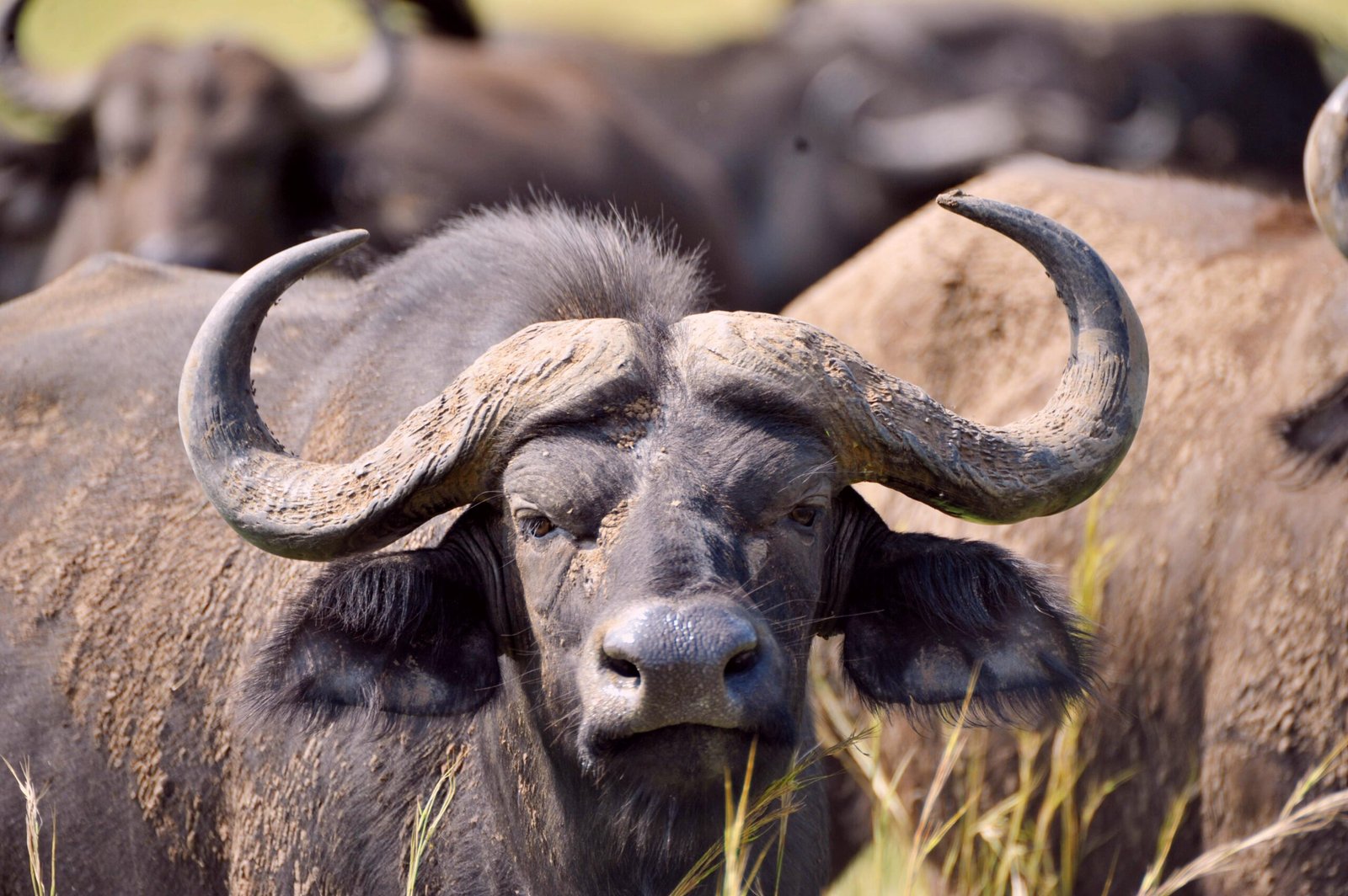
Wildlife may include elephants, giraffes, buffaloes, hartebeests, lions, hippos, crocodiles, waterbucks, antelopes, warthogs, and many bird species.
Murchison can be visited at different accommodation levels, making it suitable for both mid-range and luxury travelers.
Queen Elizabeth National Park Costs
Queen Elizabeth National Park is one of Uganda’s most versatile safari destinations. Travelers can combine game drives, the Kazinga Channel boat safari, crater landscapes, birding, wildlife viewing, and visits to the Ishasha sector.
The 2024–2026 UWA tariff listed foreign non-resident entrance at US$40, while activities such as launch trips had separate charges. Travelers should verify updated rates when booking future safaris.
Accommodation varies widely around the park. Affordable lodges can be found outside some park areas, while high-end properties overlook channels, plains, crater lakes, or other landscapes.
Queen Elizabeth National Park works particularly well within a longer western Uganda circuit because it lies between Kibale and Bwindi. Travelers can track chimpanzees around Kibale, continue south toward Queen Elizabeth, then proceed through Ishasha to Bwindi.
This route makes efficient use of transportation and reduces unnecessary backtracking.
Cost of Visiting Ishasha
The Ishasha sector forms part of Queen Elizabeth National Park and is famous for the possibility of seeing tree-climbing lions. Sightings cannot be guaranteed, but searching for these lions adds an exciting dimension to a western Uganda safari.
Travelers heading from the main Queen Elizabeth area toward Bwindi can pass through Ishasha, making it a logical stop rather than a separate long-distance detour.
Accommodation ranges from simpler options to exclusive wilderness camps. Staying overnight allows more time for game drives and provides a relaxed transition toward Bwindi.
Visitors should consider overall itinerary value rather than treating every destination as an isolated expense. An overnight stay in Ishasha may increase accommodation costs slightly, but it can create a smoother route while adding another unique wildlife experience.
Kibale National Park Costs
Kibale is often called Uganda’s primate capital because of its outstanding primate diversity and famous chimpanzee experiences. For many visitors, the chimpanzee permit becomes the largest activity expense in this region.
The destination also provides other opportunities, including nature experiences, birding, community tourism, crater lakes, and nearby wetland walks. Travelers commonly combine Kibale with Queen Elizabeth National Park because the two destinations fit naturally into the same western Uganda route.
Accommodation around Kibale ranges from modest guesthouses to sophisticated forest lodges. Properties closer to prime tourism areas may cost more because of location and demand.
Spending two nights usually works well for chimpanzee tracking because it avoids rushing directly into or out of the experience after a long transfer.
Bwindi Accommodation and Safari Costs
Bwindi has several trekking sectors, and the location of a visitor’s accommodation matters enormously. Booking a lodge in the wrong area can create very long early-morning drives or make the itinerary impractical.
Buhoma, Ruhija, Rushaga, and Nkuringo are among the best-known gorilla trekking areas. A traveler must know the sector connected to the booked permit before selecting accommodation.
This is one reason booking through an experienced operator can simplify planning. Lena Tours can align the permit, lodge, transfer route, and following destination so the itinerary runs logically.
Accommodation around Bwindi includes basic lodges, mid-range camps, boutique properties, and luxury forest retreats. Some offer dramatic mountain views, while others sit near park headquarters or community areas.
Travelers should compare location alongside price. Saving a small amount on a lodge located far from the assigned trekking point may create extra transportation and inconvenience the following morning.
Mgahinga Gorilla National Park Costs
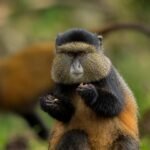
Mgahinga Gorilla National Park provides another opportunity to experience Uganda’s southwestern mountains. In addition to gorilla trekking when permits and trekking arrangements are available, visitors can track golden monkeys, climb volcanoes, enjoy nature walks, and experience the spectacular Virunga landscape.
UWA’s previously published tariff included separate fees for golden monkey tracking and other activities, while the authority’s 2026 notice confirms revised primate pricing arrangements in the broader tariff structure.
Mgahinga works particularly well for travelers staying around Kisoro or combining Uganda with Rwanda.
Because the region lies far from Kampala and Entebbe, transport becomes a meaningful expense. Domestic flights can shorten travel time, while road journeys provide scenery and opportunities to stop along the way.
Is Lake Bunyonyi Expensive?
Lake Bunyonyi can be one of the more flexible destinations in southwestern Uganda. Accommodation ranges from simple guesthouses to attractive island and hillside properties. Visitors can relax, take canoe trips, walk through communities, enjoy views, watch birds, or simply rest after gorilla trekking.
Many travelers use Lake Bunyonyi as a recovery destination after Bwindi because gorilla trekking can be physically demanding.
Unlike gorilla or chimpanzee experiences, a stay at Lake Bunyonyi does not necessarily involve an expensive mandatory wildlife permit. This makes the destination easier to adapt to different budgets.
Adding a night or two can increase the total holiday cost, but it may improve the pace of the journey and prevent the safari from becoming a series of continuous long drives.
Lake Mburo National Park on a Budget
Lake Mburo is conveniently located along the route between Kampala or Entebbe and southwestern Uganda. It is often used as the first or final national park on a longer safari.
The park is known for zebras, impalas, elands, buffaloes, warthogs, topis, birds, and other wildlife. It also offers experiences that differ from Uganda’s larger parks, including guided walks in appropriate areas.
Travelers returning from Bwindi can break the long road journey with an overnight stay at Lake Mburo. Although this adds accommodation and park costs, it can make the itinerary much more comfortable.
Budget lodges outside or around the park allow travelers to manage costs, while higher-end properties provide more privacy and stronger views.
Kidepo Valley National Park Costs
Kidepo Valley National Park can become one of the more expensive destinations to add to a Uganda safari because of its remote location. The park lies in northeastern Uganda, far from the main western tourism circuit.
Traveling there by road requires significant time and fuel. Visitors with larger budgets may choose a scheduled or charter flight, reducing travel time but increasing transportation costs.
Accommodation options are fewer than around some western parks, which can also influence pricing.
Despite the additional expense, Kidepo attracts travelers seeking dramatic landscapes, remote wilderness, wildlife, cultural encounters, and fewer vehicles.
A visitor whose priority is experiencing as many destinations as possible may choose to leave Kidepo out of a shorter safari. Someone seeking remoteness and landscape photography may consider it essential.
This highlights why Uganda safari costs cannot be judged without understanding the traveler’s priorities.
Domestic Flights in Uganda
Domestic flights provide convenience but increase the price of a safari. Flights can reduce lengthy road journeys to destinations such as Bwindi, Kidepo, or other distant regions.
A traveler with limited holiday time may prefer flying because saving one full driving day can create more time for activities. Older visitors or clients uncomfortable with long road transfers may also find domestic flights worthwhile.
However, road safaris offer experiences that flying cannot provide. Travelers see villages, farms, towns, changing landscapes, tea plantations, crater regions, and everyday life.
Lena Tours can combine both methods. A visitor might drive through western Uganda while stopping at several parks, then fly back to Entebbe after gorilla trekking. This saves time without losing the overland journey completely.
International Flight Costs to Uganda
International airfare can represent a major part of the overall holiday budget, although these tickets are usually purchased separately from the local safari package.
Prices depend on departure country, airline, travel period, booking time, route, baggage allowance, and number of connections. Travelers from Europe, North America, Asia, Australia, and other regions may experience substantial seasonal differences.
Booking early often provides more choice, although airfare patterns can change quickly.
Entebbe International Airport serves as Uganda’s main international gateway. Several travelers connect through hubs in the Middle East, Europe, or Africa.
When comparing total vacation costs, visitors should separate international airfare from in-country safari expenses. This makes it easier to understand which part of the budget can be adjusted.
Travel Insurance Costs
Travel insurance is another expense worth including. A comprehensive policy may cover medical emergencies, trip cancellation, baggage issues, delays, and certain adventure activities depending on the terms.
Travelers planning gorilla trekking, hiking, rafting, mountain climbing, or other active experiences should read policy details carefully. Not every insurance plan covers every activity.
Although insurance increases the cost of the holiday, traveling without suitable coverage can expose visitors to much larger unexpected expenses.
Lena Tours can provide itinerary details needed by travelers when discussing coverage with their insurer, but insurance policies should be purchased directly from an appropriate provider.
Yellow Fever Vaccination and Health Costs
Health preparation should be included in a Uganda travel budget. Uganda’s immigration information lists a yellow fever vaccination certificate among documentation relevant to visa and entry processes.
Vaccination prices vary widely by country. Some travelers may already have a valid certificate, while others need to visit a travel clinic before departure.
Medical consultations, malaria prevention, personal medication, insect repellent, sunscreen, and travel insurance can all add to pre-trip costs.
Visitors should obtain medical advice from qualified healthcare professionals because recommendations depend on personal circumstances and travel plans.
These expenses occur before arrival, so travelers sometimes forget to include them when estimating how much a Uganda safari will cost.
Tips and Gratuities in Uganda
Tipping is another variable expense. Safari guides, lodge staff, porters, trackers, and other service providers may receive gratuities when visitors are satisfied with their service.
Tips are normally discretionary rather than a substitute for properly quoted safari services. Amounts vary according to service, group size, trip duration, and the traveler’s preference.
Gorilla trekkers sometimes hire porters who can carry bags and provide support on steep or slippery trails. This creates a direct economic benefit for community members while making the trek more comfortable.
Travelers should carry smaller denominations where possible and ask their tour operator for practical guidance.
Souvenirs and Shopping
Uganda offers many locally made souvenirs, including baskets, carvings, fabrics, paintings, jewelry, coffee, crafts, and decorative items.
Shopping can remain a small expense or become substantial depending on personal interests. Craft markets in Kampala, Entebbe, and tourism areas provide numerous choices.
Buying locally produced goods can contribute directly to artisans and small businesses.
Travelers should leave space in their luggage and consider airline baggage limits, particularly when purchasing heavier carvings or fragile artwork.
Souvenir shopping is one area where every visitor controls the budget completely.
Why Safari Lodges Can Look Expensive
A traveler browsing safari lodge rates online may sometimes wonder why a room in a national park costs more than a hotel room in a major city. Remote lodge economics explain much of the difference.
A city hotel has easy access to electricity, roads, supermarkets, repair services, suppliers, employees, medical facilities, internet infrastructure, and municipal services. A wilderness lodge may need to generate its own power, pump or treat water, transport food long distances, maintain remote access roads, manage waste carefully, provide staff accommodation, operate safari-related facilities, and function reliably despite limited infrastructure.
Many properties also employ substantial teams relative to the number of guest rooms because visitors expect personalized service.
The location itself can command a premium. Sleeping beside a forest, overlooking a savannah, or watching wildlife from a private terrace offers an experience that cannot be reproduced easily in an urban hotel.
Understanding these realities helps explain why safari accommodation can represent a significant portion of the total price.
Budget Safari Versus Cheap Safari
Travelers should distinguish between a well-planned budget safari and a suspiciously cheap safari. Saving money is sensible, but the lowest possible quotation may involve compromises that are not immediately obvious.
A price can be reduced by using less reliable vehicles, distant accommodation, inexperienced guides, excluded activities, poorly timed routes, or unclear permit arrangements.
Reliable safari planning should protect the major experiences. A gorilla trekking permit must correspond with the correct date and sector. Accommodation must match the itinerary. Enough travel time should be allowed between destinations.
Reducing luxury is usually safer than reducing essential logistics. Choosing a simpler lodge can save money without affecting the wildlife experience. Cutting vehicle reliability or booking accommodation several hours away from an activity may create unnecessary problems.
Lena Tours focuses on designing itineraries that match the client’s budget while preserving realistic travel times and dependable arrangements.
Can Uganda Be Visited on a Backpacker Budget?
Yes. Uganda has many affordable experiences beyond traditional private safaris. Backpackers can use guesthouses, hostels, local restaurants, public transportation for suitable routes, and lower-cost activities.
Jinja, Kampala, Entebbe, Lake Bunyonyi, Fort Portal, Sipi Falls, and several other destinations can accommodate independent travelers.
However, certain activities remain expensive regardless of travel style. A backpacker who wants to trek gorillas still needs the relevant permit. There is no backpacker version of the official gorilla permit simply because someone stays in a hostel.
The smartest strategy is often to save money on accommodation, meals, and some transportation while reserving enough budget for one or two high-priority activities.
A traveler could spend modestly for most of the trip and still enjoy a gorilla trek as the major highlight.
Can Uganda Be a Luxury Destination?
Absolutely. Uganda has developed a growing selection of luxury properties and personalized safari experiences. Private lodges, fly-in trips, premium rooms, specialist guides, private boats where available, and carefully designed itineraries can create a high-end holiday.
Luxury travelers often want more than expensive accommodation. They value convenience, privacy, smooth logistics, flexibility, personalized attention, excellent food, and carefully selected locations.
A private Uganda safari can be adapted around photography, birding, primates, culture, family travel, honeymoons, or milestone celebrations.
Someone seeking this level of service should expect a significantly larger budget than a standard mid-range safari.
Is Uganda Cheaper Than Rwanda for Gorilla Trekking?
Travelers frequently compare Uganda and Rwanda when planning a gorilla trek. The total trip price depends on more than permit costs because accommodation, transportation, length of stay, route design, and additional activities also matter.
Uganda offers several advantages for travelers planning a broader safari. Bwindi can be linked with Queen Elizabeth National Park, Kibale, Lake Mburo, Lake Bunyonyi, and other western destinations. This allows visitors to combine gorilla trekking with chimpanzees and classic savannah wildlife in one overland route.
Rather than choosing a destination only by comparing one permit, travelers should compare complete itineraries.
A shorter trip with higher daily costs can sometimes cost less overall than a longer itinerary with lower individual rates. Conversely, spending more days in Uganda can offer a wider variety of wildlife experiences.
What Makes Uganda Good Value?
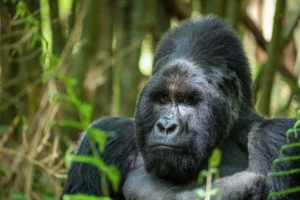
Uganda’s strongest value comes from diversity. A single trip can combine mountain gorillas, chimpanzees, lions, elephants, giraffes, hippos, crocodiles, zebras, buffaloes, antelopes, monkeys, hundreds of bird species, waterfalls, lakes, mountains, forests, savannahs, wetlands, and local cultural experiences.
This variety means tourists do not need to take separate holidays for each interest.
A well-planned western Uganda circuit can connect several major attractions efficiently. Murchison Falls offers Nile landscapes and large mammals. Kibale introduces primate forests. Queen Elizabeth brings game drives and boat safaris. Bwindi provides gorilla trekking. Lake Mburo creates a relaxing final wildlife stop.
Few destinations offer this combination within a single national itinerary.
How Many Days Should You Spend in Uganda?
The number of days directly influences cost. A three-day gorilla safari costs less overall than a fifteen-day journey, but the longer trip may provide better value per travel day because international airfare and visa costs remain similar.
Short trips work well for travelers who have one specific goal. Someone mainly interested in gorillas can visit Bwindi within a compact itinerary. A visitor wanting both gorillas and chimpanzees needs additional travel days.
Seven to ten days allows a broader western circuit. Twelve to fifteen days creates room for several parks without excessive rushing.
Longer journeys can include Kidepo, Jinja, Sipi Falls, or more specialized birding and cultural experiences.
Lena Tours normally designs the duration around interests rather than simply adding days. Every overnight stay should contribute something meaningful to the journey.
Example of an Affordable Uganda Safari Style
A traveler seeking affordability might arrive in Entebbe and spend the first night at a comfortable guesthouse rather than a premium hotel. The journey could continue toward Lake Mburo or Bwindi using road transportation, with mid-range or budget accommodation.
Gorilla trekking would remain the main premium experience. The visitor could then continue through Queen Elizabeth National Park for game drives and a boat safari before returning toward Entebbe.
This approach avoids unnecessary flights, limits the number of distant destinations, and concentrates spending on activities that matter most.
Choosing travel dates during one of the eligible low-season gorilla permit months may lower costs further under the current UWA arrangement.
Example of a Mid-Range Uganda Safari
A mid-range traveler could begin with Mabamba Swamp before heading to Murchison Falls National Park. Two nights at Murchison would allow game viewing and a Nile boat experience.
The journey could continue to Kibale National Park for chimpanzee tracking, followed by Queen Elizabeth National Park for game drives and the Kazinga Channel.
After crossing the Ishasha sector, visitors could stay near Bwindi and trek gorillas before continuing to Lake Bunyonyi or Lake Mburo.
This route includes Uganda’s major wildlife and primate highlights without requiring luxury accommodation.
The package would cost more than a basic trip because it includes two major primate permits, several parks, long-distance transportation, multiple lodges, meals, activities, and professional guiding.
Example of a Luxury Uganda Safari
A luxury itinerary could begin with a high-end hotel in Entebbe before a domestic flight or private overland transfer to a premier safari lodge.
Guests might spend several nights in each destination, allowing slower travel and more time for photography. Private guiding, premium accommodation, special dining arrangements, selected flights, and spacious suites could form part of the experience.
Gorilla trekking and chimpanzee tracking would remain central attractions, while additional activities might include private cultural experiences, birding, spa treatments, sundowners, boat excursions, and exclusive lodge activities.
The final price could be many times higher than a budget safari covering similar parks, but the comfort and service level would be completely different.
How to Reduce the Cost of Visiting Uganda
The easiest way to make Uganda more affordable is to identify your priorities before requesting a safari quotation. Travelers who try to include every park and activity usually create a more expensive trip.
Choosing fewer destinations can save fuel, accommodation nights, and travel time. Staying in comfortable mid-range lodges rather than premium properties can reduce costs dramatically without affecting park activities.
Traveling with friends or family can lower shared transportation expenses. Joining a group departure may achieve the same result for solo travelers.
Using road transport instead of domestic flights is another significant saving. Uganda’s landscapes make overland travel part of the experience, although journeys can be long.
Taking advantage of official low-season primate tariffs during eligible periods can reduce permit costs. UWA’s 2026 notice identifies April, May, and November as discounted months for the announced gorilla and chimpanzee low-season rates.
Booking early also gives travelers more accommodation choice. Waiting until the last minute can force visitors into whatever rooms remain available.
Why Booking Early Can Save Money
Gorilla trekking availability is limited because tourism around habituated gorilla families is controlled. Popular travel dates can therefore sell out.
Lodge availability also becomes tighter during busy periods. When preferred mid-range properties fill up, travelers may have to choose more expensive alternatives or change their route.
Uganda Wildlife Authority announced in February 2026 that the previous seven-day permit reservation window without payment had been suspended from 1 March 2026. Under the new arrangement, operators secure permits upon full payment at booking.
This makes confirmed planning particularly important. Travelers should be ready to secure permits when their dates are finalized rather than assuming a place can be held indefinitely.
Peak Season Versus Low Season Costs
Uganda remains open for tourism throughout the year, but travel demand varies. Drier periods are popular because roads and hiking conditions can be easier. International holiday seasons also influence accommodation availability.
Higher demand can reduce the number of affordable rooms available, even when official park fees remain unchanged.
Low-season travel may offer better lodge availability and, under current UWA policy, reduced gorilla and chimpanzee permit rates in specified months.
Rain should not automatically discourage visitors. Tropical weather can change quickly, and rainy periods do not mean constant rainfall every day.
Photographers may appreciate dramatic skies, lush vegetation, fewer vehicles, and greener landscapes.
Travelers should choose their season based on priorities rather than price alone.
Is Uganda Expensive for Birdwatchers?
Uganda can be excellent value for serious birdwatchers because of its extraordinary habitat diversity. Forests, wetlands, savannahs, mountains, lakes, agricultural landscapes, and river systems support a remarkable range of birdlife.
Specialist birding safaris can become expensive when they require expert guides, long itineraries, remote locations, or several habitat zones. However, birding does not always involve expensive permits.
Mabamba Swamp is famous for shoebills, while Bwindi, Kibale, Queen Elizabeth National Park, Murchison Falls, Semuliki, Lake Mburo, Mgahinga, and other areas provide excellent opportunities.
A committed birder may spend more days in Uganda than a standard tourist because finding target species takes time.
Longer duration increases accommodation and transportation expenses but can deliver outstanding value to enthusiasts.
Is Uganda Expensive for Photographers?
Photography safaris can cost more when travelers require private vehicles, extra luggage, specialized guiding, longer game drives, or premium locations.
Serious wildlife photographers often prefer private transportation because they need freedom to wait for the right light, remain with an animal, or position the vehicle carefully.
Gorilla photography also requires planning because viewing time during normal trekking is limited to a maximum of one hour after the encounter under UWA guidelines.
A photographer may therefore prioritize fewer destinations but spend more time at each one.
Uganda offers exceptional photographic variety: mountain gorillas in misty forests, lions in savannahs, elephants crossing plains, hippos in waterways, shoebills in wetlands, crater lakes, waterfalls, fishing villages, volcanic landscapes, and community scenes.
The destination can therefore provide strong creative value even when the safari budget is substantial.
Cultural Experiences Can Be Affordable
Not every memorable Uganda experience requires a large entrance fee. Community walks, craft visits, local markets, food experiences, cultural performances, village tours, and agricultural activities can provide meaningful travel experiences at relatively modest cost.
Coffee experiences around areas such as Mount Elgon and western Uganda can connect visitors directly with farmers and local production.
Tea estates around Fort Portal offer another perspective on Uganda beyond national parks.
Visitors should approach cultural tourism respectfully and select experiences that genuinely benefit host communities.
Adding these activities also creates a more balanced itinerary. Uganda should not be understood only through wildlife.
Jinja Travel Costs
Jinja is one of Uganda’s most popular adventure destinations and makes an excellent addition to a safari itinerary.
Accommodation ranges from hostels and guesthouses to comfortable riverfront lodges. Activities can include rafting, kayaking, boat trips, cycling, horse riding, cultural visits, and exploration around the Nile.
Travelers can spend very little by relaxing near the river and choosing modest accommodation, or they can build a premium adventure holiday with several organized activities.
Because Jinja lies relatively close to Kampala and Entebbe compared with Uganda’s remote national parks, transport costs can be easier to manage.
A short Jinja extension works particularly well for travelers who want a different experience before or after their wildlife safari.
Sipi Falls Costs
Sipi Falls offers hiking, waterfalls, coffee experiences, landscapes, and cooler highland scenery near Mount Elgon.
Compared with gorilla trekking, visiting Sipi can be relatively affordable. Guided hikes and community experiences generally cost much less than major primate permits.
Accommodation ranges from basic guesthouses to comfortable lodges with dramatic valley views.
Including Sipi does require extra transportation because it lies east of Kampala, away from the western safari circuit. Travelers attempting to combine Sipi, Kidepo, Murchison, Kibale, Queen Elizabeth, and Bwindi in a short trip may spend a large portion of the holiday driving.
Careful route design remains essential.
Is Uganda Expensive for Honeymooners?
A Uganda honeymoon can suit different budgets. Couples can choose a modest private safari with comfortable lodges or create a highly luxurious journey with boutique properties, special dinners, private flights, and premium rooms.
Bwindi provides one of the most romantic settings because of its mountain scenery and forest atmosphere. Lake Bunyonyi offers quiet relaxation, while Queen Elizabeth National Park brings wildlife and beautiful landscapes.
Luxury honeymoon lodges can increase the budget considerably, yet couples can also mix accommodation categories. Spending more on a few special nights while using good mid-range properties elsewhere often creates an excellent balance.
Private transportation also gives honeymooners privacy and flexibility throughout the journey.
Is Uganda Expensive Compared with a Beach Holiday?
A wildlife safari and a standard beach holiday are difficult to compare because the cost structures are different.
At a beach resort, guests may remain in one location for a week. The hotel does not need to transport them hundreds of kilometers, provide wildlife permits, enter national parks, or maintain a safari vehicle.
A Uganda safari moves between several remote environments while providing daily guiding, transportation, accommodation, meals, and specialized activities.
Naturally, this can cost more than staying at one resort. However, travelers receive a constantly changing experience rather than a single location.
Those seeking both safari and beach time can combine Uganda with destinations elsewhere in East Africa depending on entry requirements and available time.
Where Does Your Safari Money Go?
Understanding the distribution of safari costs helps visitors appreciate why professional tours have certain price levels.
Part of the money goes toward accommodation. Another share supports transport, fuel, guides, park fees, permits, activity providers, administration, reservations, taxes, communication, vehicle maintenance, and local staff.
Uganda Wildlife Authority uses tourism as part of its broader conservation system. UWA states that its mandate includes conserving wildlife and managing protected areas while working with surrounding communities and stakeholders.
Tourism also supports jobs in lodges, restaurants, transport companies, guiding services, craft businesses, farms, and communities around tourism areas.
A safari therefore connects many different services rather than paying only for a room and a car.
Hidden Costs Tourists Should Remember
Visitors sometimes calculate accommodation and permits but forget smaller expenses. International bank charges, visa processing fees, travel insurance, vaccinations, laundry, drinks, tips, souvenirs, SIM cards, extra meals, optional excursions, and baggage charges can gradually increase the final total.
Some lodges include laundry while others charge separately. Premium beverages may not form part of full-board packages. Domestic flights can have luggage limits that differ from international airlines.
Credit card payments may occasionally attract service or processing charges depending on the provider.
Tourists should ask for a clear list of inclusions and exclusions before confirming a safari.
A transparent quotation gives travelers enough information to prepare spending money without worrying about unexpected major costs.
Why the Cheapest Safari Quote May Not Be the Best
A traveler requesting quotations from several Uganda tour operators may receive very different prices. Looking only at the total can be misleading.
One operator may include gorilla permits, while another excludes them. Accommodation might be full board in one quotation and breakfast only in another. Park entrance fees, boat safaris, airport transfers, drinking water, chimpanzee permits, and vehicle services may differ as well.
Vehicle quality also matters. A safari involving thousands of kilometers requires a dependable vehicle maintained for challenging roads.
Guide experience can influence the entire journey. A knowledgeable guide does more than drive. They manage timing, wildlife viewing, local communication, route changes, check-in procedures, and practical problems.
Comparing detailed inclusions is therefore more useful than selecting the lowest number.
How Lena Tours Helps Control Your Uganda Safari Budget
Lena Tours designs itineraries around the client’s priorities, travel dates, group size, preferred accommodation standard, and available budget.
A traveler interested mainly in gorillas does not necessarily need a two-week safari. Someone passionate about wildlife may prefer more nights in Murchison Falls and Queen Elizabeth National Park. Birdwatchers may require different destinations entirely.
Instead of adding attractions simply because they are famous, we can build a route around what you genuinely want to experience.
Accommodation can also be adjusted. Budget, mid-range, and luxury options can be compared before confirmation.
Transport arrangements can reflect both time and cost. Road safaris generally reduce flight expenses, while domestic flights can save significant travel time for visitors with shorter holidays.
Good planning is one of the best ways to make Uganda more affordable.
What Budget Should You Prepare for Uganda?
There is no single amount that applies to everyone. However, travelers can think about three broad categories.
A budget traveler keeps accommodation simple, limits expensive activities, uses economical transport where practical, and focuses on a smaller number of destinations.
A mid-range traveler normally chooses private safari transport, comfortable lodges, major park activities, and selected primate experiences.
A luxury visitor prioritizes premium accommodation, exclusivity, personalized service, spacious rooms, domestic flights, and additional comfort.
Rather than beginning with an arbitrary total, tell Lena Tours your preferred travel style and must-do experiences. A realistic itinerary can then be built around those priorities.
Why Gorilla Safaris Cost More Than Ordinary Tours
The difference between a sightseeing tour and a gorilla safari is substantial. An ordinary tour may involve a guide, vehicle, entrance fee, and hotel. Gorilla tourism adds a limited wildlife permit, remote forest destination, specialized park staff, controlled group access, and detailed conservation procedures.
Visitors enter a living ecosystem rather than a conventional attraction.
UWA regulates viewing time, permit access, and trekking procedures. Normal gorilla viewing is limited to a maximum of one hour once the group encounters the gorillas.
These controls help reduce tourism pressure while still allowing visitors to experience the forest.
For many travelers, the price reflects the rarity of the opportunity.
Why Uganda Can Be Affordable for Repeat Visitors
A first-time visitor may want to include every famous attraction, increasing the total cost. Repeat visitors often travel differently.
Someone who has already trekked gorillas might return for birding, Murchison Falls, Kidepo Valley, hiking, fishing, photography, or cultural tourism.
Without premium primate permits, daily costs can become much lower.
Repeat travelers may also feel more comfortable choosing smaller guesthouses or exploring less famous areas.
Uganda rewards slow travel because many interesting places lie outside the classic safari circuit.
Is Uganda Expensive During Christmas?
Christmas and New Year can be busy travel periods because international holidays allow families and couples to take longer trips.
Popular lodges may have limited availability, and some properties apply festive-season conditions or supplements.
International flights can also become more expensive because holiday demand increases globally.
Anyone planning a Christmas safari should book well in advance, particularly when gorilla permits form part of the itinerary.
Early planning creates more choice across accommodation categories.
Is Uganda Expensive in April and May?
April and May traditionally fall within wetter periods in many parts of Uganda, although weather varies by location and year.
For price-conscious primate travelers, these months became especially interesting after UWA introduced discounted low-season gorilla and chimpanzee permit rates for April, May, and November.
A lower permit cost can create meaningful savings. Lodges may also have greater availability compared with particularly busy holiday periods, although pricing differs by property.
Visitors should prepare for muddy forest trails and occasional rain. Waterproof boots, rain jackets, gaiters, and suitable clothing improve comfort.
The reward can be lush scenery and quieter tourism areas.
Is November a Good Month for an Affordable Uganda Safari?
November is another month included in UWA’s 2026 low-season primate permit announcement. Foreign non-resident gorilla tracking is listed at US$600 during the low-season months, compared with the normal US$800 tariff.
This makes November worth considering for travelers whose priority is reducing gorilla trekking costs.
Rain remains possible, and conditions can vary. However, wildlife safaris continue operating throughout the year.
A traveler who accepts occasional wet weather may enjoy strong value during this period.
Can You Visit Uganda Without Gorilla Trekking?
Yes. Although gorillas are one of Uganda’s most famous attractions, the country offers many other experiences.
Travelers can visit Murchison Falls, Queen Elizabeth National Park, Lake Mburo, Kidepo Valley, Jinja, Sipi Falls, Lake Bunyonyi, Mabamba Swamp, Semuliki, the Rwenzori region, and cultural destinations.
Removing gorilla trekking from the itinerary can substantially reduce costs because it removes one of the largest individual permit expenses.
Some visitors prefer chimpanzee tracking, birdwatching, classic wildlife, or adventure sports.
Uganda should therefore not be considered only a gorilla destination.
Can You Visit Uganda Without Chimpanzee Tracking?
Certainly. Chimpanzee tracking is an excellent experience, but tourists can choose alternatives.
Kibale itself has other attractions, while nearby Fort Portal offers crater lakes, tea landscapes, community activities, and access to several natural areas.
Travelers prioritizing budget may choose either gorilla trekking or chimpanzee tracking instead of doing both.
Others consider primates the entire purpose of the journey and happily budget for both experiences.
There is no need to follow an identical safari template.
Are Uganda Game Drives Expensive?
Compared with gorilla trekking, ordinary game drives can be relatively affordable once the traveler has already paid for the vehicle and park entry.
Many private safari itineraries use the same vehicle for long-distance transportation and game drives.
Additional ranger or specialist guide fees may apply depending on the activity.
The value of game drives becomes particularly strong when staying two nights or more in a park. Visitors can explore in the morning and evening rather than paying transport costs to reach a destination for only a brief visit.
Wildlife remains unpredictable, so additional time also improves the range of sightings.
Boat Safaris and Their Cost
Boat safaris are among Uganda’s best wildlife experiences. The Kazinga Channel in Queen Elizabeth National Park and the Nile in Murchison Falls National Park provide excellent opportunities to see animals from the water.
Hippos, crocodiles, elephants, buffaloes, waterbirds, and other wildlife can often be observed from a different perspective than during road game drives.
UWA’s published tariff has listed separate launch-trip charges for these experiences.
Because boat activities generally last only part of a day, they can be combined with morning game drives, improving the value of each park day.
Is Uganda Good Value for Long Safaris?
Longer safaris cost more overall but can produce better value per experience. A fifteen-day trip may include several parks without repeatedly returning to Kampala or Entebbe.
Routes can flow naturally from one destination to the next.
For example, Murchison Falls can connect with Kibale, which continues toward Queen Elizabeth, Bwindi, Lake Bunyonyi, and Lake Mburo.
A longer itinerary also gives travelers time to rest between demanding activities.
International airfare becomes a smaller proportion of the total holiday because the traveler spends more days enjoying the destination.
Visitors flying from distant countries often find that staying several additional days makes sense after investing in the journey to East Africa.
Should You Book Everything Yourself?
Independent booking is possible, especially for experienced travelers. However, safari logistics can become complicated when coordinating park permits, accommodation, long transfers, activity times, and remote areas.
One incorrect lodge location can cause difficulties with a gorilla trekking sector. A poorly planned transfer may leave insufficient time for the next activity.
Tour operators also coordinate vehicles and guides across the full itinerary.
Travelers who enjoy detailed planning may book some elements independently. Those who prefer a smoother experience often choose a local safari company.
Lena Tours can arrange the trip as one connected journey, allowing visitors to concentrate on enjoying Uganda.
Are Uganda Safari Packages Worth the Money?
A package can offer excellent value when it includes services travelers genuinely need.
The convenience of having airport collection, private transportation, accommodation, meals, park fees, permits, activities, and guiding coordinated by one company reduces planning work significantly.
Value should not be measured only by whether a package is cheaper than booking every component separately. Time, reliability, local knowledge, emergency assistance, and coordination also matter.
A strong safari package allows travelers to know the main cost before arrival.
How Exchange Rates Affect Your Safari
Many tourism services quote foreign visitors in US dollars, while local purchases may use Uganda shillings.
Exchange-rate movements can therefore affect the cost for travelers converting from euros, pounds, Canadian dollars, Australian dollars, yuan, or other currencies.
A safari quote priced in US dollars may remain unchanged while its cost in the visitor’s home currency changes before payment.
International card providers and banks may also apply foreign transaction fees.
Travelers should check payment terms carefully when confirming a booking.
Cash Versus Cards in Uganda
Visitors should carry a practical combination of cards and cash.
Major hotels and tourism businesses may accept international cards, but remote areas can have unreliable payment systems or connectivity.
Cash remains useful for tips, small restaurants, markets, local purchases, and incidental expenses.
Travelers should avoid carrying unnecessarily large amounts while still preparing for locations where electronic payment may not be practical.
Your Lena Tours guide can advise where ATMs or exchange services are available along the route.
How Much Spending Money Do Tourists Need?
The answer depends strongly on what the safari package already includes.
Someone on a fully arranged trip with accommodation, meals, transport, permits, and major activities paid in advance may need relatively little daily cash.
Personal expenses might consist of drinks, tips, souvenirs, laundry, optional activities, and snacks.
Visitors who book accommodation only will obviously require a much larger daily allowance.
Before departure, read the inclusion section of your itinerary carefully. This provides a much better guide than using an arbitrary daily spending figure copied from another traveler.
Is Uganda Expensive for Europeans?
European travelers may find some everyday costs in Uganda affordable compared with major European cities, particularly local meals, certain accommodation categories, and ordinary services.
Safari activities create a different comparison. A US$800 gorilla permit remains a substantial expense regardless of the traveler’s home country.
International airfare from Europe also contributes to the total holiday cost.
Nevertheless, Uganda offers an unusual concentration of major experiences within one journey, which can create excellent overall value.
Is Uganda Expensive for American Travelers?
American travelers face similar considerations. Everyday expenses can appear affordable compared with many U.S. destinations, while specialized safari experiences carry premium prices.
Flights from North America involve long travel times and may add significantly to the trip budget.
For this reason, many American visitors choose longer Uganda itineraries so they can experience several parks after making the international journey.
Combining gorillas, chimpanzees, game drives, boat safaris, and cultural experiences within ten to fifteen days can create a substantial but highly varied vacation.
Is Uganda Expensive for African Travelers?
Costs vary depending on nationality, residency status, and the tariff category applied to each tourism activity.
Uganda Wildlife Authority uses different categories for foreign non-residents, foreign residents, East African citizens, and in some cases visitors from the rest of Africa. UWA’s published rates show meaningful differences between these categories.
Travelers should provide accurate residency and nationality information when requesting permits because eligibility requirements apply.
Regional visitors may therefore experience significantly different wildlife activity costs from overseas tourists.
What Is the Most Expensive Part of a Uganda Safari?
For many travelers, gorilla permits are the largest individual activity expense.
For longer journeys, accommodation and transportation can collectively exceed the permit cost.
Luxury lodges may become the largest component of premium itineraries.
Domestic flights can also add significantly to fly-in safaris.
The actual answer therefore depends on trip design.
A three-day mid-range gorilla trip may be dominated by the permit and vehicle cost. A two-week luxury safari may spend far more on accommodation.
What Is the Cheapest Part of Traveling in Uganda?
Local meals, basic accommodation, public transportation for suitable journeys, markets, walking around towns, and some cultural experiences can be inexpensive compared with international tourism activities.
Fresh fruit and locally produced food can also be reasonably priced.
Travelers who spend time outside premium tourism environments quickly discover that Uganda itself is not necessarily an expensive country for everyday living.
The cost rises when visitors require private safari logistics and protected-area experiences.
Can You Save Money by Sharing a Safari Vehicle?
Yes. Sharing transportation is one of the most effective ways to lower per-person costs.
A safari vehicle carrying four travelers does not normally use four times as much fuel as one carrying a single guest.
The cost of the driver-guide is also shared.
Permits and accommodation remain individual expenses, but transportation savings can still be meaningful.
Families and groups of friends often benefit from this structure.
Does Staying Outside National Parks Save Money?
Sometimes. Lodges outside park boundaries can cost less than properties in premium wilderness locations.
However, distance matters.
An inexpensive lodge located far from the park gate might require earlier departures and additional fuel.
The best value option combines reasonable price with practical location.
Lena Tours evaluates these details when choosing accommodation because a cheap room does not automatically create a cheaper or better itinerary.
Should You Choose Full-Board Accommodation?
Full-board accommodation can simplify safari budgeting because breakfast, lunch, and dinner are included.
This is especially useful in remote parks where restaurant alternatives are limited.
A cheaper bed-and-breakfast rate may initially appear attractive, but purchasing lunch and dinner separately can eliminate the difference.
Travelers should compare the complete daily cost rather than only the room rate.
Why Private Safaris Cost More
Private safaris dedicate a vehicle and guide to one booking rather than spreading expenses across several unrelated travelers.
The advantage is flexibility. Guests can request photography stops, adjust game-drive timing within park rules, take breaks when necessary, and travel with greater privacy.
Couples, honeymooners, families, photographers, and small groups often prefer private arrangements.
Group safaris usually offer lower per-person transportation costs but less individual flexibility.
Both styles can provide excellent experiences.
Are Group Safaris Cheaper?
Usually, particularly when transportation forms a large part of the package.
Sharing a vehicle, guide, and some logistics across several travelers lowers the amount each person must contribute.
Group departures work well for solo travelers who want to meet others.
However, participants must generally follow a fixed itinerary and schedule.
A private safari costs more but gives travelers greater control.
How Long Should a Gorilla Safari Be?
A short gorilla safari commonly requires at least enough time to reach the trekking region, complete the activity, and return or continue elsewhere.
Rushing from Entebbe to Bwindi and back over very few days can involve long hours on the road.
Adding an additional night can improve comfort even though it increases the accommodation cost.
Travelers with limited time may consider domestic flights.
The best duration depends on arrival times, transport method, permit sector, and what follows after trekking.
Should You Combine Gorillas and Chimpanzees?
Travelers who love primates often consider the combination worthwhile.
Gorillas and chimpanzees provide very different experiences. Gorilla trekking takes place in mountainous forest environments, while chimpanzees are more active and vocal.
Combining both increases permit costs but creates a deeper understanding of Uganda’s primate diversity.
Kibale and Bwindi fit naturally within a western Uganda road circuit, especially when Queen Elizabeth National Park is included between them.
This route is one of the reasons Uganda provides strong value for primate enthusiasts.
Affordable Activities Between Expensive Safari Experiences
Travelers can balance premium activities with inexpensive ones.
After paying for gorilla trekking, a visitor might spend the next day enjoying scenery around Lake Bunyonyi rather than booking another expensive permit.
A community walk, local market visit, coffee tour, scenic viewpoint, or relaxed lodge afternoon can provide variety without adding major costs.
Good itinerary design alternates intense activities with slower experiences.
This not only controls the budget but also prevents travel fatigue.
How to Create a Realistic Uganda Safari Budget
Begin with your international flight because this determines your arrival and departure dates.
Next, identify essential experiences. If gorilla trekking is non-negotiable, include the permit before spending money on optional luxury.
Choose the number of days available and decide whether you prefer budget, mid-range, or luxury accommodation.
Transport should follow the route rather than the other way around.
Finally, add money for visas, insurance, health preparation, tips, drinks, souvenirs, and personal spending.
This method produces a much more accurate budget than simply searching online for the “average daily cost of Uganda.”
Frequently Asked Question: Is Uganda Cheap for Tourists?
Uganda can be inexpensive for independent travelers who use simple accommodation and avoid premium wildlife activities. However, a professionally organized safari with gorilla trekking should not be expected to cost the same as ordinary backpacking.
The country offers different travel styles, which makes the answer depend on individual priorities.
Frequently Asked Question: Why Are Uganda Gorilla Permits Expensive?
Gorilla tourism operates under controlled access because mountain gorillas require careful conservation. Permit numbers and viewing conditions are managed by the Uganda Wildlife Authority.
Normal tracking provides a maximum of one hour with the gorillas after they are located.
The permit is therefore connected to a regulated conservation experience rather than unrestricted wildlife viewing.
Frequently Asked Question: How Much Is a Uganda Gorilla Permit in 2026?
Uganda Wildlife Authority’s 2026 announcement indicates a regular foreign non-resident gorilla tracking tariff of US$800, while a discounted rate of US$600 applies in April, May, and November under its low-season program.
Travelers should always confirm their specific permit date because tourism tariffs can change.
Frequently Asked Question: Is There a Discounted Gorilla Permit?
Yes. UWA announced low-season permit rates for April, May, and November in 2026. The foreign non-resident gorilla trekking rate during those months is US$600 under the announcement.
Availability and booking conditions still apply.
Frequently Asked Question: How Much Is a Uganda Tourist Visa?
Uganda’s Directorate of Citizenship and Immigration Control currently lists the ordinary single-entry tourist visa at US$50.
Travelers should use the official government immigration platform and avoid unofficial visa websites.
Frequently Asked Question: Is Uganda Expensive for Food?
Food can be quite affordable when tourists eat in local restaurants. International restaurants and luxury hotels cost more.
Safari lodges frequently package meals into accommodation rates, so the effective daily food cost may already form part of the tour price.
Frequently Asked Question: Is Accommodation Expensive in Uganda.
Accommodation ranges from inexpensive guesthouses to premium safari lodges.
The answer therefore depends entirely on location and travel style.
Visitors willing to use budget or mid-range properties can reduce the total safari cost significantly.
Frequently Asked Question: Can I Visit Uganda with a Small Budget?
Yes, particularly when travelers limit premium activities, stay in affordable accommodation, concentrate on fewer destinations, travel overland, and share transportation.
Gorilla trekking will still require a permit if included, making it one of the highest fixed costs.
Frequently Asked Question: How Can I Make Gorilla Trekking Cheaper?
Consider eligible low-season travel dates, use affordable accommodation, share safari transportation, and avoid unnecessary domestic flights.
Under UWA’s current 2026 announcement, April, May, and November have discounted gorilla permits.
Frequently Asked Question: Do I Need a Luxury Lodge for Gorilla Trekking?
No. The permit and trekking experience do not depend on accommodation category.
A traveler from a budget lodge can take part in the same official gorilla tracking system as someone staying in a luxury property, provided both have valid permits and report to the correct trekking location.
Luxury mainly changes comfort, service, location, dining, and atmosphere.
Frequently Asked Question: Can Lena Tours Arrange Budget Safaris?
Yes. Lena Tours can design itineraries using budget, mid-range, or luxury accommodation depending on availability, destination, and client expectations.
The most important step is telling us your priorities and approximate budget from the beginning.
That allows us to recommend realistic options rather than designing a trip that later requires major changes.
Frequently Asked Question: Can Lena Tours Arrange Luxury Uganda Safaris?
Yes. Luxury itineraries can include premium lodges, private transportation, domestic flights where suitable, personalized guiding, special arrangements, and slower travel.
Uganda has excellent options for honeymooners, families, photographers, couples, and travelers celebrating special occasions.
Is Uganda Expensive for Tourists? Final Answer
So, is Uganda expensive for tourists? Uganda can be inexpensive, moderately priced, or expensive depending on how you choose to experience it. Everyday travel does not necessarily cost a lot, and visitors who use local restaurants, simple accommodation, shorter routes, and fewer premium activities can explore the country on a manageable budget.
Safari travel operates differently. Gorilla trekking, chimpanzee tracking, national park visits, private safari vehicles, remote lodges, professional guides, and long-distance transportation raise the cost. These services are not ordinary holiday expenses. They form part of specialized wildlife tourism in protected environments.
Gorilla trekking remains one of the largest individual expenses for many foreign visitors. Uganda Wildlife Authority’s 2026 information lists the standard foreign non-resident gorilla tracking tariff at US$800 and introduces a reduced US$600 rate for April, May, and November. Uganda’s single-entry tourist visa currently costs US$50 according to the country’s immigration authority.
Rather than asking whether Uganda is simply expensive or cheap, consider what you receive for your safari budget. Within one journey, you can walk through ancient forests in search of mountain gorillas, hear chimpanzees calling through Kibale, watch elephants beside the Nile, photograph lions on the savannah, cruise among hippos on the Kazinga Channel, look for shoebills in Mabamba Swamp, see giraffes in Murchison Falls National Park, experience communities across the country, and enjoy some of East Africa’s most diverse scenery.
A visitor does not need to stay in the most expensive lodge to experience Uganda properly. Comfortable budget and mid-range accommodation can keep prices manageable. Traveling with another person or small group can reduce shared transport costs. Road travel can save money compared with flying, while low-season travel may reduce primate permit costs during eligible months. Most importantly, a carefully planned itinerary prevents unnecessary expenses.
For travelers seeking a luxury experience, Uganda also provides beautiful lodges, private guides, fly-in safari options, exclusive wilderness locations, premium service, and carefully personalized itineraries. Those journeys naturally require a larger budget, but they demonstrate the flexibility of Uganda as a destination.
At Lena Tours, our goal is to design a Uganda safari around the traveler rather than force every visitor into the same package. Whether you want an affordable gorilla trek, a comfortable mid-range wildlife safari, a romantic honeymoon, a family holiday, a birding expedition, a photography safari, or a luxury journey through the Pearl of Africa, the itinerary can be adjusted to match your interests and preferred level of comfort.
Uganda may not always be a cheap safari destination, particularly when primate permits and private wildlife travel are included. Nevertheless, the country offers remarkable value because of the number and diversity of experiences available within one journey. From mountain gorillas in Bwindi to chimpanzees in Kibale, wildlife along the Nile, tree-climbing lions in Ishasha, shoebills in Mabamba, zebras at Lake Mburo, waterfalls around Sipi, adventures in Jinja, and the beautiful landscapes of southwestern Uganda, visitors have countless ways to create an unforgettable holiday.
Plan your Uganda safari with Lena Tours and let us help you build a journey that matches your budget without sacrificing the experiences that matter most.
Plan Your Safari with Lena Tours
Complete the enquiry form below and our safari specialists will prepare a personalised itinerary and quotation for your journey.